
 English
 Español
 русский
 Français
 عربى
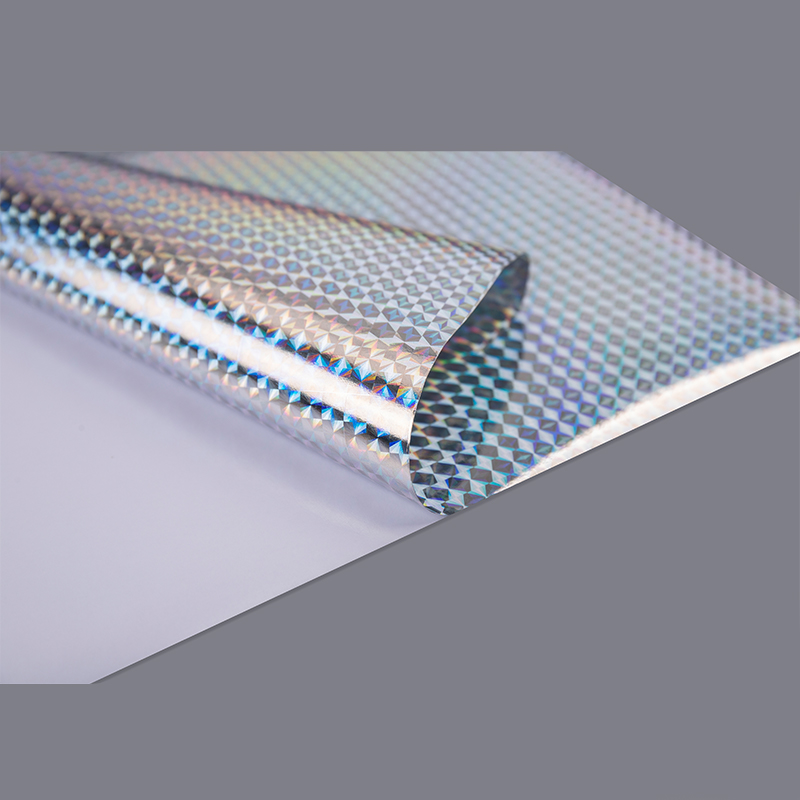
عربىGrid holographic laser film in sheet form has become a go-to material across packaging, security printing, decorative applications, and anti-counterfeiting industries. Its striking visual effect—created by diffracting light into brilliant spectral patterns through a precisely etched grid structure—is only part of the story. What makes this material truly valuable in professional and industrial contexts is its ability to maintain performance under challenging environmental conditions. Specifically, its resistance to external environmental interference, combined with proven water resistance and light resistance, sets it apart from conventional films and foils. This article takes an in-depth look at these three core performance properties and why they matter.
Content
- 1 What Is Grid Holographic Laser Film in Sheet Form?
- 2 Resistance to External Environmental Interference
- 3 Water Resistance: A Deep Dive
- 4 Light Resistance and UV Stability
- 5 Why Environmental Durability Matters Across Industries
- 6 Selecting the Right Grade for Your Environmental Requirements
- 7 Conclusion
What Is Grid Holographic Laser Film in Sheet Form?
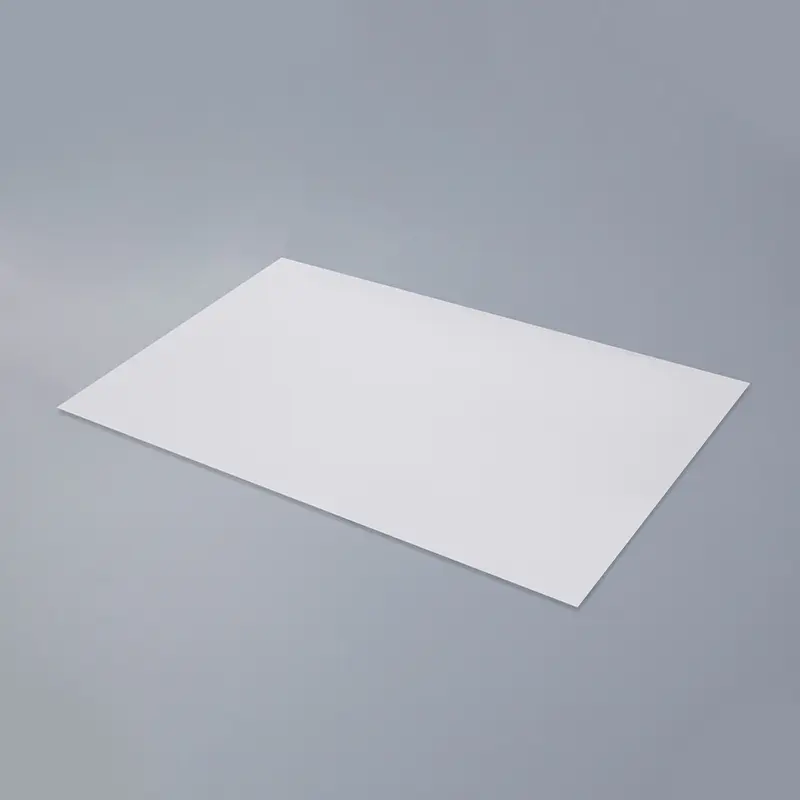
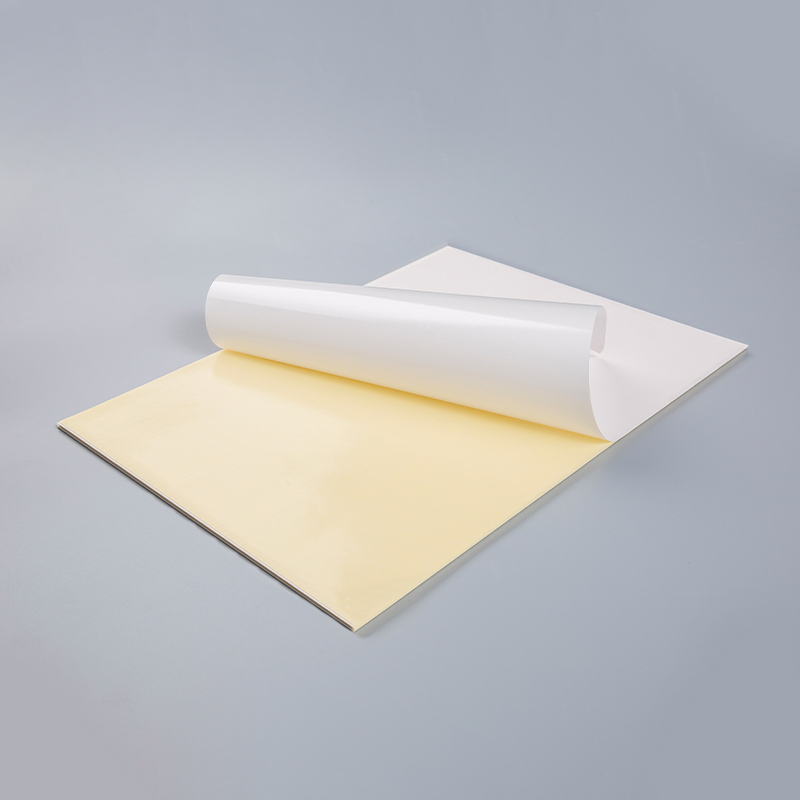
Grid holographic laser film is produced by embossing a micro-structured diffraction grating—often referred to as a "grid"—onto a base film, typically made from polyester (PET) or oriented polypropylene (BOPP). In sheet form, this material is cut to specific dimensions rather than supplied in rolls, making it easier to handle for precision die-cutting, lamination, and sheet-fed printing operations.
The holographic grid pattern is created through laser interference technology, producing microscopic ridges and grooves that interact with visible light. The result is the characteristic rainbow or silver-chrome shimmer associated with holographic materials. But beneath this visual appeal lies a material engineered to withstand the physical, chemical, and optical stresses of real-world use environments.
Resistance to External Environmental Interference
One of the most important technical qualities of grid holographic laser film in sheet form is its ability to resist degradation caused by external environmental factors. These include temperature fluctuations, humidity, mechanical abrasion, chemical exposure, and electrostatic interference. Each of these can compromise the visual integrity and structural stability of lesser films.
Temperature Stability
PET-based holographic laser film sheets typically withstand a wide temperature range, from approximately -40°C to +120°C, without deformation or loss of holographic effect. This is critical for applications where products are stored in cold chains or exposed to heat during lamination and sealing processes. The base film's dimensional stability ensures that the embossed diffraction grid retains its geometry, preserving the optical effect throughout the product's lifecycle.
Resistance to Humidity and Condensation
Humidity is a common environmental stressor in packaging and labeling applications, particularly in food, beverage, and personal care markets. Grid holographic laser film sheets are typically treated or coated to minimize moisture absorption. The combination of the hydrophobic base polymer and protective coatings keeps the film from swelling, delaminating, or losing adhesion even in humid conditions exceeding 90% relative humidity.
Mechanical and Chemical Interference
The surface of holographic laser film sheets is often protected by a hard coating or metallized aluminum layer, which shields the embossed grid structure from scratching, smudging, and contact with mild solvents or cleaning agents. This is particularly important in transit and retail environments, where packages and labels endure significant handling.
Water Resistance: A Deep Dive
Water resistance in grid holographic laser film in sheet form refers to the material's capacity to maintain its structural integrity, adhesion, and visual properties when exposed to moisture—whether from liquid contact, condensation, or immersion. This property is non-negotiable in several industries.
Key Mechanisms Behind Water Resistance
- Hydrophobic polymer base: PET and BOPP substrates are inherently resistant to water absorption, with moisture vapor transmission rates (MVTR) far lower than paper or biodegradable alternatives.
- Metallized barrier layer: The thin aluminum vacuum-deposition layer not only creates the reflective holographic effect but also acts as a moisture barrier, preventing water molecules from reaching the embossed grid.
- Water-resistant adhesive compatibility: When laminated or self-adhesive versions are used, the adhesives are formulated to resist water-induced bond failure, ensuring the film remains securely attached to packaging substrates even after extended contact with wet surfaces.
- Topcoat protection: Many grades include a protective topcoat that forms a hydrophobic barrier, shedding water droplets rather than allowing them to penetrate or pool.
Practical Applications Requiring Water Resistance
Water resistance is not simply a laboratory benchmark—it translates directly into real-world durability. Industries and use cases that rely heavily on this property include:
- Beverage bottle labels exposed to ice baths and refrigeration condensation
- Security seals and tamper-evident stickers on pharmaceutical packaging in humid storage environments
- Cosmetic and personal care packaging that regularly contacts water in bathroom environments
- Gift wrapping, greeting cards, and decorative sheets exposed to outdoor or marine conditions
- Anti-counterfeiting holograms on documents and ID cards exposed to accidental liquid contact
Light Resistance and UV Stability
Light resistance—particularly ultraviolet (UV) resistance—is another critical performance dimension for grid holographic laser film in sheet form. Prolonged exposure to sunlight or artificial UV sources can cause color fading, yellowing of the substrate, and degradation of the metallic layer, all of which destroy the holographic effect and diminish the product's aesthetic or security value.
How UV Resistance Is Achieved
Manufacturers address light resistance through several engineering approaches applied during film production:
- UV stabilizers in the base resin: UV absorbers and hindered amine light stabilizers (HALS) are incorporated into the PET or BOPP matrix during extrusion, intercepting UV photons before they can break polymer chains.
- UV-resistant coatings: A UV-blocking topcoat is applied over the metallized holographic surface, preventing photodegradation of both the aluminum layer and any printed inks beneath the film.
- Aluminum metallization as a UV shield: The vacuum-deposited aluminum layer itself acts as a reflective UV barrier, bouncing back incident UV radiation rather than allowing it to penetrate.
Light Resistance Performance Benchmarks
High-quality grid holographic laser film sheets are expected to meet internationally recognized light-fastness standards. The table below summarizes typical performance levels:
| Test Standard | Condition | Typical Performance |
| Xenon Arc Weathering (ISO 4892-2) | 500–1000 hours UV exposure | No significant color shift or delamination |
| Blue Wool Scale (ISO 105-B02) | Rating 6–7 out of 8 | Excellent resistance to light fading |
| QUV Accelerated Weathering | UVA-340 lamps, 60°C | Holographic effect retained after 800 hours |
| Outdoor UV Exposure | 12 months direct sunlight | Minimal yellowing; hologram remains visible |
Why Environmental Durability Matters Across Industries
The combined resilience of grid holographic laser film in sheet form—against environmental interference, water, and light—translates into measurable business benefits across multiple sectors. For brand owners and packaging engineers, this durability ensures that the product's visual quality and authentication features remain intact throughout the entire supply chain journey, from manufacturing floor to retail shelf to end consumer.
In security and authentication applications, even minor degradation of the holographic film can render a genuine product indistinguishable from a counterfeit, undermining the entire purpose of the anti-counterfeiting measure. Durable environmental performance is therefore a direct contributor to brand protection effectiveness.
For decorative applications—including luxury gift boxes, premium cosmetic packaging, and high-end stationery—the longevity of the holographic effect is directly linked to perceived product quality. A film that yellows under store lighting or peels when handled with slightly damp hands reflects poorly on the brand it represents.
Selecting the Right Grade for Your Environmental Requirements
Not all grid holographic laser film sheets are manufactured to the same performance standard. When specifying a film for applications requiring strong environmental resistance, buyers should evaluate the following criteria:
- Substrate material: PET offers superior dimensional stability and temperature resistance; BOPP provides excellent moisture resistance and flexibility at a lower cost.
- Metallization quality: Optical density of the aluminum layer affects both the holographic effect intensity and the material's barrier properties against moisture and UV.
- Topcoat formulation: UV-cured coatings provide harder, more chemically resistant surfaces compared to solvent-based alternatives.
- Adhesive system: For self-adhesive versions, ensure the adhesive is rated for the intended humidity and temperature range of the end-use environment.
- Certifications and test data: Request actual test reports from suppliers, including MVTR values, UV exposure hours, and temperature cycling results, rather than relying on marketing claims alone.
Conclusion
Grid holographic laser film in sheet form is far more than a visually striking surface material. Its engineered resistance to external environmental interference, moisture, and UV light makes it a dependable solution for demanding packaging, security, and decorative applications worldwide. Understanding the specific mechanisms behind these properties—from the hydrophobic polymer base and metallized barrier layer to UV stabilizers and hard topcoats—allows buyers to make informed procurement decisions and confidently specify this material for long-term, high-performance use. When sourced from a reputable manufacturer with documented test data, grid holographic laser film in sheet form delivers both the visual impact and the environmental durability that modern applications demand.