
 English
 Español
 русский
 Français
 عربى
عربىContent
- 1 How Self-Adhesive Holographic Laser Film Is Made
- 2 Comparing Application Methods for Different Packaging Needs
- 3 Functional Properties That Determine Film Performance
- 4 Anti-Counterfeiting Function in Brand Protection
- 5 Industry Applications Across Packaging Categories
- 6 High-End Wine, Cosmetics, and Electronics: A Closer Look
- 7 Selecting the Right Film Specification for Your Production Line
How Self-Adhesive Holographic Laser Film Is Made
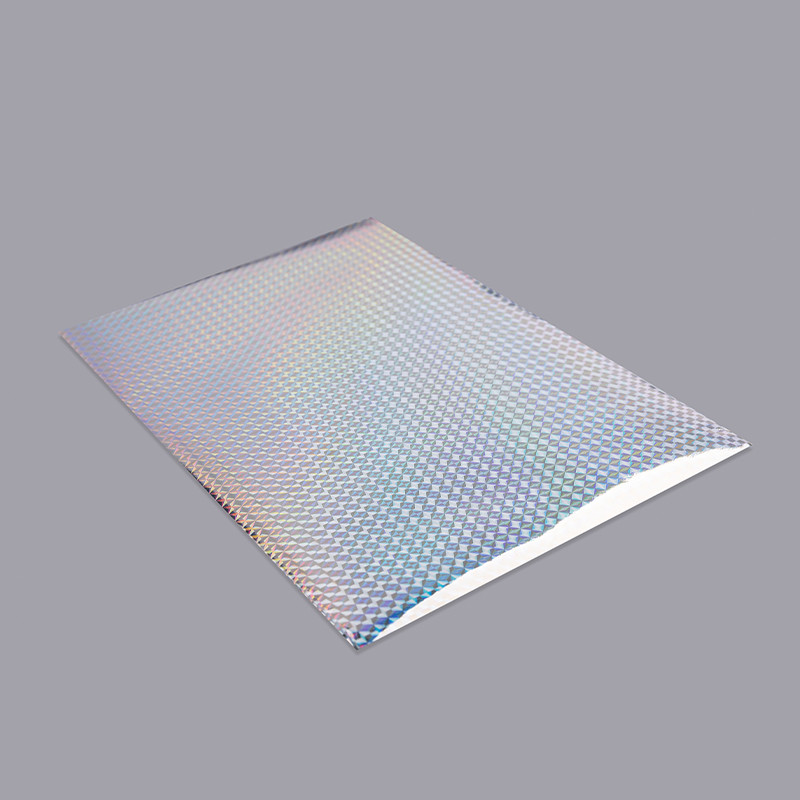
Self-adhesive holographic laser film begins with a microscopic diffraction pattern that is embossed onto a carrier substrate such as PET, BOPP, PVC, or a specially coated film. This embossing process molds the surface at a nanoscale level so that when light strikes the film, it splits into a rainbow spectrum and creates the appearance of depth and movement as the viewing angle changes. The precision of this molding step determines the sharpness and brightness of the final holographic effect, since even minor inconsistencies in the embossing roller can flatten the rainbow effect or introduce visible pattern seams.
Once the holographic pattern is formed, the film is transferred onto commodity packaging surfaces through one of several application methods, most commonly composite lamination, hot stamping, or transfer coating. Each method suits different packaging materials and production line setups, which makes understanding the differences between them essential for selecting the right film for a given product line.
Comparing Application Methods for Different Packaging Needs
Composite Lamination
Composite lamination bonds the holographic film directly onto a printed substrate as a full surface layer, typically using adhesive lamination equipment already common in flexible packaging production. This method produces full-coverage holographic effects across the entire packaging surface and is well suited to flexible packaging such as snack bags, pouches, and wrapping films where the holographic layer needs to withstand folding and flexing without cracking.
Hot Stamping
Hot stamping uses heat and pressure to transfer a holographic pattern from a carrier film onto a specific area of the packaging, such as a logo, brand mark, or security seal, rather than covering the entire surface. This selective application is common for rigid packaging like cosmetic boxes, wine labels, and gift boxes, where the holographic effect is used as a focal design element rather than a full-surface treatment.
Transfer Coating
Transfer coating applies the holographic layer through a release-coated carrier film that deposits the pattern onto the substrate during a roll-to-roll process, then peels away the carrier. This approach is frequently used for high-volume label production and allows for consistent, repeatable application across long print runs without the setup changes required by hot stamping dies.
Functional Properties That Determine Film Performance
Beyond visual appeal, holographic laser film is selected for a specific set of functional properties that affect how well it performs during production and throughout the product's shelf life. The table below summarizes these core properties and why each one matters to converters and brand owners.
| Property | Practical Benefit |
| Ink Erosion Resistance | Maintains print clarity and holographic brightness when overprinted with solvent-based inks |
| Anti-Static Behavior | Reduces dust attraction and static cling during high-speed converting and packaging |
| Anti-Adhesion Surface | Prevents blocking or sticking between rolled layers during storage and transport |
| High Machine Adaptability | Runs reliably across different lamination, stamping, and labeling equipment without frequent line stoppages |
| Environmental Compliance | Meets recyclability and material safety expectations for consumer-facing packaging |
Anti-Counterfeiting Function in Brand Protection
One of the most valued functions of holographic laser film is its role in anti-counterfeiting strategy. The complex micro-diffraction pattern is difficult to reproduce without access to specialized embossing equipment, which makes holographic elements an effective visual authentication marker for consumers and inspectors alike. Brand owners often combine holographic film with additional security layers, such as custom pattern designs unique to a specific product line, sequential numbering, or covert features only visible under specific lighting conditions, to further raise the barrier against counterfeiting.
This anti-counterfeiting role is particularly significant in categories where counterfeit goods present both financial and safety risks, such as pharmaceuticals and high-end alcohol, where a compromised product could pose direct harm to consumers rather than simply representing a lost sale.
Industry Applications Across Packaging Categories
Holographic laser film serves a broad range of packaging categories, each with slightly different priorities regarding visual effect, durability, and regulatory compliance.
- Food packaging uses holographic film to enhance shelf appeal on snack bags and confectionery wrapping while requiring food-contact safe adhesive and substrate materials.
- Pharmaceutical packaging relies on holographic security features primarily for anti-counterfeiting authentication on cartons and blister pack overwraps.
- Daily chemical and cosmetics packaging applies holographic film to bottles, jars, and boxes to create a premium visual impression that supports higher price positioning.
- Tobacco and alcohol packaging uses holographic labels and hot-stamped seals both for brand differentiation and as a recognized anti-counterfeiting standard within the industry.
- Clothing and gift packaging incorporates holographic film into labels, ribbons, and box surfaces to add decorative shine for retail and seasonal packaging.
High-End Wine, Cosmetics, and Electronics: A Closer Look
Premium product categories deserve particular attention because they combine the highest aesthetic expectations with the strongest anti-counterfeiting requirements. High-end wine packaging often uses holographic film on capsules, neck labels, or embossed brand marks, where the three-dimensional shimmer reinforces a sense of craftsmanship while making low-cost imitation difficult to replicate convincingly under retail lighting. Cosmetics brands frequently apply holographic accents to caps, boxes, or foil-stamped logos, pairing the visual effect with tactile finishes like soft-touch coatings to create a multi-sensory unboxing experience that supports premium pricing.
In electronics packaging, holographic film is commonly used on warranty seals and authentication labels applied across box seams, where breaking the seal to open the package also visibly damages the holographic pattern, giving both the retailer and end consumer a clear tamper-evidence indicator in addition to the anti-counterfeiting benefit.
Selecting the Right Film Specification for Your Production Line
Choosing the correct holographic laser film specification requires matching several variables to the buyer's existing packaging equipment and product requirements. Substrate choice affects both cost and mechanical performance, with PET generally offering higher tensile strength and clarity, BOPP providing good cost efficiency for flexible packaging, and PVC offering strong dimensional stability for rigid label applications. Adhesive formulation must also be matched to the packaging surface material, since a mismatch between adhesive and substrate can lead to poor bond strength or premature lifting during storage and transport.
Buyers should also confirm machine compatibility with their specific lamination, hot stamping, or labeling equipment before committing to a large production run, since film thickness, release liner characteristics, and roll winding tension all need to align with the tolerances of the converting line to avoid feeding issues or inconsistent application. Requesting sample rolls for a trial run remains the most reliable way to confirm that a given holographic film specification will perform as expected across a buyer's full production volume.