
 English
 Español
 русский
 Français
 عربى
عربىContent
- 1 Introduction to Wine Label Material Trends in 2026
- 2 Sustainable and Eco-Friendly Materials
- 3 Innovations in Textured and Specialty Paper
- 4 Advancements in Synthetic Label Materials
- 5 Smart and Interactive Label Options
- 6 Durability and Functional Performance
- 7 Conclusion: Material Innovation Driving Consumer Experience
Introduction to Wine Label Material Trends in 2026
As the wine industry continues to evolve, label materials are becoming an increasingly important aspect of brand identity, consumer appeal, and sustainability. In 2026, winemakers and designers are focusing on materials that combine aesthetics, durability, and environmental responsibility. Innovations in paper, synthetic, and specialty materials are shaping how bottles are presented and how labels perform under various storage conditions.
Sustainable and Eco-Friendly Materials
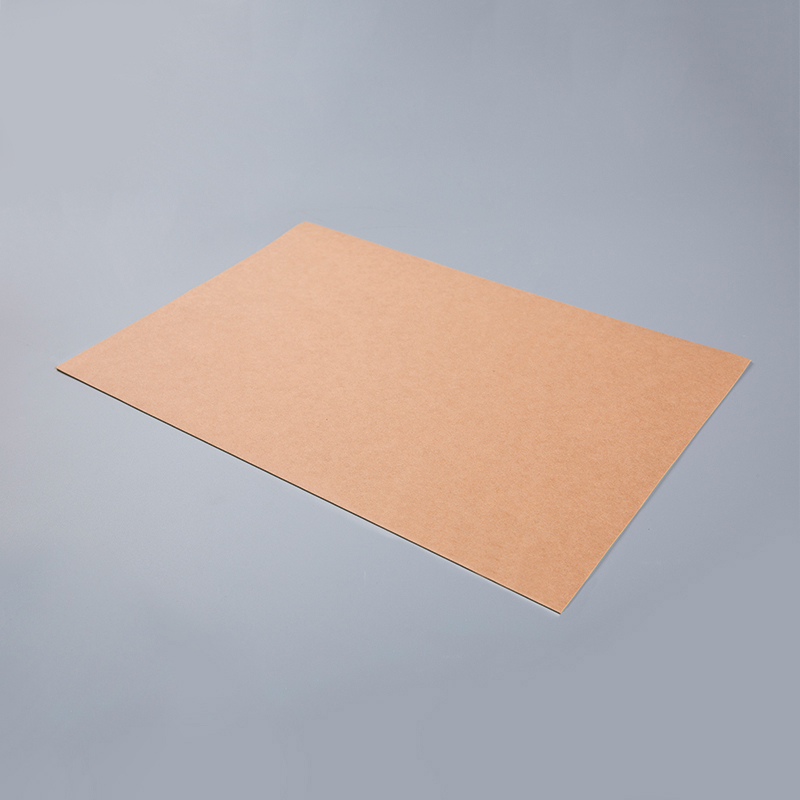
Sustainability is a major focus for wine producers and packaging designers in 2026. Recycled paper and FSC-certified papers are widely adopted to reduce environmental impact. Additionally, biodegradable synthetic films and water-based adhesives are gaining traction, offering durable labeling solutions without compromising eco-credentials. These materials provide a balance between quality, longevity, and environmental responsibility.
- Recycled paper labels with natural texture for premium and boutique wines
- Biodegradable synthetic films for resistance to moisture and handling
- Water-based adhesives reducing chemical impact while maintaining adhesion

Innovations in Textured and Specialty Paper
Textured papers remain a top trend in 2026, enhancing tactile appeal and brand recognition. Embossed or patterned papers add sophistication, while metallic finishes and soft-touch coatings create a premium feel. Specialty papers allow winemakers to differentiate their products visually and physically, enhancing the shelf presence and consumer experience.
Advancements in Synthetic Label Materials
Synthetic materials are increasingly popular for their durability and resistance to moisture, temperature changes, and handling. Polypropylene and PET films, often with matte, gloss, or textured finishes, provide longer-lasting labels suitable for chilled or wet environments. These materials also support high-quality digital printing and metallic foiling, offering both functional and aesthetic advantages.
Smart and Interactive Label Options
Digital and smart labeling is emerging as a trend in 2026. QR codes, NFC-enabled labels, and augmented reality features are integrated with traditional materials to provide interactive experiences for consumers. This approach allows wineries to communicate stories, tasting notes, and promotions directly through the label, merging material innovation with technology.
Durability and Functional Performance
In addition to aesthetics and sustainability, label performance under practical conditions is critical. Labels must withstand refrigeration, condensation, and handling during transport or service. Material advancements in coatings, adhesives, and synthetic films ensure labels maintain adhesion and appearance without smudging, curling, or fading.
| Material Type | Key Features | Applications |
| Recycled Paper | Eco-friendly, textured, matte finish | Premium, boutique wines |
| Synthetic Films | Durable, moisture-resistant, supports metallic and digital printing | Chilled wines, high-handling environments |
| Textured & Specialty Paper | Embossed, patterned, soft-touch coatings | Luxury wines, brand differentiation |
| Smart/Interactive Labels | QR/NFC integration, AR features, digital interactivity | Marketing campaigns, consumer engagement |
Conclusion: Material Innovation Driving Consumer Experience
The latest trends in wine label materials for 2026 highlight a shift towards sustainability, durability, tactile appeal, and digital interactivity. By selecting materials that combine these features, wineries can enhance brand identity, improve consumer engagement, and ensure practical performance. Understanding and leveraging these material innovations allows producers to stand out in an increasingly competitive market while meeting evolving consumer expectations.