
 English
 Español
 русский
 Français
 عربى
عربىContent
- 1 What Is Synthetic Paper and How Does It Differ From Conventional Paper?
- 2 Manufacturing Process: From Polymer Resin to Finished Sheet
- 3 Key Properties That Define Synthetic Paper's Performance Advantages
- 4 Labels and Packaging: The Largest Commercial Application
- 5 Security Documents, Maps, and Outdoor Print Applications
- 6 Hospitality, Retail, and Consumer Applications
- 7 Sustainability Considerations and the Future of Synthetic Paper
What Is Synthetic Paper and How Does It Differ From Conventional Paper?
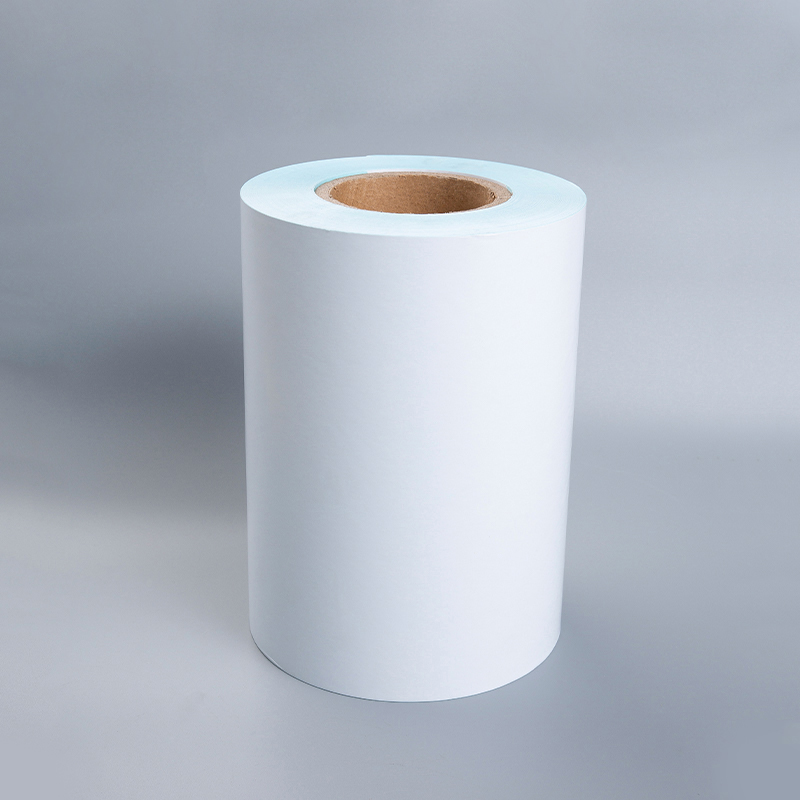
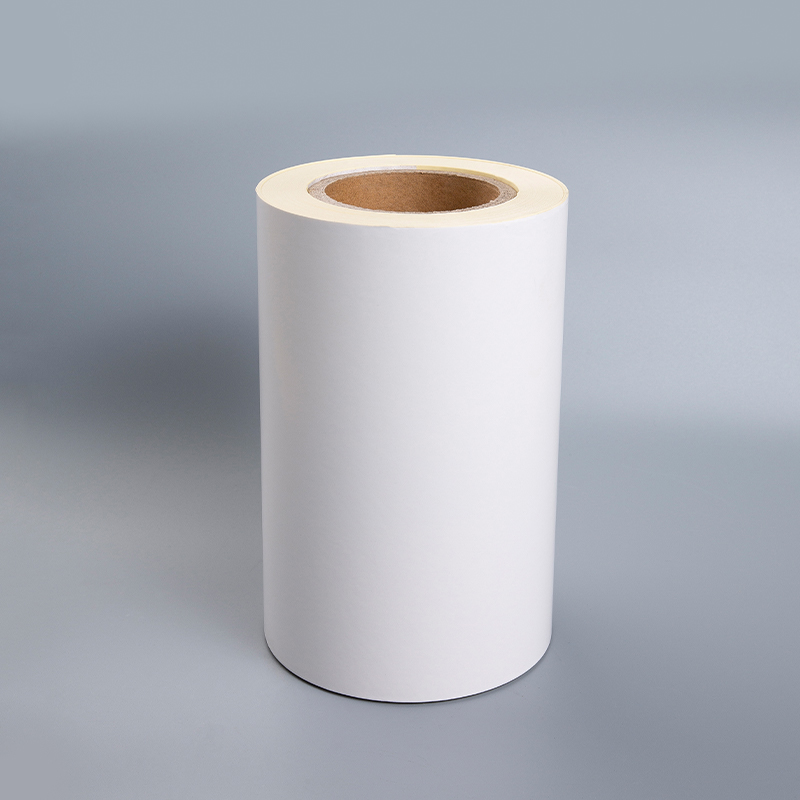
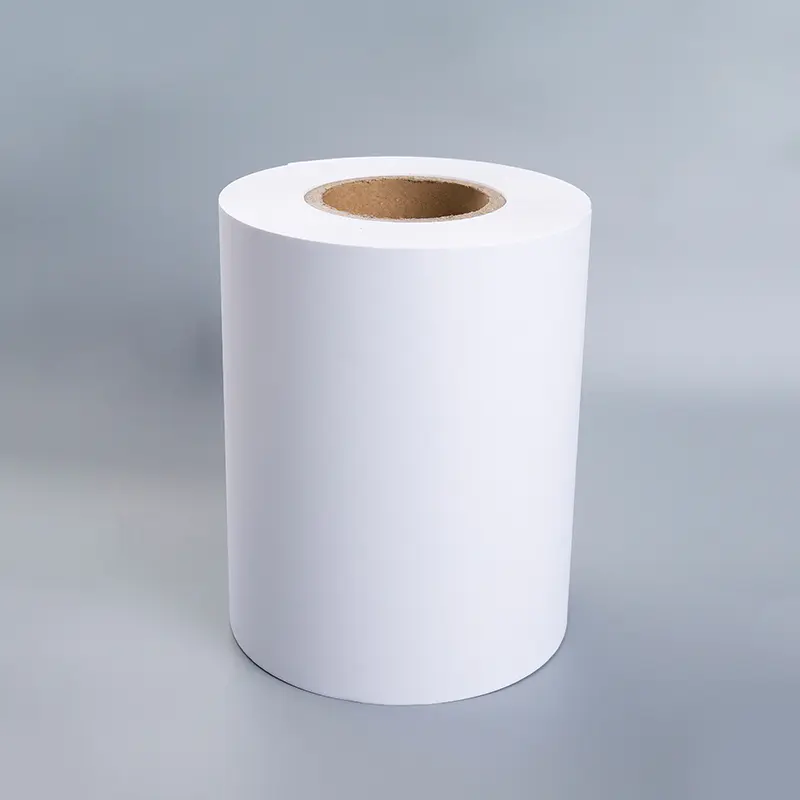
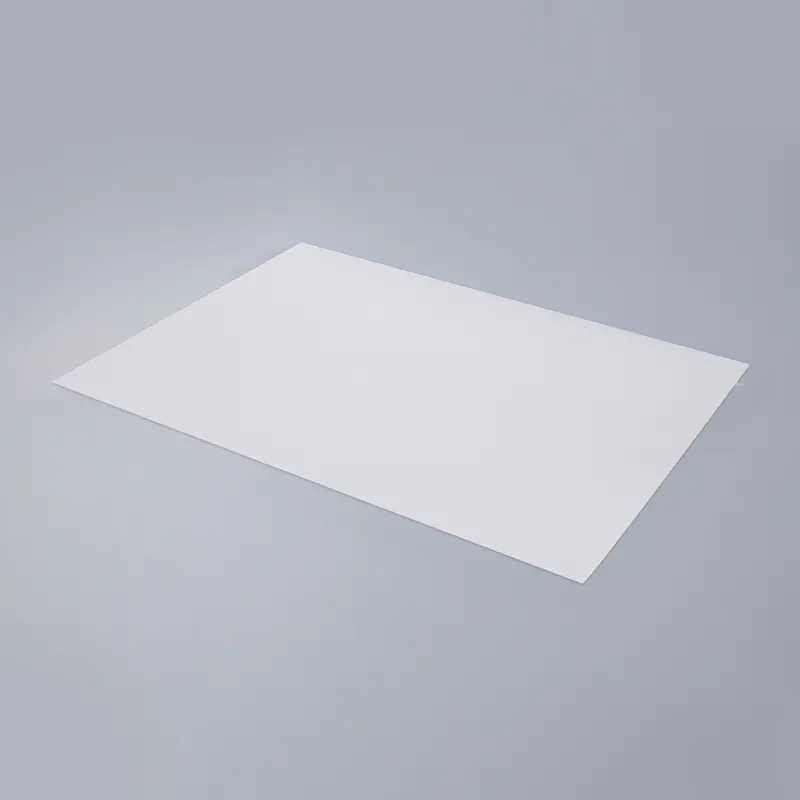
Synthetic paper is a plastic-based sheet material engineered to combine the surface printability and handling characteristics of traditional cellulose paper with the mechanical durability, moisture resistance, and dimensional stability of polymer films. Unlike conventional paper, which is manufactured from wood pulp fibres bonded together through hydrogen bonding during the papermaking process, synthetic paper is produced primarily from thermoplastic polymers — most commonly biaxially oriented polypropylene (BOPP) or high-density polyethylene (HDPE) — that are processed into sheet form through extrusion and orientation technologies borrowed from the plastics film industry.
The defining innovation in synthetic paper is the creation of a micro-voided or surface-treated structure that gives the inherently smooth polymer substrate the opacity, whiteness, and ink receptivity that printing processes require. Without this structural modification, a plain polypropylene film would be translucent, glossy, and incompatible with most printing inks. Through biaxial stretching — drawing the extruded sheet in both the machine direction and cross-machine direction — microscopic voids form around calcium carbonate or barium sulphate filler particles within the polymer matrix, creating a white, opaque, paper-like appearance while retaining the polymer backbone's inherent toughness. The result is a material that looks and prints like paper but performs like plastic in the environments where conventional paper fails.
Manufacturing Process: From Polymer Resin to Finished Sheet
The production of synthetic paper involves several precisely controlled manufacturing steps that determine the final material's structure, optical properties, surface characteristics, and mechanical performance. Understanding this process clarifies why synthetic paper achieves its unique combination of properties.
Compounding and Extrusion
The process begins with compounding — blending the base polymer resin (typically polypropylene homopolymer or HDPE) with inorganic filler particles, processing stabilisers, antioxidants, and optical brightening agents. Calcium carbonate (CaCO₃) is the most widely used filler, added at loadings of 20 to 50 percent by weight. The filler serves two purposes: it acts as a nucleating site for void formation during subsequent orientation and contributes whiteness and opacity to the finished sheet. The compounded blend is melted and extruded through a flat die into a primary sheet, which is then rapidly quenched on a chill roll to produce an amorphous, unoriented precursor sheet.
Biaxial Orientation and Void Formation
The quenched primary sheet is reheated to the orientation temperature — above the polymer's glass transition but below its melting point — and stretched sequentially or simultaneously in both machine direction (MD) and transverse direction (TD), typically to stretch ratios of 4:1 to 6:1 in each direction. As the polymer matrix is drawn, the incompatible filler particles debond from the polymer and act as void initiation sites — microscopic lens-shaped voids form around each filler particle and grow as stretching continues. These voids scatter light, transforming the transparent polymer into an opaque white sheet. The biaxial orientation also aligns polymer chains in both directions, producing the balanced tensile strength, stiffness, and dimensional stability that are characteristic of BOPP-based synthetic paper.
Surface Treatment and Coating
Biaxially oriented polypropylene has a low surface energy (approximately 30 mN/m) that makes it inherently incompatible with water-based inks and adhesives. Surface treatment — corona discharge, flame treatment, or application of a functional primer coating — raises the surface energy to 38 to 44 mN/m, enabling acceptable ink wetting and adhesion for offset, flexographic, digital inkjet, and UV-curable printing processes. Many synthetic paper grades use co-extruded skin layers with chemically modified surface chemistry to provide receptivity for specific ink systems without requiring a separate primer application step.
Key Properties That Define Synthetic Paper's Performance Advantages
The material properties of synthetic paper follow directly from its plastic polymer structure and oriented micro-voided morphology. These properties collectively explain why synthetic paper is specified in applications where conventional cellulose paper consistently underperforms.
| Property | Synthetic Paper (BOPP-based) | Conventional Cellulose Paper |
|---|---|---|
| Tear Resistance | Very high — does not tear by hand | Low — tears readily |
| Water Resistance | Excellent — unaffected by immersion | Poor — weakens and distorts when wet |
| Density / Weight | 0.6–0.85 g/cm³ (voided grades) | 0.7–1.2 g/cm³ |
| Dimensional Stability | Excellent — no humidity-driven expansion | Poor — expands and contracts with humidity |
| Chemical Resistance | Good (acids, alkalis, oils) | Poor — degrades in most chemicals |
| Printability | Excellent with surface treatment | Excellent (inherent) |
| Recyclability | Recyclable (PP or PE stream) | Recyclable (paper stream) |
Lightweight with High Strength-to-Weight Ratio
The micro-voided structure of biaxially oriented synthetic paper creates a density significantly below that of a solid polymer film of equivalent thickness. Commercially available synthetic paper grades have densities ranging from 0.60 to 0.85 g/cm³ — substantially lower than unvoided polypropylene (0.91 g/cm³) and comparable to or lighter than many conventional paper grades at equivalent caliper. This low density translates directly into lower basis weight per unit area, which reduces shipping costs for large volume print jobs and makes synthetic paper-based products — maps, menus, identity documents, tags — noticeably lighter to handle than their cellulose equivalents at the same physical thickness.
Tear Resistance and Durability
The continuous polymer matrix of synthetic paper, reinforced by biaxial molecular orientation, resists crack propagation in a fundamentally different way from cellulose paper, where tear initiates easily along fibre boundaries. Standard BOPP synthetic paper grades resist hand tearing entirely — a property that conventional paper cannot replicate. Elmendorf tear resistance values for synthetic paper are typically 10 to 50 times higher than equivalent basis weight cellulose paper. This tear resistance is maintained when the material is wet, which is a critical differentiator from paper, whose wet tensile strength is only 5 to 20 percent of its dry tensile strength. Synthetic paper retains essentially full mechanical properties after complete immersion in water.
Printability Across Multiple Processes
Properly surface-treated synthetic paper accepts inks from all major commercial printing processes — sheet-fed offset lithography, web offset, UV flexography, UV letterpress, screen printing, digital laser (with specific grades), and aqueous and UV inkjet. The uniformly smooth, micro-voided surface provides consistent ink lay-down without the surface porosity variation that creates mottle and dot gain inconsistency on conventional paper. The dimensional stability of synthetic paper under press room humidity variations eliminates the misregistration problems that humidity-induced paper distortion causes in multi-colour offset printing of high-precision work such as security documents and technical maps.
Labels and Packaging: The Largest Commercial Application
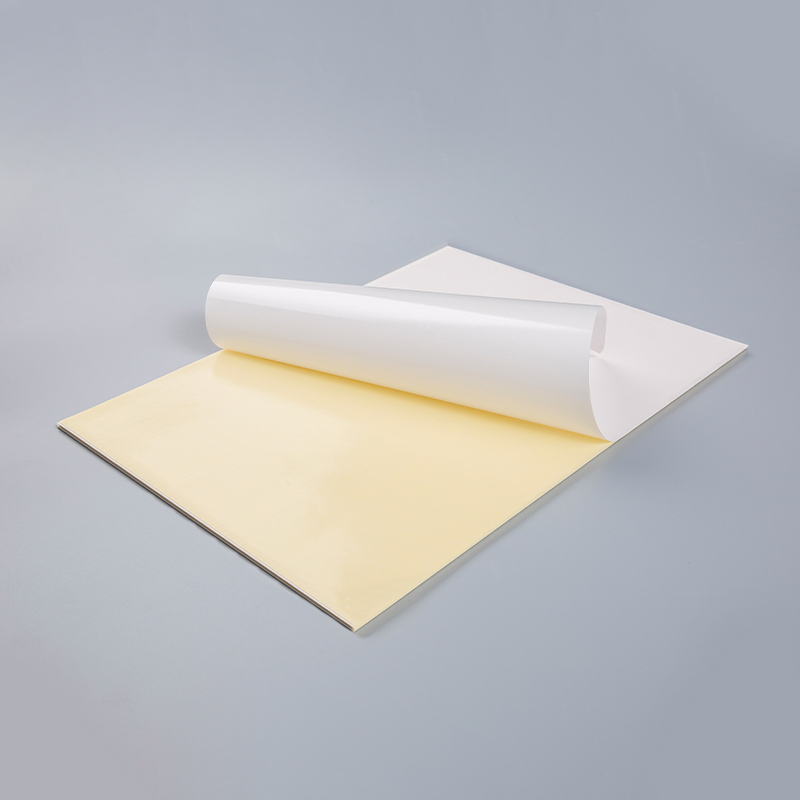
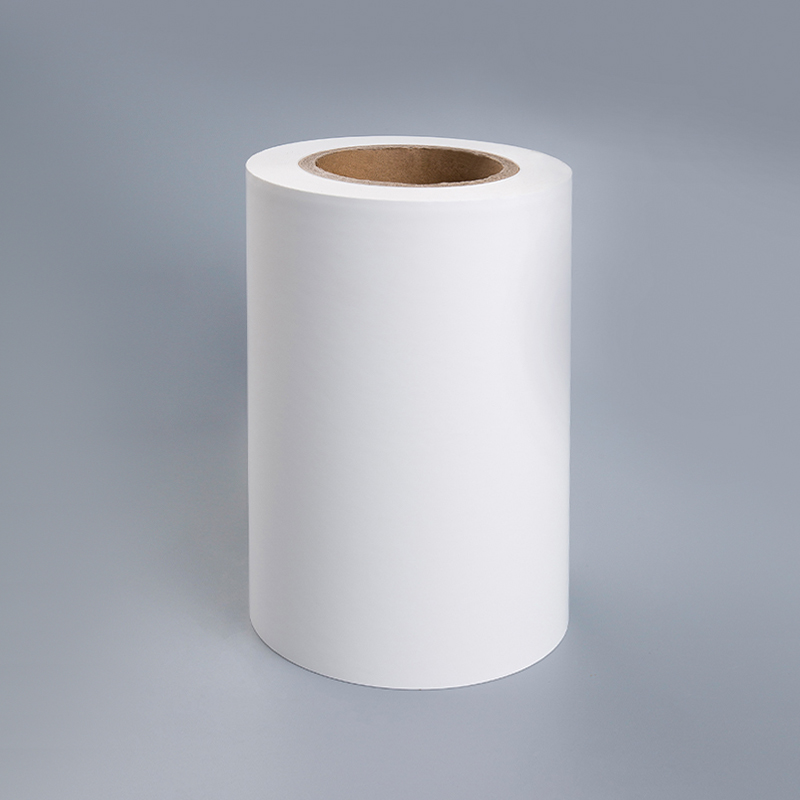
Pressure-sensitive label stock is the single largest end-use market for synthetic paper globally. The combination of tear resistance, water resistance, dimensional stability, and excellent printability makes BOPP and HDPE synthetic paper face stocks ideally suited to labels that will be applied to containers in cold chain environments, exposed to moisture in refrigerated display cases, subjected to chemical cleaning agents in industrial environments, or required to remain legible and adherent throughout the full service life of a durable product.
Wine and beverage label applications are a particularly well-established segment. A paper label on a wine bottle submerged in an ice bucket typically becomes translucent, wrinkled, and partially delaminated within minutes. A synthetic paper label on the same bottle remains flat, opaque, and fully printed throughout prolonged ice bucket exposure — a tangible quality differentiation that premium beverage brands use as a visible signal of product quality. Similarly, shampoo and personal care product labels applied to bottles used in shower environments benefit from the complete water resistance of synthetic paper face stocks.
In industrial labelling, synthetic paper is used for asset tags, equipment identification plates, chemical drum labels, and outdoor equipment marking where the label must survive years of outdoor exposure, chemical splash, or physical abrasion that would destroy conventional paper labels within months.
Security Documents, Maps, and Outdoor Print Applications
Security and identity documents represent a high-value application segment where synthetic paper's combination of durability, dimensional stability, and printability aligns precisely with demanding end-use requirements. Banknotes in many countries incorporate polymer substrate technology based on BOPP principles — the Australian polymer banknote, introduced in 1988 and now adopted by over 30 countries, is the most prominent example of polymer-substrate currency that resists counterfeiting through substrate security features while lasting approximately four times longer in circulation than paper banknotes.
Maps and field documents printed on synthetic paper provide consistent legibility in outdoor, marine, military, and emergency response applications where conventional paper maps become illegible within minutes of rain exposure. Topographic maps, nautical charts, trail maps for outdoor recreation, and field operations documentation for military and humanitarian organisations are routinely produced on synthetic paper precisely because operational environments do not accommodate the fragility of conventional paper. The material can be folded and refolded without tearing along fold lines — a failure mode that commonly destroys paper maps after repeated use in the field.
Hospitality, Retail, and Consumer Applications
The hospitality industry has become a significant consumer of synthetic paper for menus, table cards, wristbands, and outdoor signage. Restaurant menus printed on synthetic paper withstand repeated handling, food and liquid spills, and sanitising wipe-down with disinfectant solutions — a hygiene requirement that became commercially significant during and after the COVID-19 pandemic, when frequent disinfection of high-contact surfaces became standard practice. Synthetic paper menus that can be wiped clean and reused eliminate both the hygiene risk of fabric or laminated menus and the operational cost of disposable paper menus replaced after each use.
- Retail swing tags and hang tags — synthetic paper tags on clothing and consumer products resist tearing during handling and remain legible through the retail supply chain from factory to consumer, eliminating the damaged or illegible tags that paper versions commonly produce.
- Event wristbands — tyvek (HDPE synthetic paper) wristbands are the global standard for event access control, providing tear-resistance, water resistance, and printability in a lightweight one-time-use format that cannot be transferred between individuals once applied.
- Outdoor advertising substrates — synthetic paper used for outdoor posters, construction site hoardings, and banner displays provides weather resistance and dimensional stability that prevents the curling, tearing, and ink degradation that conventional paper substrates exhibit in outdoor environments.
- Seed packets and horticultural labels — greenhouse and garden centre plant tags, seed envelopes, and stake labels benefit from synthetic paper's resistance to irrigation water, soil contact, fertiliser solutions, and UV degradation — all conditions that destroy conventional paper labels within weeks.
Sustainability Considerations and the Future of Synthetic Paper
The environmental positioning of synthetic paper is nuanced and requires careful comparison with conventional paper rather than superficial assessment. Conventional paper production requires significant volumes of water, chemicals, and energy — kraft pulp mills are large industrial facilities with substantial environmental footprints. Synthetic paper production from polypropylene or HDPE consumes less water, generates less process effluent, and produces a product that lasts significantly longer in use — meaning fewer units must be produced and disposed of over the service life of an application.
Polypropylene-based synthetic paper is technically recyclable within the PP polymer recycling stream, and HDPE-based grades are similarly recyclable. However, recovery rates in practice depend on collection infrastructure and the compatibility of synthetic paper with existing paper recycling streams — synthetic paper must be segregated from cellulose paper at the recycling stage, as it contaminates the papermaking furnish if mixed in. This sorting requirement is the primary practical challenge for end-of-life recycling of synthetic paper in mixed-waste collection systems.
The development of bio-based synthetic papers — using polylactic acid (PLA) or other bio-derived polymers as the base resin rather than petroleum-derived PP or HDPE — is an active area of materials development that addresses the renewable resource argument for conventional paper. PLA-based synthetic paper grades with compostability certification are commercially available, though they currently command significant price premiums over conventional synthetic paper and present processing limitations in high-temperature printing applications. As bio-polymer production scales and costs reduce, bio-based synthetic paper is expected to capture a growing share of the overall synthetic paper market, particularly in applications where end-of-life compostability is a genuine operational requirement rather than a marketing claim.