
 English
 Español
 русский
 Français
 عربى
عربى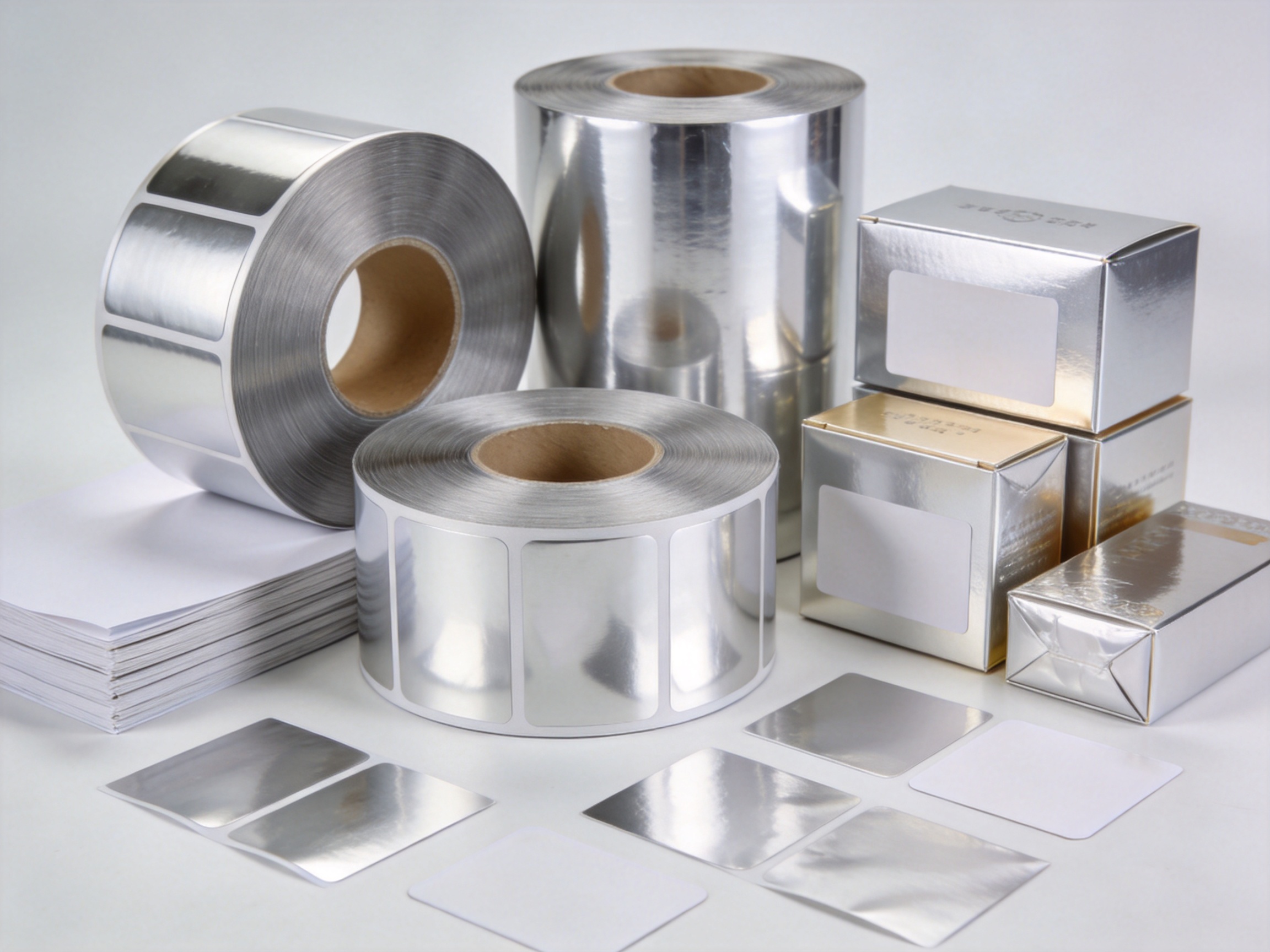
Content
- 1 Introduction: A Premium Label Material for Demanding Markets
- 2 Product Overview
- 3 Core Material Structure
- 4 Technical Specification Table
- 5 Advantages Over Ordinary Paper Labels
- 6 Advantages Over Conventional Film Labels
- 7 Dimensional Stability and Long-Term Appearance
- 8 Adhesive Options for Different Applications
- 9 Liner Selection and Converting Performance
- 10 Printing and Decoration Potential
- 11 Application Areas
- 12 Manufacturing Strengths Behind the Material
- 13 Advanced Coating and Gluing Process
- 14 Laminating Precision and Material Consistency
- 15 Cutting, Slitting, and Sheeting Capabilities
- 16 Quality Inspection and Testing Laboratory
- 17 OEM and ODM Customization
- 18 Sustainability and Environmental Responsibility
- 19 Packaging and Delivery Advantages
- 20 Why This Material Stands Out in Competitive Markets
- 21 Practical Selection Guidelines
- 22 Recommended Storage and Handling Practices
- 23 Quality Values and Customer Support
- 24 Frequently Asked Questions
- 24.1 Q1: What is silver aluminum foil paper mainly used for?
- 24.2 Q2: What makes this material different from ordinary paper labels?
- 24.3 Q3: Is the surface glossy or matt?
- 24.4 Q4: What adhesive is normally used?
- 24.5 Q5: Can the label be used in cold environments?
- 24.6 Q6: What liner options are available?
- 24.7 Q7: Can the product be supplied in sheets?
- 24.8 Q8: Can the product be supplied in jumbo rolls?
- 24.9 Q9: Is customization available for special applications?
- 24.10 Q10: Why is manufacturing capability important when buying this material?
- 24.11 Q11: How is the product packed for delivery?
- 24.12 Q12: What industries benefit most from this material?
- 25 Conclusion
- 26 References
Introduction: A Premium Label Material for Demanding Markets
Silver aluminum foil paper is a high-grade self-adhesive label material designed for applications where appearance, stability, durability, and product presentation are all important. It combines a metallic silver surface with adhesive and liner structures that can be selected according to processing, labeling, storage, and end-use requirements. Compared with ordinary paper labels or simple film labels, silver aluminum foil paper provides a distinctive premium look while maintaining reliable dimensional stability after application.
In modern packaging and product identification, labels are no longer only carriers of basic information. They also communicate quality, authenticity, shelf value, and brand positioning. For medicine, food, cultural goods, cosmetics, gifts, specialty products, and high-grade information labels, a label material must remain flat, attractive, and readable throughout distribution and use. Silver aluminum foil paper addresses these needs with a metallic face material that resists common appearance problems such as warping, curling, deformation, and loss of visual impact.
The product is especially suitable for situations where conventional paper may absorb moisture, deform, or lose its premium appearance, and where ordinary film may not provide the same refined metallic texture. With available adhesive options such as water-based adhesive, hotmelt adhesive, solvent adhesive, anti-freeze adhesive, removable adhesive, cryogenic adhesive, and tyre-grade rubber adhesive, the material can be adapted to a wide range of label manufacturing and end-use scenarios.
Supported by advanced coating, laminating, slitting, sheeting, inspection, and customization capabilities, this silver aluminum foil paper is positioned as a reliable choice for converters, printers, label manufacturers, packaging companies, and end users requiring consistent performance. The material is available in jumbo roll widths, standard sheet sizes, and customized sheet formats, offering flexibility for both industrial production and specialized label applications.
Product Overview
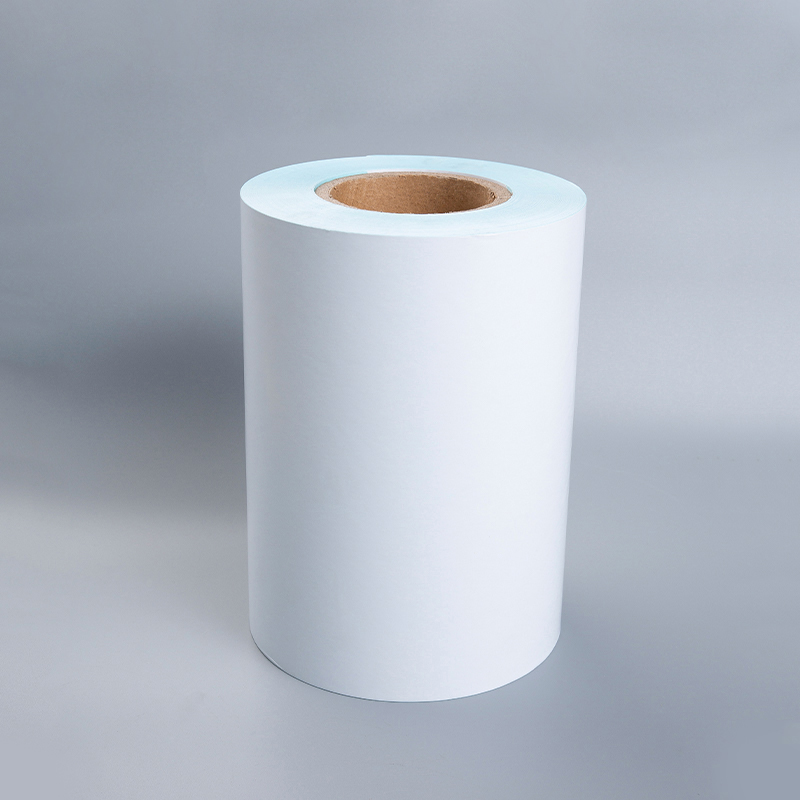
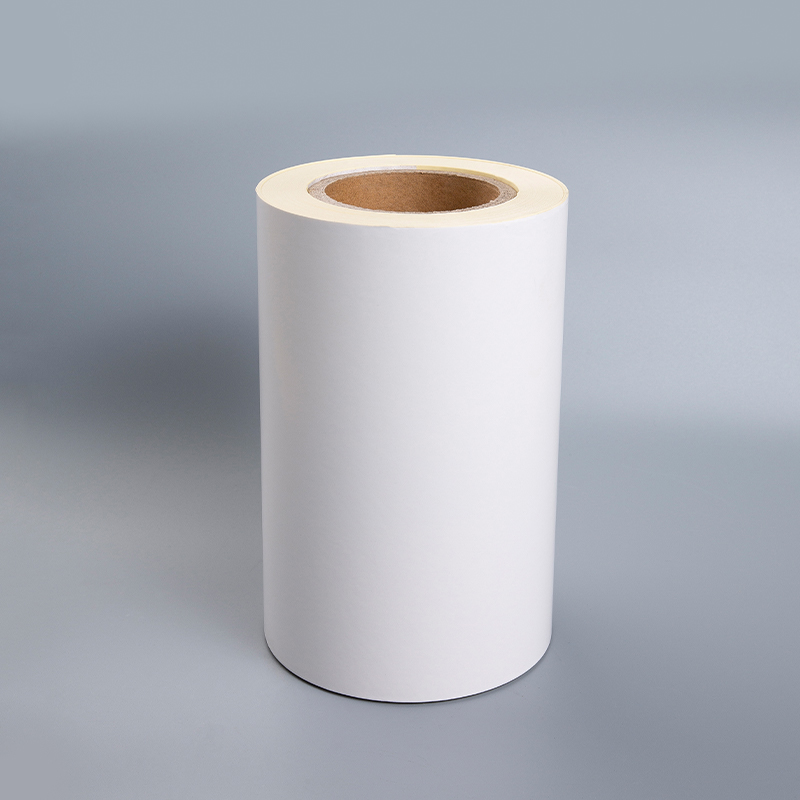
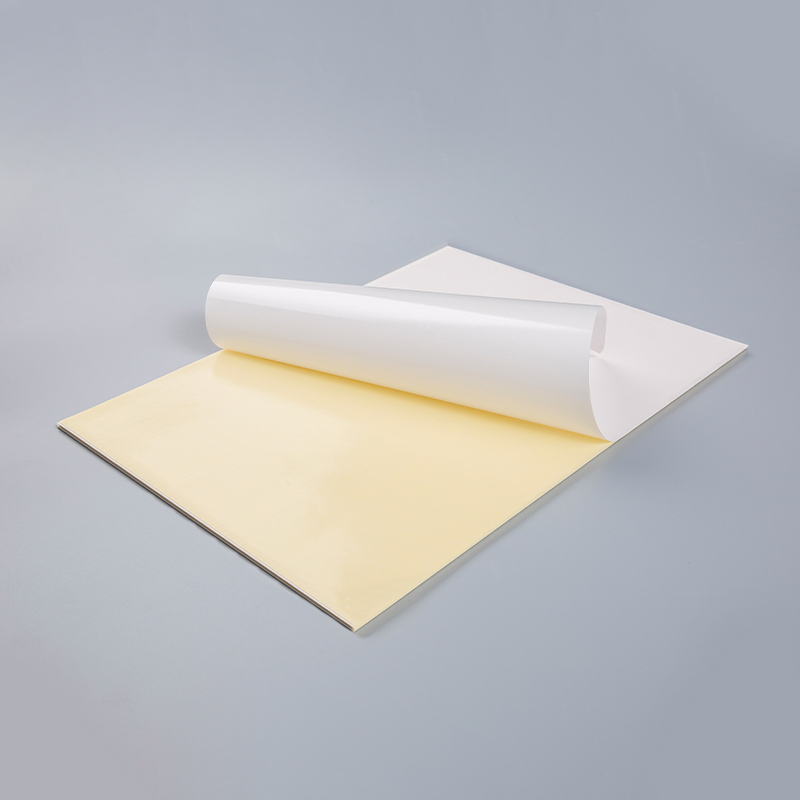
Silver aluminum foil paper is a self-adhesive label material based on matt silver aluminum foil paper. A typical structure includes an 80gsm matt silver aluminum foil paper face material, an adhesive layer, and a release liner. The liner may be selected from glassine paper, release paper, art paper, CCK liner, or transparent PET liner according to converting requirements, die-cutting performance, labeling speed, and customer preference.
The metallic silver surface gives the label a refined, modern, and high-value appearance. The matt finish helps avoid excessive glare while retaining a premium metallic impression. This balance is useful for high-grade labels that need to look elegant, readable, and professional under different lighting conditions. The material can be used for information labels, decorative labels, promotional labels, package identification labels, and other specialty self-adhesive applications.
One of the key advantages of the material is that, after pasting, the label is not easily affected by ambient temperature and humidity. This means the label can maintain flatness and avoid long-term warping or deformation. This characteristic is particularly valuable for applications where product packaging may pass through different storage, transport, or retail environments.
In many markets, labels must perform reliably from production to shelf display and finally to consumer use. A label that curls, lifts at the edges, wrinkles, or deforms can reduce perceived product quality and create operational problems. Silver aluminum foil paper helps prevent these issues by offering a stable label surface and a construction that can be adjusted through suitable adhesive and liner combinations.
Core Material Structure
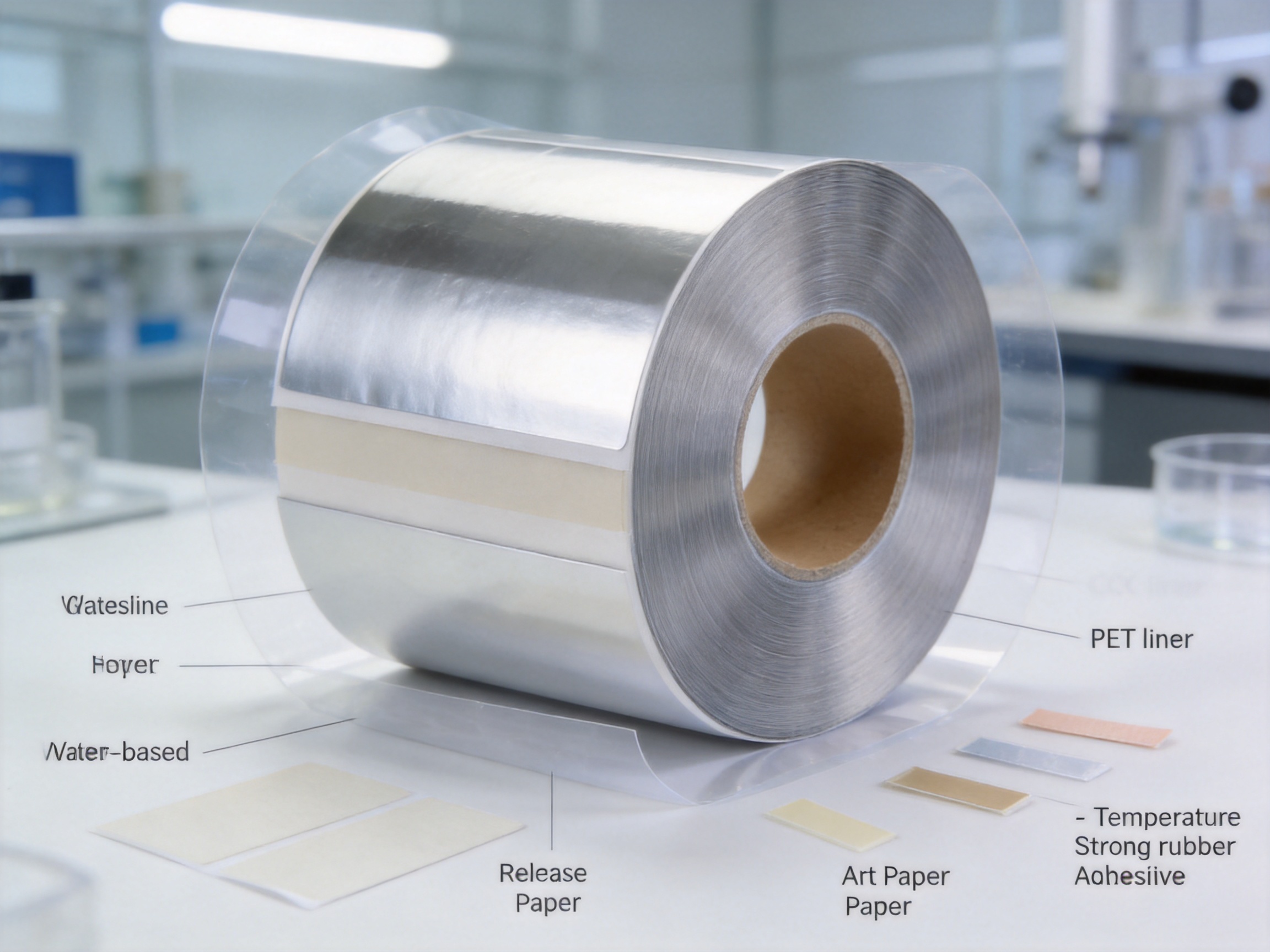
The performance of silver aluminum foil paper depends on the interaction of its face material, adhesive, and liner. Each layer contributes to the final behavior of the label during printing, converting, storage, application, and service life.
Face Material
The main face material is 80gsm matt silver aluminum foil paper, with 90 micron and 100 micron options available. The aluminum foil paper face provides the metallic appearance and contributes to dimensional stability. The matt silver surface is suitable for labels that require elegance rather than a mirror-like shine. It supports a premium visual identity while helping maintain readability of printed information.
Adhesive Layer
The standard adhesive is water-based adhesive, which is widely used for self-adhesive label materials due to its balanced bonding performance and processing suitability. Additional adhesive options include hotmelt adhesive, solvent adhesive, anti-freeze adhesive, removable adhesive, cryogenic adhesive, and tyre-grade rubber adhesive. This range allows customers to select the right adhesive for different substrates, temperatures, removability requirements, and special environments.
Release Liner
The standard liner is 60g white glassine paper. Other liner choices include 50g, 80g, 100g, and 120g glassine paper; 60g, 85g, 120g, and 140g release paper; 140g and 165g art paper; 50g, 80g, 90g, and 120g CCK liner; and 25 micron, 36 micron, 50 micron, and 100 micron transparent PET liner. These choices support various requirements for die-cutting, automatic labeling, sheet-fed printing, transparency, stiffness, and release control.
Technical Specification Table
| Item | Specification | Available Options |
|---|---|---|
| Face Material | 80gsm matt silver aluminum foil paper | 90 micron and 100 micron options available |
| Adhesive | Water-based adhesive | Hotmelt, solvent, anti-freeze, removable, cryogenic, and tyre-grade rubber adhesive available |
| Standard Liner | 60g white glassine paper | Multiple paper and film liner options available |
| Glassine Liner | White glassine paper | 50g, 80g, 100g, and 120g available |
| Release Paper | Silicone release paper | 60g, 85g, 120g, and 140g available |
| Art Paper Liner | Art paper backing | 140g and 165g available |
| CCK Liner | Clay-coated kraft liner | 50g, 80g, 90g, and 120g available |
| PET Liner | Transparent PET liner | 25 micron, 36 micron, 50 micron, and 100 micron available |
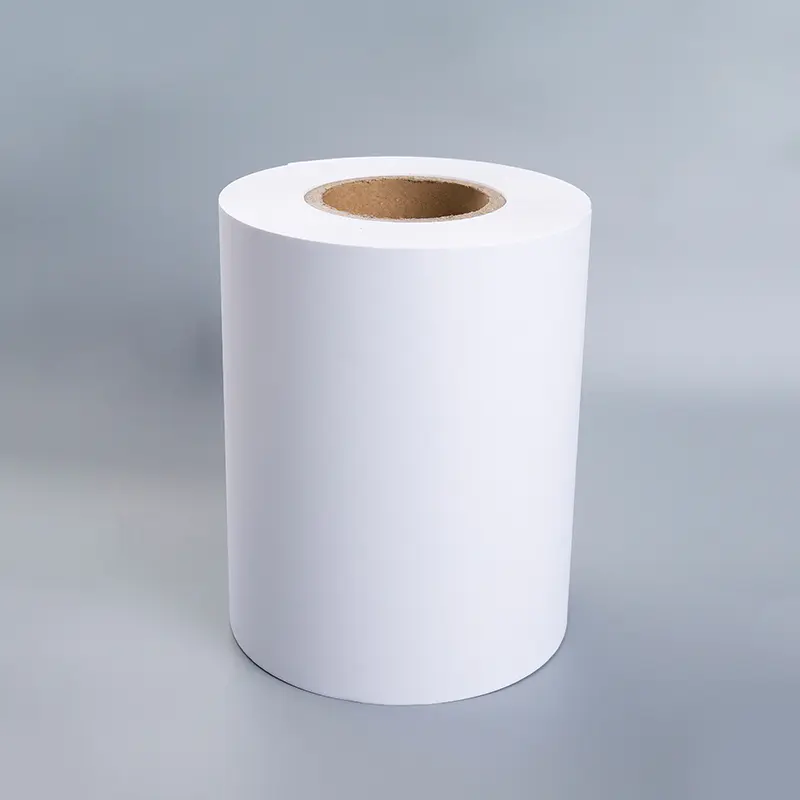
| Jumbo Roll Width | 1000mm, 1020mm, 1080mm, and 1530mm | Suitable for converting and slitting |
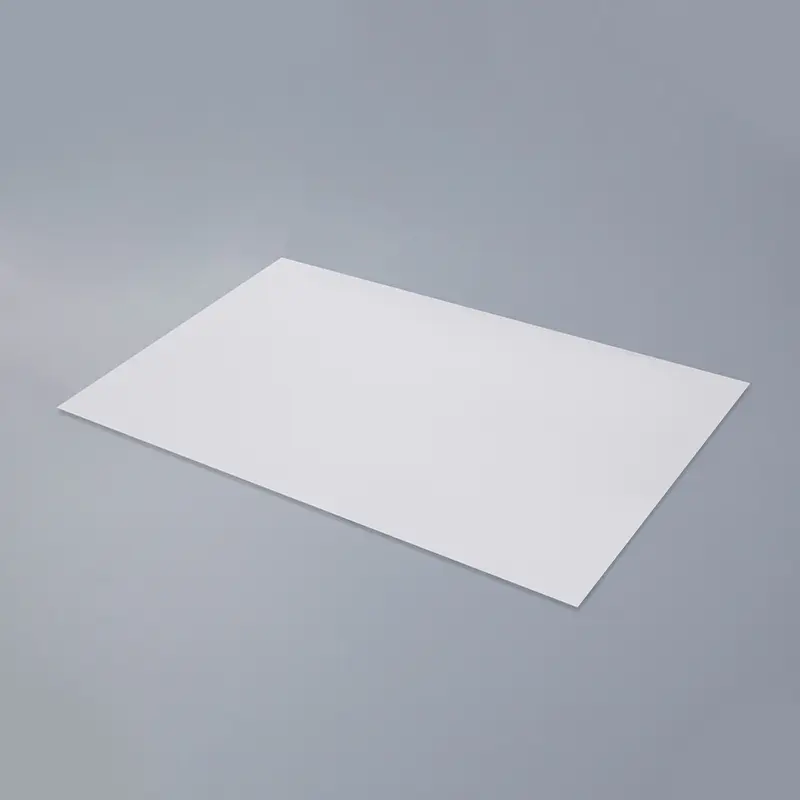
| Sheet Size | A4, A3, 20 x 30, 21 x 30, 24 x 36, 50cm x 70cm, and 70cm x 100cm | Customized sizes available |
| Packaging | Roll or sheet packing | Sea-transit-worthy poly-wood pallet packing and carton packing available |
Advantages Over Ordinary Paper Labels
Ordinary paper labels are widely used because they are economical and easy to process. However, in demanding applications, standard paper labels may face problems caused by humidity, temperature changes, storage conditions, and package surface characteristics. Paper can absorb moisture, expand, contract, curl, or lose flatness. These changes may lead to edge lifting, wrinkles, poor shelf appearance, or inconsistent labeling quality.
Silver aluminum foil paper offers a more stable and premium alternative. Its metallic surface gives immediate visual differentiation, and its structure helps reduce long-term warping or deformation after application. For products positioned in higher-value markets, the label must reinforce the product image. A basic paper label may communicate function, but a silver aluminum foil label can communicate quality, refinement, and attention to detail.
Another advantage is opacity. Aluminum foil paper can help cover the underlying package color or surface more effectively than many ordinary paper stocks. This is helpful when labels are applied to colorful packages, dark containers, or surfaces where the background could interfere with printed graphics. Better opacity can improve the consistency of the final label appearance across different packaging materials.
Silver aluminum foil paper also provides a stronger sense of texture. The matt metallic surface is suitable for labels that must be both eye-catching and elegant. In categories such as medicine, health products, food gifts, specialty beverages, stationery, cultural goods, and premium retail packaging, this visual quality can contribute to consumer trust and product differentiation.
Advantages Over Conventional Film Labels
Film labels, such as PP, PE, or PET labels, are often selected for durability, water resistance, and flexibility. However, film labels may not always provide the same metallic, paper-like premium character that some packaging designs require. Some films can appear too plastic, too glossy, or inconsistent with the intended luxury or specialty appearance. Silver aluminum foil paper bridges this gap by delivering a metallic presentation with a refined matt finish.
In addition, film labels can sometimes require special printing treatment to ensure ink adhesion, especially when the surface energy is low. While aluminum foil paper also requires appropriate printing and processing conditions, its structure can be selected to match the needs of label converters and printers. The availability of different liners and adhesive systems gives converters more flexibility in selecting the best construction for their equipment and applications.
Compared with some film labels, silver aluminum foil paper can also provide better visual depth and a more premium metallic look without relying only on metallic ink. Metallic inks may vary by printing process, ink deposit, and substrate absorption, while an actual metallic face material provides a more direct and consistent silver effect.
For products where shelf appeal matters, the difference is significant. A conventional transparent or white film label can be practical, but a silver aluminum foil paper label can make the product look more valuable. This is why metallic label materials are often used for higher-grade product identification, decorative packaging, limited-edition designs, and labels requiring a distinctive visual identity.
Dimensional Stability and Long-Term Appearance
One of the most important performance features of this silver aluminum foil paper is its ability to remain stable after application. The label is designed so that it is not easily affected by ambient temperature and humidity. This helps prevent warping and deformation over time, which is particularly important for products that remain on shelves or in storage for extended periods.
Dimensional stability affects not only appearance but also function. A label that stays flat helps maintain barcode readability, product information clarity, and overall package integrity. In industries such as medicine and food, information labels may include dosage, ingredients, safety details, batch numbers, expiration dates, storage instructions, or regulatory statements. If the label curls, wrinkles, or lifts, important information may become difficult to read.
For cultural goods and premium consumer products, flatness is part of the product experience. A warped label may make even a high-quality product appear poorly packaged. Silver aluminum foil paper helps protect the intended appearance by maintaining shape and surface quality under normal environmental variations.
This performance advantage is especially useful in distribution chains that include changing humidity, different climates, warehouse storage, sea transport, retail display, and consumer handling. A material that can better tolerate these conditions can reduce complaints, waste, relabeling costs, and package rejection.
Adhesive Options for Different Applications
The adhesive system is central to label performance. Different products, package surfaces, temperatures, and service conditions require different bonding behavior. A single adhesive cannot satisfy all applications, which is why the availability of multiple adhesive types is a major advantage.
Water-Based Adhesive
Water-based adhesive is a common and practical choice for many label applications. It offers balanced tack, bonding, and processing performance. It is suitable for general self-adhesive labels where stable adhesion and good converting behavior are required.
Hotmelt Adhesive
Hotmelt adhesive is often selected when strong initial tack is needed. It can be useful for surfaces that require quick bonding during high-speed labeling. This adhesive type may be suitable for packaging lines where labels must adhere immediately after application.
Solvent Adhesive
Solvent adhesive can offer strong bonding and resistance in selected demanding environments. It may be chosen for applications requiring higher adhesive strength, chemical resistance, or difficult surface adhesion, depending on the specific formulation.
Anti-Freeze and Cryogenic Adhesives
Anti-freeze and cryogenic adhesives are designed for low-temperature performance. These options are important for refrigerated, frozen, cold-chain, or special industrial applications. Labels used in cold environments must remain attached even when ordinary adhesives may harden, lose tack, or fail.
Removable Adhesive
Removable adhesive is useful when labels need to be removed without heavy residue or surface damage. This can be important for temporary identification, promotional labels, reusable containers, or products requiring clean label removal.
Tyre-Grade Rubber Adhesive
Tyre-grade rubber adhesive is designed for difficult surfaces and demanding bonding conditions. Tyre labeling is a specialized field because tyre surfaces are textured, curved, and challenging for ordinary adhesives. Availability of this adhesive option demonstrates the material supplier’s ability to support special-purpose labeling needs.
Liner Selection and Converting Performance
The release liner supports the label material before application and plays a major role in printing, die-cutting, stripping, dispensing, and automatic labeling. A suitable liner can improve production efficiency, reduce waste, and support consistent release performance.
White glassine paper is a standard liner because it offers smoothness, good caliper control, and reliable die-cutting behavior. It is suitable for many roll label applications and high-speed converting processes. Different glassine weights allow customers to adjust stiffness, release behavior, and cost according to production needs.
Release paper options provide additional flexibility for sheeted labels, specialty labels, and applications requiring different backing strength. Art paper liners can provide higher stiffness and smoother handling in sheet-fed operations. CCK liners are valued for dimensional stability and lay-flat characteristics, making them useful for certain converting and printing applications.
Transparent PET liners are suitable when high strength, smoothness, transparency, and precise die-cutting performance are needed. PET liners can also support clear inspection during some processes and are often used for high-end label constructions. The availability of 25 micron to 100 micron transparent PET liner options allows converters to choose the right balance of thickness, strength, cost, and machine compatibility.
Competitors that offer only one or two liner choices may limit the converter’s process options. In contrast, a broad liner portfolio gives customers more control over converting efficiency and final application performance.
Printing and Decoration Potential
Silver aluminum foil paper provides a premium base for printed and decorative label designs. Its matt silver surface can be used to create elegant contrast with black, white, transparent, colored, or opaque inks. Designers can use the metallic background as part of the visual identity rather than covering the entire surface.
The material may be suitable for printing product names, logos, safety warnings, barcodes, QR codes, batch information, decorative borders, and high-grade patterns, depending on the printing technology and ink system used by the converter. It can support designs that combine metallic shine with readable text, making it valuable for premium product categories.
For high-end labels, decoration processes such as varnishing, laminating, embossing, or selective ink coverage may be considered by converters after testing. The matt silver effect can work well with minimal design, luxury packaging, technical product labels, medical information labels, or cultural goods labels that require a refined visual impression.
Because the face material itself provides the metallic effect, customers may reduce dependence on metallic ink coverage or separate foil stamping in certain designs. This can simplify design planning and improve consistency across production runs. However, each printing and finishing method should be validated with the selected adhesive and liner structure to ensure optimal results.
Application Areas
Silver aluminum foil paper is suitable for high-grade information labels in medicine, food, and cultural goods. It can also be used in other premium packaging and specialty label fields where metallic appearance and stable adhesion are required.
Medicine and Healthcare
Medical and healthcare products require labels that remain readable, clean, and firmly attached. Information may include dosage, batch codes, expiration dates, product names, safety instructions, and storage requirements. Silver aluminum foil paper can provide a professional appearance while helping maintain label flatness during storage and handling.
Food and Specialty Packaging
Food packaging often relies on strong shelf appeal. A silver metallic label can improve perceived quality and make products stand out in retail displays. The material can be used for specialty foods, gift foods, health foods, condiments, beverages, and other products where packaging appearance influences consumer choice.
Cultural Goods and Stationery
Cultural goods, stationery, books, gifts, and creative products benefit from labels that look refined and durable. The matt silver surface can match modern, artistic, or premium design concepts. Because the label resists deformation, it can maintain a neat appearance on products that may be displayed or stored for long periods.
Cosmetics and Personal Care
Although not limited to cosmetics, silver aluminum foil paper can be attractive for personal care labels, cosmetic boxes, perfume packaging, skincare products, and promotional packaging. Metallic labels are often associated with elegance, cleanliness, and premium positioning.
Industrial and Specialty Identification
With suitable adhesive selection, the material may also be used for industrial identification, equipment labels, durable information labels, or special-purpose tags. The exact construction should be selected according to the application surface, environmental exposure, and durability expectations.
Manufacturing Strengths Behind the Material
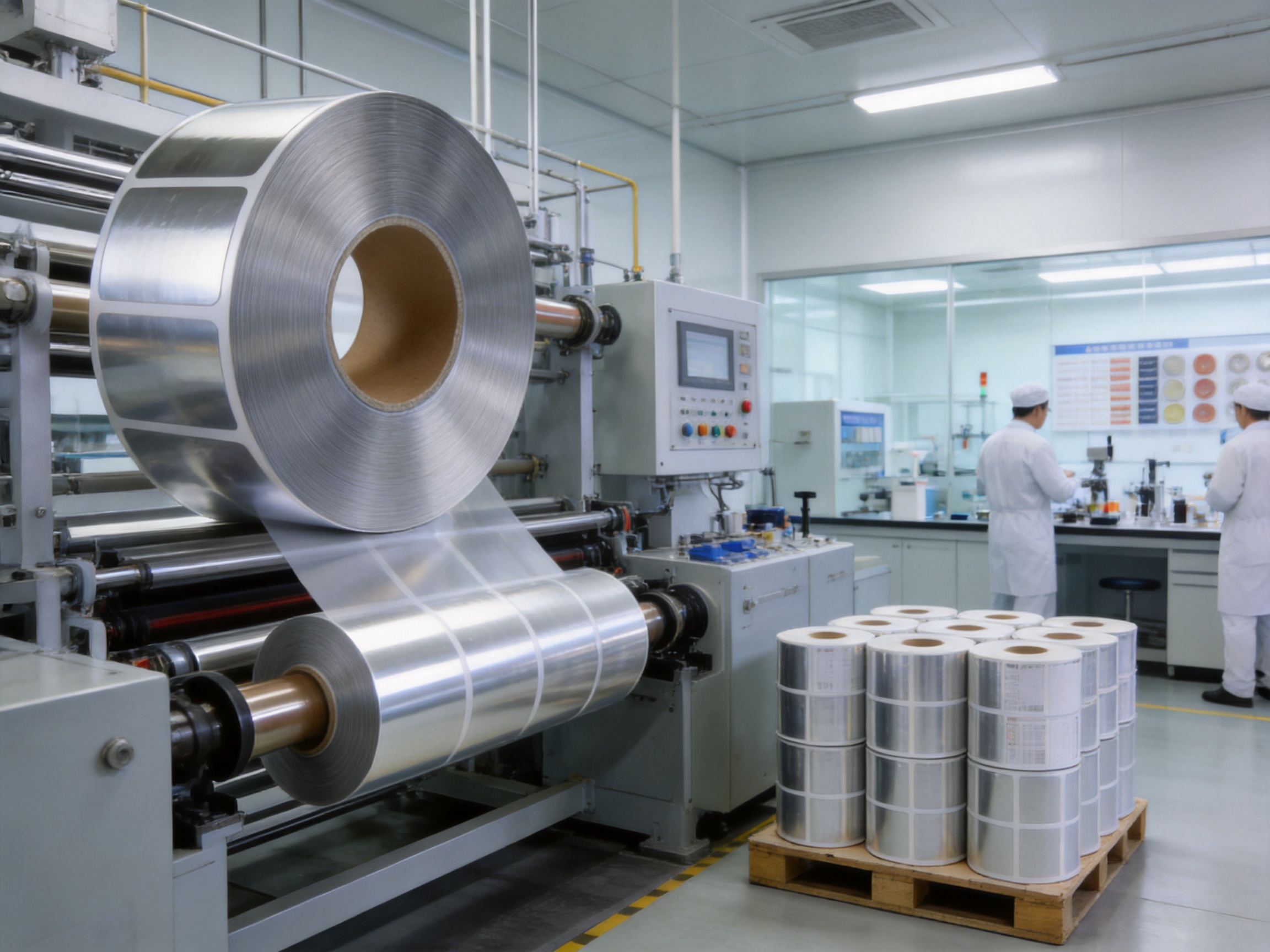
High-quality silver aluminum foil paper requires more than raw material selection. It depends on controlled manufacturing processes, coating consistency, laminating precision, liner matching, adhesive formulation, slitting accuracy, sheeting capability, and inspection discipline. A manufacturer with integrated production capabilities can control these factors more effectively than suppliers who rely heavily on outsourcing.
Suzhou Piaozhihua Composite Material Technology Co., Ltd. specializes in high-grade self-adhesive label materials and integrates research and development, production, sales, and after-sales services. Its production system includes gluing, laminating, and cutting lines, which support stable product quality from material construction to finished rolls or sheets.
The company has an annual production capacity of more than 280 million square meters, reflecting large-scale manufacturing ability and supply stability. For label converters and packaging companies, production capacity matters because reliable delivery is as important as material performance. A supplier must be able to support regular orders, urgent needs, customized specifications, and long-term cooperation.
With more than 20 years of OEM manufacturing experience, the company can offer customized solutions based on customer drawings, samples, performance requirements, and market needs. This experience is important for customers who require not only standard products but also tailored constructions involving specific adhesives, liners, widths, sheet sizes, or application performance.
Advanced Coating and Gluing Process
The adhesive coating process is one of the most critical stages in self-adhesive material manufacturing. Uniform adhesive coating affects tack, peel strength, shear resistance, release behavior, die-cutting cleanliness, and label application performance. Inconsistent coating can lead to adhesive voids, excessive ooze, uneven bonding, or label failure.
Advanced gluing lines help ensure the adhesive layer is applied with controlled thickness and uniform distribution. For silver aluminum foil paper, the adhesive must work well with both the face material and the liner. It must also support downstream printing, die-cutting, stripping, rewinding, sheeting, and storage.
Different adhesive systems require different process control. Water-based adhesives require careful drying and coating management. Hotmelt adhesives require temperature and viscosity control. Solvent adhesives require strict process discipline. Anti-freeze, cryogenic, removable, and tyre-grade adhesives each have specialized performance targets. A manufacturer capable of offering multiple adhesive options demonstrates process flexibility and technical depth.
Compared with competitors that only provide standard adhesive constructions, a manufacturer with diverse adhesive capabilities can help customers solve real-world application challenges. This reduces the need for customers to search for different suppliers for different uses and supports more consistent quality management.
Laminating Precision and Material Consistency
Laminating combines the face material, adhesive, and release liner into a stable self-adhesive construction. Precision during laminating affects flatness, tension control, wrinkle prevention, release consistency, and roll quality. For metallic face materials, appearance is especially important because defects may be more visible than on ordinary white paper.
Controlled laminating helps maintain a smooth surface and stable structure. It also helps prevent issues such as tunneling, curling, delamination, uneven winding, and liner distortion. These problems can create waste during printing and converting, so strong laminating capability directly benefits downstream customers.
The ability to laminate with different liners is another advantage. Glassine, release paper, art paper, CCK, and PET liners all behave differently under tension and temperature. A skilled manufacturer must understand these differences and adjust process parameters accordingly. This technical flexibility allows customers to select the best liner without sacrificing product consistency.
Cutting, Slitting, and Sheeting Capabilities
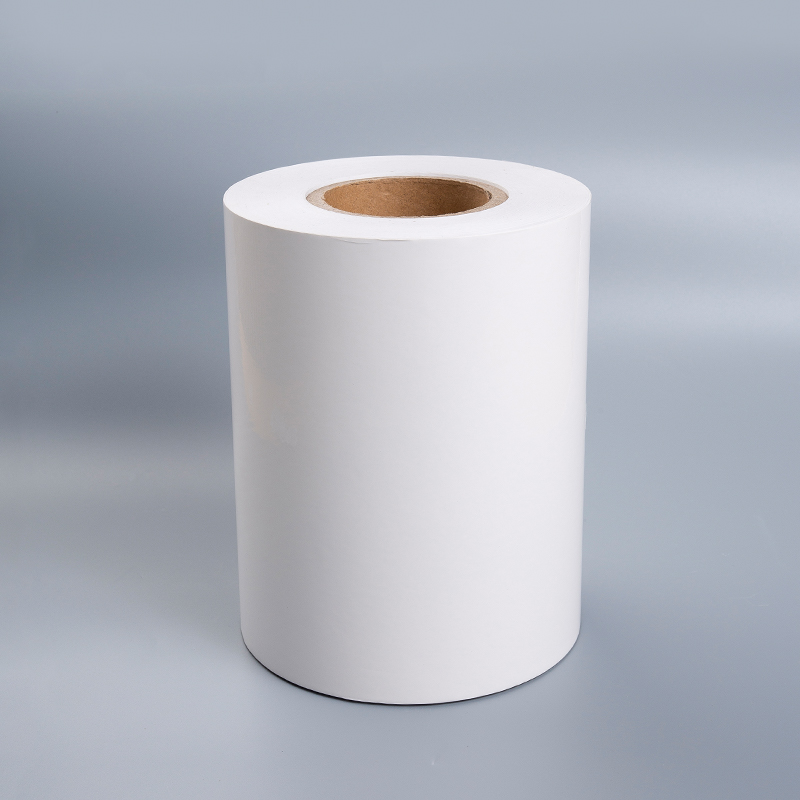
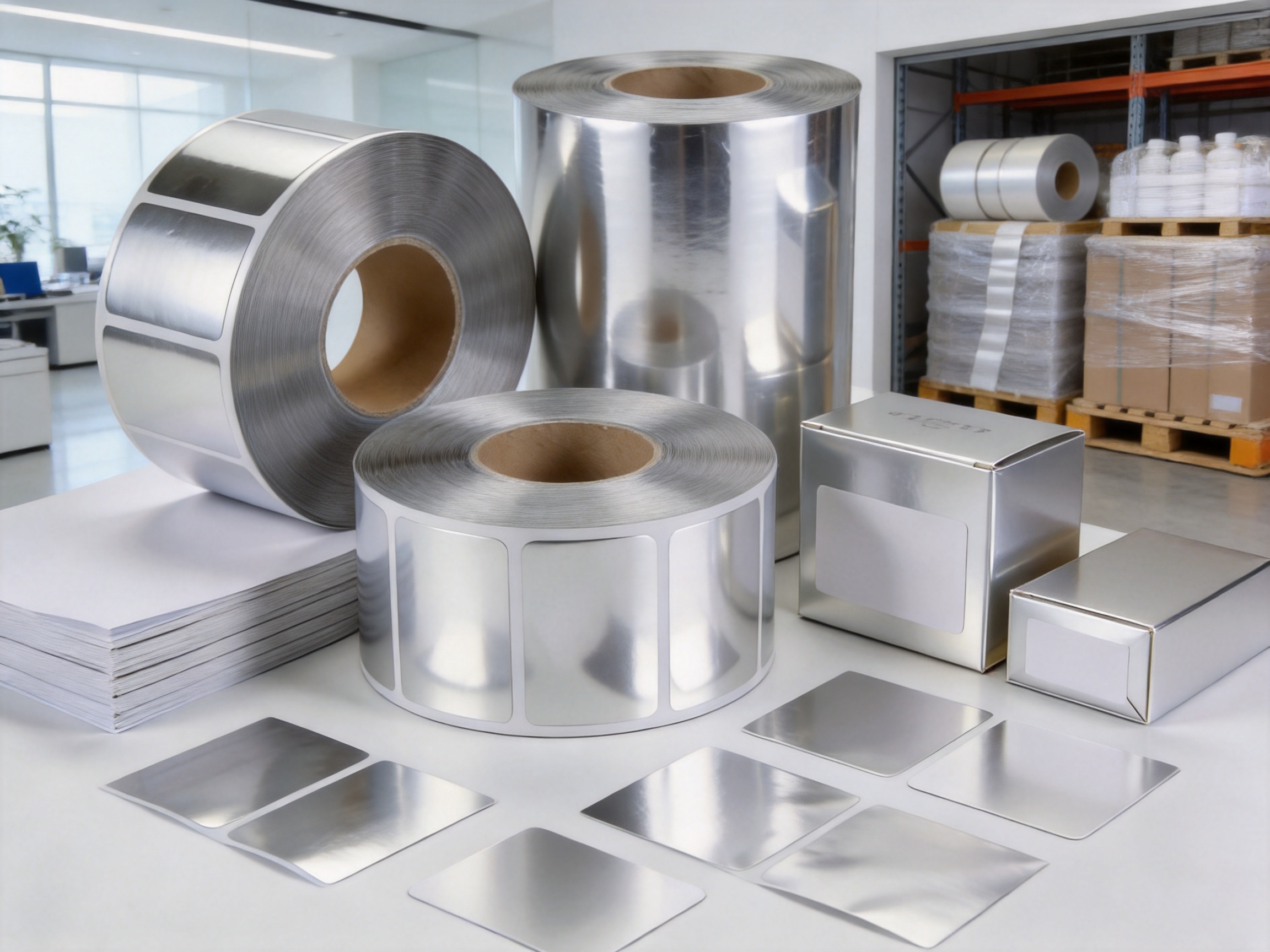
After coating and laminating, accurate cutting is essential. Jumbo rolls must be slit into usable widths, and sheets must be cut to precise dimensions. Silver aluminum foil paper is available in jumbo roll widths of 1000mm, 1020mm, 1080mm, and 1530mm, supporting efficient converting for different equipment layouts.
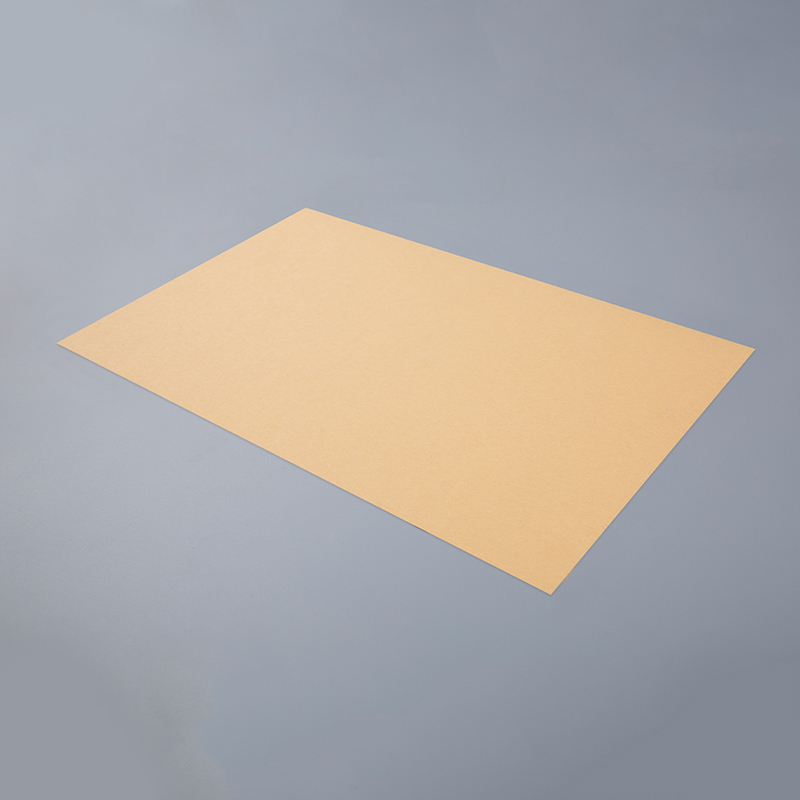
Sheet sizes include A4, A3, 20 x 30, 21 x 30, 24 x 36, 50cm x 70cm, and 70cm x 100cm, with customization available. This flexibility is valuable for customers using roll-fed label presses, sheet-fed printing machines, digital printers, die-cutters, or manual processing. Accurate dimensions help reduce setup time, improve registration, and support consistent printing results.
Cutting quality also affects edge cleanliness. Poorly slit edges can create dust, web breaks, feeding problems, or print defects. For premium metallic label materials, clean edges and stable winding are particularly important because defects can reduce yield and increase production cost. Advanced cutting and inspection processes help ensure that the material reaches customers in a condition suitable for efficient converting.
Quality Inspection and Testing Laboratory
Reliable label materials require systematic quality control. The company operates its own testing laboratory and uses advanced inspection equipment to help ensure product quality. This capability supports incoming material evaluation, process monitoring, finished product inspection, and customized performance verification.
Typical quality considerations for self-adhesive label materials include adhesive coat weight, peel strength, tack, release force, liner smoothness, face material appearance, thickness, moisture behavior, roll winding quality, dimensional accuracy, and surface cleanliness. For silver aluminum foil paper, visual inspection is also crucial because surface defects may be noticeable on metallic materials.
Testing capability benefits customers in several ways. It reduces quality variation, supports problem analysis, helps verify custom constructions, and improves confidence in batch-to-batch consistency. When customers require OEM or ODM development, laboratory testing can shorten the development cycle and reduce trial-and-error costs.
Competitors without strong internal testing may rely mainly on supplier certificates or customer feedback after problems occur. A manufacturer with its own inspection system can identify and correct issues earlier, supporting more stable supply and reducing risk for customers.
OEM and ODM Customization
Many customers require more than a standard label stock. They may need a specific face thickness, liner weight, adhesive strength, release level, roll width, sheet format, packaging method, or performance characteristic. The ability to provide OEM and ODM services is therefore a major advantage.
With more than 20 years of OEM manufacturing experience, the manufacturer can produce materials based on customer drawings or samples. This is valuable for converters serving brand owners with strict packaging specifications, export requirements, or specialized production equipment. Customization may include adhesive selection, liner matching, roll diameter, core size, sheet dimensions, packaging format, and performance testing.
ODM capability also supports innovation. A professional research and development team with multiple patents can help develop new material constructions, eco-friendly options, improved adhesive systems, and application-specific solutions. This creates long-term value for customers who need a supplier capable of evolving with market trends.
In fast-changing packaging markets, customization is not merely a service feature. It is a competitive advantage. Customers can respond faster to new product launches, seasonal packaging, special labeling conditions, and regional market requirements when their supplier can adjust material constructions efficiently.
Sustainability and Environmental Responsibility
Modern packaging markets increasingly value sustainability. Customers are looking for materials and suppliers that can support responsible production, improved resource use, and environmentally conscious solutions. The manufacturer’s brand positioning emphasizes sustainable development and environmental protection, including eco-friendly solutions involving face materials, adhesives, and backing papers.
For label materials, sustainability can involve several considerations: selecting appropriate material constructions to reduce waste, improving coating consistency to reduce defective output, offering water-based adhesive options, optimizing liner choices, supporting efficient converting, and developing solutions that align with customer sustainability goals.
High-quality material also contributes to sustainability by reducing waste during printing, die-cutting, labeling, and product distribution. A label that fails, curls, or causes production problems can lead to rejected packaging and additional resource consumption. Stable silver aluminum foil paper helps improve production yield and reduce avoidable waste.
Environmental responsibility must be balanced with performance. Premium labels still need strong appearance, adhesion, and stability. By combining technical development with sustainable thinking, the manufacturer can support customers seeking both product quality and responsible sourcing.
Packaging and Delivery Advantages
Packaging protects label materials during storage and transport. Silver aluminum foil paper is available in roll or sheet form, and both sea-transit-worthy poly-wood pallet packing and carton packing are available. This is important for domestic and international customers because self-adhesive materials can be affected by compression, moisture, edge damage, impact, and improper handling.
For sheets, one available packing method is 100 sheets per ream. Reams are packed with strong PE-coated kraft paper wrappers, and strong pallets are wrapped with stretch film and fastened with plastic fastening belts. This packaging approach helps protect the sheets from moisture, dust, movement, and transport stress.
For rolls, strong pallet packing helps maintain roll shape and prevent damage during loading, sea transit, warehousing, and unloading. Proper packaging reduces the risk of crushed edges, telescoping, roll deformation, and contamination. Customers benefit because well-protected material can go directly into production with fewer quality concerns.
Reliable packaging is an often overlooked advantage. Even high-quality material can become unusable if poorly packed. By offering sea-transit-worthy packing, the manufacturer supports export customers and long-distance logistics, helping ensure the product arrives in stable condition.
Why This Material Stands Out in Competitive Markets
In the self-adhesive label material market, many products may appear similar at first glance. However, real differences become clear during printing, converting, application, storage, and end use. Silver aluminum foil paper stands out because it combines premium appearance, dimensional stability, adhesive flexibility, liner variety, customization, and strong manufacturing support.
Compared with low-cost ordinary paper labels, it offers better visual impact and stronger resistance to deformation caused by environmental changes. Compared with basic film labels, it provides a more refined metallic texture and premium character. Compared with suppliers that offer limited constructions, this product line gives customers multiple adhesive and liner options to match different production needs.
Manufacturing strength also creates competitive value. Integrated gluing, laminating, and cutting lines improve process control. Large annual production capacity supports stable supply. A testing laboratory and inspection equipment improve quality assurance. OEM and ODM services allow customers to develop customized solutions. A professional R&D team supports innovation and long-term cooperation.
For customers, the best label material is not only the one that looks good in a sample book. It must run smoothly on equipment, bond reliably to the target surface, maintain appearance after application, arrive safely after transport, and be available consistently. Silver aluminum foil paper is designed to meet these broader practical requirements.
Practical Selection Guidelines
When selecting silver aluminum foil paper, customers should consider the full application environment rather than focusing only on surface appearance. The first question is the package substrate. Different surfaces such as coated paperboard, plastic containers, glass, metal, rubber, or textured packaging may require different adhesive properties.
The second consideration is temperature. If the label is applied or stored in normal indoor conditions, a standard water-based adhesive may be suitable. If the product enters refrigerated or frozen environments, anti-freeze or cryogenic adhesive should be considered. If the product surface is difficult, curved, or rough, stronger adhesive options may be needed.
The third consideration is removability. Permanent labels and removable labels serve different purposes. A permanent label should remain attached through the product life cycle, while a removable label should peel away cleanly under defined conditions. Selecting the wrong adhesive can cause either label failure or unwanted residue.
The fourth consideration is converting equipment. Roll-fed flexographic presses, digital presses, offset presses, sheet-fed machines, die-cutters, and automatic labeling systems may have different liner and material requirements. Glassine, release paper, CCK, art paper, and PET liners should be selected according to machine compatibility and end-use needs.
The fifth consideration is packaging and storage. Metallic label materials should be stored properly before use, protected from extreme humidity, heat, direct sunlight, and mechanical damage. Proper handling helps preserve flatness, adhesive performance, and surface appearance.
Recommended Storage and Handling Practices
To achieve optimal performance, silver aluminum foil paper should be stored in a clean, dry, and controlled environment. Excessive humidity, extreme heat, and direct sunlight should be avoided. Rolls should remain in protective packaging until use, and sheets should be kept flat and protected from dust and moisture.
Before printing or labeling, materials should be conditioned to the production environment when necessary. Sudden temperature changes may cause condensation or tension variation, especially for materials transported over long distances. Allowing materials to stabilize can improve processing consistency.
During printing and converting, operators should verify ink compatibility, drying conditions, die-cutting depth, stripping performance, and rewinding tension. For special applications, pre-production testing is recommended. This is especially important when using non-standard adhesives, unusual liners, low-temperature environments, or difficult package surfaces.
Proper handling helps customers fully benefit from the material’s premium characteristics. Even the best label material requires suitable process control to achieve excellent final results.
Quality Values and Customer Support
The manufacturer’s core values include quality, integrity, innovation, win-win cooperation, and responsibility. These values are important in the label material industry because customers often need long-term reliability rather than one-time transactions. A label material supplier must provide consistent products, honest technical communication, continuous improvement, and responsive after-sales service.
Quality means pursuing excellence in materials, production, inspection, and delivery. Integrity means communicating clearly about product capabilities, specifications, and suitable applications. Innovation means improving materials and developing new solutions that meet changing market needs. Win-win cooperation means helping customers improve competitiveness. Responsibility means supporting society, customers, employees, and environmental goals.
With nationwide sales networks and international market experience across Asia, Europe, the Americas, Africa, and other regions, the manufacturer has experience serving diverse customer requirements. This international exposure supports better understanding of export packaging, logistics, climate differences, and regional market preferences.
After-sales service is also important. If customers encounter printing, die-cutting, labeling, or adhesion questions, technical support can help analyze the issue and recommend suitable adjustments. This service-oriented approach adds value beyond the material itself.
Frequently Asked Questions
Q1: What is silver aluminum foil paper mainly used for?
It is mainly used for high-grade self-adhesive labels, including information labels for medicine, food, cultural goods, premium packaging, specialty products, and decorative applications requiring a metallic silver appearance.
Q2: What makes this material different from ordinary paper labels?
It offers a premium metallic surface, better visual impact, strong opacity, and improved resistance to warping or deformation caused by temperature and humidity changes after application.
Q3: Is the surface glossy or matt?
The standard material is matt silver aluminum foil paper. It provides a refined metallic appearance without excessive glare, making it suitable for elegant and readable label designs.
Q4: What adhesive is normally used?
The standard option is water-based adhesive. Other available options include hotmelt adhesive, solvent adhesive, anti-freeze adhesive, removable adhesive, cryogenic adhesive, and tyre-grade rubber adhesive.
Q5: Can the label be used in cold environments?
Yes, cold-environment applications can be supported by selecting anti-freeze or cryogenic adhesive. Customers should test the selected construction under actual application and storage conditions.
Q6: What liner options are available?
Available liners include white glassine paper, release paper, art paper, CCK liner, and transparent PET liner in multiple thicknesses or grammages. The right liner depends on printing, die-cutting, dispensing, and labeling requirements.
Q7: Can the product be supplied in sheets?
Yes. Standard sheet sizes include A4, A3, 20 x 30, 21 x 30, 24 x 36, 50cm x 70cm, and 70cm x 100cm. Customized sheet sizes are also available.
Q8: Can the product be supplied in jumbo rolls?
Yes. Jumbo roll widths include 1000mm, 1020mm, 1080mm, and 1530mm. These formats are suitable for label converters and industrial processing.
Q9: Is customization available for special applications?
Yes. OEM and ODM services are available. The product can be customized according to customer drawings, samples, adhesive needs, liner requirements, roll sizes, sheet sizes, and performance targets.
Q10: Why is manufacturing capability important when buying this material?
Manufacturing capability affects coating uniformity, laminating stability, cutting accuracy, inspection reliability, delivery consistency, and customization speed. A supplier with integrated production lines and testing capability can provide more dependable quality.
Q11: How is the product packed for delivery?
Roll or sheet packing is available. Sea-transit-worthy poly-wood pallet packing and carton packing can be provided. Sheets may be packed 100 sheets per ream with strong PE-coated kraft paper wrappers, and pallets are wrapped with stretch film and secured with plastic fastening belts.
Q12: What industries benefit most from this material?
Medicine, food, healthcare, cosmetics, cultural goods, stationery, gift packaging, specialty retail, and premium consumer products can benefit from the material’s metallic appearance and stable label performance.
Conclusion
Silver aluminum foil paper is a premium self-adhesive label material designed for customers who need more than ordinary label performance. It offers a refined matt silver surface, strong visual appeal, reliable dimensional stability, and broad customization potential. By resisting warping and deformation caused by ambient temperature and humidity, it helps labels maintain a neat, professional appearance over time.
The product’s value is strengthened by its wide range of adhesive and liner options. Whether customers require general-purpose bonding, strong initial tack, removable performance, low-temperature resistance, cryogenic use, or difficult-surface adhesion, suitable constructions can be developed. Multiple liner choices further support different printing, converting, and labeling processes.
Behind the product is a manufacturing system with gluing, laminating, cutting, testing, and customization capabilities. Large-scale production capacity, more than 20 years of OEM experience, laboratory inspection, R&D strength, and after-sales service all contribute to dependable supply and long-term customer value. For converters, printers, packaging companies, and brand owners seeking a premium metallic label solution, silver aluminum foil paper offers an effective combination of appearance, performance, flexibility, and manufacturing reliability.
In a competitive packaging market, labels must attract attention, communicate quality, and remain functional throughout the product life cycle. Silver aluminum foil paper meets these expectations by combining the beauty of a metallic surface with the practicality of a self-adhesive label construction. It is a strong choice for high-grade information labels and premium packaging applications where ordinary materials are not enough.
References
1. Pressure-Sensitive Tape Council. Pressure Sensitive Adhesive Products: Technical Principles and Application Guidance.
2. FINAT. Technical Handbook for Self-Adhesive Labels and Related Products.
3. ASTM International. Standard Test Methods for Pressure-Sensitive Adhesive-Coated Materials.
4. Handbook of Pressure Sensitive Adhesive Technology, edited by Donatas Satas.
5. Packaging Materials and Converting Technology: Principles of Coating, Laminating, Slitting, and Label Stock Production.
6. Technical data and product specifications for matt silver aluminum foil self-adhesive label materials, adhesive systems, and release liner constructions.