
 English
 Español
 русский
 Français
 عربى
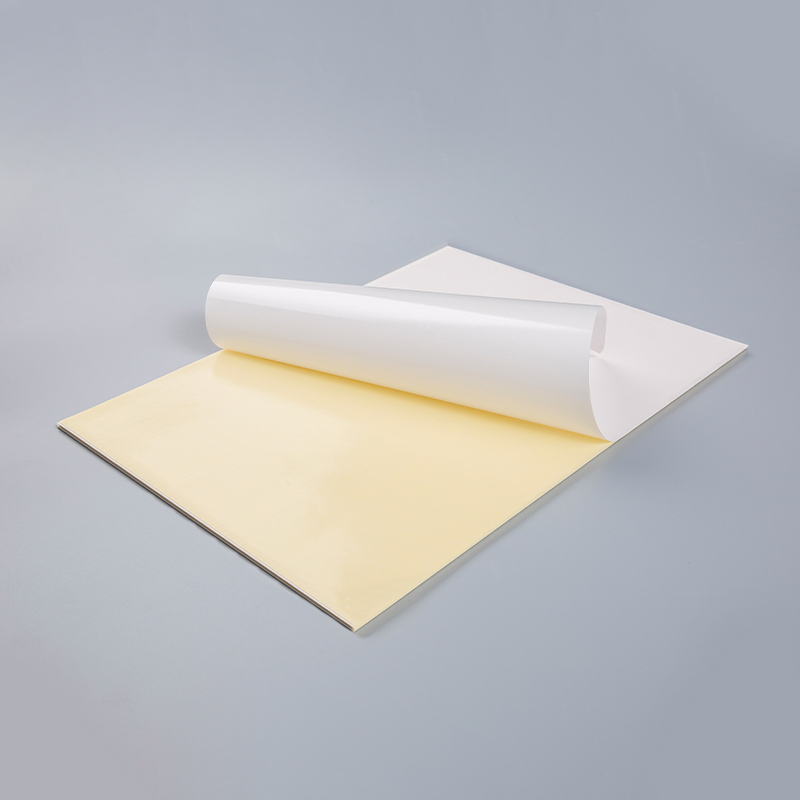
عربىYellow release paper is a high-performance PE coated kraft paper engineered for demanding label, printing, hot stamping, adhesive, and specialty converting applications. As a release liner and process carrier, it must do more than simply protect adhesive surfaces. It must remain dimensionally stable, resist moisture, provide controlled release, support high-speed die-cutting, protect the adhesive layer, and maintain consistent performance during storage, transport, and end-use application. The yellow release paper described here is designed for these requirements through carefully selected kraft paper, polyethylene coating, precision silicone release treatment, and strict quality control during manufacturing.
In modern self-adhesive label production, the release liner is often overlooked by end users, yet it directly affects printing quality, die-cutting accuracy, label dispensing efficiency, adhesive protection, and final product reliability. A low-grade liner can create curling, tearing, excessive dust, unstable release force, uneven coating, poor moisture resistance, or roll deformation. These problems can lead to machine downtime, label waste, customer complaints, and increased production cost. By contrast, a stable yellow release paper provides a dependable base for smooth processing, accurate cutting, clean peeling, and reliable application.
This product is especially suitable for electronic device labels, warning labels, product identification labels, hot stamping foil transfer, pressure-sensitive adhesive printing, and other applications that require stable release behavior and strong paper support. It is available in yellow and white, with multiple grammage options from lightweight grades to heavy-duty grades, and can be supplied in jumbo rolls or customized sheet sizes. Its combination of PE coated kraft paper strength, controlled silicone release, smooth surface quality, and moisture protection gives it a strong competitive advantage in label material supply chains.
Content
- 1 Product Overview: What Yellow Release Paper Is Designed to Do
- 2 Key Specifications
- 3 Major Advantages Compared with Ordinary Release Papers
- 4 Advanced Manufacturing Processes Behind the Product
- 5 Quality Control and Testing Capabilities
- 6 Application Area 1: Label Backing for Electronic and Industrial Labels
- 7 Application Area 2: Hot Stamping and Metallic Finish Transfer
- 8 Application Area 3: Pressure-Sensitive Adhesive Printing
- 9 Advantages for High-Speed Automated Production
- 10 Packaging and Delivery Designed for International Transportation
- 11 Environmental and Safety Considerations
- 12 Company Strengths Supporting Product Reliability
- 13 How to Select the Right Yellow Release Paper Grade
- 14 Why This Yellow Release Paper Offers Better Value Than Low-Cost Alternatives
- 15 Common Use Scenarios
- 16 Technical Performance in Converting Processes
- 17 Q&A Section
- 17.1 Q1: What is yellow release paper mainly used for?
- 17.2 Q2: What material is this product made from?
- 17.3 Q3: Why is dimensional stability important?
- 17.4 Q4: What makes this product suitable for high-speed production?
- 17.5 Q5: Can the product be customized?
- 17.6 Q6: What grammage options are available?
- 17.7 Q7: How does PE coating improve the release paper?
- 17.8 Q8: Is the product suitable for export shipments?
- 17.9 Q9: What industries can benefit from this product?
- 17.10 Q10: Why choose a higher-quality release paper instead of a cheaper one?
- 18 Conclusion
- 19 References
- 20 Product: Yellow Release Paper
Product Overview: What Yellow Release Paper Is Designed to Do
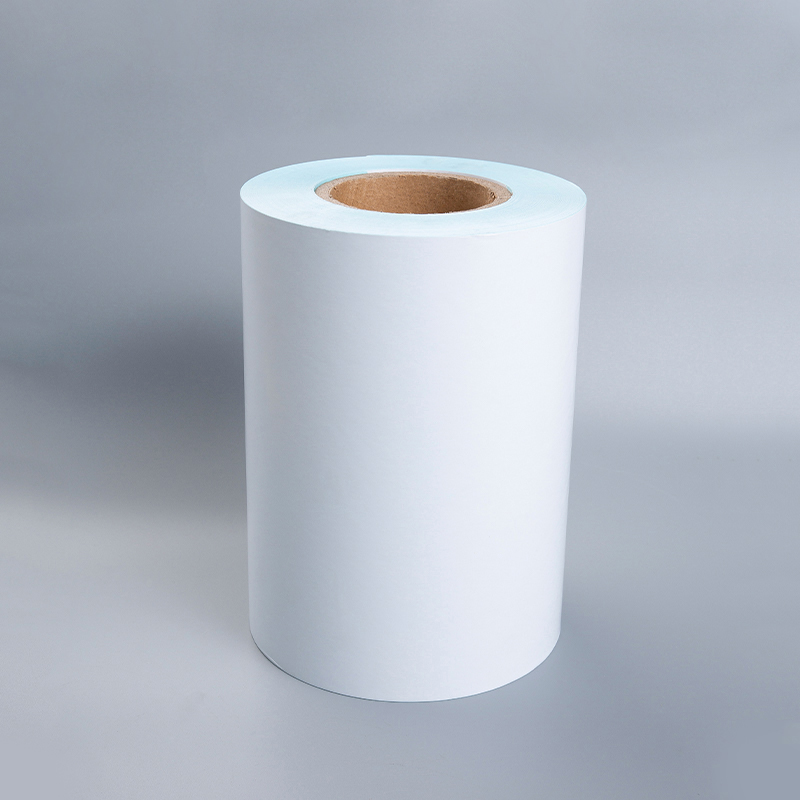
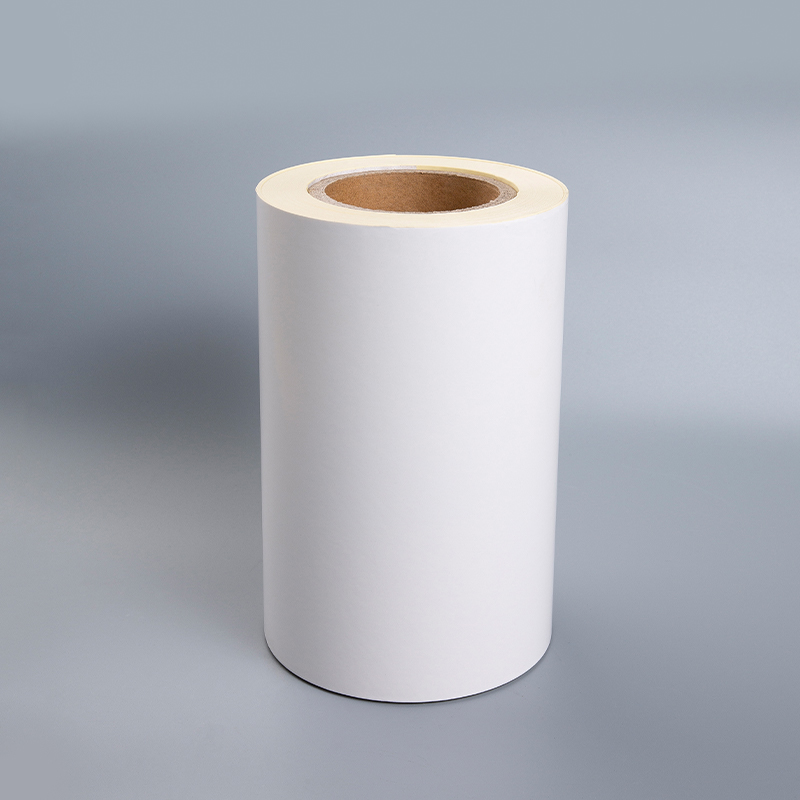
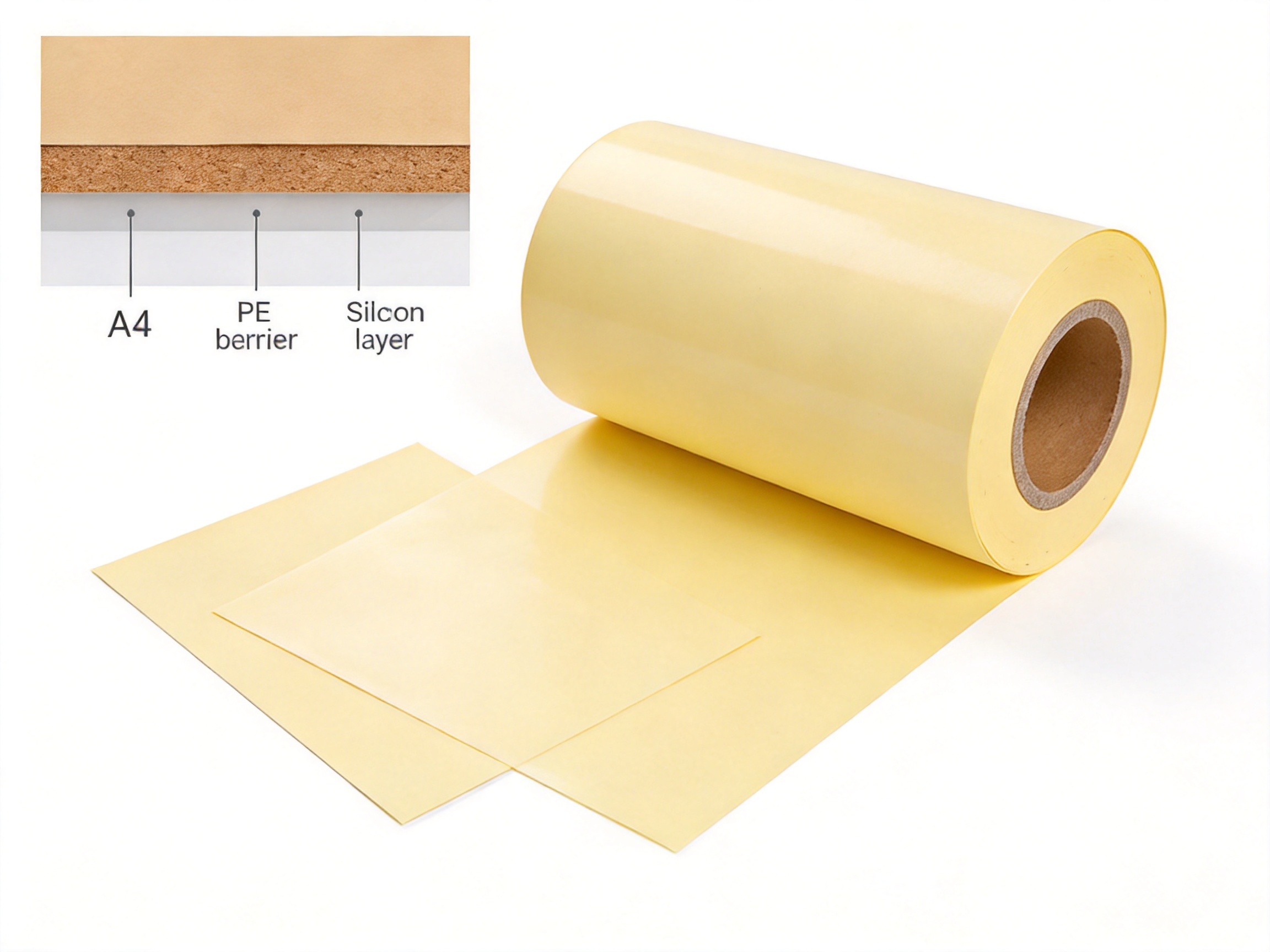
Yellow release paper is made with PE coated kraft paper as the base material. Kraft paper gives the structure mechanical strength, tear resistance, and dimensional stability, while the PE coating provides a barrier layer that improves moisture resistance, surface smoothness, and coating uniformity. A silicone release layer is then applied with precision coating technology to create controlled separation between the liner and adhesive or transferred material. The result is a release paper that can protect adhesive surfaces during storage and transportation, then allow easy and clean peeling when the label or film is ready for application.
The yellow color is not merely aesthetic. In label production, color-coded release liners can improve process identification, reduce material confusion, and make inspection easier. Yellow backing paper can help operators distinguish a specific material grade or application category quickly on production lines. In high-volume converting workshops, this visual recognition can improve workflow efficiency and reduce the risk of using the wrong liner for a job.
The product category is PE coated kraft paper, and the material options include 50 g, 60 g, 65 g, 70 g, 80 g, 85 g, 90 g, 100 g, 120 g, 135 g, 155 g, and 240 g grades. This wide grammage range allows buyers to select a suitable balance of flexibility, stiffness, caliper, converting behavior, and cost. Lightweight grades may be preferred for standard labels and economical applications, while heavier grades are better suited for demanding die-cutting, hot stamping, industrial labels, medical-grade processing, and applications requiring extra support.
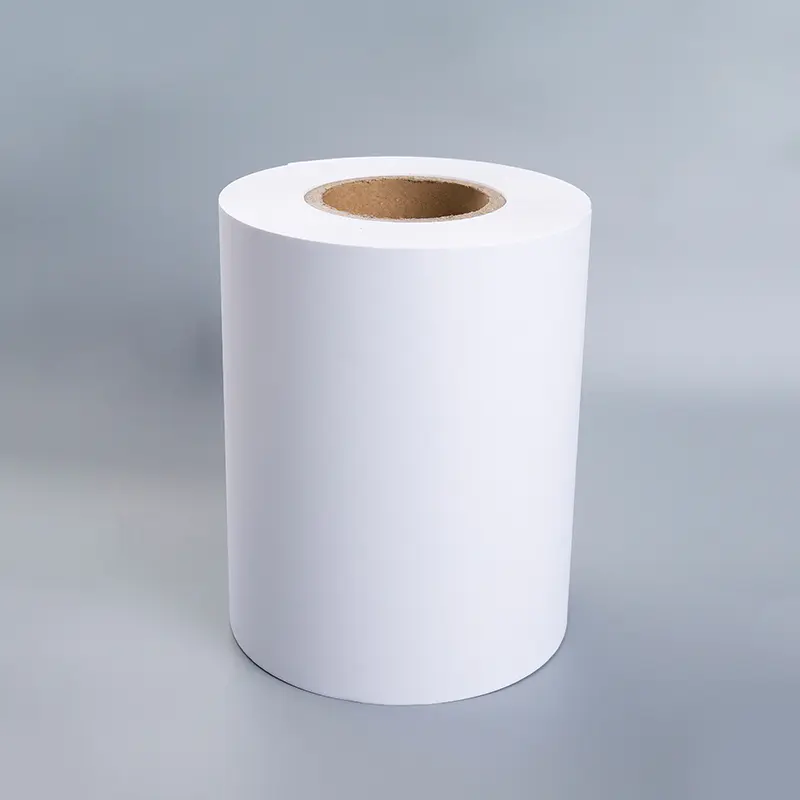
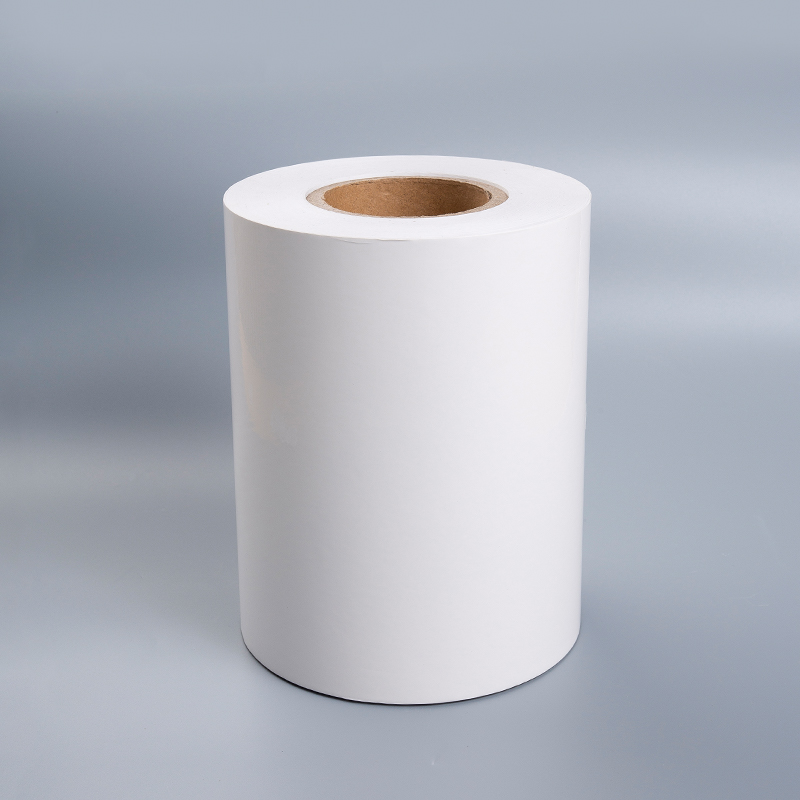
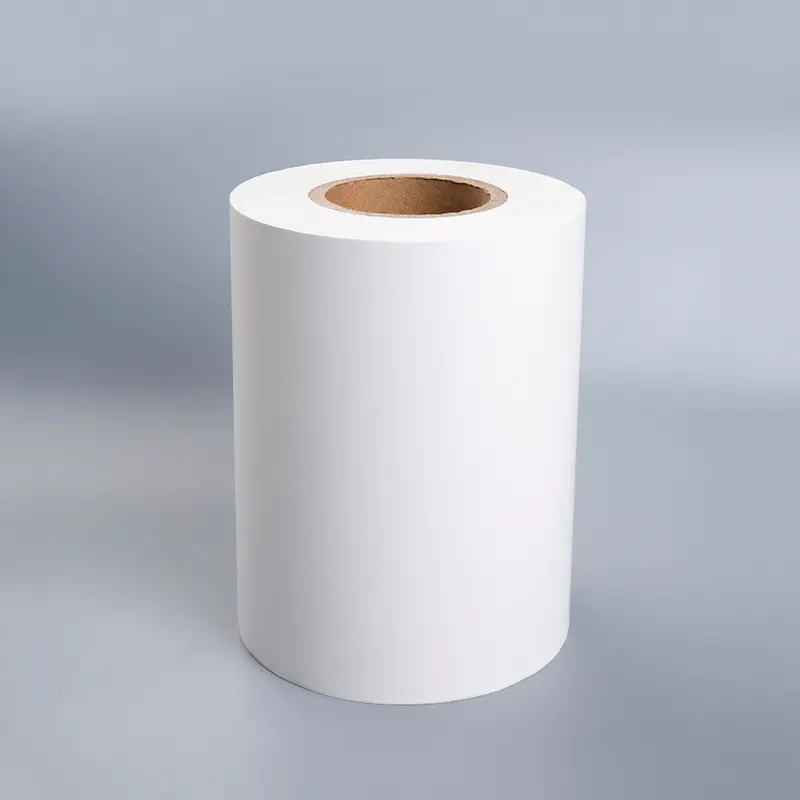
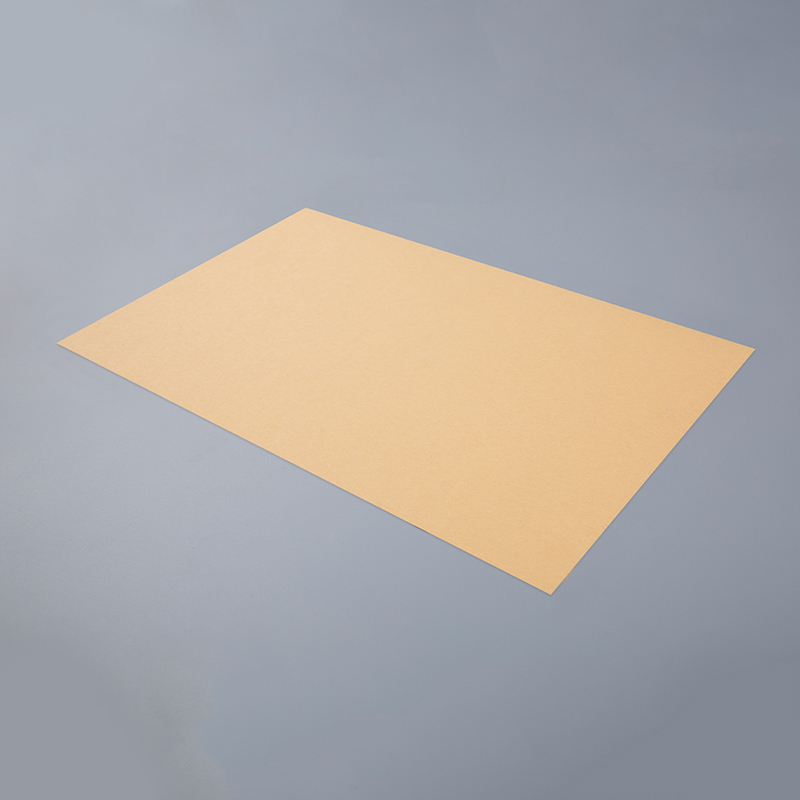
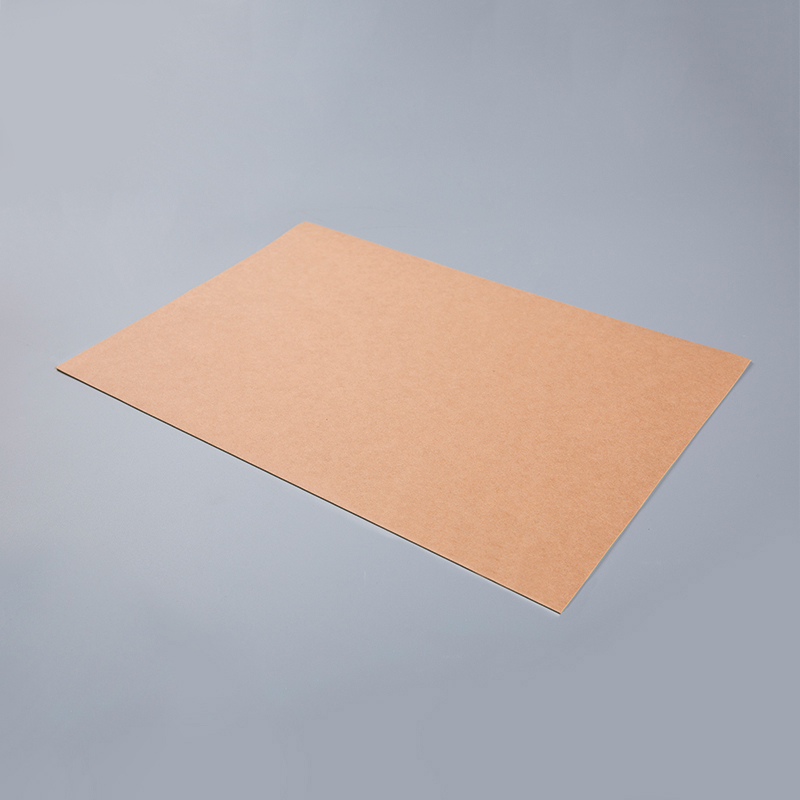
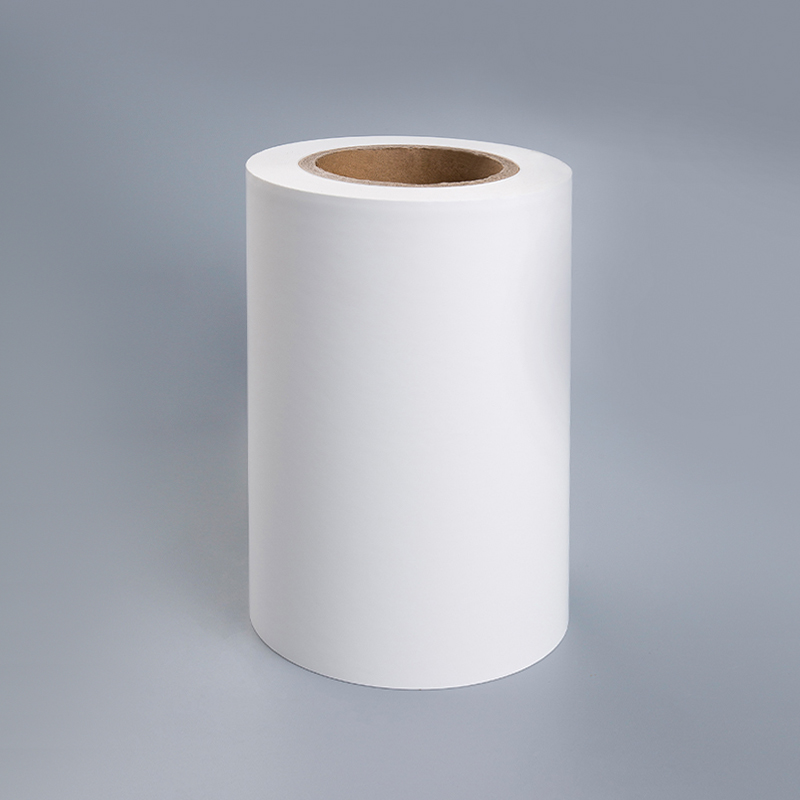
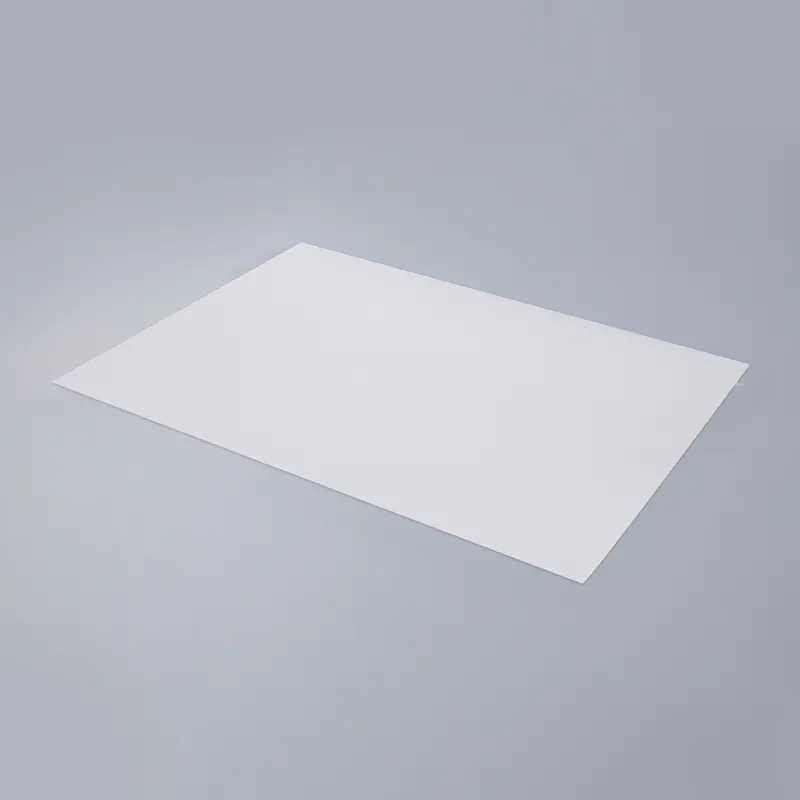
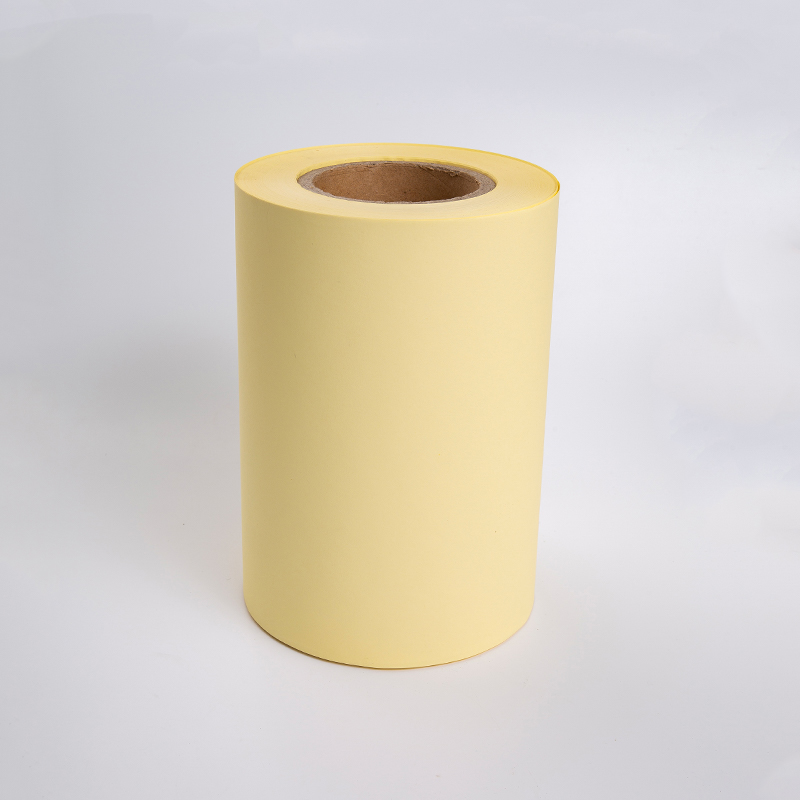
In roll form, the jumbo roll widths include 1000 mm, 1020 mm, 1080 mm, and 1530 mm. These formats are compatible with many coating, laminating, slitting, printing, and converting lines. Sheet sizes include A4, A3, 20 x 30, 21 x 30, 24 x 36, 50 cm x 70 cm, 70 cm x 100 cm, and customized dimensions. This flexibility allows the product to serve both large industrial users and sheet-fed printing or specialty processing customers.
Key Specifications
| Item | Specification | Practical Value |
|---|---|---|
| Base Material | PE coated kraft paper | Provides strength, moisture barrier performance, and a smooth surface for release coating. |
| Available Grammage | 50, 60, 65, 70, 80, 85, 90, 100, 120, 135, 155, and 240 g | Supports different stiffness, thickness, and converting requirements. |
| Color Options | Yellow and white | Allows visual identification and compatibility with different customer preferences. |
| Jumbo Roll Width | 1000, 1020, 1080, and 1530 mm | Suitable for industrial coating, printing, laminating, and slitting operations. |
| Sheet Size | A4, A3, 20 x 30, 21 x 30, 24 x 36, 50 cm x 70 cm, 70 cm x 100 cm, customized sizes | Meets sheet-fed printing, manual processing, and customized packaging requirements. |
| Coating Method | Cast extrusion coating and precision silicone coating | Supports uniform barrier performance and stable release properties. |
| Typical Applications | Label backing, hot stamping, pressure-sensitive adhesive printing, specialty label material | Used across printing, packaging, electronics, adhesive, and converting industries. |
Major Advantages Compared with Ordinary Release Papers
The competitive value of yellow release paper lies in its stability, protection, process compatibility, and consistency. Many ordinary release liners can perform acceptably under simple conditions, but fail when exposed to high-speed converting, long storage periods, humidity changes, automated label dispensing, or precision die-cutting. This product is designed to reduce those risks and improve the efficiency of downstream production.
Excellent Dimensional Stability
Dimensional stability is one of the most important indicators for release paper used in precision label manufacturing. During coating, drying, storage, printing, laminating, slitting, and die-cutting, paper can expand, shrink, curl, or deform because of temperature and humidity changes. If the liner is unstable, labels may shift out of registration, die-cutting lines may become inaccurate, printing may misalign, and roll tension may become uneven.
This yellow release paper provides excellent dimensional stability after coating. Its PE coated kraft base and controlled manufacturing process help reduce deformation under variable environmental conditions. For customers producing electronic labels, safety labels, barcode labels, warning labels, or medical-related adhesive products, this stability is essential. It helps maintain processing precision, improves finished label appearance, and reduces waste caused by misregistration.
Superior Puncture Resistance and Low Dust Generation
During high-speed conversion, a release liner must endure mechanical stress from rollers, blades, tension systems, guide components, and rewinding operations. Weak paper may puncture, tear, split, or shed fibers. Paper dust can contaminate adhesive surfaces, printing plates, optical sensors, cutting dies, and rollers, resulting in lower production quality and more frequent machine cleaning.
The uniform density and strong paper structure of this product provide superior puncture resistance and minimize paper dust during production. This directly supports longer equipment service life and more stable production. For label manufacturers, less dust means fewer adhesive defects, fewer printing imperfections, fewer die-cutting interruptions, and fewer rejected rolls. Compared with lower-density or poorly coated papers, this product helps maintain a cleaner and more efficient converting environment.
High Moisture Resistance and Chemical Protection
Moisture resistance is another decisive advantage. Paper-based liners are naturally sensitive to humidity, and moisture can cause curling, warping, loss of flatness, and release force variation. In international shipping, warehouse storage, and humid production environments, poor moisture resistance can create serious quality problems before the material is even used.
The PE coating of the yellow release paper forms an effective barrier that helps block moisture and reduce chemical corrosion. This protective performance prevents warping during long-term storage and keeps the surface smooth and flat. For adhesive label materials, maintaining a stable liner surface protects the adhesive layer and ensures that labels can be removed cleanly when needed. This is especially useful for export shipments, seasonal humidity changes, and customers with long inventory cycles.
Smooth Surface and Stable Release Properties
A high-quality release paper must offer a smooth, flat surface and predictable release behavior. If the surface is rough, uneven, or contaminated, adhesive coating may become inconsistent and label appearance may suffer. If release force is too high, labels may tear or fail to peel smoothly. If release force is too low, labels may lift prematurely, causing edge curl or roll instability.
This yellow release paper is designed with stable release properties compatible with high-speed automated production. The silicone layer is distributed uniformly through precision coating systems, helping maintain consistent release from batch to batch and roll to roll. This is a key advantage over products made with less controlled coating processes, where release variation can disrupt label dispensing or cause inconsistent peeling behavior.
Advanced Manufacturing Processes Behind the Product
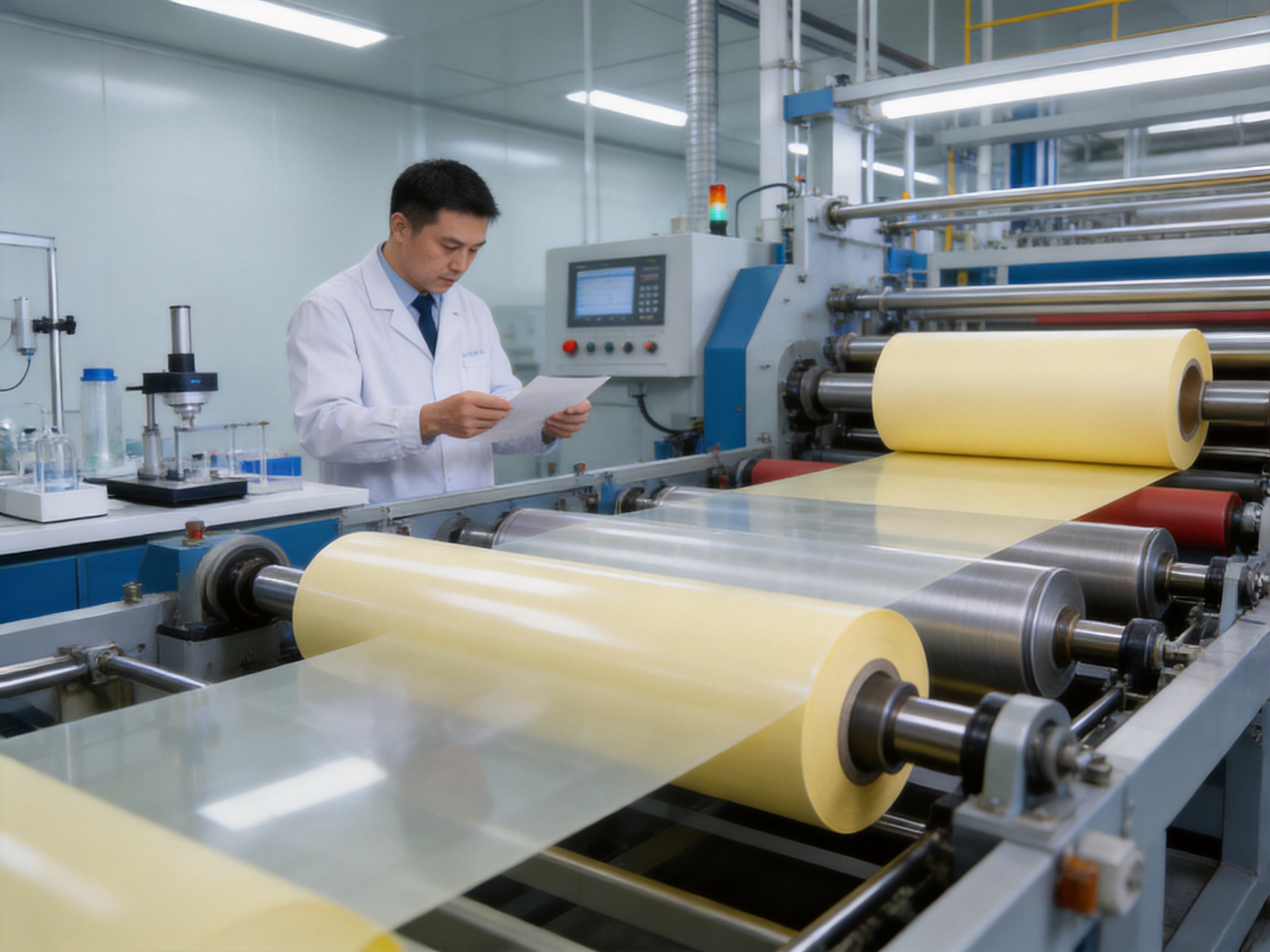
The performance of release paper depends heavily on manufacturing technology. It is not enough to select kraft paper and apply coating. Every stage, including base paper inspection, PE extrusion, coating weight control, silicone application, curing, winding, slitting, packaging, and final inspection, affects the final product. The manufacturer uses advanced production lines including gluing, laminating, and cutting, supported by years of experience in high-grade self-adhesive label materials.
Cast Extrusion Coating Technology
Cast extrusion coating technology is used to apply PE coating onto the kraft paper. In this process, molten polyethylene is extruded through a die and cast onto the paper surface under controlled conditions. The coating bonds to the paper and creates a smooth, moisture-resistant barrier layer. Depending on product requirements, single-sided or double-sided coating options can be used.
Compared with ordinary coating methods, cast extrusion coating offers better uniformity, stronger barrier performance, and improved surface control. Uniform PE coating reduces weak points where moisture could penetrate and helps provide a stable foundation for silicone release coating. The result is a liner that resists deformation and maintains consistent behavior under practical production conditions.
Multi-Roller Precision Coating System
The silicone release layer must be applied with high precision. A multi-roller precision coating system helps control silicone distribution, coating thickness, and breathability. When coating is uniform, the liner provides predictable release force and reliable processing performance. When coating is uneven, release force may vary across the width or length of the roll, leading to difficult peeling, adhesive transfer, or label lifting.
Precision coating is especially important for high-speed automated production. Automated label equipment requires consistent liner behavior because even small variations can cause machine stops, misfeeds, or dispensing errors. The controlled silicone layer helps the yellow release paper support adhesive bonding, die-cutting, printing, and medical-grade product manufacturing where consistency is critical.
Controlled Breathability and Flatness
Release paper must balance barrier performance with controlled breathability. Excessive moisture absorption can lead to curl, while poor internal balance can affect winding and flatness. Through advanced coating technology, this product is manufactured to maintain a smooth, flat surface while controlling breathability according to application requirements. The surface supports printing, adhesive lamination, hot stamping transfer, and die-cutting with reduced risk of warping.
Integrated Production Strength
Suzhou Piaozhihua Composite Material Technology Co., Ltd. specializes in high-grade self-adhesive labels and related materials. The company integrates research and development, production, sales, and after-sales service. Its production capabilities include gluing, laminating, and cutting lines, with an annual production capacity of more than 280 million square meters. This scale allows stable supply for domestic and international customers, while supporting customized requirements for different industries.
More than 20 years of OEM manufacturing experience gives the company deep practical knowledge of customer needs. The company can provide customized solutions based on drawings, samples, performance requirements, roll width, sheet size, release level, coating structure, and application scenario. This ability is important because release paper is often part of a larger adhesive system, and its specifications must match adhesive type, face material, printing method, die-cutting design, and application equipment.
Quality Control and Testing Capabilities
Quality control is essential for release paper because small defects can create major downstream problems. A tiny coating defect can cause adhesive transfer. Uneven thickness can disturb winding tension. Poor surface cleanliness can create printing defects. Unstable release force can make labels difficult to dispense. Therefore, advanced manufacturing must be supported by strict inspection.
The manufacturer operates its own testing laboratory and uses advanced inspection equipment to ensure product quality. Quality control may include inspection of basis weight, coating uniformity, release force, tensile strength, surface smoothness, moisture resistance, thickness, flatness, roll appearance, sheet dimensions, edge quality, and packaging condition. Through systematic testing, the company can reduce batch variation and support consistent performance for long-term customers.
In addition, the company emphasizes research and development, ODM and OEM service, and innovation supported by a professional technical team and multiple patents. These strengths help the manufacturer develop new product structures, improve coating technology, and respond to changing market demands in eco-friendly labeling, specialty adhesive materials, medical-related products, logistics labels, consumer packaging, and industrial marking.
Application Area 1: Label Backing for Electronic and Industrial Labels
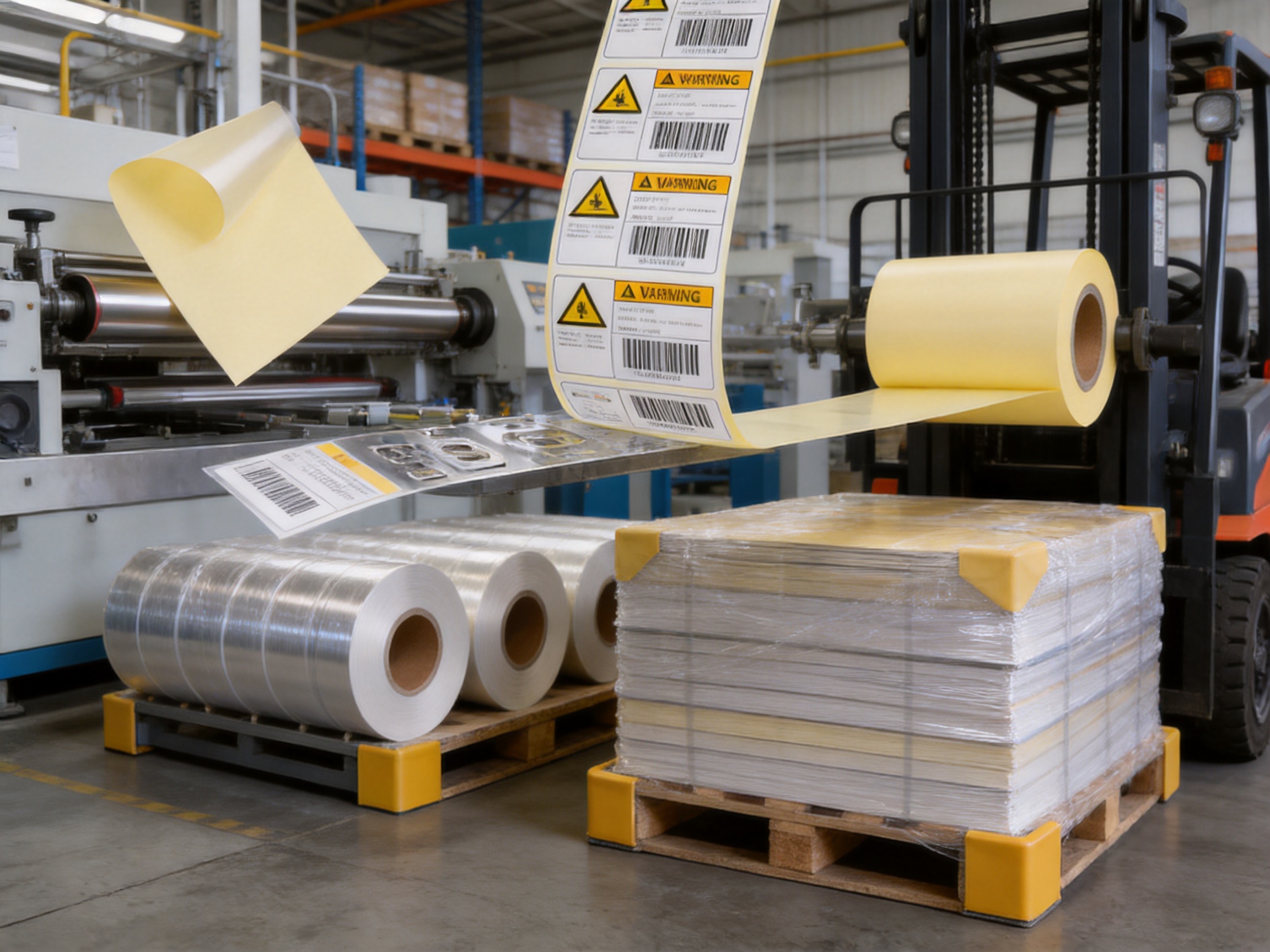
One of the most important applications of yellow release paper is label backing. In electronic device labels, product ID labels, warning labels, serial number labels, and industrial identification labels, the liner must support printing, die-cutting, storage, transportation, and final application. The yellow release paper provides robust support during each stage.
Electronic labels often require precise printing and cutting because they may contain barcodes, QR codes, serial numbers, regulatory icons, safety warnings, or small text. If the liner stretches or deforms, print registration and die-cutting accuracy can suffer. The dimensional stability of this product helps maintain precise label geometry. Its smooth surface supports clean lamination and die-cutting, while its stable release properties allow easy peeling after labels are adhered to surfaces.
Industrial labels may be exposed to different environmental conditions during distribution and use. Although the liner is removed during application, it must protect the adhesive before use. Moisture resistance and chemical protection help preserve adhesive quality during storage. Compared with basic release liners, this product is better suited for applications where label reliability and production efficiency matter.
Application Area 2: Hot Stamping and Metallic Finish Transfer
Yellow release paper can serve as a carrier for hot-stamping foils in printing processes. Hot stamping requires precise transfer of metallic finishes such as gold or silver onto products. The carrier must allow clean separation after stamping while maintaining sharpness, gloss, and edge definition. Poor release performance can result in incomplete transfer, blurred edges, dull appearance, or foil waste.
The smooth and flat surface of this release paper helps support consistent contact during hot stamping. Its stable release characteristics make metallic transfer cleaner and more predictable. For printing houses and packaging converters, this can improve decorative quality and reduce rejects. The product is suitable for processes where a premium appearance is required, including labels, packaging decorations, luxury product identification, promotional materials, and specialty printed components.
Application Area 3: Pressure-Sensitive Adhesive Printing
In pressure-sensitive adhesive label production, release paper is a critical component. It carries the adhesive-coated face material, protects the adhesive, and enables the label to be removed cleanly during application. The liner must also provide a flat surface for printing and die-cutting. If it curls, wrinkles, or releases inconsistently, the entire label construction may fail to process smoothly.
This yellow release paper offers the required flatness and stability for adhesive label production. It supports printing, laminating, die-cutting, matrix removal, slitting, and rewinding. The controlled release layer enables effortless label removal during application. For high-speed converting lines, the benefit is not only better product quality but also improved throughput, fewer interruptions, and lower waste.
Advantages for High-Speed Automated Production
Modern label production is increasingly automated. Machines run faster, tolerances are tighter, and customers expect shorter delivery cycles. Materials that worked in slower manual environments may not be suitable for high-speed lines. A release paper must withstand tension, maintain roll stability, prevent dust buildup, and release consistently at speed.
The yellow release paper is compatible with high-speed automated production because it combines controlled coating, flatness, puncture resistance, and stable release force. During unwinding and rewinding, roll tension remains more stable. During die-cutting, the paper resists penetration and tearing while allowing controlled cutting depth. During matrix stripping, the release surface helps reduce unwanted adhesive lift. During dispensing, labels separate predictably from the liner.
These advantages reduce the hidden costs of production. Lower-cost liners may appear attractive at purchase, but they can increase downtime, scrap, labor, maintenance, and customer claims. A consistent release paper improves the total cost of ownership by supporting efficient converting and reliable label performance.
Packaging and Delivery Designed for International Transportation
Release paper quality must be protected after production. Even a well-manufactured roll can be damaged by poor packaging, unstable pallets, moisture exposure, or rough handling. For international sea transportation, the product is packaged using fumigation-treated recycled wooden pallets compliant with global standards. These pallets offer excellent insect and mold resistance, making them suitable for export shipments.
The pallet design optimizes stacking stability and ensures even weight distribution to prevent roll deformation. Protective corner guards are embedded, and pallets are tightly wrapped with stretch film. Standardized forklift slots improve logistics efficiency and reduce handling risk. This export-oriented packaging is especially valuable for jumbo rolls, where edge damage, roll ovality, or compression can affect downstream unwinding and slitting.
For ream packaging, usually 100 sheets per ream, each ream is fully sealed with PE coated kraft paper for moisture and dust protection. Reinforced edges minimize damage during handling. Multiple reams are stacked on pallets, secured with high-strength stretch film and anti-slip plastic straps to prevent shifting during transit. This packaging approach reflects an understanding that release paper must arrive clean, flat, dry, and ready for production.
Environmental and Safety Considerations
The product is manufactured through a clean production process designed to comply with safety expectations in food and medical industry supply chains. While specific compliance requirements may vary by customer and application, clean production, stable coating, and controlled materials are essential for markets where contamination and safety are closely monitored.
The paper component is recyclable and biodegradable, helping reduce environmental impact compared with materials that rely entirely on synthetic substrates. In the label industry, sustainability is becoming more important as brands, converters, and end users seek lower-impact packaging and labeling solutions. The manufacturer’s brand positioning emphasizes sustainable development and environmental protection, including eco-friendly solutions for face materials, adhesives, and backing papers.
For customers, choosing a release paper supplier with sustainability awareness can support long-term product planning. As regulations and customer expectations continue to evolve, materials that balance performance with environmental responsibility will become increasingly valuable.
Company Strengths Supporting Product Reliability
Suzhou Piaozhihua Composite Material Technology Co., Ltd. is located in Taicang City, Suzhou City, Jiangsu Province, China. The company has developed for more than 20 years with a focus on quality manufacturing in high-grade self-adhesive label materials. Its experience covers domestic and international markets, and it has built sales channels in many regions, including Asia, Europe, the Americas, Africa, and the Middle East.
The company is among the top companies in China for self-adhesive products and has an annual production capacity exceeding 280 million square meters. Such capacity is important for large customers that need stable supply, consistent lead times, and the ability to support urgent or high-volume orders. Its integrated services include research and development, manufacturing, sales support, and after-sales service, allowing customers to receive both product supply and technical assistance.
OEM and ODM capability is another competitive advantage. Many customers do not need a standard liner only; they need a liner matched to a specific adhesive, face stock, label design, printing process, or end-use environment. The company can produce products based on customer drawings or samples and provide customized solutions. This flexibility helps customers reduce development time and improve material compatibility.
The company’s core values include quality, integrity, innovation, win-win cooperation, and responsibility. These values are reflected in the product through consistent quality control, technical improvement, customer-oriented service, and attention to environmental responsibility. For buyers seeking long-term supply partnerships, these strengths matter as much as the product specification itself.
How to Select the Right Yellow Release Paper Grade
Selecting the correct release paper grade depends on the application. A customer should consider grammage, roll width, sheet size, release force, coating structure, color, adhesive type, printing method, die-cutting depth, storage conditions, and application equipment. The wide range of available grammages makes it possible to match the liner to different levels of stiffness and support.
For general pressure-sensitive labels, medium grammage grades may provide a good balance between cost and performance. For precision die-cut labels, heavier grades can improve support and reduce cutting-related deformation. For hot stamping, surface smoothness and release consistency should be prioritized. For sheet-fed processing, flatness and edge quality are especially important. For export or long-term storage, moisture resistance and packaging protection should be carefully evaluated.
Customers should also communicate their production speed, machine type, roll tension requirements, adhesive chemistry, and environmental conditions. A release liner that performs well in one application may need adjustment for another. Technical consultation can help determine whether single-sided or double-sided coating, a particular basis weight, or a customized size is most appropriate.
Why This Yellow Release Paper Offers Better Value Than Low-Cost Alternatives
Price is important, but release liner value should be measured by total production performance. Low-cost alternatives may reduce initial purchasing cost but create hidden expenses. These may include production stoppages, poor die-cutting, adhesive contamination, excessive paper dust, curling, unstable peeling, customer complaints, roll waste, and additional labor for inspection or rework.
This yellow release paper provides better value through consistency. Its dimensional stability helps protect print registration and die-cutting accuracy. Its puncture resistance reduces liner failure. Its low-dust performance helps keep equipment cleaner. Its moisture resistance supports longer storage and safer shipping. Its smooth surface and stable release properties improve processing and application. Its packaging protects the material during international logistics. These benefits can reduce overall cost even if the initial material price is not the lowest in the market.
For converters, label manufacturers, and printing companies, stable materials support stable production. Stable production supports predictable delivery. Predictable delivery supports customer trust. In this sense, a high-quality release paper is not merely a consumable; it is a productivity tool.
Common Use Scenarios
Yellow release paper is suitable for many industries. In electronics, it can support product identification labels, warning labels, serial labels, and device tracking labels. In printing, it can function as a hot stamping carrier or a release liner for specialty printed labels. In packaging, it can support decorative labels, security labels, and pressure-sensitive adhesive materials. In industrial manufacturing, it can serve as a protective liner for adhesive components, tapes, and die-cut parts. In medical-related manufacturing, consistent coating and clean production support applications requiring higher quality control.
Its availability in rolls and sheets broadens its practical use. Roll supply is suitable for automated converting, coating, laminating, slitting, and high-volume label production. Sheet supply is convenient for sheet-fed printing, sample making, small-batch converting, manual assembly, and specialty applications. Customized sizes allow customers to reduce trimming waste and improve production efficiency.
Technical Performance in Converting Processes
During printing, the liner must remain flat and support the label material without distortion. The yellow release paper’s dimensional stability helps maintain registration. During die-cutting, the liner must be strong enough to resist puncture while allowing the blade to cut the face material cleanly. Its puncture resistance and density support precise cutting. During matrix stripping, the release layer must allow waste matrix removal without lifting labels. Stable silicone release supports this process.
During slitting, a release paper must maintain clean edges and stable winding. Dust and loose fibers can create contamination, while poor tension behavior can cause telescoping or uneven rolls. The product’s low dust and stable structure help improve slitting quality. During storage, moisture and temperature fluctuations can cause curl or blocking. The PE coating and protective packaging reduce these risks. During final label application, predictable release force allows labels to peel cleanly and apply smoothly.
Q&A Section
Q1: What is yellow release paper mainly used for?
Yellow release paper is mainly used as a release liner or process carrier in label backing, pressure-sensitive adhesive printing, hot stamping, adhesive product manufacturing, die-cutting, and specialty label material production. It protects adhesive surfaces and allows clean peeling during application.
Q2: What material is this product made from?
It is made from PE coated kraft paper with a precision silicone release layer. The kraft paper provides strength, the PE coating improves moisture resistance and surface quality, and the silicone layer provides controlled release performance.
Q3: Why is dimensional stability important?
Dimensional stability prevents deformation caused by temperature and humidity changes. It helps maintain printing registration, die-cutting accuracy, roll stability, and overall processing precision.
Q4: What makes this product suitable for high-speed production?
Its uniform density, low dust generation, puncture resistance, smooth surface, and stable release force make it compatible with high-speed printing, laminating, die-cutting, slitting, and automated label dispensing.
Q5: Can the product be customized?
Yes. It is available in multiple grammages, roll widths, sheet sizes, yellow or white colors, and customized dimensions. OEM and ODM services are available for customers with specific drawings, samples, or application requirements.
Q6: What grammage options are available?
Available grammages include 50, 60, 65, 70, 80, 85, 90, 100, 120, 135, 155, and 240 g. Customers can select lighter or heavier grades based on processing needs and required stiffness.
Q7: How does PE coating improve the release paper?
PE coating improves moisture resistance, creates a smoother surface, enhances barrier performance, and provides a stable base for silicone coating. It helps reduce warping and protects the adhesive system during storage.
Q8: Is the product suitable for export shipments?
Yes. It is packaged with fumigation-treated recycled wooden pallets, stretch film, corner protection, and forklift-compatible pallet design. Sheet reams are sealed and reinforced to protect against moisture, dust, and transport damage.
Q9: What industries can benefit from this product?
Industries include label printing, electronics, packaging, industrial manufacturing, hot stamping, adhesive tapes, specialty die-cut components, logistics labels, and medical-related adhesive product manufacturing.
Q10: Why choose a higher-quality release paper instead of a cheaper one?
A higher-quality release paper can reduce downtime, waste, dust contamination, curling, die-cutting problems, and release instability. It often lowers total production cost by improving efficiency and finished product reliability.
Conclusion
Yellow release paper is a critical material for modern adhesive label and specialty printing production. Its role extends beyond simple backing. It protects adhesive surfaces, supports printing and die-cutting accuracy, enables clean peeling, improves process stability, and helps ensure the final quality of labels and decorative materials. The product described here combines PE coated kraft paper strength, moisture resistance, precision silicone release, and advanced coating technology to deliver dependable performance.
Compared with ordinary release liners, it offers stronger dimensional stability, better puncture resistance, lower dust generation, smoother surface quality, more stable release behavior, and stronger protection during storage and international transport. These advantages are particularly valuable in high-speed automated production, electronic labels, hot stamping, pressure-sensitive adhesive printing, and industrial converting.
Backed by advanced manufacturing processes, integrated production lines, strong R&D capability, OEM and ODM service, in-house testing, and large annual production capacity, this product provides both material reliability and supply-chain confidence. For customers seeking a release paper that can improve efficiency, reduce waste, and support consistent label quality, yellow release paper is a practical and competitive choice.
References
1. Benedek, I. Pressure-Sensitive Adhesives and Applications. CRC Press.
2. Satas, D. Handbook of Pressure Sensitive Adhesive Technology. Satas & Associates.
3. Pizzi, A., and Mittal, K. L. Handbook of Adhesive Technology. CRC Press.
4. Holik, H. Handbook of Paper and Board. Wiley-VCH.
5. Kipphan, H. Handbook of Print Media: Technologies and Production Methods. Springer.
6. Petrie, E. M. Handbook of Adhesives and Sealants. McGraw-Hill.