
 English
 Español
 русский
 Français
 عربى
عربىIn the modern label and packaging market, performance depends on more than a printable surface. A dependable self-adhesive label material must combine a clean and stable face paper, a consistent adhesive layer, and a release liner that allows smooth converting, printing, storage, transport, and final application. Woodfree Paper With White Release Liner is designed for these practical requirements. It is a versatile self-adhesive paper material suitable for stores, supermarkets, warehousing, logistics, medical supplies, outer box stickers, daily office labels, and many other general-purpose labeling applications.
This product is built around a woodfree paper face stock, hot melt adhesive as a standard adhesive option, and a white release paper liner. The standard structure uses 75 gsm woodfree paper and 90 gsm white release paper, while multiple alternative grammages and liner options are available for customization. The material is made to provide uniform glue coating, high adhesion, stable release, and reliable resistance to degluing during use. For label converters, printers, distributors, and end users, these qualities help reduce waste, improve processing efficiency, and deliver labels that perform consistently across everyday environments.
As a self-adhesive material, Woodfree Paper With White Release Liner occupies a practical position between economy, printability, and application strength. Woodfree paper offers a smooth and clean printing surface, making it compatible with a wide range of printing and writing needs. The white release liner offers a strong, clean, and easy-handling backing for cutting, sheeting, die-cutting, and label dispensing. Together, these layers form a reliable label stock that meets the demands of high-volume commercial labeling as well as customized small-batch projects.
Suzhou Piaozhihua Composite Material Technology Co., Ltd. manufactures this material with integrated production capabilities, including gluing, laminating, and cutting. The company has more than 20 years of experience in self-adhesive label materials and has built a strong position through advanced equipment, quality inspection, research and development, and OEM and ODM service capabilities. With an annual production capacity exceeding 280 million square meters, the company is able to support large-volume supply while also responding to customized technical requirements.
Content
- 1 Product Overview
- 2 Key Technical Specifications
- 3 Why Woodfree Paper Matters in Label Materials
- 4 The Role of the White Release Liner
- 5 Adhesive Performance and Customization
- 6 Advantages Over Ordinary Self-Adhesive Paper Materials
- 7 Applications in Retail and Supermarkets
- 8 Applications in Warehousing and Logistics
- 9 Applications in Medical Supplies and Office Use
- 10 Outer Box Stickers and General Packaging Labels
- 11 Advanced Manufacturing Process
- 12 Production Capacity and Supply Strength
- 13 OEM and ODM Customization Capabilities
- 14 Quality Assurance and Testing
- 15 Packaging and Delivery Protection
- 16 Sustainability and Environmental Direction
- 17 How to Select the Right Configuration
- 18 Competitive Value for Printers, Converters, and End Users
- 19 Company Strength Behind the Product
- 20 Q&A Section
- 20.1 What is Woodfree Paper With White Release Liner?
- 20.2 What is the standard material structure?
- 20.3 Why is woodfree paper suitable for labels?
- 20.4 What are the main advantages of the white release liner?
- 20.5 Can the adhesive be customized?
- 20.6 Is the product suitable for cold storage labels?
- 20.7 Can this product be supplied in sheets?
- 20.8 Can this product be supplied in jumbo rolls?
- 20.9 What makes this material different from ordinary self-adhesive paper?
- 20.10 What packaging is available?
- 20.11 Who manufactures this product?
- 21 Conclusion
- 22 References
Product Overview
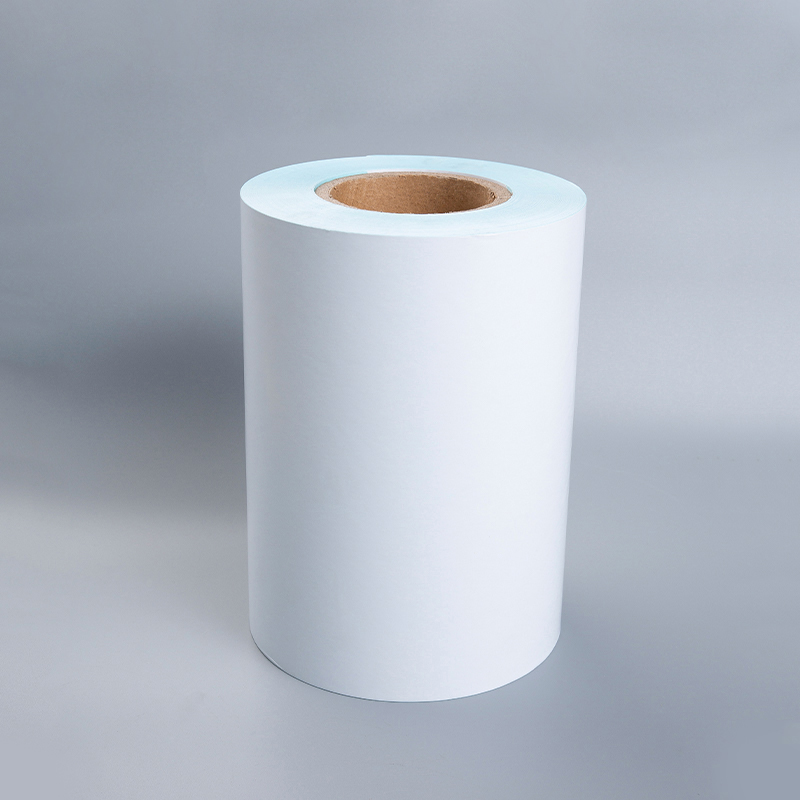
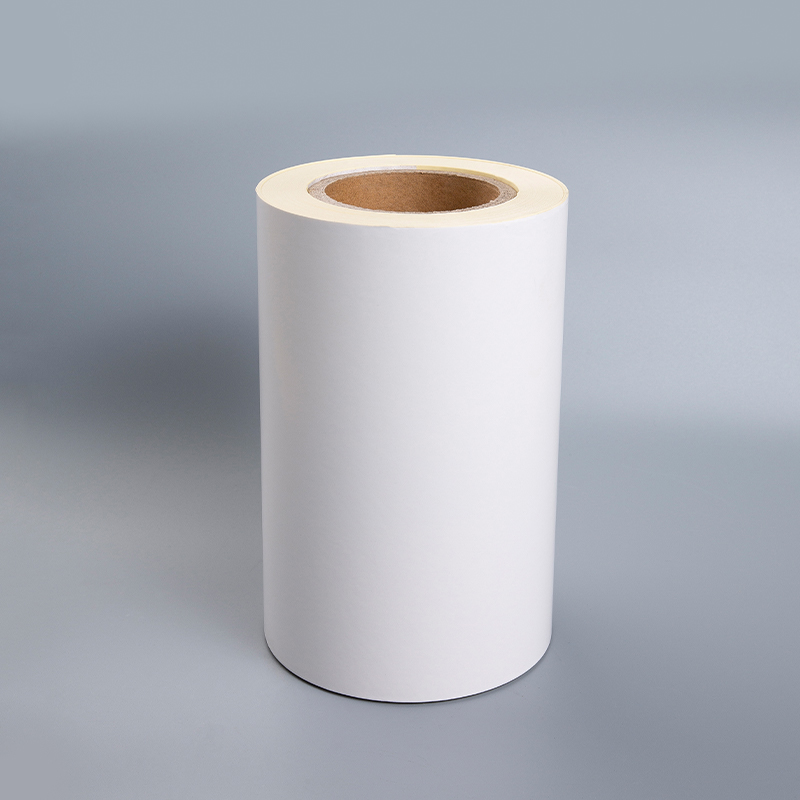
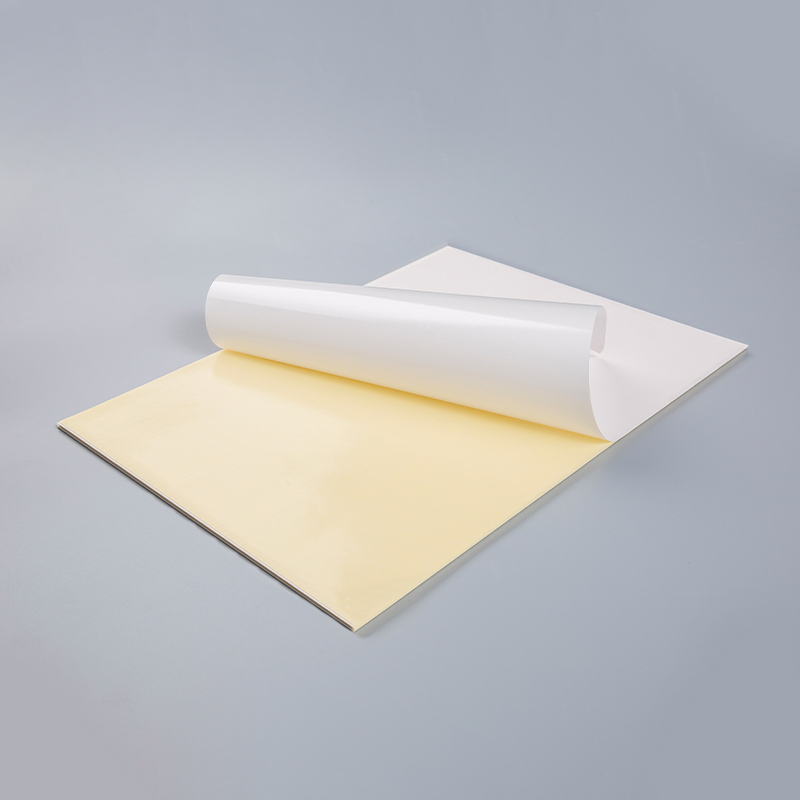
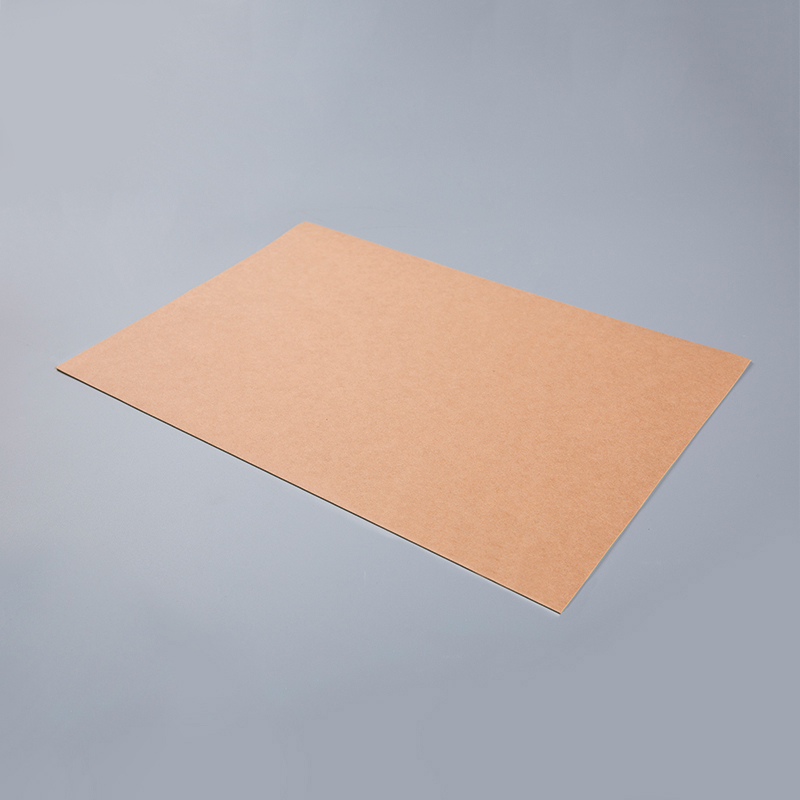
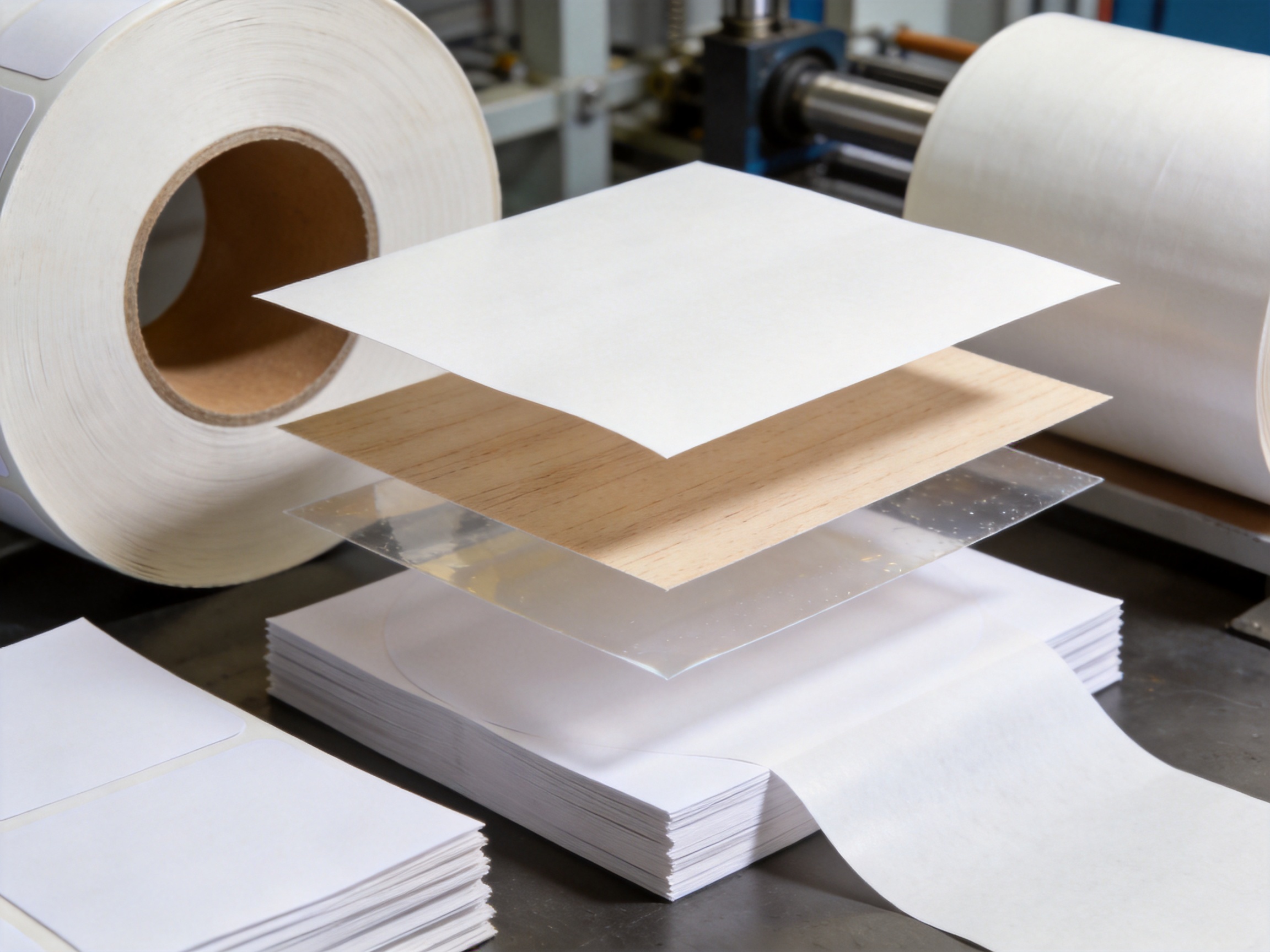
Woodfree Paper With White Release Liner is a pressure-sensitive adhesive paper product used as a base material for self-adhesive labels. Its main structure consists of a woodfree paper face material, an adhesive layer, and a white release liner. The face paper provides the visible printing or writing surface, the adhesive layer provides bonding to the target substrate, and the liner protects the adhesive until the label is ready for use.
The standard face material is 75 gsm woodfree paper, while 70 gsm, 80 gsm, 100 gsm, 120 gsm, and 140 gsm options are available. This range allows customers to select lighter, more flexible paper for economical applications or heavier paper for stronger label presence and improved handling. The standard adhesive is hot melt adhesive, known for high initial tack and strong adhesion. Water-based adhesive, solvent adhesive, removable adhesive, anti-freeze adhesive, cryogenic adhesive, and tyre-grade rubber adhesive are also available for different application conditions.
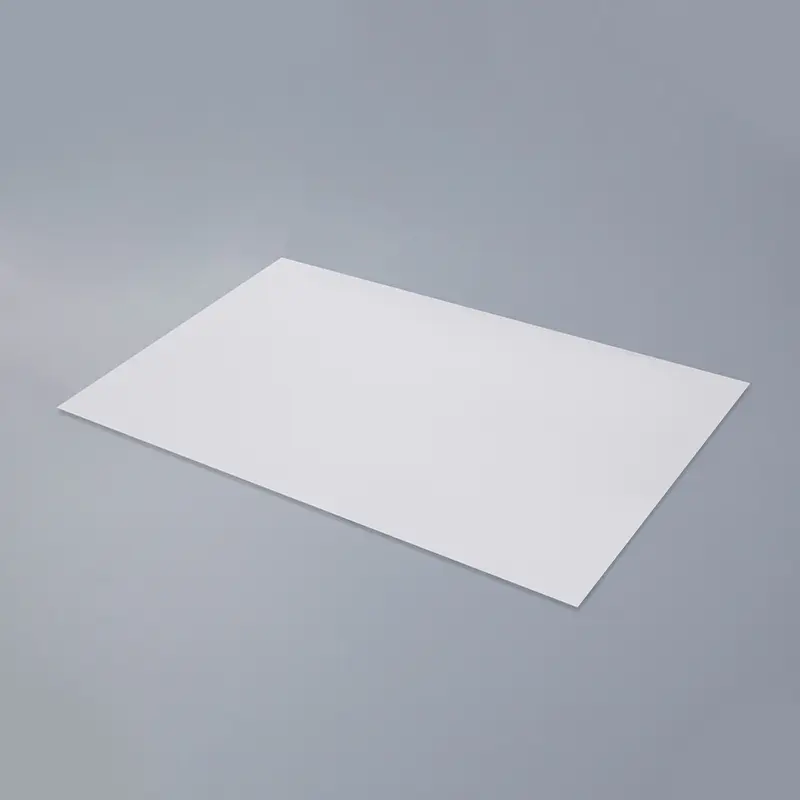
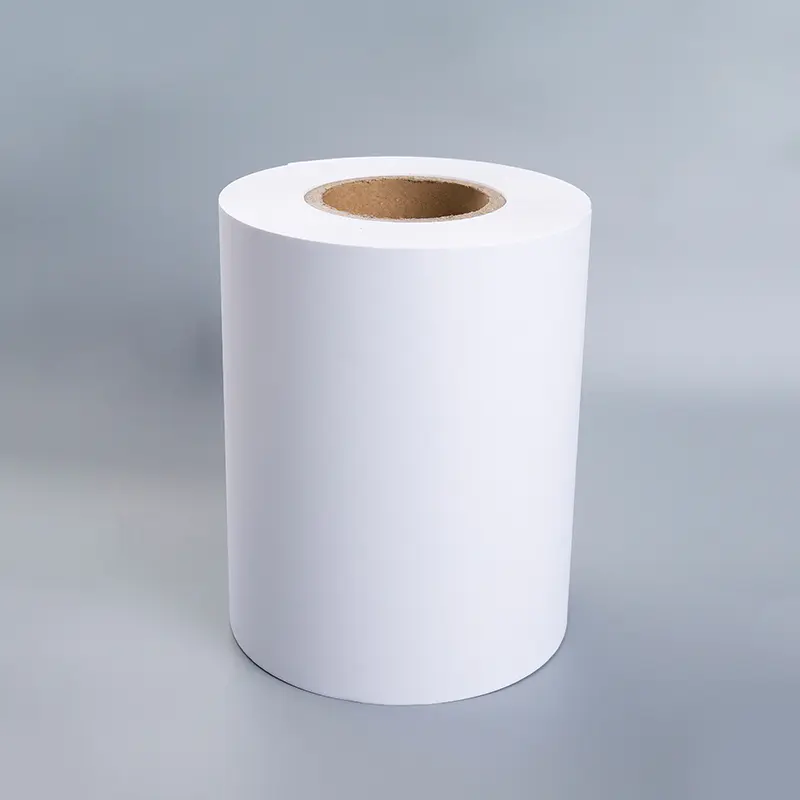
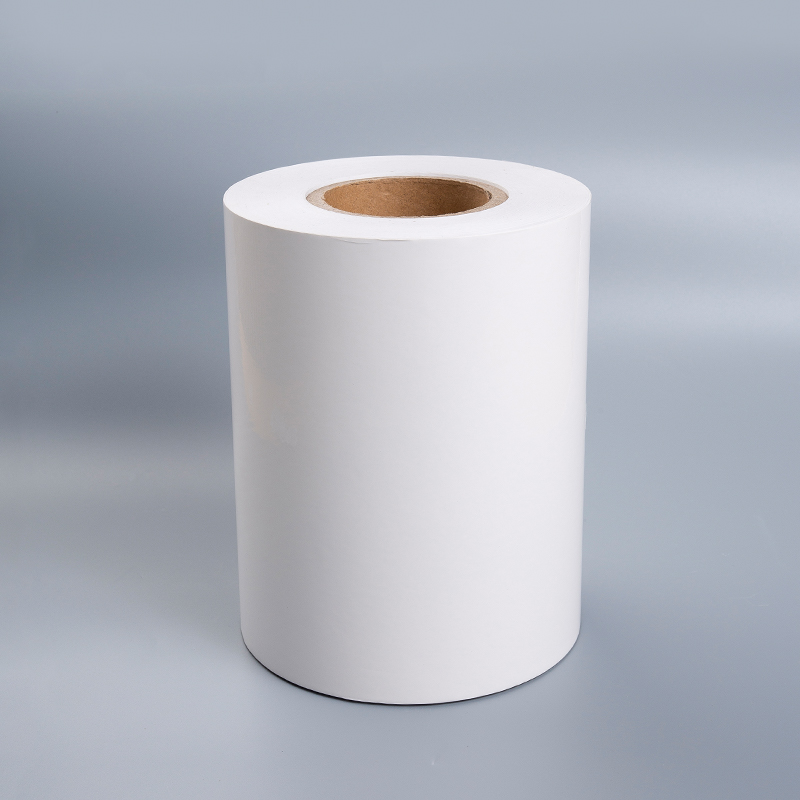
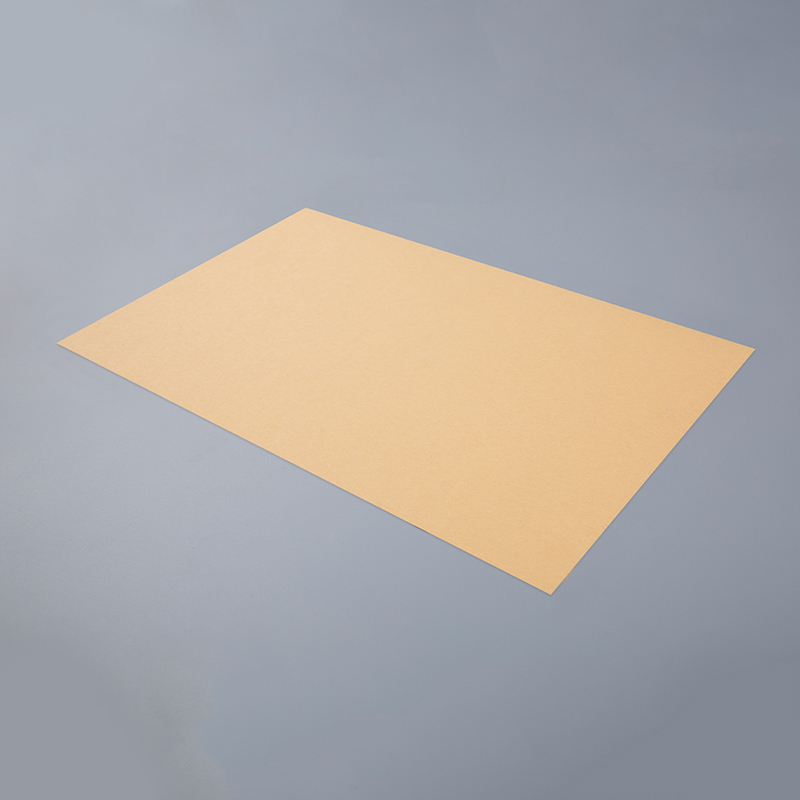
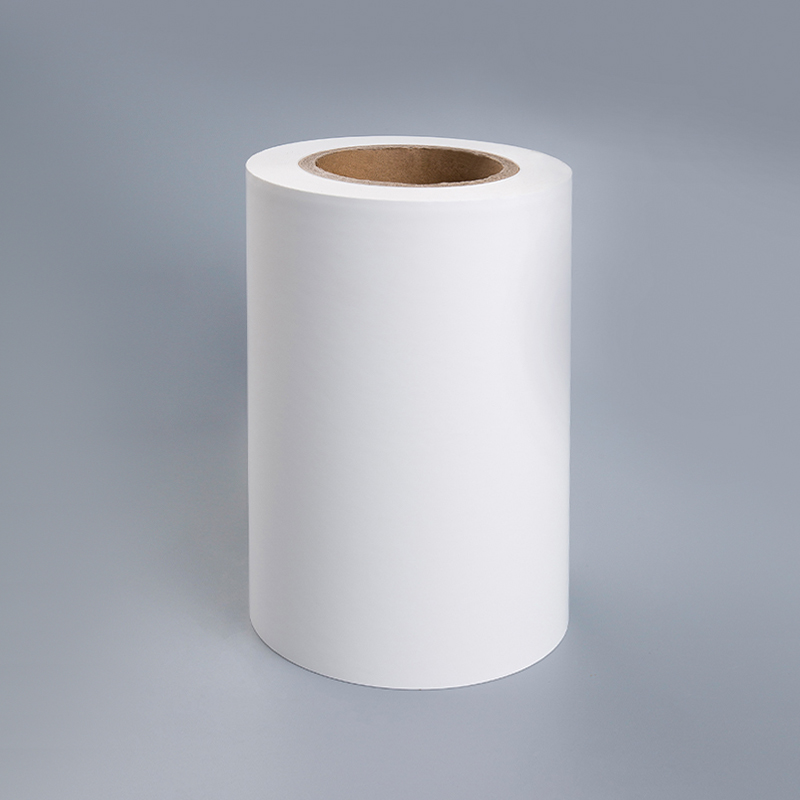
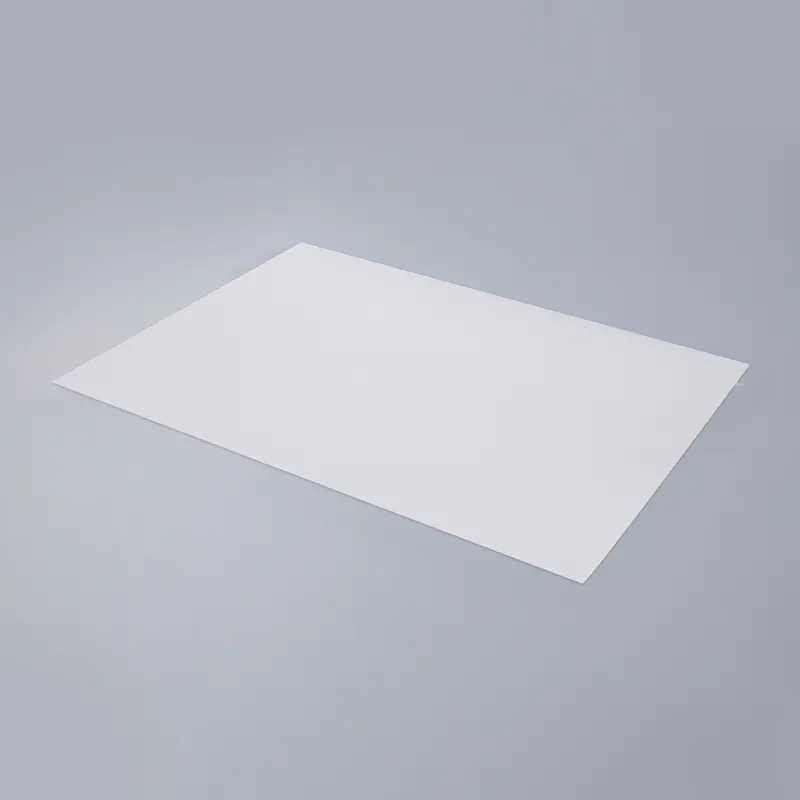
The standard liner is 90 gsm white release paper, but the product can also be supplied with glassine paper, release paper, art paper, or CCK liner in several grammages. These alternatives support different converting requirements, printing processes, dispensing methods, and end-use environments. The product can be supplied in jumbo roll widths of 1000 mm, 1020 mm, 1080 mm, and 1530 mm. Sheet sizes such as A4, A3, 20 x 30, 21 x 30, 24 x 36, 50 cm x 70 cm, and 70 cm x 100 cm are available, and customized sizes can also be produced.
The material is suitable for roll or sheet supply. Packaging options include sea-transit-worthy poly-wood pallet packing and carton packing. For sheets, 100 sheets per ream can be packed with strong PE-coated kraft paper wrappers, and pallets can be wrapped with stretch film and fastened with plastic belts. This packaging design helps protect the material from moisture, dust, deformation, and transit damage during domestic and international delivery.
Key Technical Specifications
Item |
Standard Specification |
Available Options |
Face Material |
75 gsm woodfree paper |
70 gsm, 80 gsm, 100 gsm, 120 gsm, and 140 gsm woodfree paper |
Adhesive |
Hot melt adhesive |
Water-based adhesive, solvent adhesive, removable adhesive, anti-freeze adhesive, cryogenic adhesive, tyre-grade rubber adhesive |
Release Liner |
90 gsm white release paper |
Glassine paper, release paper, art paper, CCK liner in multiple grammages |
Jumbo Roll Width |
1000 mm, 1020 mm, 1080 mm, 1530 mm |
Customized widths available according to order requirements |
Sheet Size |
A4, A3, 20 x 30, 21 x 30, 24 x 36, 50 cm x 70 cm, 70 cm x 100 cm |
Customized sheet sizes available |
Applications |
Retail, supermarkets, warehousing, logistics, medical supplies, carton stickers, office labels |
Other general self-adhesive paper label applications |
Packaging |
Roll or sheet packing on strong pallets |
Carton packing, PE-coated kraft paper ream packing, stretch-film pallet protection |
Why Woodfree Paper Matters in Label Materials
Woodfree paper is widely used in label production because it offers a good balance of surface quality, opacity, stiffness, and print compatibility. Although the term “woodfree” may sound like the paper contains no wood-derived fiber, it usually means that the paper is made from chemically processed pulp with most lignin removed. This improves brightness, stability, and resistance to yellowing compared with papers containing higher levels of mechanical pulp.
For label applications, this is important because labels often need to remain visually clear throughout storage, distribution, and use. A carton label in a warehouse, a price label in a supermarket, or a medical supply label must remain readable. The surface must accept ink, toner, writing instruments, or printed codes with adequate clarity. Woodfree paper supports these needs by providing a uniform structure and dependable surface performance.
Compared with lower-grade paper label materials, woodfree paper generally offers better formation, smoother printing results, and a cleaner appearance. These properties improve barcode readability, text definition, and graphic presentation. In business environments where labels influence inventory accuracy, brand perception, and operational efficiency, the paper surface is not a minor detail. It is part of the functional performance of the label.
The availability of multiple grammages also gives users flexibility. A 75 gsm woodfree paper face stock is suitable for many standard applications, while heavier options such as 100 gsm, 120 gsm, and 140 gsm can be selected when extra rigidity, better opacity, or a more premium feel is required. Lighter options such as 70 gsm or 80 gsm can be suitable for cost-sensitive or high-volume label production where efficient material usage matters.
The Role of the White Release Liner
The white release liner is not visible after the label is applied, but it is essential to the product’s performance before application. The liner protects the adhesive, supports the label during printing and converting, and enables the label to be removed smoothly when it is ready for use. A poor liner can cause die-cutting issues, curling, tearing, adhesive contamination, or inconsistent release force. A stable liner improves efficiency throughout the entire label supply chain.
The standard 90 gsm white release paper used in this material provides a reliable backing with suitable stiffness and handling strength. It helps maintain flatness and dimensional stability during sheeting, printing, and storage. Its white appearance also gives the material a clean look, which is useful for sheet labels, office labels, and labels handled directly by customers or workers.
In converting operations, liner strength and stability are especially important. During die-cutting, matrix stripping, slitting, and rewinding, the liner must withstand tension and mechanical stress. If the liner tears or releases inconsistently, production can be interrupted. A well-made white release liner reduces these risks and supports smoother processing. For businesses producing high volumes of labels, this stability directly contributes to lower downtime and better yield.
The product also offers other liner options, including glassine paper, release paper, art paper, and CCK liner in various grammages. Glassine liners can be selected for thinner, denser, and smooth backing requirements. CCK liners can be used when excellent dimensional stability is needed. Art paper liners can be chosen for specific handling or presentation requirements. This range of options allows the material to be configured for different printing technologies, die-cutting requirements, and end-use environments.
Adhesive Performance and Customization
The adhesive layer determines how the label bonds to the target surface. For many applications, the standard hot melt adhesive is a strong choice because it offers high initial tack, strong bonding, and good performance on common packaging and labeling substrates. It is especially useful where labels must adhere quickly during fast-paced packaging, warehousing, or retail operations.
Uniform glue coating is one of the key advantages of Woodfree Paper With White Release Liner. In self-adhesive products, uneven adhesive coating can lead to weak spots, edge lifting, adhesive bleed, curling, or inconsistent application. A uniform adhesive layer gives the label a stable bond across the entire surface. This helps prevent degluing and ensures the label stays in place during handling, storage, and transport.
High adhesion is especially important for outer box stickers, logistics labels, and warehouse identification labels. Boxes may be moved, stacked, exposed to changing temperatures, or handled repeatedly. A label that lifts or falls off can cause tracking errors, misdelivery, lost goods, or compliance problems. Strong adhesive performance helps protect the integrity of information throughout the product journey.
Different customers require different adhesive functions, which is why multiple adhesive options are available. Water-based adhesive can be selected for applications requiring good general performance and a more environmentally considerate adhesive system. Solvent adhesive can be used where stronger resistance or special bonding properties are needed. Removable adhesive is useful for temporary labels, office labels, promotional stickers, or surfaces where clean removal is required.
Anti-freeze adhesive and cryogenic adhesive are important for cold-chain and low-temperature environments. Labels applied to chilled or frozen goods must remain bonded even when ordinary adhesives become brittle or lose tack. Medical supplies, food logistics, and laboratory applications may require such temperature-resistant solutions. Tyre-grade rubber adhesive is available for demanding surfaces where high tack and special bonding characteristics are needed.
This adhesive customization gives the product a competitive advantage. Many standard label materials on the market provide only one general adhesive choice, which may not suit all environments. By offering a broad adhesive portfolio, Suzhou Piaozhihua can help customers select a structure that matches actual operating conditions rather than forcing customers to adapt their process to a limited material.
Advantages Over Ordinary Self-Adhesive Paper Materials
Woodfree Paper With White Release Liner offers several advantages over ordinary self-adhesive paper products. The first advantage is material consistency. A consistent face paper, evenly coated adhesive, and stable release liner reduce variation from roll to roll or sheet to sheet. This consistency matters for printers and converters because inconsistent material can cause registration problems, poor print results, curl, waste, and complaints from end users.
The second advantage is adhesion reliability. Many low-cost labels may appear acceptable during initial inspection, but they can fail after application. Edge lifting, bubbling, and complete detachment are common signs of inadequate adhesive quality or poor coating control. This product is designed for uniform glue and high adhesion, reducing the risk of degluing in daily use.
The third advantage is application versatility. The material can be used in retail, supermarket, warehouse, logistics, medical supply, office, and carton label applications. It can be supplied in jumbo rolls for converters, smaller rolls for printing operations, or sheets for office and commercial use. Multiple face grammages, adhesives, liners, widths, and sheet sizes allow broad customization.
The fourth advantage is process compatibility. A stable release liner and good surface quality help the material run more smoothly during printing, slitting, sheeting, and die-cutting. In industrial label production, machine downtime is costly. Materials that process reliably can help converters improve output, reduce operator intervention, and maintain delivery schedules.
The fifth advantage is packaging protection. Labels and self-adhesive materials can be sensitive to moisture, pressure, and deformation. Sea-transit-worthy pallet packing, PE-coated kraft paper ream wrapping, stretch film, and plastic fastening belts help preserve material quality during transportation. This is especially important for international customers who require stable quality after long-distance shipping.
The sixth advantage is support from an experienced manufacturer. The value of a self-adhesive material is not only found in specifications but also in manufacturing discipline, technical support, customization ability, and after-sales service. Suzhou Piaozhihua integrates research and development, production, sales, and after-sales service, giving customers a more complete supply experience.
Applications in Retail and Supermarkets
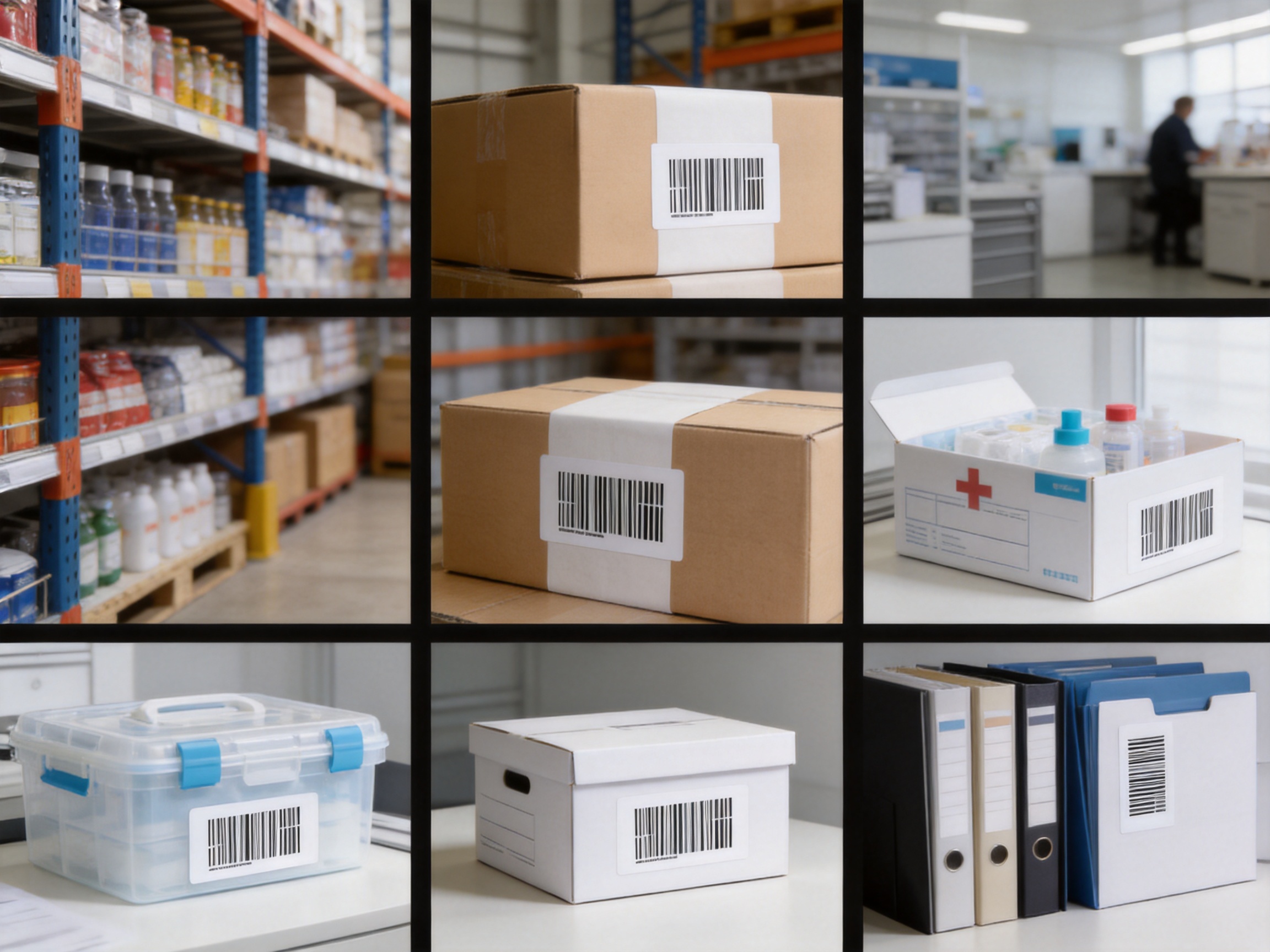
Retail and supermarket environments require labels that are clear, easy to print, fast to apply, and reliable throughout the sales cycle. Price labels, shelf labels, product identification labels, promotional labels, and inventory tags must remain legible and securely attached. Woodfree Paper With White Release Liner is well suited for these applications because it offers a clean print surface and strong adhesive performance.
In supermarkets, labels may be applied to cartons, plastic packaging, paper bags, containers, and display materials. They may be exposed to handling by staff and customers, temperature variation near refrigerated areas, or friction during shelf stocking. A label that peels too easily can create confusion and reduce operating efficiency. The product’s high adhesion helps maintain label placement on common retail surfaces.
The woodfree paper surface supports printed text, barcodes, batch numbers, pricing information, and product descriptions. Barcode readability is particularly important in retail because scanning errors slow checkout and inventory management. A clean paper surface helps improve print clarity and reduces the risk of misreading. For promotional labels or informational stickers, the paper can also present a clean and professional appearance.
For stores that use sheet labels in office printers, available sheet sizes such as A4 and A3 provide practical convenience. For label converters serving retail customers, jumbo roll supply and customized sizes support large-scale production. This flexibility allows the same material concept to serve both centralized label production and decentralized in-store labeling needs.
Applications in Warehousing and Logistics
Warehousing and logistics are among the most demanding everyday environments for labels. A logistics label carries essential information such as shipping address, tracking code, barcode, product identification, batch number, storage location, or handling instruction. If the label falls off or becomes unreadable, the result can be misplaced goods, delayed delivery, or costly operational errors.
Woodfree Paper With White Release Liner is applicable to warehousing and logistics because it combines high adhesion with reliable printability. Labels can be applied to outer boxes, cartons, shipping packages, pallets, and inventory containers. The adhesive must bond quickly and remain stable during movement, stacking, and handling. The liner must support efficient printing and dispensing so that labels can be produced and applied at scale.
In warehouse operations, speed matters. Workers may apply hundreds or thousands of labels in a short time. A label material that releases smoothly from its liner and bonds quickly to the substrate improves workflow. Labels that curl, tear, or refuse to release properly slow operations and create waste. The white release liner contributes to controlled release and easier handling.
For logistics companies, customization may be needed based on climate and surface type. Some labels may be applied in cold warehouses, during winter transportation, or on rough corrugated cartons. Adhesive options such as anti-freeze adhesive, cryogenic adhesive, or tyre-grade rubber adhesive allow the product to be adapted to more difficult conditions. This helps customers avoid the risk of using a general-purpose adhesive in an unsuitable environment.
Applications in Medical Supplies and Office Use
Medical supply labels require clarity, organization, and dependable adhesion. Labels may be used on boxes, bags, containers, documents, or storage areas. Information such as product name, batch number, usage instruction, inventory code, and expiration date must remain readable. While not every medical supply label requires specialized regulatory material, everyday medical storage and packaging labels still need stable performance.
The clean surface of woodfree paper supports clear printing of text and codes. The adhesive can be selected according to the application surface and storage conditions. For low-temperature storage or medical logistics, anti-freeze or cryogenic adhesive may be selected. For temporary identification, removable adhesive may be preferred. This adaptability makes the product useful for a wide range of medical supply label needs.
In office use, self-adhesive paper labels are needed for files, folders, envelopes, packages, cabinets, name tags, event materials, notices, and administrative organization. A4 and A3 sheet options are convenient for office printing and manual application. Woodfree paper offers a familiar paper feel, good writing compatibility, and clean appearance. The white release liner makes labels easy to handle before use.
Office labels often require a balance between adhesion and removability. Some labels must stay permanently on folders or boxes, while others may need clean removal from temporary documents or equipment. By choosing between hot melt adhesive and removable adhesive, customers can configure the material for the right function. This prevents overbonding in temporary applications and underbonding in permanent ones.
Outer Box Stickers and General Packaging Labels
Outer box stickers are among the most common uses of self-adhesive paper materials. They may include shipping information, product descriptions, handling marks, batch details, warehouse codes, or promotional content. Corrugated boxes and carton surfaces can be challenging because they are porous, uneven, and exposed to friction. Strong initial tack and good adhesive coverage are needed to ensure the label stays attached.
Woodfree Paper With White Release Liner is suitable for outer box stickers because the standard hot melt adhesive offers strong bonding on common packaging substrates. The uniform glue coating helps the label make consistent contact with the carton surface. When labels remain flat and bonded, they protect the information printed on them and maintain the professional appearance of packaged goods.
For export packaging, label reliability becomes even more important. Packages may travel through different climates, warehouses, ports, trucks, and distribution centers. If a label fails during transportation, it can create customs, inventory, or delivery problems. A dependable self-adhesive material reduces this risk and supports smoother supply chain management.
The ability to supply jumbo rolls and customized sheet sizes also benefits packaging label producers. Converters can process jumbo rolls into the exact label format required by their customers. Sheet labels can be supplied for businesses that apply labels manually or print them internally. This makes the product useful across both industrial and commercial packaging workflows.
Advanced Manufacturing Process
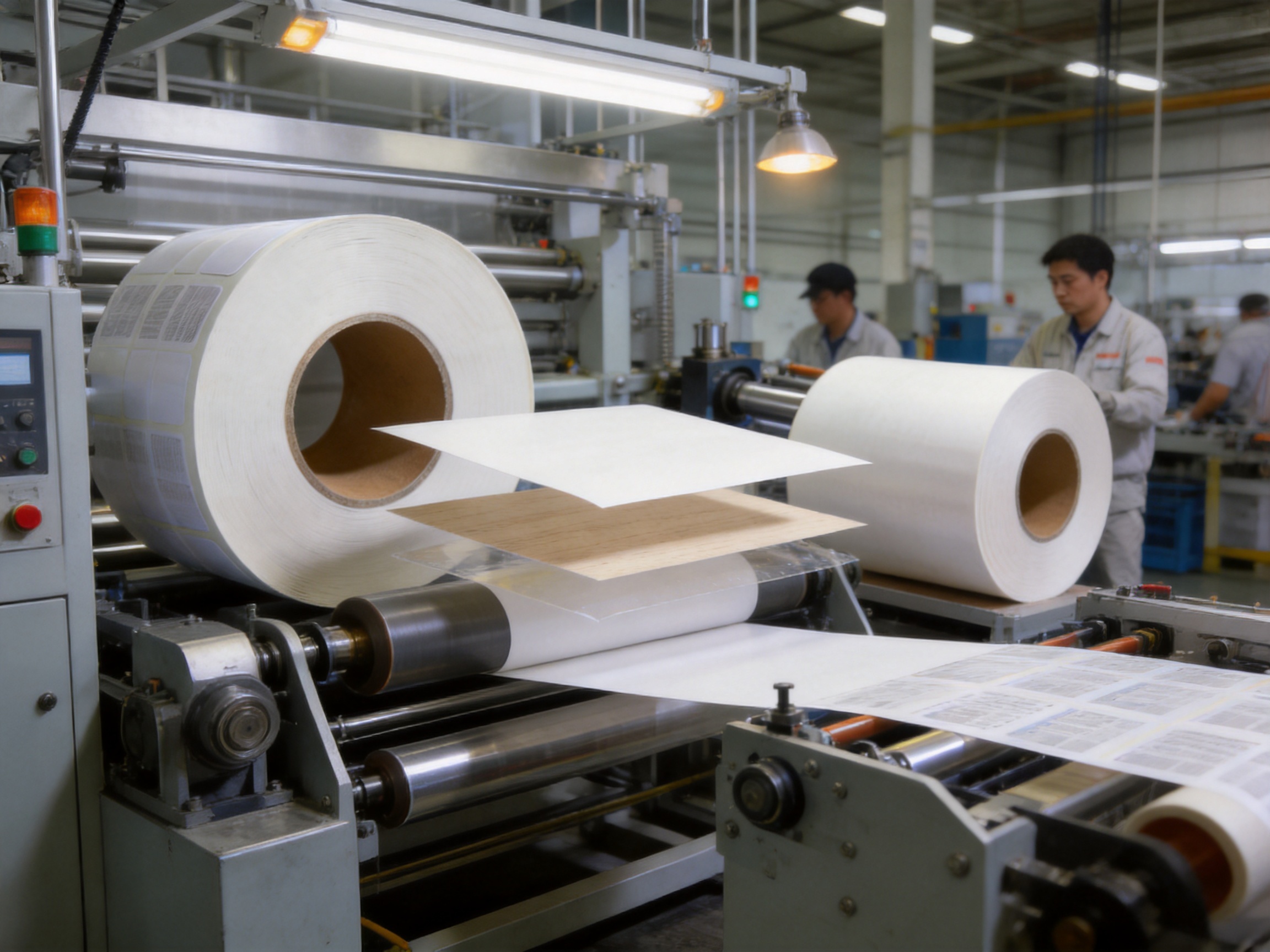
The quality of a self-adhesive label material depends heavily on manufacturing control. Even when the face paper, adhesive, and liner are well selected, poor coating or lamination can reduce performance. Suzhou Piaozhihua Composite Material Technology Co., Ltd. has developed integrated production lines covering gluing, laminating, and cutting. This integration helps control the full process from material combination to final roll or sheet supply.
During adhesive coating, the adhesive must be applied at a controlled weight and with consistent distribution. Too little adhesive may cause weak bonding. Too much adhesive may cause edge ooze, contamination, blocking, or difficulty in die-cutting. Uniform glue is one of the product’s important stated characteristics, and it is achieved through controlled coating technology and process monitoring.
After coating, lamination combines the face material, adhesive layer, and release liner into a stable self-adhesive construction. Proper lamination requires accurate tension control, smooth contact, and stable web handling. If tension is uneven, the material may curl, wrinkle, or develop internal stress. If lamination pressure is not controlled, adhesive contact may become inconsistent. Advanced laminating equipment helps produce flat and reliable material.
Cutting and finishing are also important. Jumbo rolls must be slit cleanly to customer widths, while sheets must be cut accurately to specified dimensions. Rough edges, dust, telescoping rolls, or poor winding can affect later printing and converting. The company’s cutting capability supports roll and sheet supply from stock, as well as customized dimensions for specific customer requirements.
Quality inspection is built into the production concept. The company has its own testing lab and advanced inspection equipment. This supports evaluation of adhesive performance, release properties, surface quality, dimensional accuracy, and overall product appearance. Inspection helps prevent defective materials from reaching customers and supports continuous improvement in manufacturing.
Production Capacity and Supply Strength
Reliable supply is a major factor when selecting a self-adhesive material manufacturer. Customers in printing, packaging, retail, logistics, and distribution often depend on stable material availability. Delays can interrupt label production, shipping schedules, or retail operations. Suzhou Piaozhihua has an annual production capacity of more than 280 million square meters, placing it among the leading self-adhesive product manufacturers in China.
Large production capacity provides several benefits. It enables the company to support high-volume orders, maintain stock for standard materials, and respond to seasonal demand. It also helps customers consolidate procurement because they can source multiple label material structures from one experienced supplier. For international customers, strong capacity reduces the risk of supply interruption and supports long-term cooperation.
The company has nationwide sales coverage in China, including direct sales networks in Shanghai, Ningbo, Hangzhou, Chengdu, Harbin, Wuhan, Chongqing, Guangzhou, Changsha, Beijing, and many franchise chains. Internationally, it has built a marketing network across countries and regions such as the United States, Germany, Japan, South Korea, Brazil, Mexico, Russia, and the Middle East, covering Asia, Europe, the Americas, Africa, and other regions.
This market reach demonstrates that the company is not only a manufacturer but also a stable long-term supplier with experience serving different customer requirements. Export customers often require stable packaging, clear communication, technical customization, and consistent quality after long transit. The company’s export-oriented packaging and international market experience help address these needs.
OEM and ODM Customization Capabilities
One of the strongest advantages of this product and its manufacturer is customization. Self-adhesive label materials are not one-size-fits-all. A label used on a supermarket shelf does not face the same conditions as a label used in frozen logistics or on a tyre. A file folder label does not need the same adhesive as a carton label. By offering OEM and ODM services, the manufacturer can produce products based on customer drawings, samples, or technical requirements.
Customization can begin with the face material. Customers can choose different woodfree paper grammages according to printing method, label size, stiffness, opacity, cost target, and application style. Heavier paper may be selected for high-quality labels, while lighter paper may be selected for efficient mass production.
Adhesive customization is equally important. Hot melt adhesive is suitable for many standard labels, but water-based, solvent, removable, anti-freeze, cryogenic, and tyre-grade rubber adhesives extend the product’s application range. Technical consultation can help customers avoid common mistakes, such as using permanent adhesive where removability is required or using ordinary adhesive in cold storage conditions.
Liner customization supports converting and dispensing performance. Some customers require thicker liners for manual handling, while others prefer thinner liners for roll efficiency. Some need glassine for smooth high-speed converting, while others need CCK for stability. The manufacturer can match liner type and grammage to the production process and application environment.
Size customization is also valuable. Jumbo roll widths such as 1000 mm, 1020 mm, 1080 mm, and 1530 mm are available, but custom widths can help converters reduce trimming waste and improve production efficiency. Sheet sizes can also be customized, allowing customers to match printing equipment, packaging requirements, and label layout.
Quality Assurance and Testing
Quality assurance in self-adhesive materials involves more than checking appearance. A label material must be evaluated for adhesive strength, release force, coating uniformity, surface cleanliness, thickness, grammage, moisture content, flatness, winding quality, and dimensional accuracy. Problems in any one of these areas can affect printing, converting, storage, or final application.
The company’s own testing lab and advanced inspection equipment support systematic quality control. Testing can verify whether the adhesive performs as required, whether the liner releases properly, and whether the material remains stable under expected conditions. For customized products, testing is especially important because the structure may be designed for special surfaces, temperatures, or converting methods.
Inspection during production helps identify issues early. If adhesive coating weight shifts, if tension creates wrinkles, or if liner release becomes unstable, corrective action can be taken before large volumes are affected. This process control is one of the differences between experienced manufacturers and lower-grade suppliers who rely only on final visual inspection.
For customers, quality assurance means fewer complaints, less waste, and more predictable production. Printers and converters can run material with greater confidence. Retailers and logistics companies can trust the labels to remain attached. International distributors can reduce the risk of receiving material that fails after long shipping. In this way, quality control becomes a direct economic advantage.
Packaging and Delivery Protection
Self-adhesive paper materials must be protected during storage and transportation. Paper can absorb moisture, deform under pressure, or become damaged by dust and rough handling. Adhesive materials can also be affected by temperature and compression. Proper packaging helps preserve product quality from factory to customer.
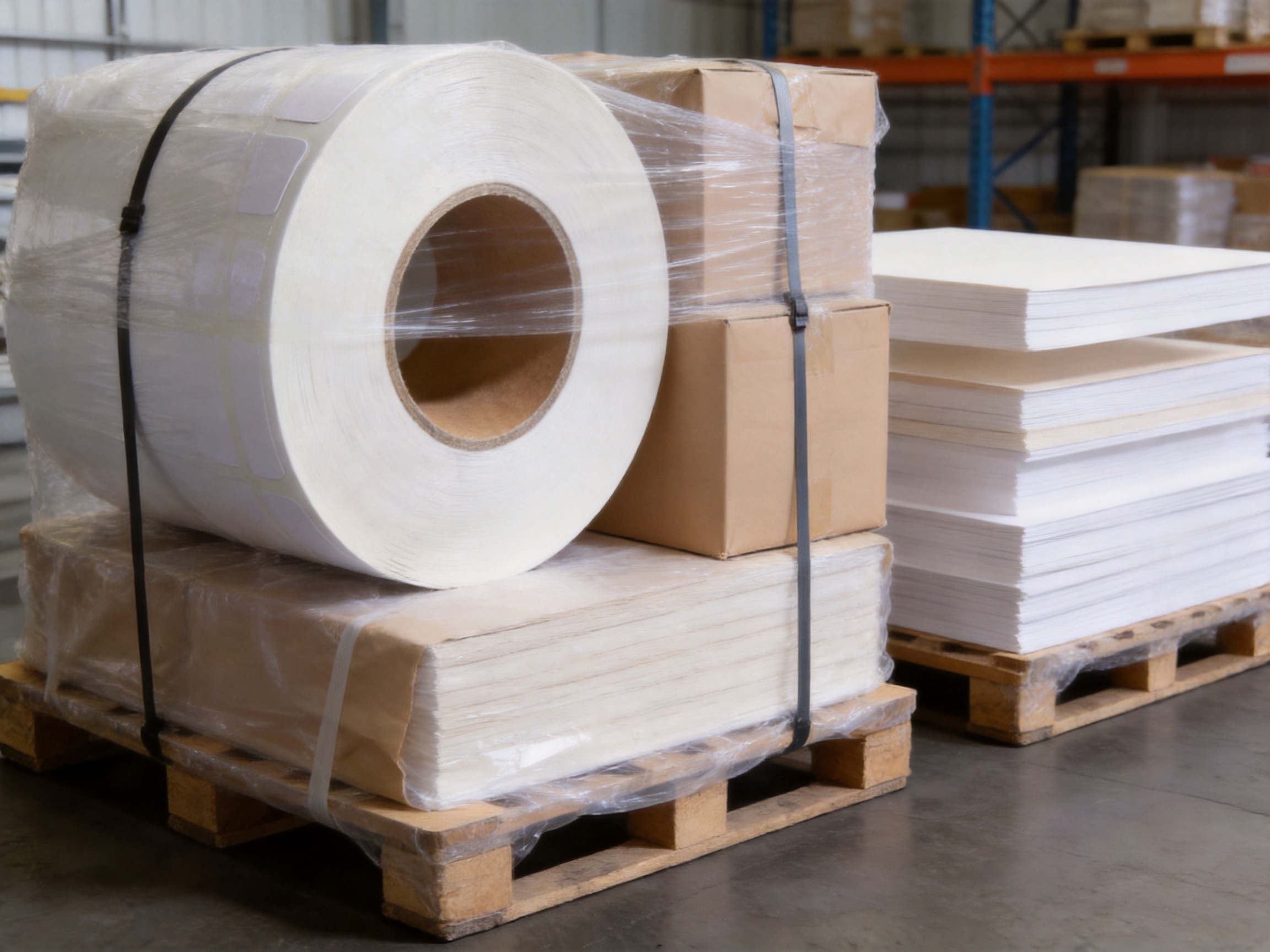
The product can be supplied with sea-transit-worthy poly-wood pallet packing and carton packing for rolls or sheets from stock. Sheet products can be packed as 100 sheets per ream, with each ream wrapped in strong PE-coated kraft paper. Pallets are wrapped with stretch film and fastened with plastic fastening belts. This approach provides physical stability and moisture resistance during handling and shipment.
For export orders, pallet strength and moisture protection are particularly important. Long-distance shipping may involve sea freight, warehousing, customs inspection, and multiple handling stages. Poor packing can lead to crushed edges, warped sheets, loose rolls, or moisture-affected material. Strong pallet and ream packaging reduces these risks and helps the customer receive usable material.
Good packaging also supports inventory management. Clearly packed rolls and sheets are easier to store, count, and distribute. Ream packing for sheets helps protect unused material after partial consumption. Stable roll packing protects edges and winding quality, which is important for later printing and slitting operations.
Sustainability and Environmental Direction
The label industry is increasingly influenced by sustainability expectations. Customers are looking for materials that support responsible production, reduced waste, and more environmentally considerate solutions. Suzhou Piaozhihua has positioned sustainable development and environmental protection as important parts of its brand direction. The company develops eco-friendly solutions involving face materials, adhesives, and backing papers to meet customer needs.
Woodfree paper label materials can support practical sustainability goals when produced and used efficiently. A stable material reduces waste during printing and converting. Strong adhesion reduces the need for relabeling. Proper customization prevents overengineering, allowing customers to select the right grammage, adhesive, and liner rather than using unnecessarily heavy or unsuitable materials.
Water-based adhesive options may be selected for applications where customers prefer adhesive systems with reduced solvent concerns. Efficient jumbo roll supply can reduce conversion waste when width is matched correctly. Reliable packaging can reduce damage-related waste during transit. These practical details contribute to a more responsible supply chain.
Sustainability in self-adhesive labels is not only about one material component. It requires integrated thinking across paper selection, adhesive chemistry, liner design, production efficiency, shipping protection, and end-use performance. The company’s R&D and customization capabilities allow customers to explore more suitable structures for their environmental and operational objectives.
How to Select the Right Configuration
Selecting the right Woodfree Paper With White Release Liner configuration begins with understanding the label application. The first question is where the label will be applied. Smooth paper cartons, rough corrugated boxes, plastic containers, metal shelves, medical packaging, and office folders all have different surface characteristics. Adhesive choice should match the substrate.
The second question is the environment. Labels used at room temperature may perform well with standard hot melt adhesive, while labels used in cold storage may require anti-freeze or cryogenic adhesive. Labels exposed to handling, friction, or long transportation may need stronger bonding. Temporary labels may require removable adhesive.
The third question is the printing and converting method. Sheet-fed office printing may require A4 or A3 sheets with good flatness. Industrial label printing may require jumbo rolls with stable winding and controlled release. Die-cutting applications may require liner strength and release properties suited to the cutting equipment. High-speed processing may benefit from specific liner choices such as glassine or CCK.
The fourth question is the desired label appearance and feel. Standard 75 gsm woodfree paper is suitable for many general labels. Heavier face papers can provide stronger handling, higher opacity, and a more substantial feel. Lighter papers can help reduce material usage and cost for simple labels.
The fifth question is storage and transport. If the material will be shipped internationally or stored for a long time, packaging and storage conditions should be considered. Customers should keep self-adhesive materials in clean, dry environments away from excessive heat, cold, and humidity. Proper storage helps maintain adhesive and paper performance before use.
Competitive Value for Printers, Converters, and End Users
For label printers, this product offers a dependable base material that supports print clarity, process stability, and customer satisfaction. The woodfree paper surface is suitable for common label printing requirements, while the liner supports smooth handling. Printers benefit from fewer material-related interruptions and more consistent output.
For converters, the product’s jumbo roll availability, multiple widths, adhesive choices, and liner options provide flexibility. Converters can process the material into many label formats for retail, logistics, office, medical supply, and packaging customers. Stable coating and lamination help improve die-cutting and slitting efficiency.
For distributors, the broad application range makes the product easier to promote across different customer groups. Instead of carrying many unrelated materials, distributors can use this customizable structure to serve several market segments. Strong manufacturer capacity and export packaging support reliable inventory planning.
For end users, the value is simple: labels stay attached, print clearly, and are easy to use. A supermarket worker, warehouse operator, office administrator, or medical supply manager may not think about adhesive coating or liner release, but they immediately notice when labels fail. This product is designed to prevent such everyday problems.
Compared with competitors that offer limited customization, lower consistency, or weaker technical support, Woodfree Paper With White Release Liner provides a more complete value package. It combines material performance, manufacturing control, supply capability, customization, and after-sales service. This makes it suitable not only for standard label needs but also for customers seeking a long-term self-adhesive material partner.
Company Strength Behind the Product
Suzhou Piaozhihua Composite Material Technology Co., Ltd. is a private company specializing in high-grade self-adhesive labels and label materials. The company integrates research and development, production, sales, and after-sales service. With full production lines for gluing, laminating, and cutting, it has built strong manufacturing capability and a complete supply system.
The company’s more than 20 years of OEM manufacturing experience gives it practical knowledge of different markets, surfaces, climates, printing methods, and customer expectations. This experience is valuable because self-adhesive materials are affected by many variables. Customers often need more than a catalog; they need technical support and suitable recommendations.
The company maintains a professional R&D team and multiple patents, supporting innovation and product upgrading. Its quality manufacturing concept has been developed over more than two decades and has earned recognition from customers. The company’s values include quality, integrity, innovation, win-win cooperation, and responsibility. These values are reflected in its focus on reliable production, customer service, and sustainable development.
As a long-term supplier in domestic and international markets, the company understands the need for stable quality and responsive service. Its direct sales networks and global marketing reach support communication and supply. For buyers of Woodfree Paper With White Release Liner, this background reduces procurement risk and increases confidence in long-term cooperation.
Q&A Section
What is Woodfree Paper With White Release Liner?
It is a self-adhesive paper label material made with a woodfree paper face stock, an adhesive layer, and a white release paper liner. It is used to produce labels for retail, supermarkets, warehousing, logistics, medical supplies, outer box stickers, office use, and other general labeling applications.
What is the standard material structure?
The standard structure uses 75 gsm woodfree paper as the face material, hot melt adhesive as the adhesive layer, and 90 gsm white release paper as the liner. Other face paper grammages, adhesives, liners, roll widths, and sheet sizes are available according to customer requirements.
Why is woodfree paper suitable for labels?
Woodfree paper provides a clean, stable, and printable surface. It supports clear text, barcodes, and general label graphics. It also offers good appearance and handling for commercial, office, retail, and logistics label applications.
What are the main advantages of the white release liner?
The white release liner protects the adhesive before use, supports printing and converting, and allows the label to be removed smoothly when applied. A stable liner helps reduce tearing, curling, release problems, and production interruptions.
Can the adhesive be customized?
Yes. In addition to standard hot melt adhesive, the product can be supplied with water-based adhesive, solvent adhesive, removable adhesive, anti-freeze adhesive, cryogenic adhesive, and tyre-grade rubber adhesive. This allows the material to match different surfaces and environments.
Is the product suitable for cold storage labels?
It can be configured for low-temperature applications by selecting anti-freeze adhesive or cryogenic adhesive. Customers should describe the application temperature, surface, and storage conditions so the manufacturer can recommend a suitable adhesive structure.
Can this product be supplied in sheets?
Yes. Sheet sizes such as A4, A3, 20 x 30, 21 x 30, 24 x 36, 50 cm x 70 cm, and 70 cm x 100 cm are available. Customized sheet sizes can also be produced.
Can this product be supplied in jumbo rolls?
Yes. Jumbo roll widths include 1000 mm, 1020 mm, 1080 mm, and 1530 mm. Customized widths can also be produced depending on order requirements and production feasibility.
What makes this material different from ordinary self-adhesive paper?
Its advantages include uniform glue coating, high adhesion, stable release liner performance, multiple customization options, reliable packaging, and support from an experienced manufacturer with integrated gluing, laminating, cutting, testing, and R&D capabilities.
What packaging is available?
Rolls and sheets can be packed with sea-transit-worthy poly-wood pallet packing or carton packing. Sheets can be packed as 100 sheets per ream with strong PE-coated kraft paper wrappers. Pallets are wrapped with stretch film and secured with plastic fastening belts.
Who manufactures this product?
The product is manufactured by Suzhou Piaozhihua Composite Material Technology Co., Ltd., a China-based manufacturer specializing in self-adhesive label materials with more than 20 years of OEM experience, advanced production lines, a testing lab, and strong customization capability.
Conclusion
Woodfree Paper With White Release Liner is a practical and reliable self-adhesive label material designed for everyday commercial and industrial labeling needs. Its combination of woodfree paper face stock, uniform adhesive coating, and white release liner gives it strong performance in printing, converting, handling, and application. It is suitable for stores, supermarkets, warehousing, logistics, medical supplies, outer box stickers, office labels, and many other uses.
The product’s competitive strength lies in its balance of standard reliability and customization flexibility. Customers can choose different face paper grammages, adhesive types, liner materials, roll widths, and sheet sizes. This allows the material to serve both common labeling tasks and more specialized environments such as cold storage, temporary labeling, or demanding carton applications.
Behind the product is a manufacturer with integrated production lines, advanced manufacturing processes, a testing laboratory, strong R&D capability, and more than 20 years of experience. Suzhou Piaozhihua Composite Material Technology Co., Ltd. provides not only material supply but also technical support, OEM and ODM customization, stable production capacity, and international delivery experience.
For customers seeking a self-adhesive paper material that offers dependable adhesion, clean printability, smooth release, good packaging protection, and a reliable manufacturing source, Woodfree Paper With White Release Liner is a strong choice. It helps reduce label failure, improve production efficiency, support diverse applications, and create value throughout the label supply chain.
References
1. Pressure Sensitive Tape Council. Pressure Sensitive Adhesive Technology and Application Principles.
2. FINAT. Technical Handbook for Self-Adhesive Label Materials and Converting.
3. Handbook of Pressure-Sensitive Adhesive Technology, edited by Donatas Satas.
4. Paper and Paperboard Packaging Technology, edited by Mark J. Kirwan.
5. Labels and Labeling Industry Guide to Pressure-Sensitive Label Materials.
6. Internal product specifications and manufacturing information provided for Woodfree Paper With White Release Liner.