
 English
 Español
 русский
 Français
 عربى
Walk down any supermarket aisle and you will pass hundreds of labels before you reach the checkout — on bottles, jars, cartons, film pouches and shipping boxes. Every one of them started life as a wide roll of material that someone had to coat with adhesive, laminate to a release liner and slit to a width a press could handle. That is the world adhesive label manufacturers work in, and if you are sourcing material for a print shop or a brand, understanding how that world actually operates will save you far more money than a spreadsheet of price-per-square-metre ever will.
We have spent twenty years on the coating side of this industry, which means we have seen a great many jobs go beautifully and a fair number go wrong for reasons that had nothing to do with price. This article is what we would tell a new customer over a factory visit: what a material supplier really does, which specifications matter, and what to ask before you commit to a first order.
Content
- 1 What Adhesive Label Manufacturers Actually Do
- 2 The Material Range a Serious Supplier Should Carry
- 3 Why the Adhesive Matters as Much as the Face Stock
- 4 Questions Worth Asking Before Your First Order
- 5 Capacity, Customization and What Delivery Realistically Looks Like
- 6 Matching the Material to the Job
What Adhesive Label Manufacturers Actually Do
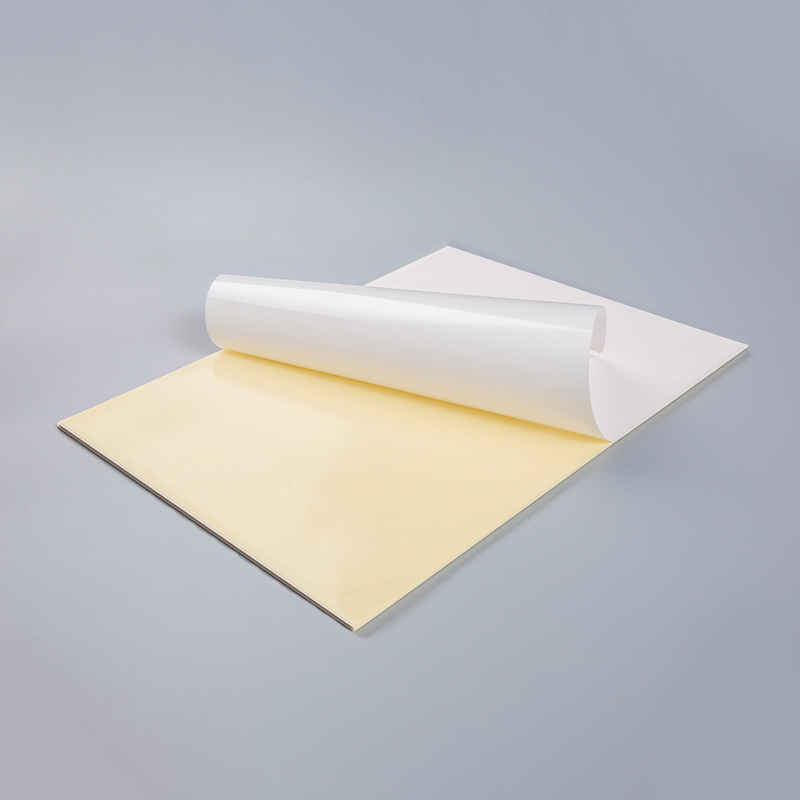
A label is a sandwich, and the manufacturer builds the sandwich rather than the finished label. Three functional layers matter:
- Face stock — the paper or film that gets printed. It decides how the label looks and how it behaves on the press.
- Adhesive — the acrylic, hot melt, solvent or removable chemistry that decides where the label will stick, and how permanently.
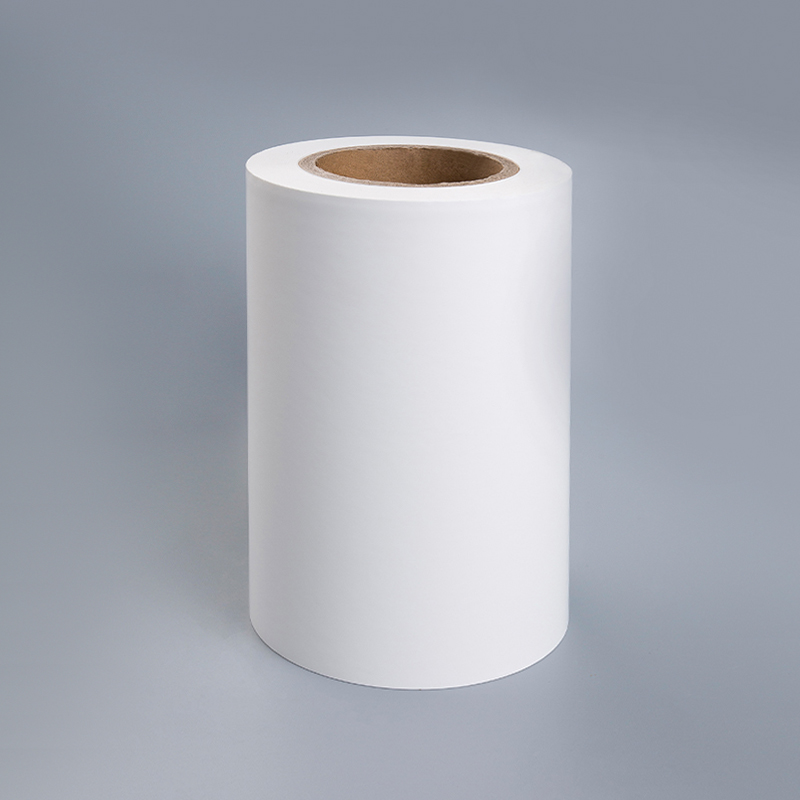
- Release liner — the glassine paper or PET film that carries the label to the applicator and lets it peel away cleanly.
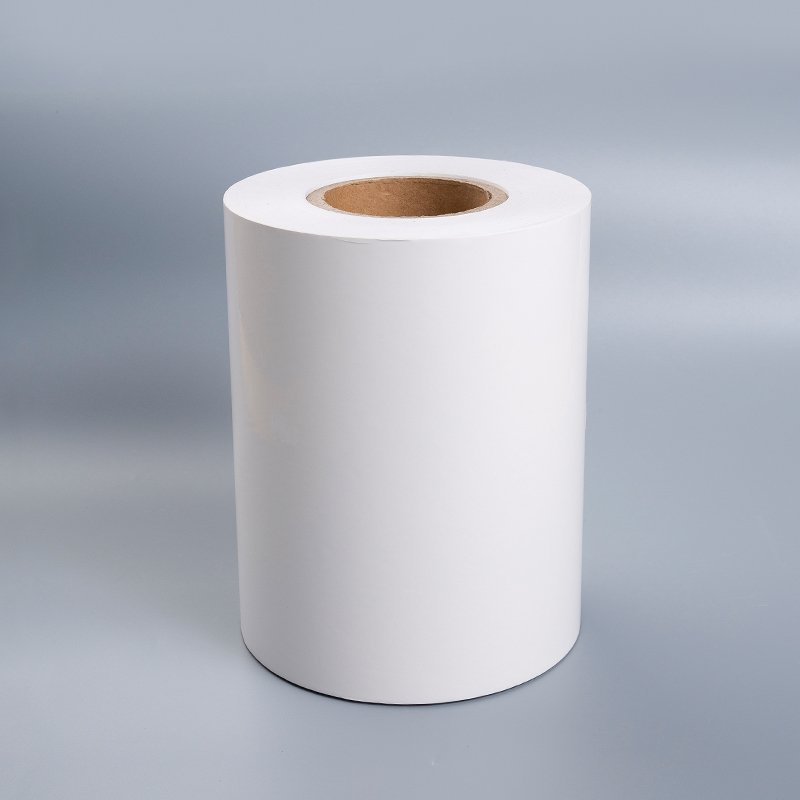
The manufacturing steps are consistent across the industry: adhesive is coated onto the face stock or transferred from the liner, the layers are laminated together under controlled tension, and the finished web is slit into rolls or sheeted. What separates one supplier from another is how tightly those three variables are controlled batch to batch, because a liner that changes caliper by a few microns between deliveries can turn a smooth die-cutting job into a scrap pile.
It also helps to know who is who in the chain. Material manufacturers sit in the middle: upstream of them are pulp, film and chemical suppliers, and downstream are label converters, who print and die-cut, and then brand owners. A material supplier who understands the converter's press is worth more than one who only understands their own coating line.
The Material Range a Serious Supplier Should Carry
Most label work falls into four material families. A supplier who only offers one or two of them will either push you toward what they stock or send you elsewhere when your job changes — neither is convenient when a deadline is close.
| Family | Typical face stocks | Where it earns its keep | Worth verifying |
|---|---|---|---|
| Paper | Woodfree, cast coated, semi-glossy, thermal, kraft | FMCG labels, logistics, wine and spirits, retail printing | Coating weight, surface smoothness, whether thermal grades are top-coated |
| Film | Gloss white BOPP, synthetic paper, PVC, PET | Durable goods, cosmetics, automotive, outdoor and industrial use | Adhesive suitability for low surface energy plastics such as PET and PVC |
| Metallized and special | Aluminium foil in gold and silver, holographic laser film, fluorescent paper | Premium packaging, promotional and security-conscious work, HVAC sealing | Sheet versus roll format, and how the material handles on press |
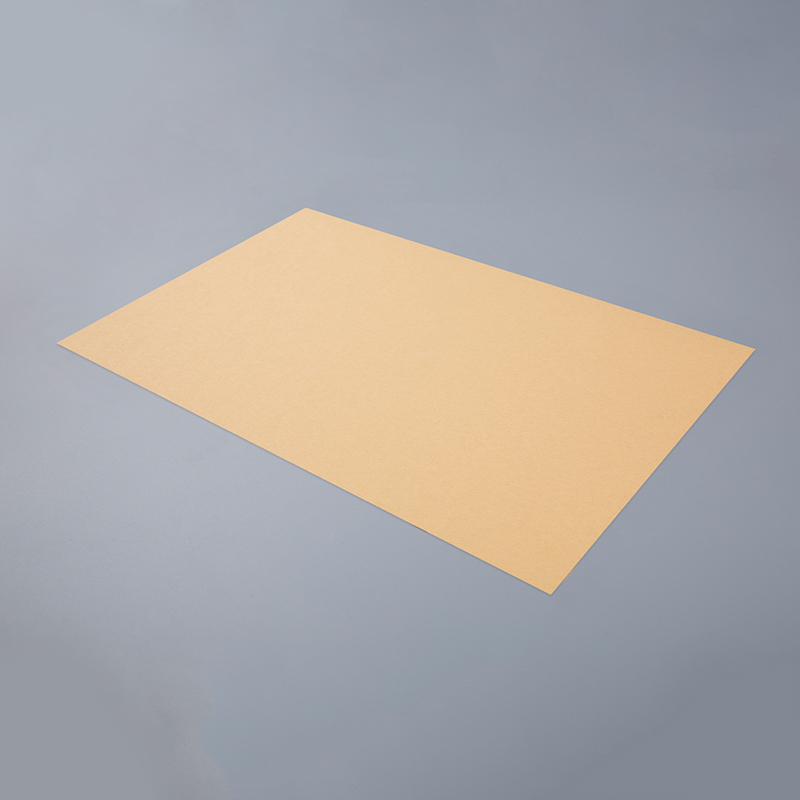
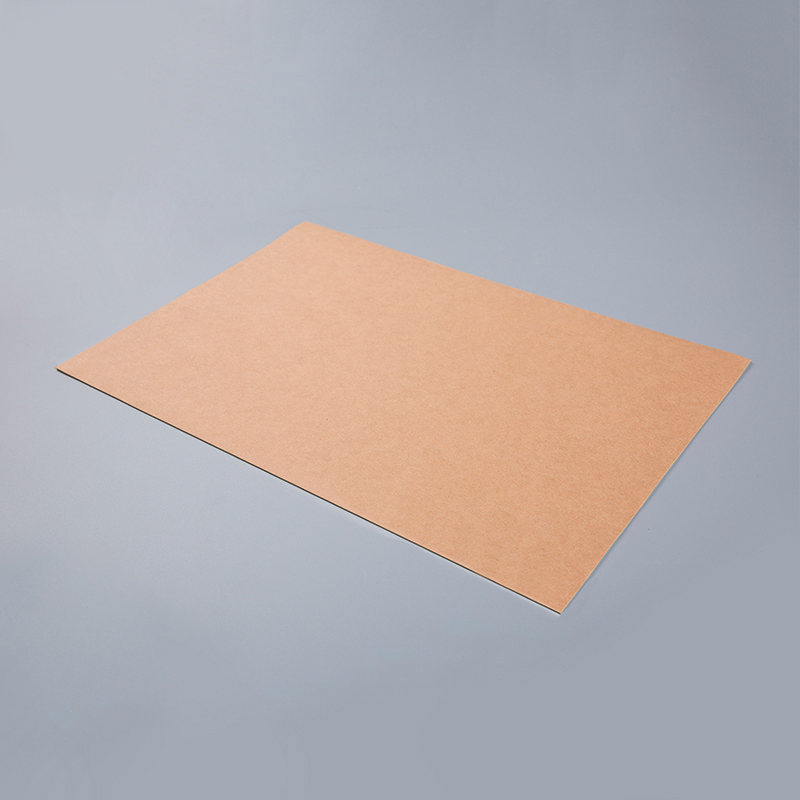
| Release liners | Glassine in white, blue and yellow, PE coated kraft, CCK, transparent PET film | Every die-cut job; liner choice drives dispensing speed | Caliper consistency, release force, curl after storage |
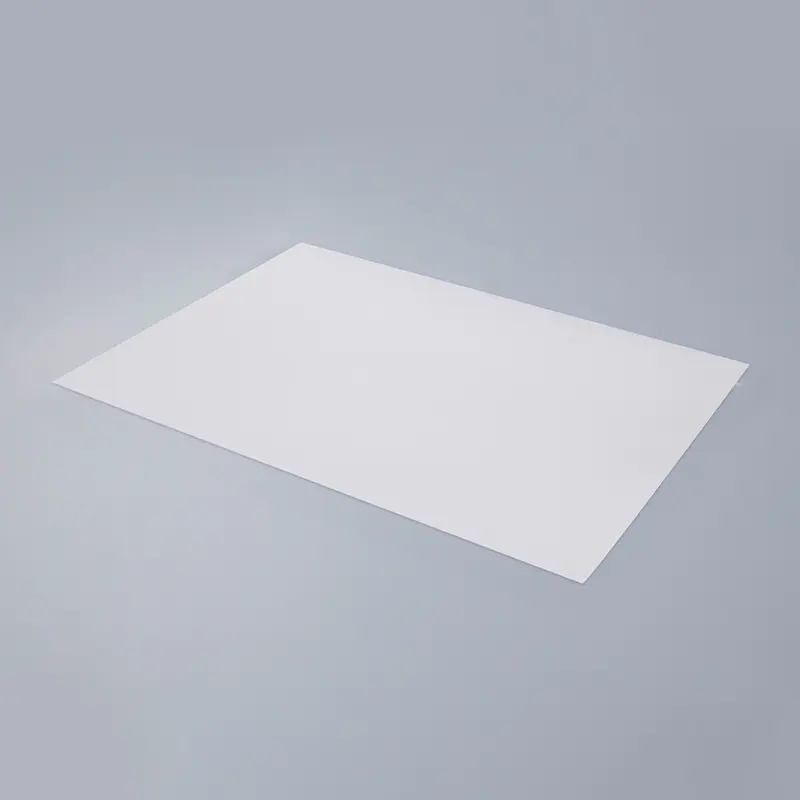
Paper remains the workhorse, and within it the difference between a standard woodfree sheet and a cast coated grade is immediately visible on a finished bottle. Cast coated surfaces take ink with a mirror-like density that suits premium packaging, while semi-glossy stocks balance readability and cost for high-volume retail work. On the film side, gloss white BOPP has become the default for squeezable and moisture-exposed products, with synthetic paper filling the gap where a paper-like feel is wanted alongside water resistance.
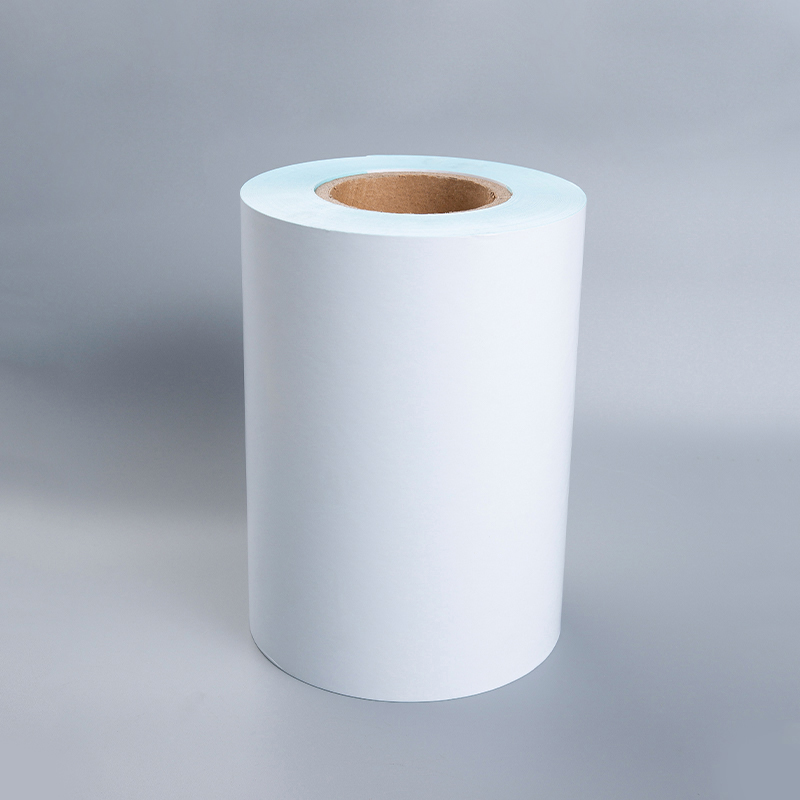
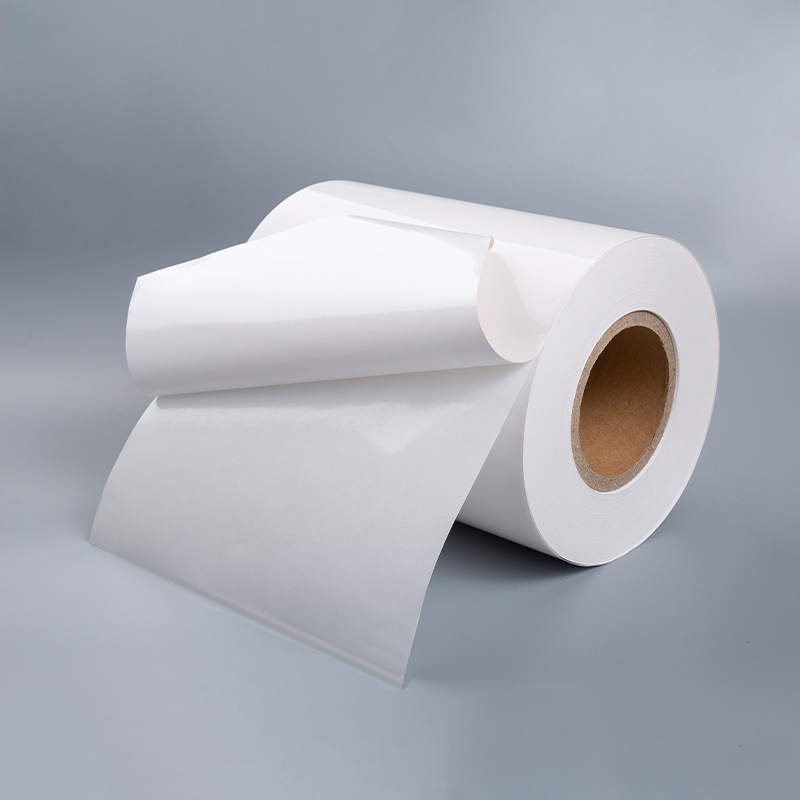 Custom Cast Coated Paper Label Material With White Release LinerCast coated paper label stock with a 75gsm woodfree face and multiple adhesive and liner options for premium packaging and retail labels.View Product →
Why the Adhesive Matters as Much as the Face Stock
Buyers spend hours choosing a face stock and then accept whatever adhesive comes with it. That is backwards. The same printed sheet will cling beautifully to glass and slide off a polypropylene tub if the chemistry is wrong.
In practice you will meet a handful of options. Water-based acrylics are the general-purpose choice for paper labels on cartons and corrugated board. Hot melt adhesives give high initial tack and are the reason a label stays put on a chilled or slightly dusty surface. Solvent-based systems are chosen where a demanding surface or a long service life justifies them. Removable grades — often acrylic on a film face — are specified for promotional labels, retail price tags and temporary signage where clean removal matters more than grip. Then there are the practical variations: anti-freeze formulations for cold-chain storage, and grades tuned for application at low ambient temperatures.
If you are unsure which direction to take, our own technical note on how to choose the right label glue walks through surface energy, service temperature and dwell time in more detail than fits here.
Questions Worth Asking Before Your First Order
Every experienced buyer has a version of this list. Ours comes from the conversations we have on the factory floor, where problems usually surface.
- Which substrate will the label actually be applied to, and has the supplier tested that combination rather than assumed it?
- What temperature range will the finished product see, from application through storage and transport?
- Is the liner caliper consistent enough for your die-cutting setup, and does the supplier hold a tolerance in writing?
- Can the material be supplied in the roll width and wind direction your press needs, or will you be slitting in-house?
- What is the minimum order, and how does it change for custom constructions rather than catalogue items?
- Who do you call when a roll behaves differently from the sample, and how fast do they respond?
None of these questions are unusual, and a manufacturer who finds them inconvenient is telling you something useful.
Capacity, Customization and What Delivery Realistically Looks Like
Scale matters mostly because of what it allows. Our lines handle coating, lamination and slitting, with annual output above 280 million square metres, which is what makes it practical to hold a broad catalogue — self-adhesive paper, self-adhesive film, special label materials and silicone release paper — rather than a narrow one. It also means a custom construction is a conversation rather than an exception: a particular face stock against a particular liner, an adhesive adjusted for a cold store, a roll width matched to your press.
Geography is the other practical question. A supplier with a genuine domestic network and long-running export experience tends to be more predictable on lead time than one selling into markets it has never shipped to. We supply through direct sales points in ten Chinese cities plus a franchise network, and export to markets across Europe, the Americas, the Middle East and Asia. We also spend a good part of each year on the road at printing and packaging exhibitions — Dubai, Moscow, Seoul, Jakarta, Barcelona, Mexico — which is less glamorous than it sounds but does keep us close to what converters in those regions are actually complaining about.
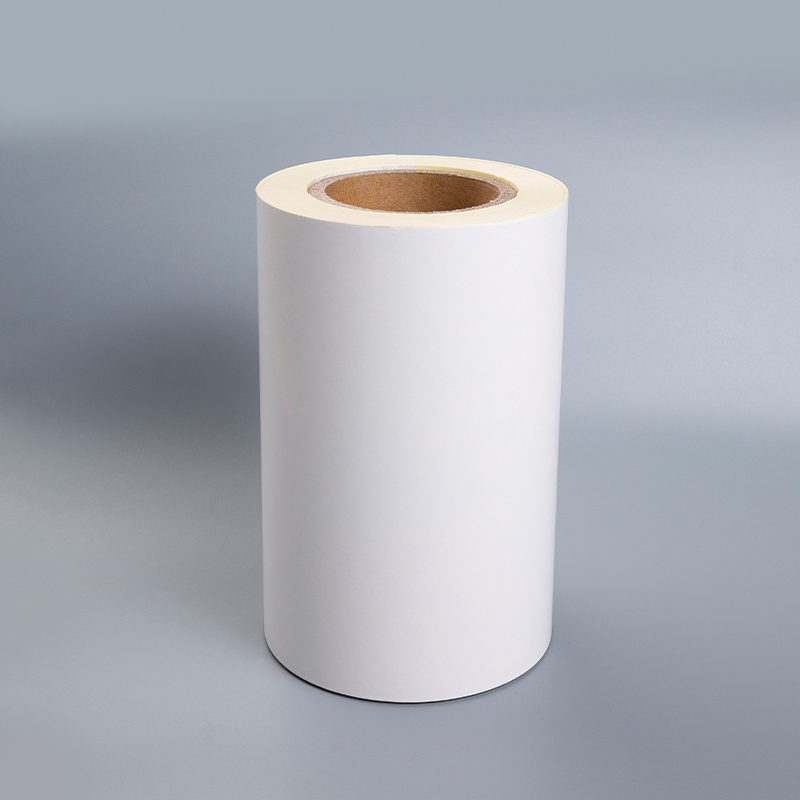
 Custom Synthetic Paper Label Material With White Glassine LinerTear-resistant synthetic paper label stock with a white glassine liner, suited to durable packaging and high-grade print applications.View Product →
Matching the Material to the Job
Most specification decisions come down to three broad application groups.
Retail and logistics
Price labels, shelf-edge tags and shipping labels live and die on print speed and scanning reliability. Thermal paper — eco and top-coated grades — plus thermal synthetic paper covers most of this ground, and the choice between them usually comes down to how long the printed image must survive and whether moisture is present.
Here the label is part of the product. Cast coated and semi-glossy papers give the ink the depth that decorative design depends on, while textured and embossed wine label stocks add a tactile dimension that photographs cannot capture. Film faces enter the picture when the container is squeezed, chilled or curved tightly.
Industrial and durable work
Aluminium foil papers are specified for HVAC duct sealing, thermal insulation and vapour barriers where the label is really a functional component. Self-adhesive PVC and PET films cover surface decoration, automotive and electronic insulation, and applications where the label must resist weather and UV for years rather than months.
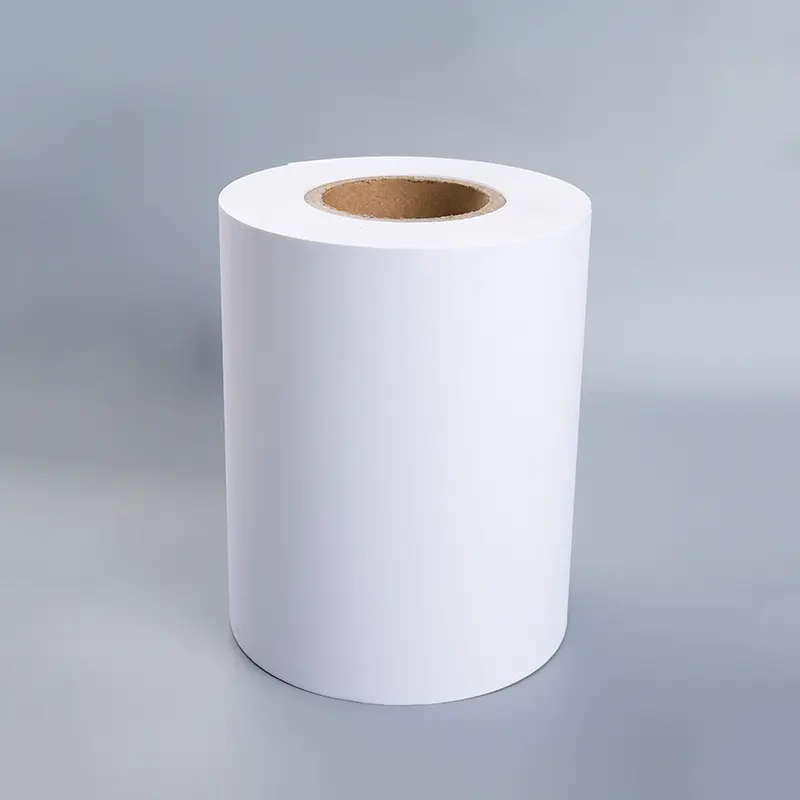
 White Glassine Release Paper for Self-Adhesive and Label ProcessingWhite glassine release paper in 50-120gsm options, suitable for self-adhesive products, high-speed labeling and rotary processing.View Product →
Choosing among adhesive label manufacturers is less about finding the cheapest roll and more about finding a supplier whose material behaves the same way in June as it did in January. Ask about the layers, test the sandwich on your own substrate, and be suspicious of anyone who cannot explain why a particular construction suits your job. If you would like a second opinion on a specification, or a sample to run on your press, our team is happy to talk it through — twenty years of coating experience is, in the end, mostly a collection of problems we have already seen.