
 English
 Español
 русский
 Français
 عربى
Adhesive laminating sounds like one process, but spend a morning on a label line and you will see it mean several things at once. Sometimes it is a printed sheet meeting a clear film that already carries a pressure-sensitive adhesive. Sometimes it is a self-adhesive laminating sheet smoothed by hand over a board game card or a school timetable. The physics underneath does not change: an adhesive wets a surface, the liner steps aside, and two layers become one.
We have spent two decades coating adhesive, laminating webs and slitting label stock, and most of the problems people bring to us are not exotic chemistry. They are small mismatches between a face material, an adhesive and a liner that were never properly introduced to each other. What follows is how the pieces fit together, where each option earns its keep, and what is worth checking before an order goes in.
Content
- 1 What "Adhesive Laminating" Actually Covers
- 2 The Three Layers That Decide the Result
- 3 Adhesive Choices and What They Change in Practice
- 4 Matching the Face Material to the Job
- 5 The Release Liner Is Not an Afterthought
- 6 Self-Adhesive Laminating Sheets in Everyday Use
- 7 Where Things Go Wrong, and How We Approach It
- 8 What to Ask Before You Order
What "Adhesive Laminating" Actually Covers
The phrase describes any process where an adhesive layer bonds two flexible materials together. In practice, three setups do most of the work:
- Wet and dry lamination. A liquid adhesive is applied to one web, dried, and nipped against a second web. This is the traditional route for paper-to-film and film-to-film packaging structures.
- Hot melt lamination. A thermoplastic adhesive is melted and applied in the nip. Fast, solvent-free, and well suited to high-volume runs where the bond needs to set quickly.
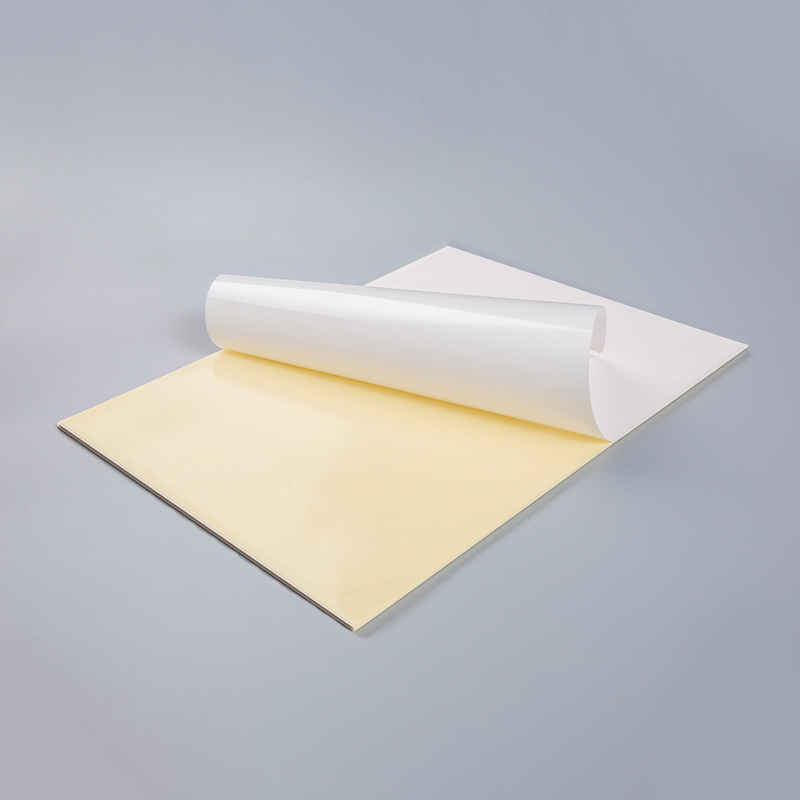
- Pressure-sensitive lamination. The adhesive arrives already coated and protected by a release liner. The operator, or the machine, peels the liner away and applies the film with light pressure. Self-adhesive laminating sheets, label films and most graphic overlays belong here.
It is worth separating all of this from thermal laminating, where a film carries a heat-activated layer and bonds in a hot nip with no separate adhesive. Thermal and adhesive lamination both protect print, but they fail in different ways, so the choice should follow the substrate and the finishing equipment, not habit.
The Three Layers That Decide the Result
Every pressure-sensitive construction is a small stack, and each layer has a job. Change one and the other two usually need adjusting.
| Layer | Job in the construction | Common choices |
|---|---|---|
| Face material | Carries the print, takes the finish, and sets how the label behaves on a curved or textured surface | Cast coated paper, semi-glossy paper, woodfree paper, thermal paper, BOPP, PET, PVC, synthetic paper |
| Adhesive | Wets the surface, builds tack, and determines peel strength, temperature range and whether the label can be removed cleanly | Hot melt, water-based acrylic, solvent acrylic, removable acrylic |
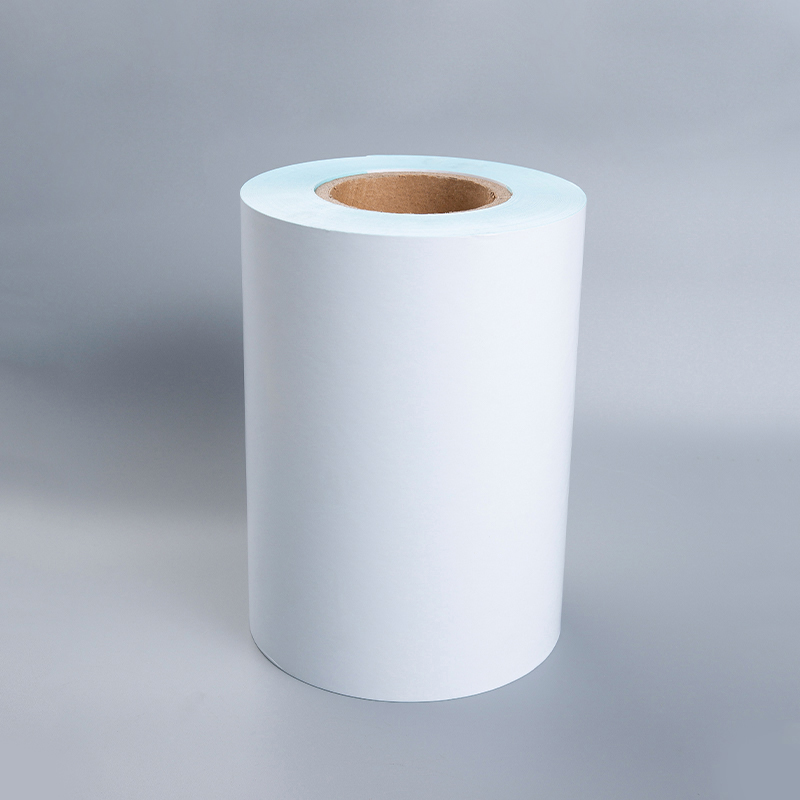
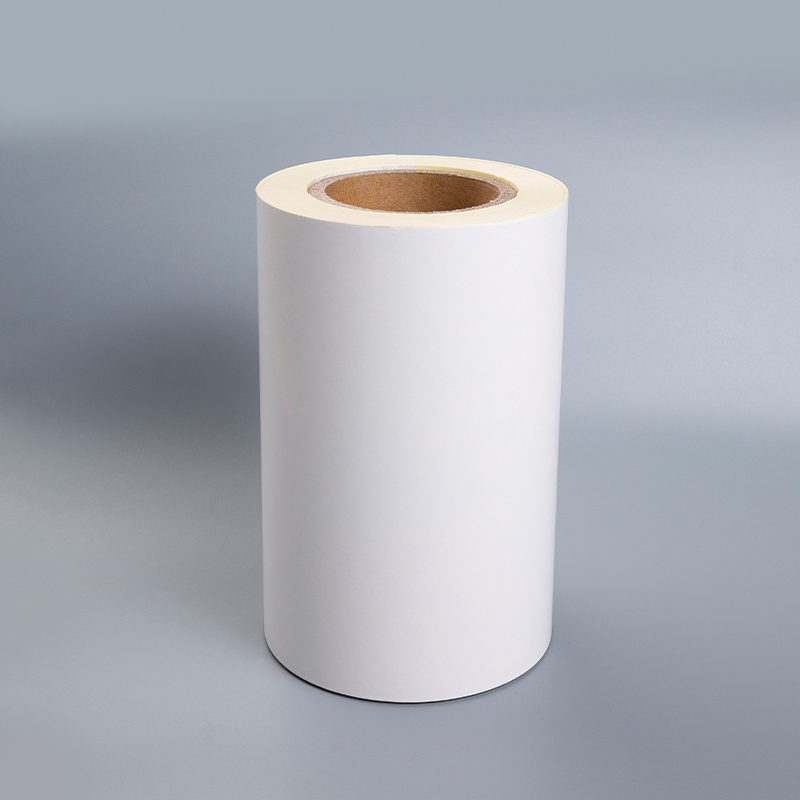
| Release liner | Protects the adhesive in storage and releases at a predictable force during dispensing or hand application | White, blue or yellow glassine, PE coated kraft paper, transparent PET film, CCK liner |
Most converting complaints trace back to this table. A liner that releases too tightly will drag and curl a thin film; one that releases too easily will let the web lift before the die-cut is finished. Neither is a defect on its own, but both are a mismatch.
Adhesive Choices and What They Change in Practice
If the face material is what people see, the adhesive is what quietly decides whether a label survives a week or a winter. Four families cover most of the work:
- Hot melt. Aggressive initial tack, which makes it forgiving on cold, dusty or slightly rough surfaces such as recycled board and unpolished plastics. Less comfortable in prolonged heat or direct sunlight.
- Water-based acrylic. The dependable generalist. Good clarity, good ageing, and well matched to paper faces in general labelling, logistics and retail work.
- Solvent acrylic. Thin, tough and resistant to moisture, plasticiser migration and UV. Usually the right answer for film faces on outdoor goods, automotive parts and chemical containers.
- Removable grades. Low final peel and low residue, so the label comes away from glass, painted walls and shop shelving without a scraper and a bad mood.
Coating weight matters as much as chemistry. A heavier coat gives more bite on textured surfaces but can squeeze out at the edges when a label is applied under pressure or stored warm. If you want a deeper walk-through of tack, peel and shear testing, our guide on how to choose the right label glue goes into the detail.
Matching the Face Material to the Job
Paper faces remain the workhorses. Cast coated paper gives a mirror-smooth surface that holds fine screens and dense ink coverage, which is why it keeps turning up on premium cosmetic and beverage work. Semi-glossy paper is the balanced choice for everyday product labels, and woodfree paper is where environmental briefs often land, because it reduces plastic content while keeping print quality respectable.
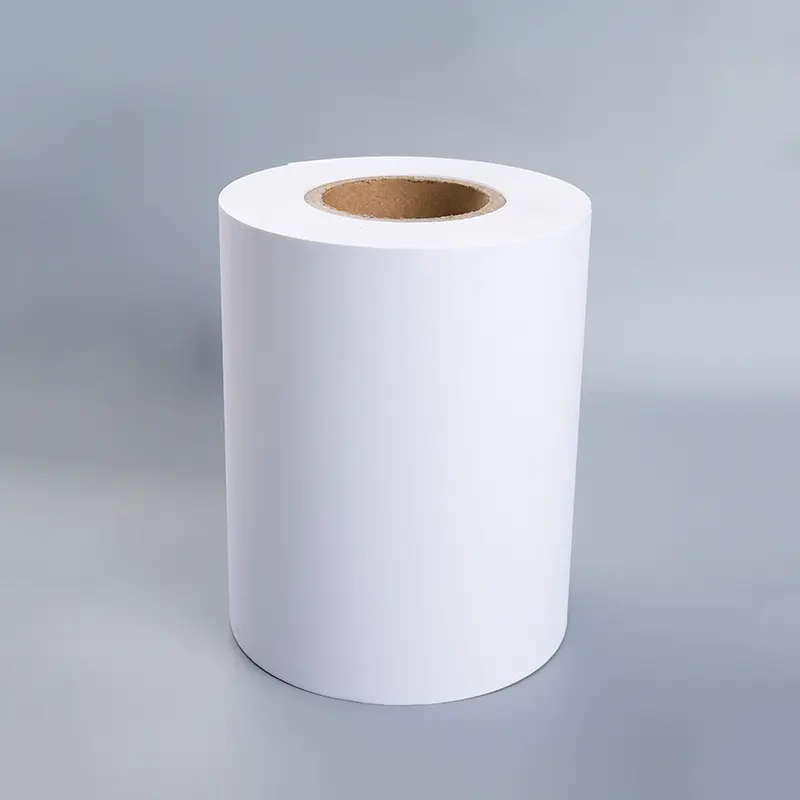
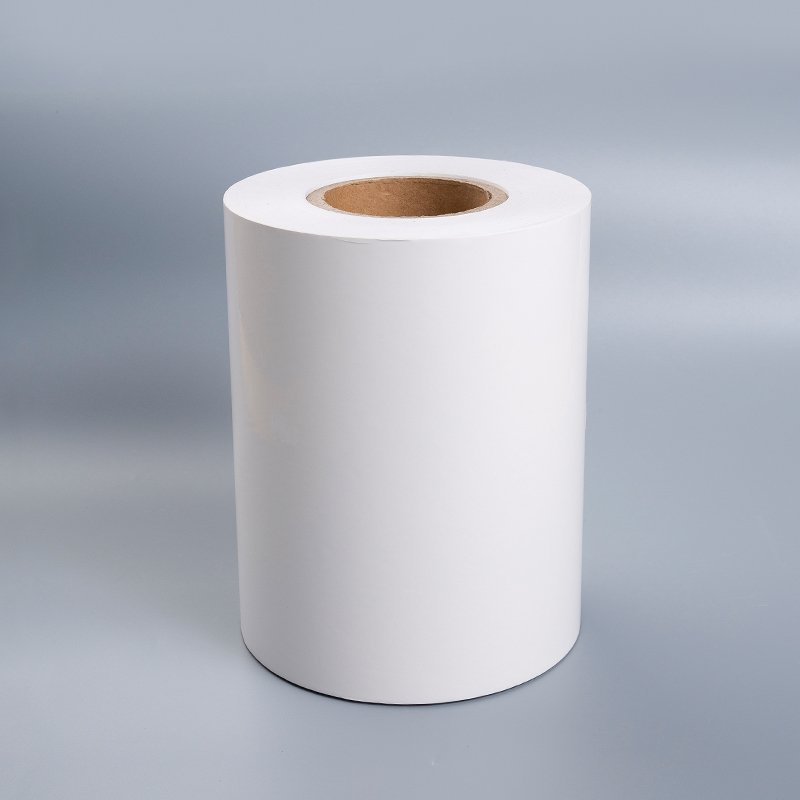
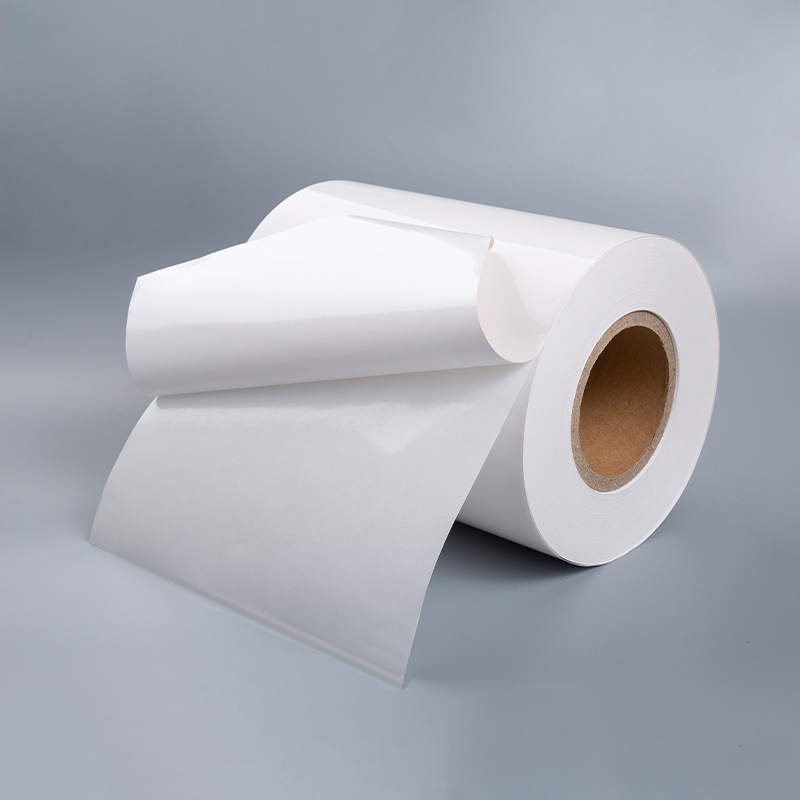 Custom Cast Coated Paper Label Stock with White LinerA self-adhesive paper label stock for cosmetics, food, promotional and shipping labels, with adhesive and liner choices to match different label requirements.View Product →
Film faces solve problems paper cannot. BOPP follows the squeeze of a shampoo bottle without wrinkling or cracking. PET stays flat and dimensionally stable under heat, and it is the usual pick for durable goods, electronics and anything likely to meet a solvent. PVC conforms to rivets and compound curves, which makes it a favourite for equipment and outdoor signage.
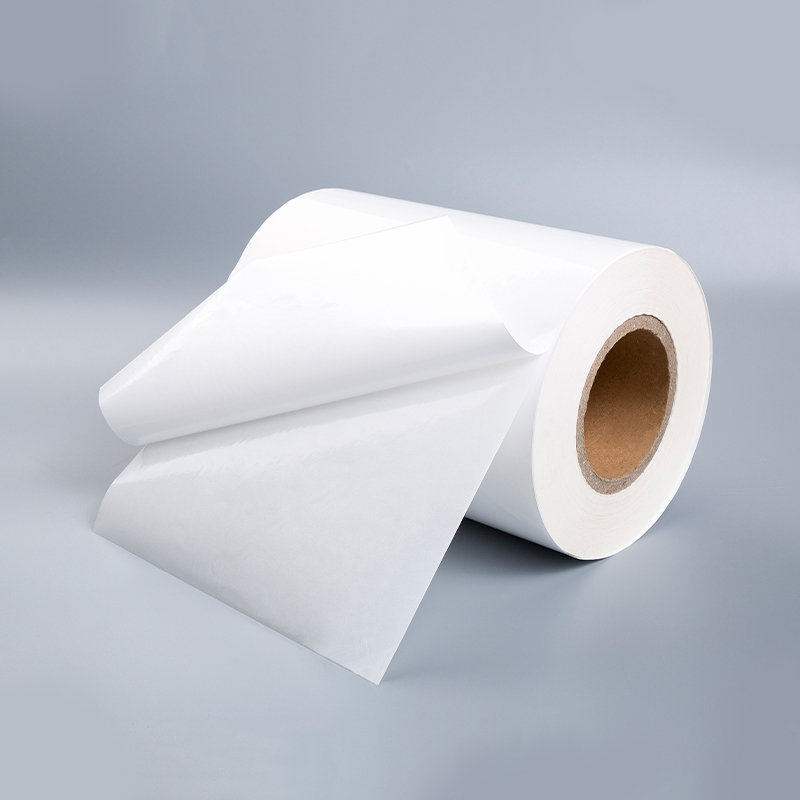 Gloss White PP Label Film with Hotmelt AdhesiveA glossy white PP film label stock with hotmelt adhesive, offered in customizable rolls or sheets for packaging, cosmetic and product-label applications.View Product →
The practical rule is simple: choose the face for what the label must do, then choose the adhesive for what the label must stick to. Doing it in the other order is how people end up with a beautiful film label that will not hold on a chilly, dusty crate.
The Release Liner Is Not an Afterthought
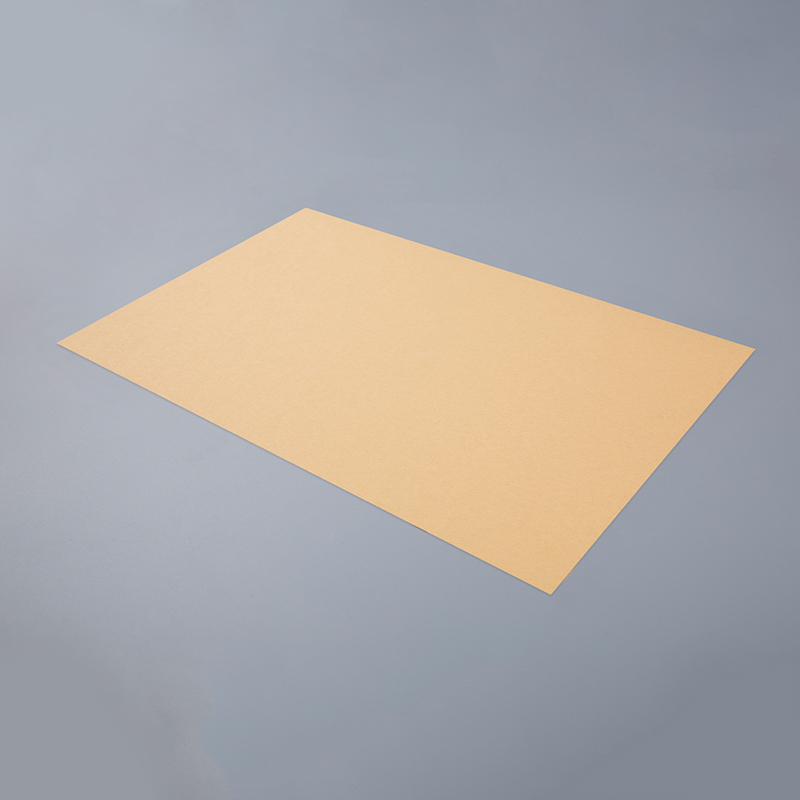
Liner choice rarely gets attention until something starts curling on the applicator. Glassine is the standard for most paper and film label stock: dense, smooth and consistent, with white, blue and yellow versions used to distinguish grades on the shop floor. PE coated kraft brings extra body and moisture resistance. PET film liners stay stable when humidity shifts, which matters for thin films and tight die-cutting.
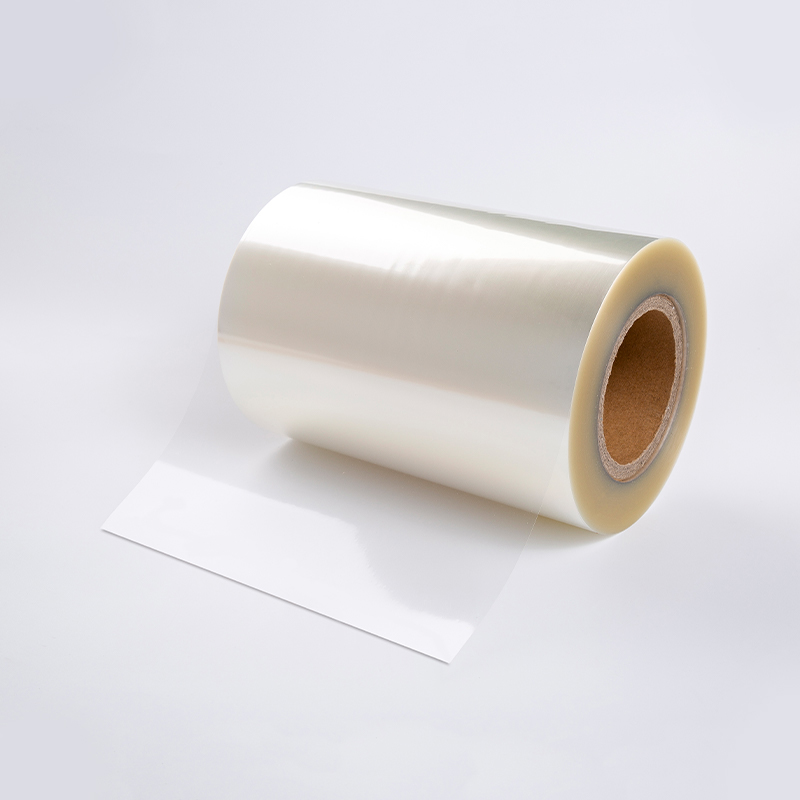 Custom Transparent PET Release Film LinerA clear PET liner for release applications, available in multiple thicknesses and roll or sheet formats where dimensional stability and release performance matter.View Product →
The silicone coat is where the liner earns its name. Release force needs to sit in a working window: high enough that the adhesive does not migrate or let the web slip, low enough that a high-speed dispenser peels cleanly. Ageing, storage temperature and humidity all nudge that window. If you want the mechanics explained from the liner side, our article on silicone release paper walks through coating, curing and release performance.
Self-Adhesive Laminating Sheets in Everyday Use
Not every adhesive lamination happens on a machine. Hand-applied sheets use the same construction in a smaller format, and the same habits make or break the result. Peel back a few centimetres of liner rather than the whole sheet, anchor that edge straight, and press down with a felt-edged squeegee while you work the liner away from underneath. Air caught in the middle is far easier to prevent than to chase. Overlap adjacent sheets by a couple of millimetres and burnish the edges firmly, because that is where lifting starts.
Humidity is the quiet troublemaker here. A sheet applied in a cold, damp room may look perfect and then blush or bubble a day later as moisture finds its way into the paper beneath. Let printed stock condition in the room for a few hours first.
Where Things Go Wrong, and How We Approach It
Nearly every issue we troubleshoot lands in one of five buckets. Naming them makes the fix much faster than guessing.
- Bubbles and blushing. Usually application pressure, surface cleanliness or trapped moisture rather than the adhesive itself.
- Edge lift. Often a liner that releases too firmly, a face that is too stiff for the curvature, or insufficient dwell time before the product is packed.
- Curl. An imbalance between face and liner, made worse by sharp temperature swings in storage.
- Adhesive ooze. Coating weight too high for the die-cut and the storage temperature.
- Delamination. Poor anchorage between adhesive and face, or a substrate with a lower surface energy than assumed.
Our own lines run gluing, laminating and cutting in sequence, with capacity above 280 million square metres a year, so we can test a construction in the same order a customer will run it: coat, laminate, slit, then apply. That sequence matters more than any single data sheet.
What to Ask Before You Order
When a customer sends us a sample and a description of the surface, we usually come back with a short list of questions. They are worth asking any supplier:
- What is the actual substrate, including any coating, and what is its surface energy?
- What temperature range will the finished product see, in storage and in use?
- Does the label need to be removable, and from what surface?
- What dispensing speed and die-cutting tolerance does the line run at?
- Will the rolls be stored flat, and for how long?
Answers to those five decide the face, the adhesive and the liner in that order, and they almost always save a round of rework later.
Adhesive laminating rewards a little patience at the selection stage. Get the three layers talking to each other, match the adhesive to the surface rather than to the catalogue, and the material will do exactly what it promised long after the print has left the press. If you are choosing a construction for a specific product, send us the details and we will tell you honestly whether it is a straightforward job or one that needs a trial roll first.