
 English
 Español
 русский
 Français
 عربى
Pet labels do a lot of quiet work. On a bag of kibble, a bottle of grooming shampoo, a box of dental chews, or a small tube of paw balm, the label has to catch the eye, explain the product, survive handling, and still look good after weeks in a warehouse or days in a bathroom. We have spent two decades around pressure-sensitive label materials, and the projects that go smoothly are rarely the ones where someone picked a pretty facestock first. They are the ones where the label was matched to the container, the filling line, the retailer, and the pet owner’s hand.
This guide is for brands, printers, and packaging teams who want pet labels that look good and behave well. It is not about chasing trends. It is about making a few practical choices early so the finished label does its job.
Content
- 1 Start with the job the pet label has to do
- 2 Match the facestock to the pet product
- 3 Adhesives and liners matter more than many buyers expect
- 4 Design pet labels for shelf impact and clear information
- 5 Durability, compliance, and sustainability
- 6 A practical checklist before you order
- 7 Why work with an experienced label material maker
- 8 Bring your pet label project to the bench
Start with the job the pet label has to do
A pet label is not one product. A dry food bag, a squeezy bottle of pet shampoo, a frozen raw food tub, and a tiny veterinary vial all place different demands on the same basic label structure. Before choosing paper or film, think about where the label will live and what will happen to it.
- Pet food and treats: large bags, curved tubs, grease near the surface, freezer storage, and strong shelf competition.
- Grooming and care: shower moisture, oils, curved bottles, squeeze tubes, and plastics that can be difficult to stick to.
- Toys and accessories: irregular shapes, fabric, hang tags, and promotional labels that may need to be removed cleanly.
- Veterinary and retail: small vials, shelf labels, variable data, barcodes, and batch information that must stay readable.
A label that works on a dry carton may fail on a squeezy shampoo bottle. Start with the real container and the real storage conditions, not with a catalog page.
Match the facestock to the pet product
Facestock is the face material that carries the print. Paper facestocks are familiar, printable, and cost-effective. Film facestocks bring moisture resistance, tear strength, and a more modern feel. Neither is automatically better. The right choice depends on the container, the printing method, and the look you want on shelf.
| Facestock | Best for | Strengths | Watch-outs |
|---|---|---|---|
| Cast coated paper | Premium pet food, treat boxes, gift packs | Bright finish, excellent ink holdout, strong shelf presence | Needs protection in wet or frozen conditions |
| Semi-gloss paper | Everyday food, retail, information-heavy labels | Balanced gloss, good readability, practical cost | Test adhesive on oily or curved surfaces |
| Gloss white BOPP | Grooming liquids, damp retail, treats | Moisture resistance, tear strength, bright print | Check adhesive on low-surface-energy bottles |
| Thermal paper | Variable data, inventory, veterinary specimen labels | Fast direct thermal printing | Heat and scratch sensitivity; topcoat matters |
| PET film | Durable labels, oily or chemical exposure | High strength, temperature resistance, clean look | Stiffer feel and higher cost; test conformability |
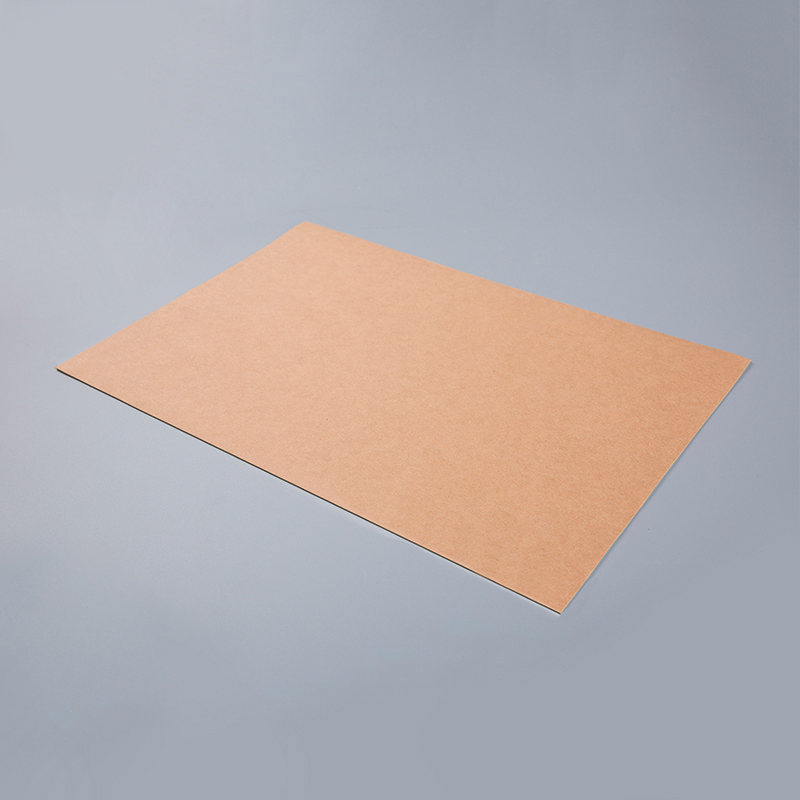
| Kraft paper | Natural or organic pet brands | Earthy look and paper-based recyclability | Limited moisture resistance and shade variation |
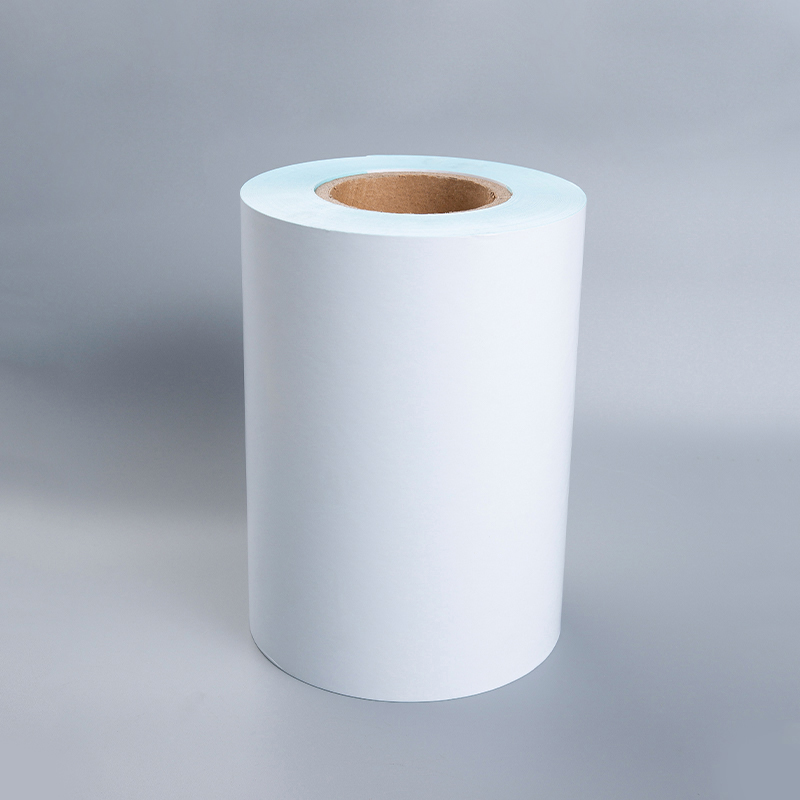
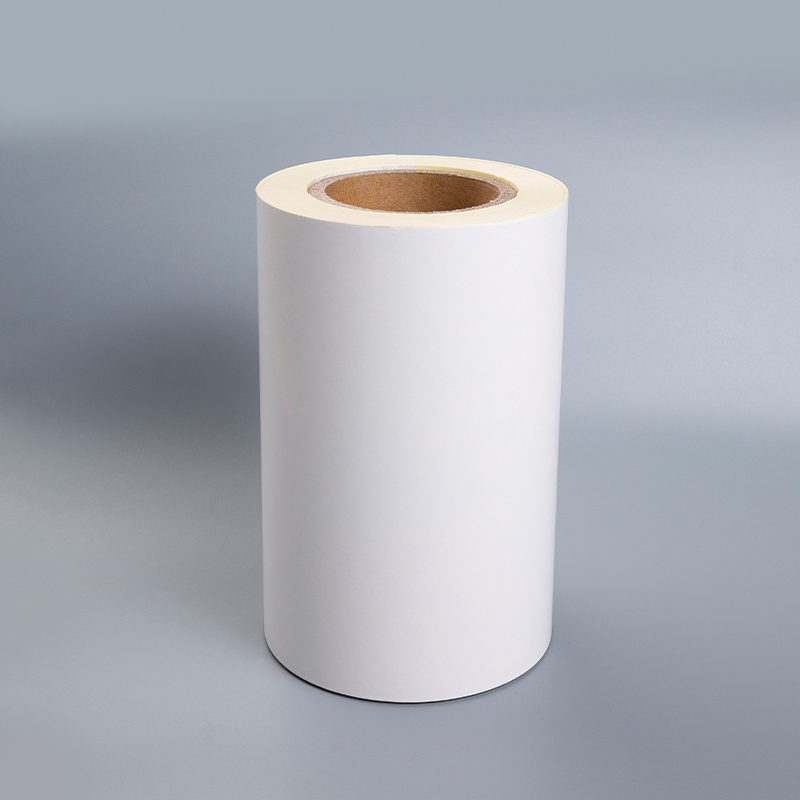
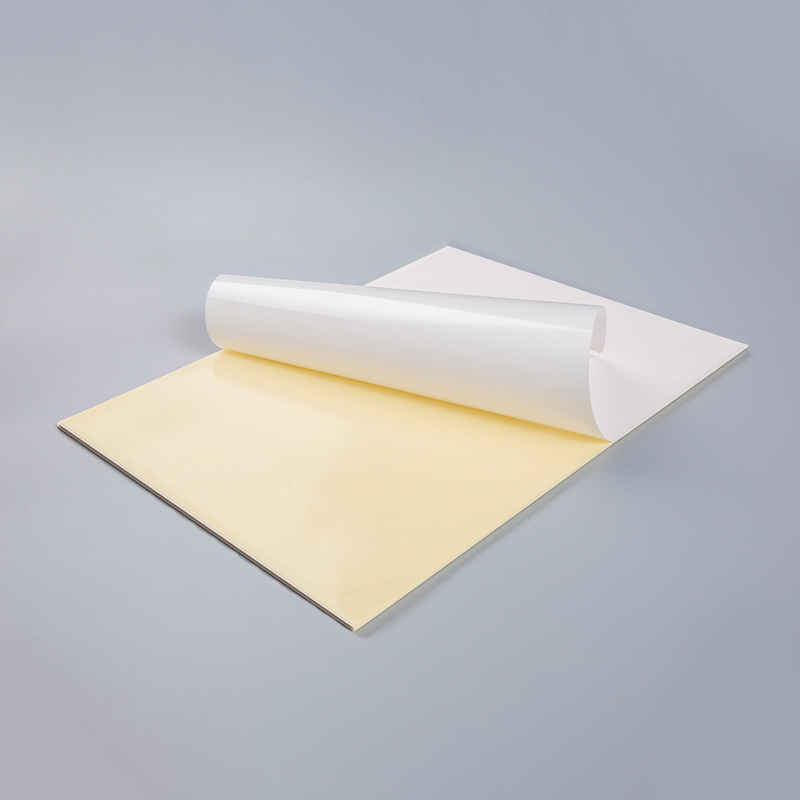
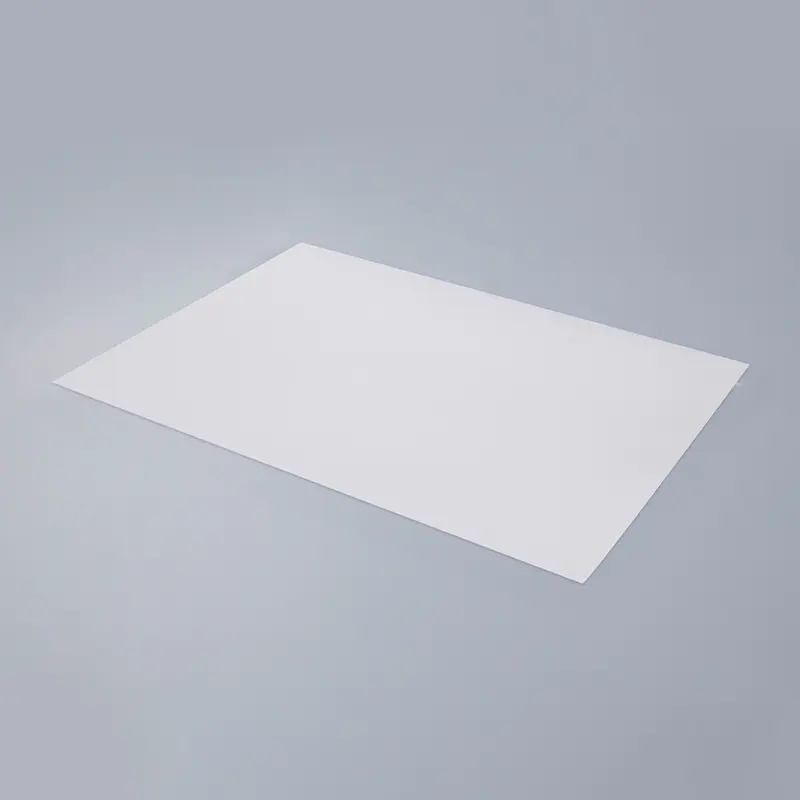
For premium dry pet food and treat packaging, cast coated paper often gives the smooth, bright surface that makes photography and fine type look sharp. Our cast coated paper with white release liner is a practical starting point when the label needs a clean premium finish and reliable converting performance.
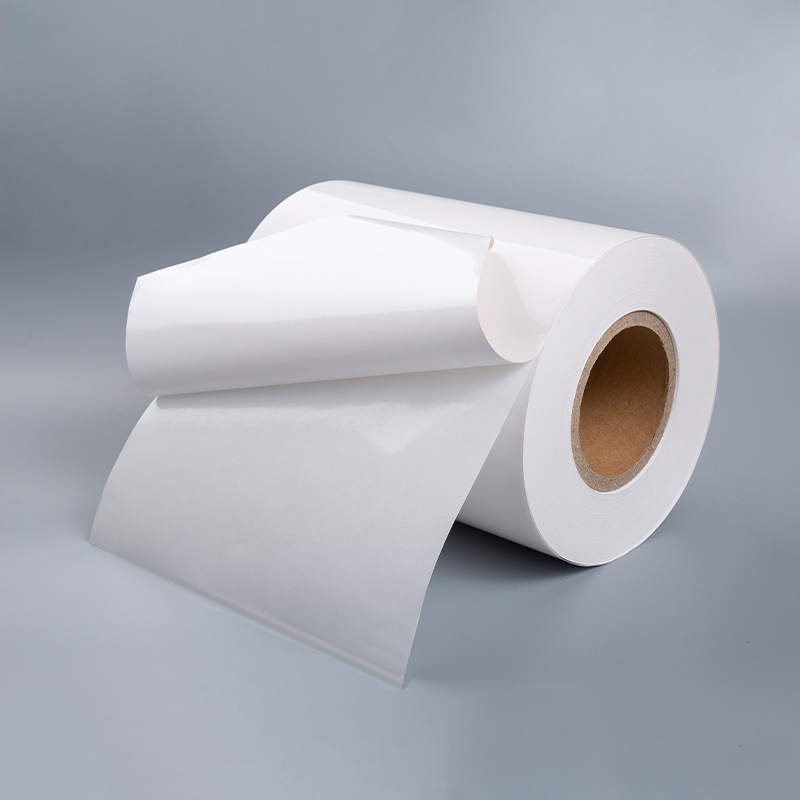 Cast Coated Paper Labels with White Release LinerFor premium dry pet food and treat labels, this cast coated paper offers a smooth bright face and adhesive options.View Product →
Film facestocks are a better fit when the label will meet water, oil, or repeated handling. A glossy white BOPP can give a grooming bottle a clean, durable look without the stiffness of a thicker film. For a broader comparison, see our complete self-adhesive label materials selection guide.
Adhesives and liners matter more than many buyers expect
The facestock gets the attention, but the adhesive often decides whether a pet label succeeds. A permanent adhesive may be right for a one-way food bag, while a removable adhesive may suit a promotional sticker on a toy or a seasonal offer. Freezer conditions, oily surfaces, and small curved bottles can all change the recommendation.
- Surface energy: some plastics and coated bottles resist adhesion; test the actual container.
- Temperature: application, storage, and freezer conditions should be discussed together.
- Removal: promotional or temporary pet labels may need clean removal without lifting print or leaving residue.
- Liner release: the liner must run smoothly on the press and peel cleanly on the applicator.
Do not assume that a stronger adhesive is always better. On a squeezy bottle, a stiff or aggressive adhesive can lift at the edges. On a small tube, a softer adhesive may conform better. The useful question is not “What is your strongest glue?” but “What adhesive fits this container and this use?”
Design pet labels for shelf impact and clear information
Pet owners respond to warmth, humor, and personality, but they also need to find the right product quickly. A good pet label balances both. The brand name and product type should be obvious at a glance, while the details should reward a closer look.
- Build a clear hierarchy: brand, product name, key benefit, flavor or variety, and size should read in that order.
- Use pet imagery with purpose: a friendly face can build trust, but it should not crowd out the product information.
- Keep ingredient and feeding text legible: small type on a curved bottle or a busy bag is a common weak point.
- Plan for variable data: barcodes, batch codes, best-before dates, and weight statements need clean, consistent space.
- Think about print method: digital, flexo, and other processes handle fine detail, solid color, and white ink differently.
A playful label can still be a disciplined label. Leave enough quiet space for the name, use contrast for the important words, and proof the artwork on the actual container shape before signing off.
Durability, compliance, and sustainability
Pet labels are handled in ways that packaging teams sometimes underestimate. They are rubbed in shopping bags, chilled in freezers, splashed in bathrooms, and stored near oily food. A simple bench test can reveal a lot: apply a sample to the real container, leave it at room temperature, then test cold storage, water spray, oil contact, and light abrasion. If the label lifts, wrinkles, or smears, the material or adhesive needs another look.
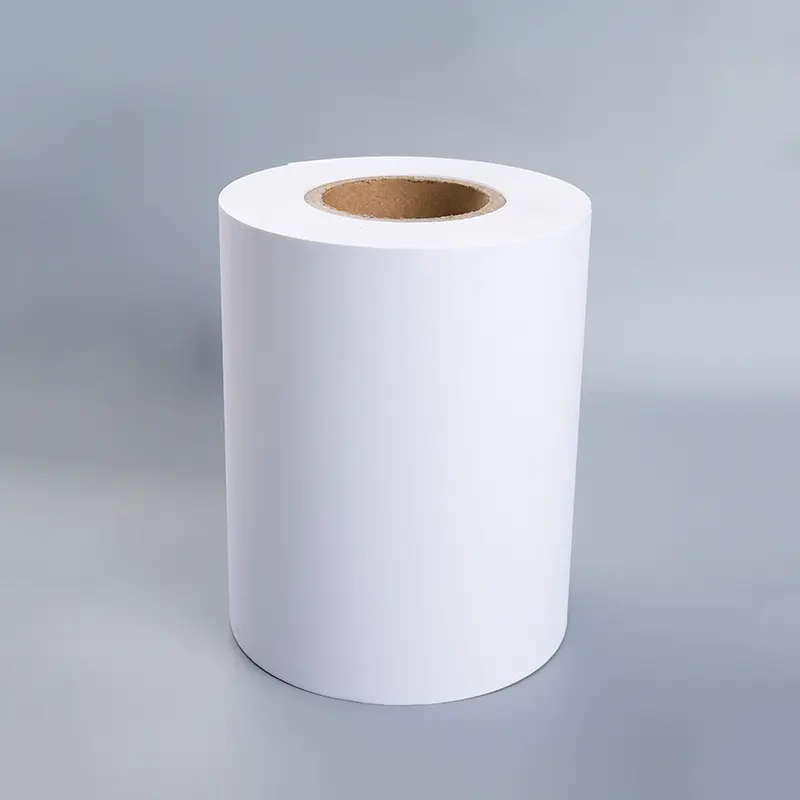
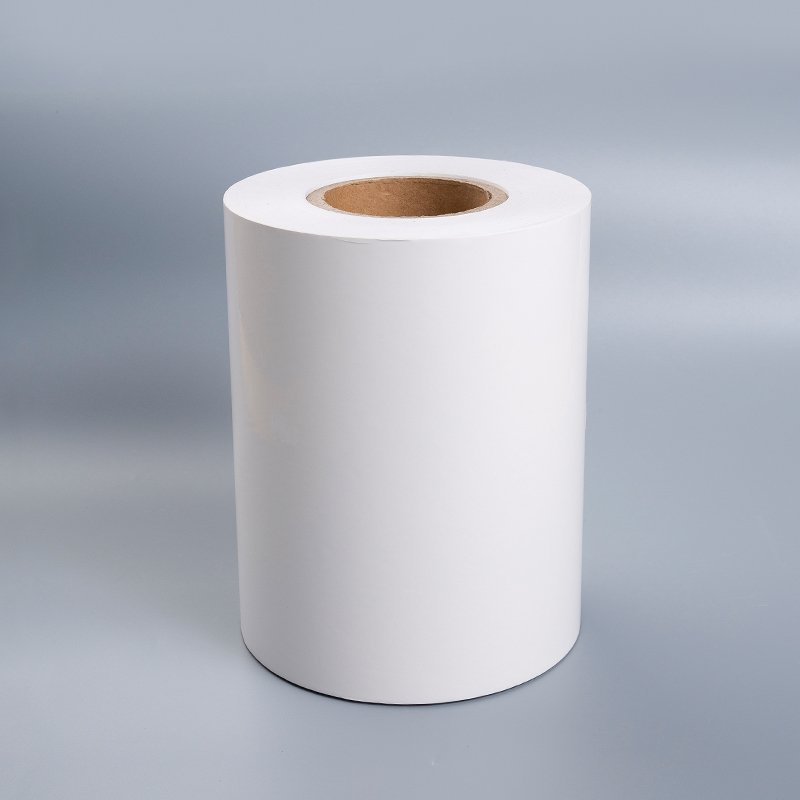
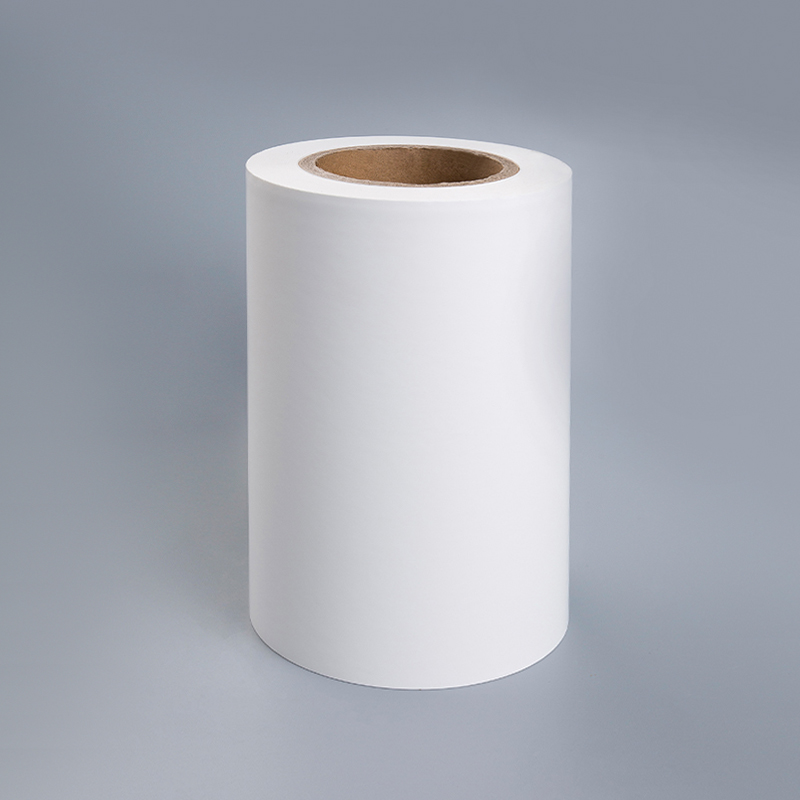
When moisture is part of daily life, a film facestock such as gloss white BOPP can be a practical choice for grooming and damp retail labels. Our hotmelt adhesive gloss white PP is one option to evaluate when you need a bright film label with dependable tack on suitable containers.
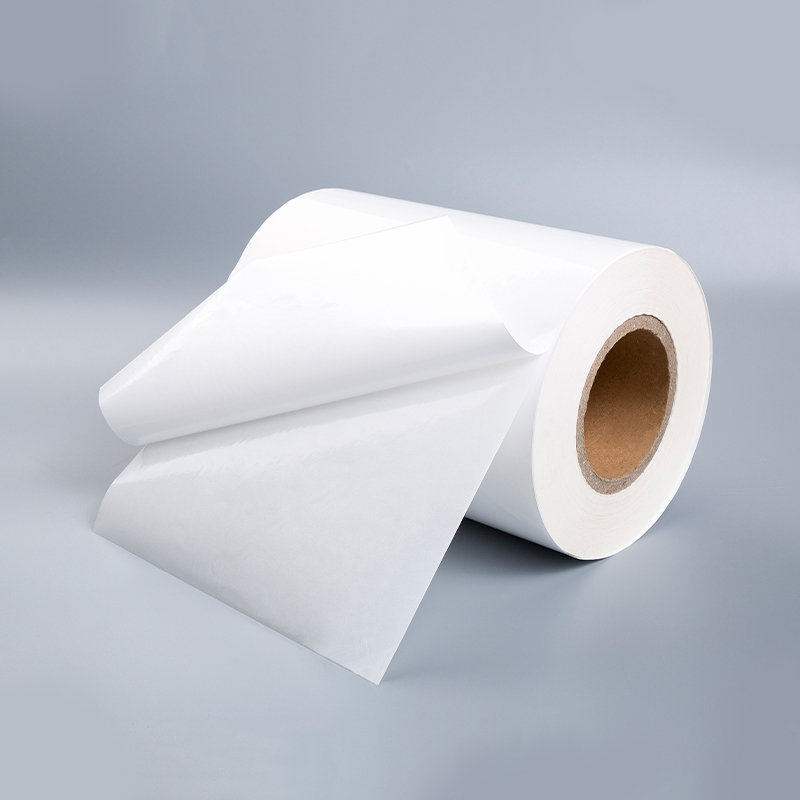 Hotmelt Adhesive Gloss White PP Label FilmA bright gloss white PP film with hotmelt adhesive, useful for grooming and damp retail labels needing dependable tack.View Product →
Compliance is another part of the job. Pet food and pet care products may need ingredient statements, net weight, feeding or use directions, warnings, lot codes, and contact information. Requirements vary by market, so the label artwork should be reviewed against the destination country and the product category before print.
Sustainability is increasingly part of the brief, too. Paper-based labels, reduced material thickness, efficient label sizing, and liner recycling programs can all help. The right answer is usually a balance: use the lightest structure that still performs, and avoid over-specifying a film when a paper label will do the job.
A practical checklist before you order
- What container material will the label be applied to, and is it curved, flexible, or low surface energy?
- Will the product be frozen, chilled, exposed to water, oil, or cleaning chemicals?
- Does the label need permanent adhesion, removable adhesion, or a resealable behavior?
- Which print method will be used, and does the artwork suit the facestock and adhesive?
- What information must appear for the target market, including weight, ingredients, and batch codes?
- Has a sample been tested on the real container and in the real storage conditions?
- Can the material run efficiently on the press, die-cutter, and applicator without excessive waste?
Why work with an experienced label material maker
At PUODEHUA, we have focused on self-adhesive label materials for 20 years. Our work covers coating, laminating, and slitting, with an annual capacity of more than 280 million square meters. We supply paper, film, special label materials, and release papers to converters and brands, and we support customers through a domestic direct-sales network and international marketing channels.
That experience matters most when a pet label project has a wrinkle: a bottle that will not hold a standard adhesive, a freezer test that fails, or a premium design that needs a smoother facestock. We would rather help you test a practical starting point than sell you the thickest or most expensive structure on the shelf.
Bring your pet label project to the bench
Good pet labels are not only a design choice. They are a small material system: facestock, adhesive, liner, print, and application working together. If you are planning a pet food, grooming, treat, or accessory label, start with the container and the conditions. Then choose the material that makes the design look right and stay right. That is a conversation we are always happy to have.