
 English
 Español
 русский
 Français
 عربى
عربىThe label material you choose for a self adhesive label determines everything that follows: how well it sticks, how long it lasts, whether it survives heat or moisture, and whether it can be removed cleanly. Selecting the wrong facestock, adhesive type, or liner for your application is one of the most common and costly mistakes in product labeling — leading to labels that peel prematurely, leave residue, fail in cold chain logistics, or simply look wrong on the finished product. This guide covers the anatomy of self adhesive labels, the most important label material options, how to match them to real-world conditions, and the specifications that matter most when ordering or specifying labels for any application.
Content
- 1 How a Self Adhesive Label Is Constructed
- 2 Facestock Options: The Core of Label Material Selection
- 3 Adhesive Types and When Each One Is Appropriate
- 4 Matching Label Material to Application Environment
- 5 Label Material and Printing Method Compatibility
- 6 Liner Materials and Their Impact on Label Performance
- 7 Sustainable and Eco-Friendly Label Materials
- 8 Key Specifications to Confirm Before Ordering Label Material
How a Self Adhesive Label Is Constructed
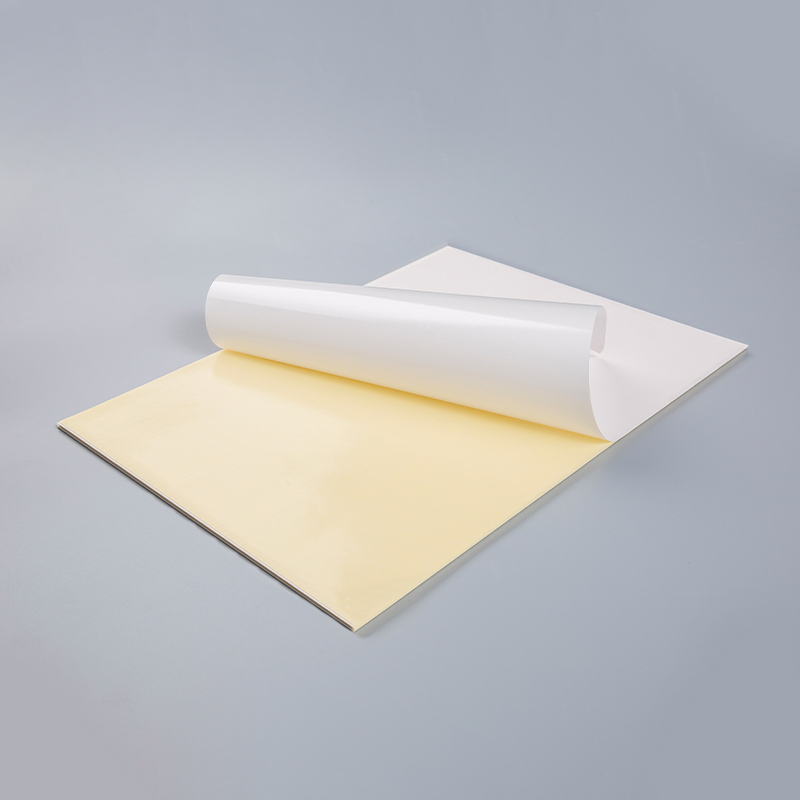
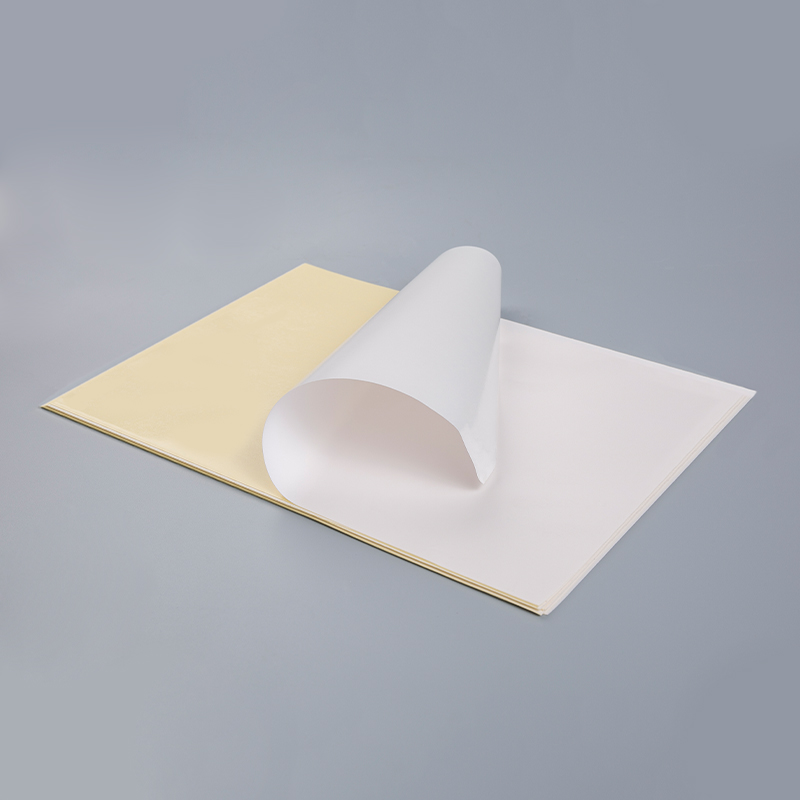
Every self adhesive label — regardless of material, size, or application — is a three-layer construction. Understanding each layer is essential before choosing a label material, because the layers must work together as a system, not just as individual components.
- Facestock (top layer) — The visible surface of the label that carries print, imagery, and branding. This is the layer most people refer to when they say "label material." It can be paper, film, foil, or a composite, and its properties determine printability, durability, and appearance.
- Adhesive (middle layer) — A pressure-sensitive adhesive (PSA) that bonds the facestock to the substrate when applied. The adhesive type determines tack level (initial stickiness), peel strength, temperature range, and removability. This layer is invisible in the finished label but governs performance more than any other single component.
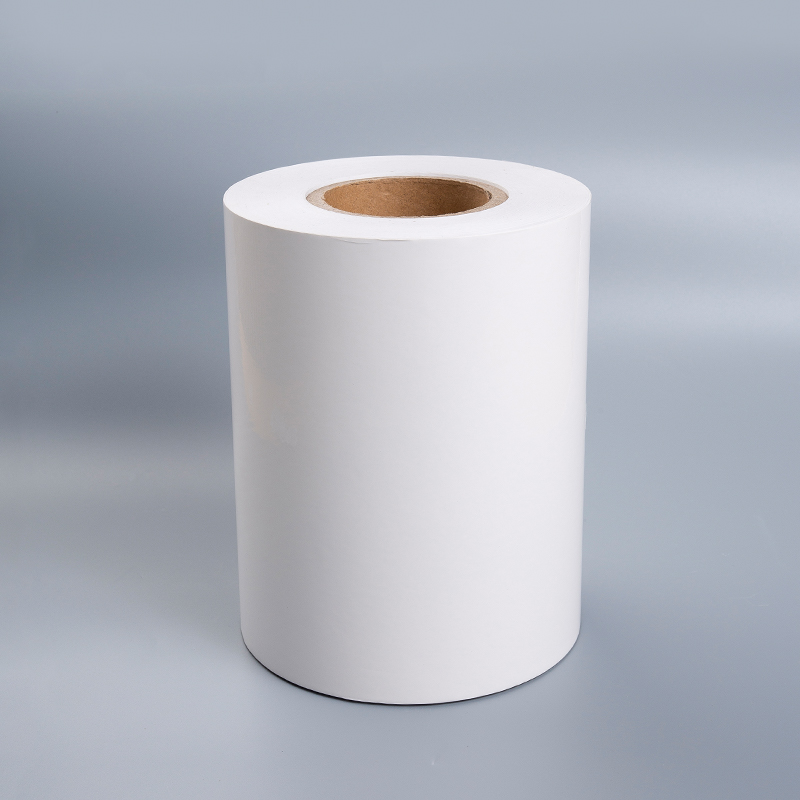
- Liner (backing layer) — A silicone-coated release sheet, typically paper or polyester film, that protects the adhesive until the label is applied. Liner type affects how smoothly labels dispense from rolls, whether they can be reused or recycled, and compatibility with automated label dispensing equipment.
The performance of a self adhesive label is only as good as the weakest link in this three-layer system. A premium facestock paired with an incompatible adhesive for the application surface will fail just as surely as a cheap paper label in a wet environment.
Facestock Options: The Core of Label Material Selection
Facestock is the category with the widest variety of options, and the choice here determines the label's printability, texture, durability, and suitability for regulatory or environmental requirements. The two broad categories are paper-based and film-based, each with distinct subcategories.
Paper Facestocks
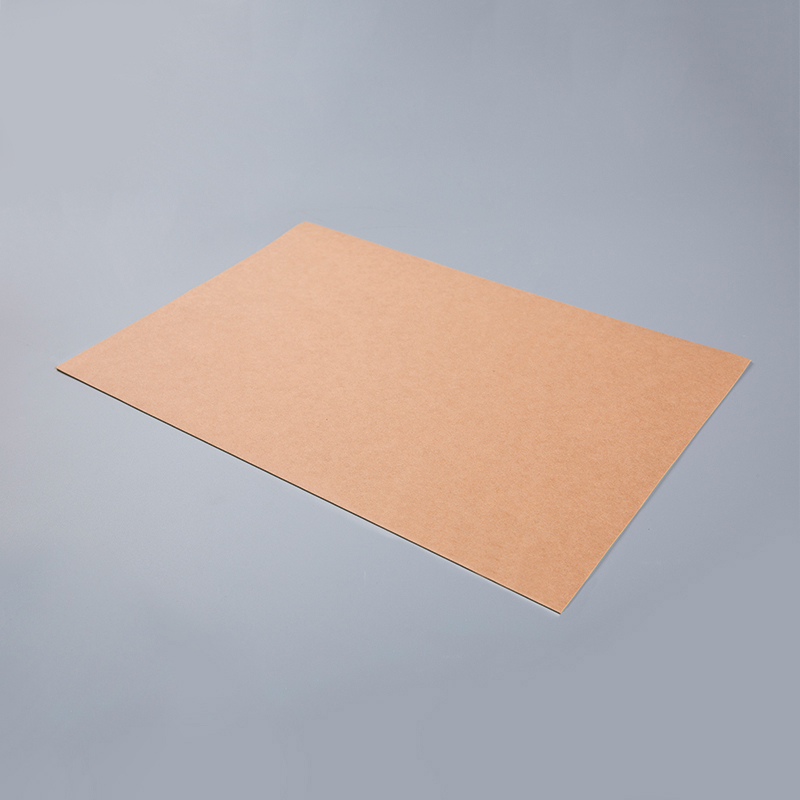
Paper remains the most widely used label facestock globally, favored for its low cost, excellent printability, and natural appearance. Key paper types include:
- Coated paper (gloss or matte) — A clay or polymer coating applied to the paper surface produces a smooth, receptive printing substrate. Gloss coated paper delivers high color vibrancy ideal for food labels, cosmetics, and retail products. Matte coated paper provides a softer, more premium look favored in wine labels and artisan products. Neither is water-resistant without additional topcoat lamination.
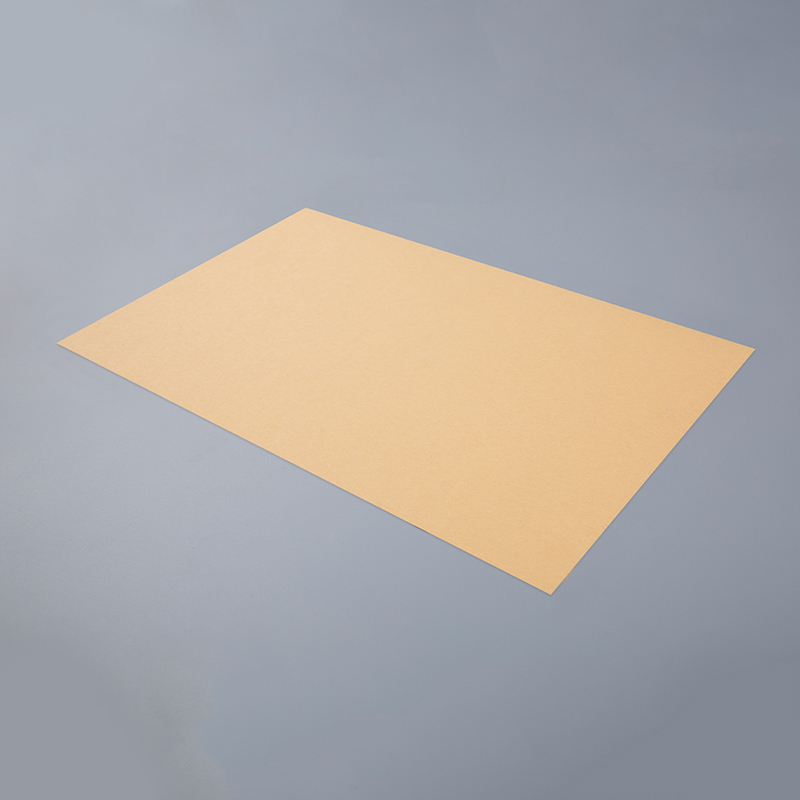
- Uncoated paper — Natural, slightly textured surface used for handwritten labels, kraft-aesthetic products, and applications requiring an organic or artisan appearance. Ink absorption is higher, which can reduce sharpness on fine-detail print but enhances the "hand-applied" look intentionally.
- Thermal paper — Used in direct thermal printing (no ink ribbon required), where heat from the print head activates the coating. Common in shipping labels, receipts, and barcode labels. Standard thermal paper is not UV-stable and will fade if exposed to sunlight, heat above 65°C (150°F), or certain solvents. Thermal transfer paper requires a ribbon but produces more durable print, often used in industrial labeling.
- Wet-strength paper — Chemically treated to maintain structural integrity when wet. Used in beer and beverage labels that are frequently submerged in ice buckets or condensation-heavy environments. Wet-strength paper can absorb moisture without disintegrating, though it is not waterproof and the adhesive must also be water-resistant to maintain bond.
Film Facestocks
Film facestocks are polymer-based materials that offer substantially greater durability, moisture resistance, and flexibility than paper. They are the preferred choice for outdoor applications, chemical exposure, and any environment where a paper label would degrade.
- BOPP (Biaxially Oriented Polypropylene) — The most widely used film facestock in consumer product labeling. BOPP is waterproof, tear-resistant, chemical-resistant, and available in clear, white, silver, and matte finishes. It conforms well to curved surfaces (critical for bottles and tubes) and is compatible with UV flexo, digital, and gravure printing. Clear BOPP labels on clear containers produce the popular "no-label look" used in premium beverages and cosmetics.
- Polyester (PET) — Higher stiffness and dimensional stability than BOPP, with superior resistance to heat (rated to 150°C / 300°F in some grades), chemicals, and UV exposure. Used in electrical component labels, automotive under-hood applications, laboratory sample tubes, and any application where precise dimensional tolerances must be maintained under temperature variation. Silver and white polyester are common finishes.
- Polyethylene (PE) — A flexible, squeezable film used in labels for tubes, flexible packaging, and surfaces that flex or stretch in use. HDPE and LDPE variants are used in squeezable cosmetic tubes and flexible food packaging where a rigid film would crack or delaminate under repeated deformation.
- Vinyl (PVC) — Highly conformable and available in a wide range of colors and finishes. Vinyl labels are the standard material for outdoor signage, asset labels, vehicle graphics, and marine applications. Calendered vinyl is cost-effective for shorter outdoor exposures (3–5 years); cast vinyl conforms to complex curves and carries outdoor ratings of 7–10 years.
- Polypropylene (PP) — non-oriented — More flexible than BOPP, used in wrap-around labels for containers and squeezable bottles where extreme conformability is required without the stiffness of polyester.
Specialty Facestocks
- Metallic foil — Aluminum or holographic foil facestocks used in premium product labels, security labels, and decorative applications. Foil labels cannot be printed digitally in the traditional sense; they require hot stamping or are produced as foil-laminated paper or film.
- Destructible vinyl — Engineered to fragment when removal is attempted, leaving evidence of tampering. Used in warranty seals, security labels, and asset identification where unauthorized removal must be detectable.
- Fabric and textile — Woven or nonwoven fabric facestocks used in garment labels, care instruction labels, and industrial identification tags requiring flexibility and wash resistance.
Adhesive Types and When Each One Is Appropriate
The adhesive layer is often selected by default — most standard label stock ships with a general-purpose permanent adhesive — but matching the adhesive to the specific application surface and environment is critical for reliable performance.
| Adhesive Type | Temp Range | Removability | Typical Applications |
|---|---|---|---|
| General-purpose permanent | −10°C to 70°C | Not removable | Product labels, shipping, retail |
| Removable / repositionable | 0°C to 60°C | Clean removal | Price tags, promotional labels, temporary ID |
| Freezer / cold temperature | −40°C to 50°C | Permanent | Frozen food, pharmaceuticals, cold chain |
| High-temperature | Up to 200°C+ | Permanent | Automotive, electronics, industrial |
| High-tack / aggressive | −10°C to 80°C | Not removable | Low surface energy plastics (PE, PP, PTFE) |
| Water-soluble | 5°C to 40°C | Dissolves in water | Glass recycling, reusable containers |
One frequently overlooked factor is surface energy of the substrate. High surface energy materials like glass, aluminum, and stainless steel bond readily with standard adhesives. Low surface energy materials like polyethylene, polypropylene, and PTFE (Teflon) repel standard adhesives and require specially formulated high-tack PSAs or surface treatment of the substrate prior to labeling. A standard permanent adhesive applied to an untreated PE surface will often delaminate within days even under ideal temperature and humidity conditions.
Matching Label Material to Application Environment
The environment a label lives in after application is the most reliable guide to facestock and adhesive selection. Each environment places specific demands on the label system that only certain material combinations can meet reliably.
Food and Beverage Labels
Food and beverage labeling spans several distinct sub-environments: ambient retail shelves, refrigerated cases, freezer storage, and ice bucket or condensation exposure. A single label material rarely covers all conditions optimally.
- Dry ambient products (pantry goods, snack packaging) — coated paper with a general-purpose permanent adhesive is cost-effective and provides excellent print quality for retail shelf appeal.
- Chilled products and refrigerated labels — BOPP film with a cold-temperature adhesive handles condensation without label lift. Standard paper labels with general-purpose adhesive will delaminate within days in refrigerated environments.
- Frozen food — Requires a freezer-grade adhesive rated to −40°C applied to a film facestock. Labels must be applied to dry, frost-free surfaces — no adhesive performs reliably on frost-covered packaging.
- Beverages in ice — Wet-strength paper with a water-resistant adhesive, or BOPP with cold-temperature adhesive. Many premium wine and craft beer producers use wet-strength paper specifically for the authentic paper aesthetic even in ice-bucket conditions.
Outdoor and Industrial Labels
Outdoor labels face UV radiation, temperature cycling, moisture, and physical abrasion — a combination that eliminates paper facestocks entirely. UV exposure degrades paper and many inks within weeks if unprotected. For outdoor applications requiring multi-year durability:
- Cast vinyl with UV-stable inks and overlaminate is the standard for outdoor asset labels, equipment nameplates, and vehicle graphics requiring 5–10 year durability.
- Polyester (PET) with UV-cured print is used where dimensional stability under temperature variation matters — electrical panels, warning labels on machinery, and laboratory equipment identification.
- Aluminum foil facestock is used in extreme environments where polymer films may degrade — high-heat industrial equipment, chemical plant pipe identification, and aerospace applications.
Pharmaceutical and Laboratory Labels
Pharmaceutical labeling is governed by strict regulatory requirements in addition to performance demands. Labels on drug packaging must comply with FDA, EU MDR, or equivalent standards for legibility, durability, and material safety. Key requirements include:
- Resistance to isopropyl alcohol, ethanol, and other sterilization agents used in cleanroom and hospital environments
- Freeze-thaw stability for labels on cryogenic sample vials (−196°C liquid nitrogen storage) — a demanding application requiring specialized cryogenic label materials and aggressive PSAs specifically formulated for ultra-low temperature bonding
- Autoclave compatibility for sterilization at 121–134°C and high pressure — only specific polyester and polypropylene materials survive repeated autoclave cycles without delaminating or losing legibility
Label Material and Printing Method Compatibility
Not all label materials are compatible with all printing methods, and mismatches lead to ink adhesion failure, smearing, or complete print rejection. Choosing the label material and print method together rather than independently avoids costly reprints and production delays.
| Label Material | Inkjet | Laser | Thermal Transfer | UV Flexo / Digital |
|---|---|---|---|---|
| Coated paper | Compatible | Compatible | Compatible | Compatible |
| Thermal paper | Not Compatible | Not Compatible (heat activates) | Not Compatible | Not Compatible |
| BOPP film | Requires coating | Not Compatible (material deformation) | Compatible | Compatible |
| Polyester (PET) | Requires coating | Compatible (high temperature grade required) | Compatible | Compatible |
| Vinyl (PVC) | Solvent or latex ink required | Not Compatible | Compatible | Compatible |
A critical practical point: uncoated film materials (BOPP, polyester, PE) have very low surface energy and will not accept water-based inkjet inks without a topcoat treatment applied during facestock manufacturing. Films specified as "inkjet printable" have this treatment applied; standard roll stock does not. Always confirm printability treatment when ordering film facestock for in-house inkjet printing.
Liner Materials and Their Impact on Label Performance
The liner is the most overlooked layer in label material selection, but it directly affects dispensing speed, waste management, and compatibility with high-speed automated labeling equipment.
- Glassine paper liner — The most common liner for general-purpose labels. A smooth, dense paper with silicone release coating. Cost-effective but not suitable for high-humidity environments where it can absorb moisture and curl, causing misfeed in automatic dispensers.
- PET (polyester) liner — Dimensionally stable, moisture-resistant, and compatible with precision die-cut labels. Used in pharmaceutical labeling, cleanroom environments, and high-speed dispensing applications where liner curl or stretch would cause registration errors. PET liners are typically 23–50 microns thick and offer significantly better flatness than paper liners.
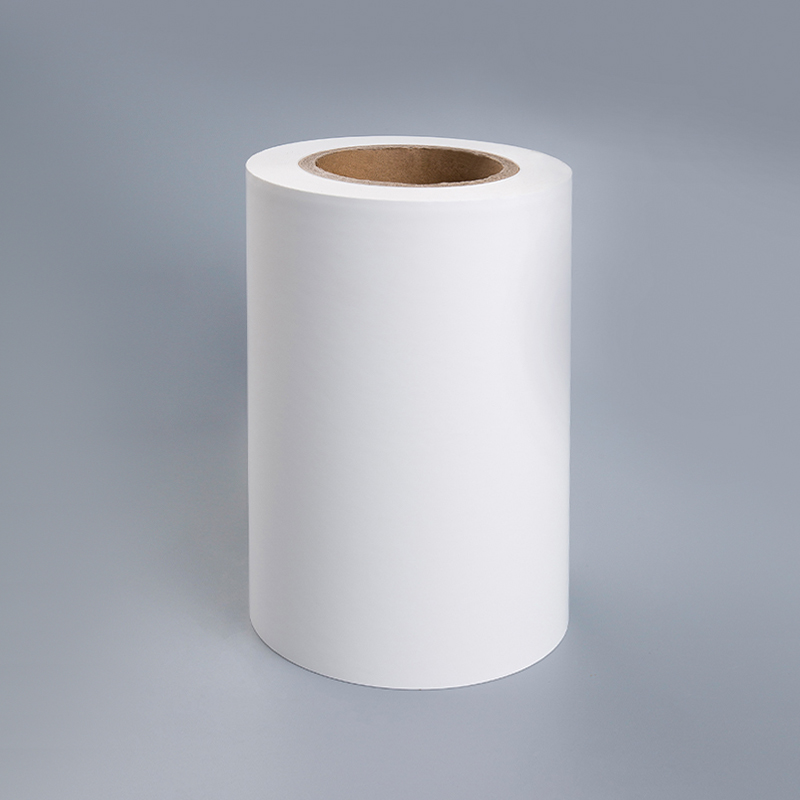
- Linerless labels — A growing format that eliminates the backing liner entirely by using a non-stick topcoat on the facestock instead of a separate liner. Reduces material waste by up to 40% and allows more labels per roll (no liner weight). Requires compatible linerless printers and dispensers but is increasingly adopted in logistics, food service, and retail for its sustainability advantages.
Sustainable and Eco-Friendly Label Materials
Sustainability pressure from both regulators and consumers has driven rapid development of alternative label materials that reduce environmental impact without sacrificing functional performance.
- FSC-certified paper — Paper facestocks and liners certified by the Forest Stewardship Council verify responsible forestry sourcing. Available across all paper facestock types without performance compromise.
- Recycled content paper — Post-consumer waste (PCW) paper facestocks available in 30–100% recycled content grades. Print quality may vary slightly from virgin paper but is acceptable for most applications.
- Bio-based films — PLA (polylactic acid) and other bio-derived polymer films offer similar functionality to BOPP for short shelf-life applications while being compostable under industrial composting conditions. Not yet suitable for all applications due to lower heat resistance compared to petroleum-based films.
- Wash-off adhesives — Water-soluble adhesives developed for glass and PET bottle labeling allow labels to be cleanly separated during bottle washing for recycling, improving the recyclability of the substrate. Several major beverage brands have adopted wash-off label systems to meet extended producer responsibility (EPR) targets.
- Thin-film labels — Reducing facestock gauge (thickness) by 20–30% reduces material use per label without affecting functional performance for many applications — a straightforward sustainability gain with no aesthetic tradeoff.
Key Specifications to Confirm Before Ordering Label Material
Whether ordering custom-printed self adhesive labels or blank label stock, confirming these specifications before committing to a production run prevents the most common and costly specification errors:
- Application surface and its surface energy — Glass, metal, coated paper, PE plastic, and textured surfaces each require different adhesive formulations. Specify the exact substrate material to the label supplier.
- Application temperature — Most pressure-sensitive adhesives require a minimum application temperature of 10°C (50°F) to develop proper tack. Cold chain labels applied in freezer environments need adhesives formulated for cold-temperature application, not just cold-temperature service.
- Service temperature range — The temperature range the label will experience after application, including both extremes. A label rated for −10°C to 70°C will fail in a freezer or on an automotive exhaust component.
- Chemical exposure — Any solvents, oils, acids, or cleaning agents the label surface will contact. Many standard adhesives and inks are not resistant to isopropyl alcohol or aromatic solvents.
- Required outdoor life / UV resistance — If the label will be exposed to sunlight, specify the required outdoor durability in years. UV-stabilized materials and inks add cost but are the only way to achieve multi-year outdoor performance.
- Print method compatibility — Confirm facestock is specified for your exact print technology. Film materials in particular need to be matched to the printing process to ensure ink adhesion and color accuracy.
- Regulatory compliance requirements — Food contact, pharmaceutical, or children's product labeling may require FDA-compliant adhesives, FDA-approved colorants, or specific material certifications. Always confirm compliance requirements before selecting materials for regulated industries.