
 English
 Español
 русский
 Français
 عربى
عربىContent
Introduction to Semi Glossy Paper
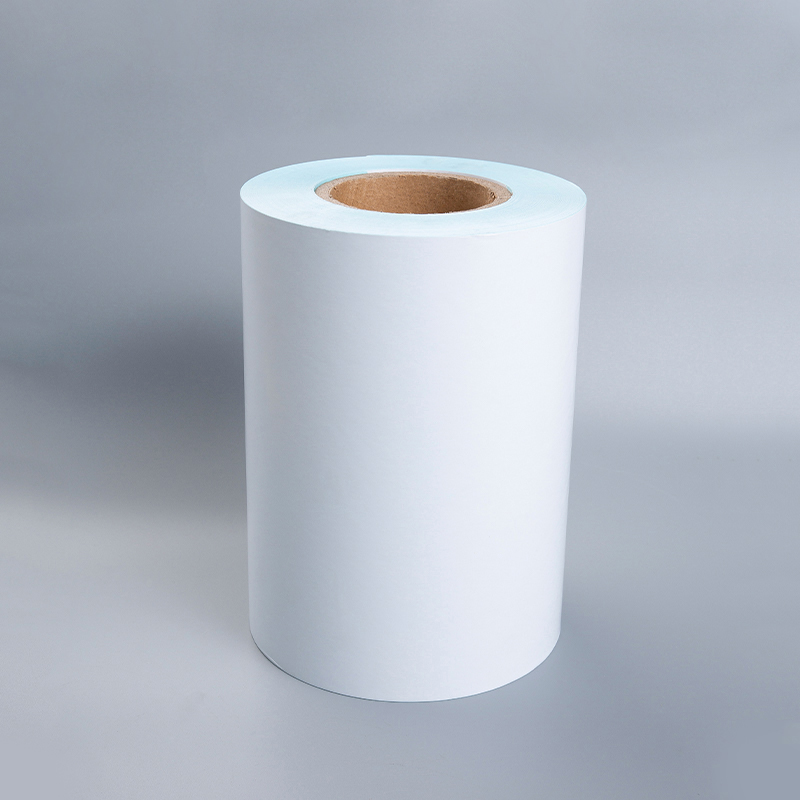
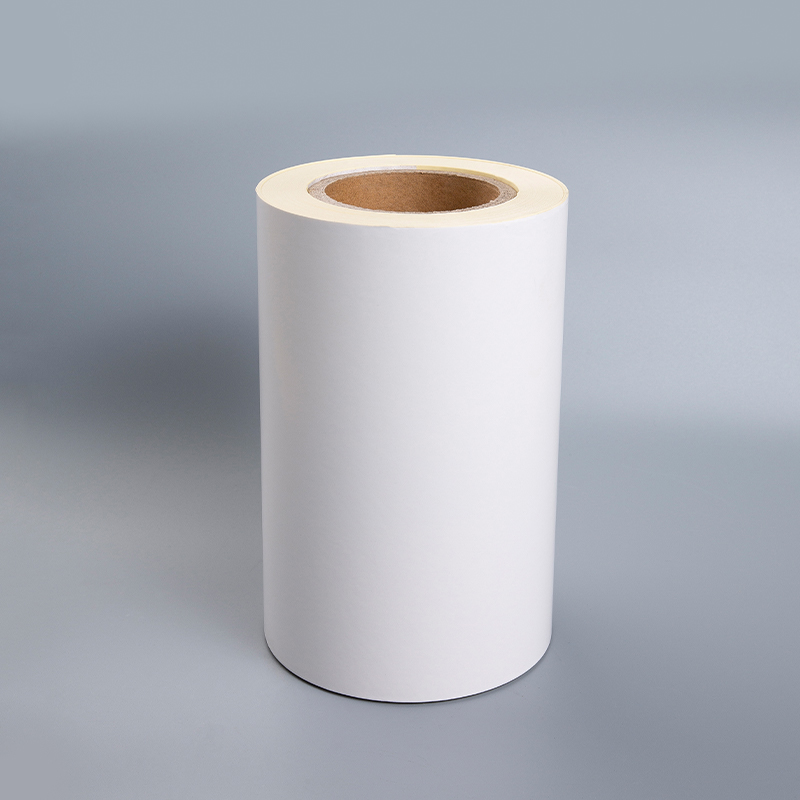
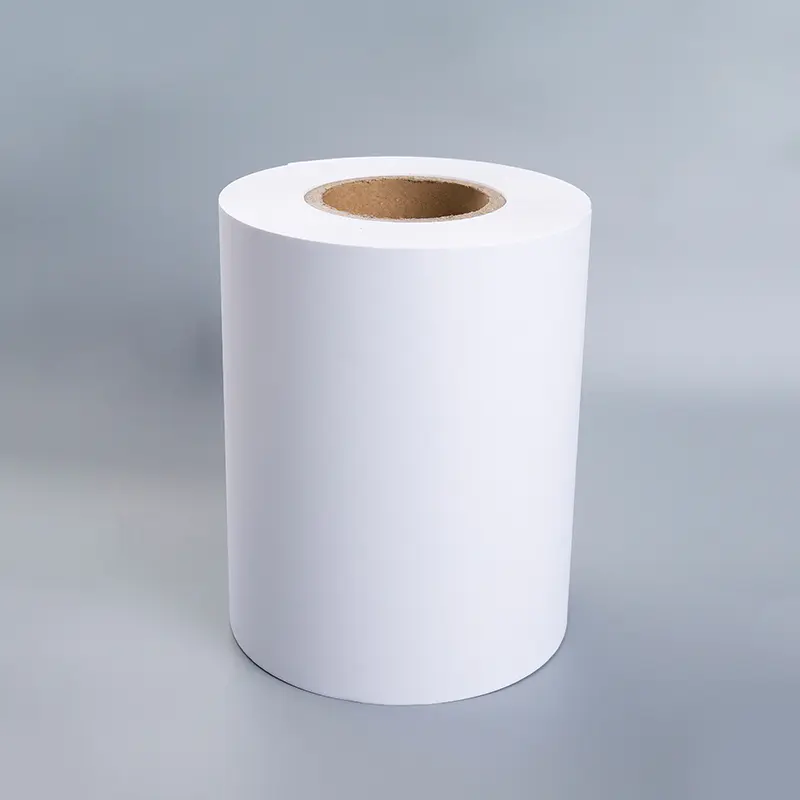
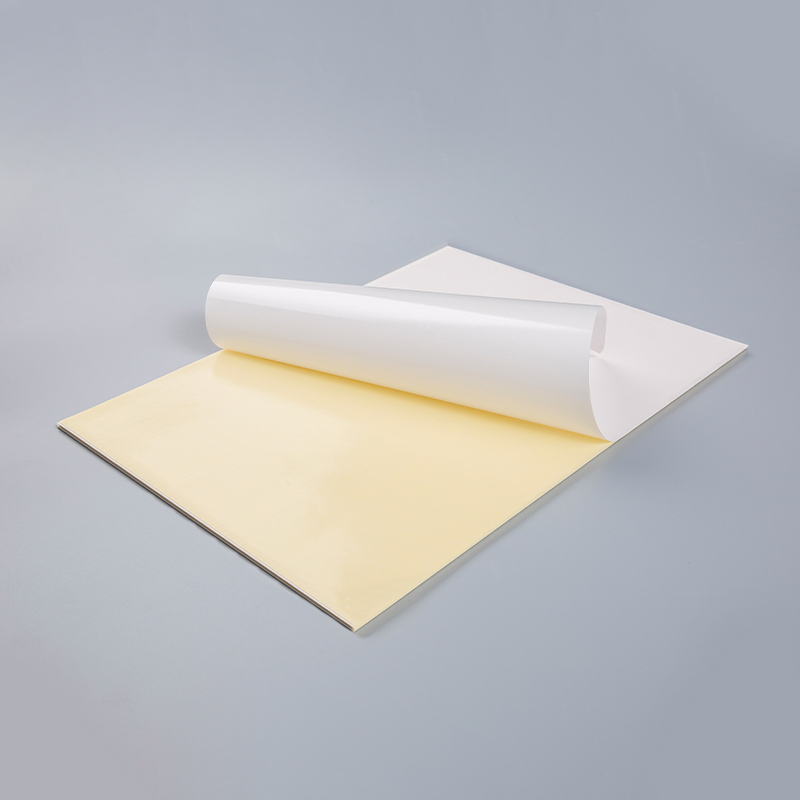
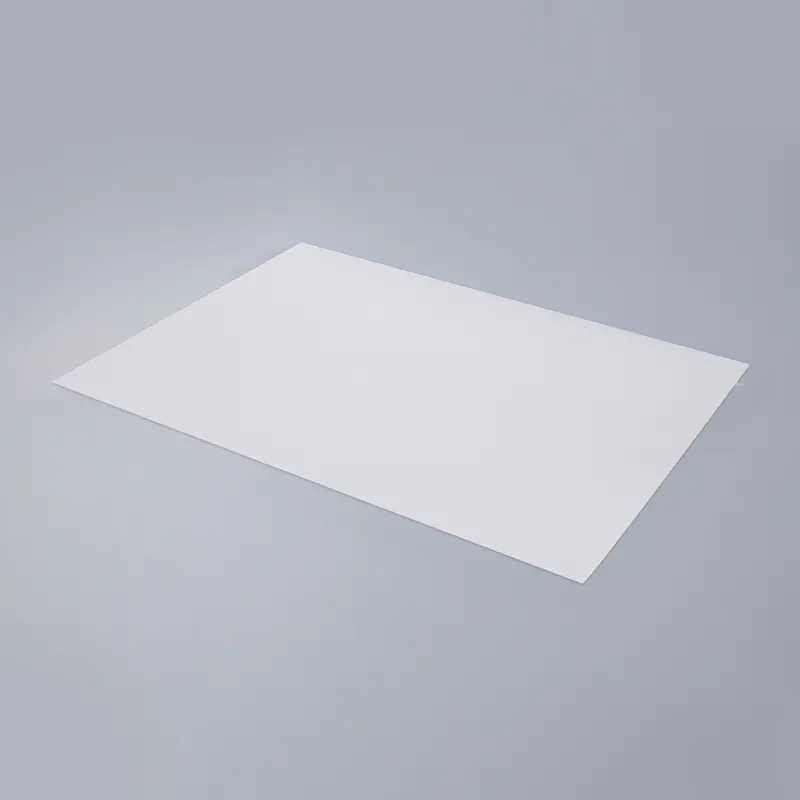
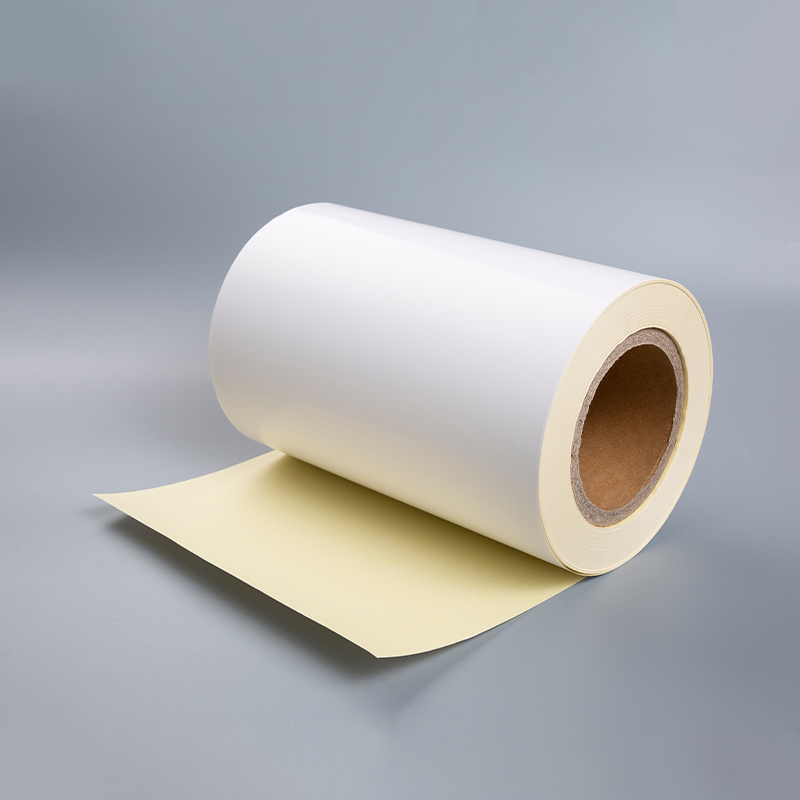
Semi glossy paper is a versatile paper type that combines the subtle sheen of glossy paper with the soft finish of matte paper. It is commonly used in photography, marketing materials, brochures, and high-quality printing projects. Understanding the differences in paper weights and finishes helps users achieve the best results for their specific applications, ensuring sharp images, vibrant colors, and professional presentation.
Understanding Paper Weight
Paper weight refers to the thickness and density of the paper, typically measured in grams per square meter (gsm). The weight affects how the paper handles ink, its durability, and the overall appearance of printed materials. Choosing the appropriate weight is crucial to balancing print quality, handling, and cost.
Lightweight Semi Glossy Paper
Lightweight semi glossy paper, usually around 90-120 gsm, is ideal for bulk printing of flyers, newsletters, and brochures where flexibility and cost-efficiency are important. This paper type allows for smooth ink absorption, but may be prone to curling or wrinkling if handled excessively. It is also suitable for high-speed printing machines.
Medium Weight Semi Glossy Paper
Medium weight paper, typically 130-170 gsm, offers a balance between durability and flexibility. It is commonly used for promotional brochures, catalogs, and photo prints. The paper provides a slightly more substantial feel while maintaining excellent image clarity and ink retention. Medium weight semi glossy paper is also less likely to warp during double-sided printing.
Heavyweight Semi Glossy Paper
Heavyweight paper, ranging from 180-250 gsm or higher, is preferred for premium materials, such as professional portfolios, business cards, and high-quality photo prints. It offers superior durability, prevents bleed-through, and provides a more luxurious tactile experience. Heavyweight semi glossy paper also enhances color depth and sharpness, giving images a professional finish.
Exploring Semi Glossy Paper Finishes
The finish of semi glossy paper influences the visual impact, light reflection, and texture of printed materials. While semi glossy paper generally provides a subtle shine, variations in coating and surface smoothness can create different effects for specific applications.
Smooth Finish
Smooth semi glossy paper has a uniform surface that enhances image sharpness and detail. It is ideal for photographic prints, high-resolution graphics, and materials where crisp text and precise lines are essential. Smooth finishes also allow for easy writing with pens if needed, making it suitable for promotional handouts.
Textured Finish
Some semi glossy papers feature a subtle texture, adding a tactile dimension to printed materials. Textured finishes can enhance the perceived quality of invitations, premium brochures, and certificates. While the texture slightly diffuses light reflection, it adds depth to images and creates a professional and elegant appearance.
Comparing Paper Weights and Finishes for Optimal Use
Selecting the right combination of paper weight and finish depends on the intended application. The table below compares common options and their practical benefits to guide users in achieving optimal printing results.
| Paper Type | Weight (gsm) | Finish | Best Applications |
| Lightweight Semi Glossy | 90-120 | Smooth | Flyers, newsletters, mass mailings |
| Medium Weight Semi Glossy | 130-170 | Smooth or Textured | Brochures, catalogs, photo prints |
| Heavyweight Semi Glossy | 180-250+ | Smooth or Textured | Professional portfolios, premium brochures, high-quality photo prints |
Tips for Choosing the Right Paper
When selecting semi glossy paper, consider the following practical tips to achieve the best results:
- Match paper weight to the purpose: lightweight for bulk printing, heavyweight for premium prints
- Choose smooth finishes for high-detail images and text clarity
- Use textured finishes to enhance tactile quality for invitations and premium materials
- Check printer compatibility, as heavier paper may require specific settings
- Consider the ink type and drying time to avoid smudging or bleeding
Conclusion
Understanding the differences in semi glossy paper weights and finishes allows users to select the ideal combination for their printing projects. Whether producing flyers, brochures, photo prints, or premium portfolios, choosing the appropriate paper ensures optimal image quality, durability, and professional results. By evaluating both weight and finish, users can maximize the visual impact and overall effectiveness of their printed materials.