
 English
 Español
 русский
 Français
 عربى
عربىContent
- 1 Understanding Pressure Sensitive Label Material
- 2 Identifying the Product Surface and Environment
- 3 Choosing the Right Face Stock Material
- 4 Selecting the Appropriate Adhesive
- 5 Printing Compatibility and Finishing Options
- 6 Durability Requirements and Environmental Considerations
- 7 Balancing Cost and Performance
Understanding Pressure Sensitive Label Material
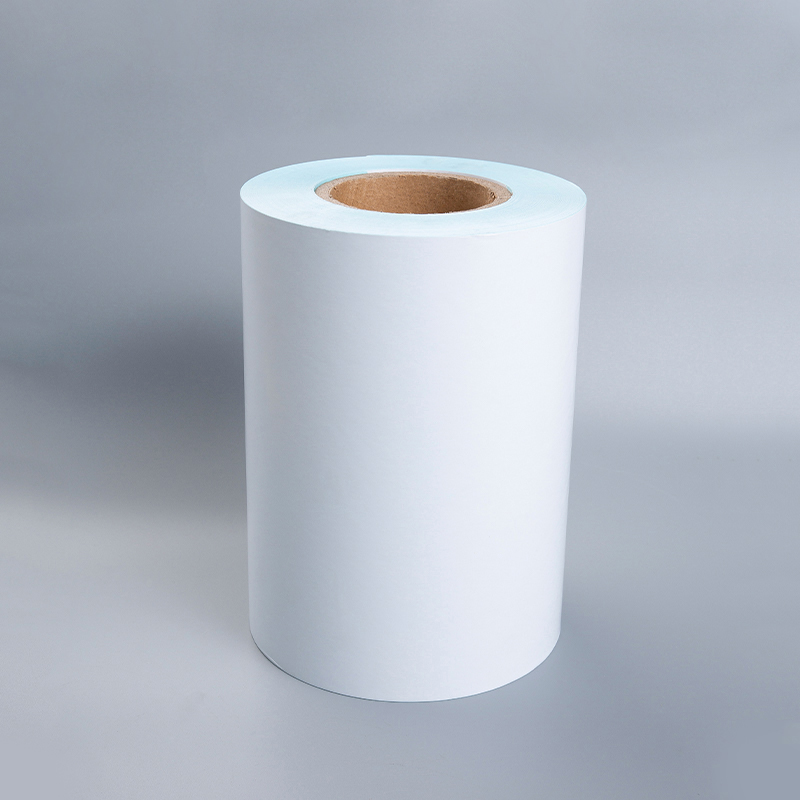
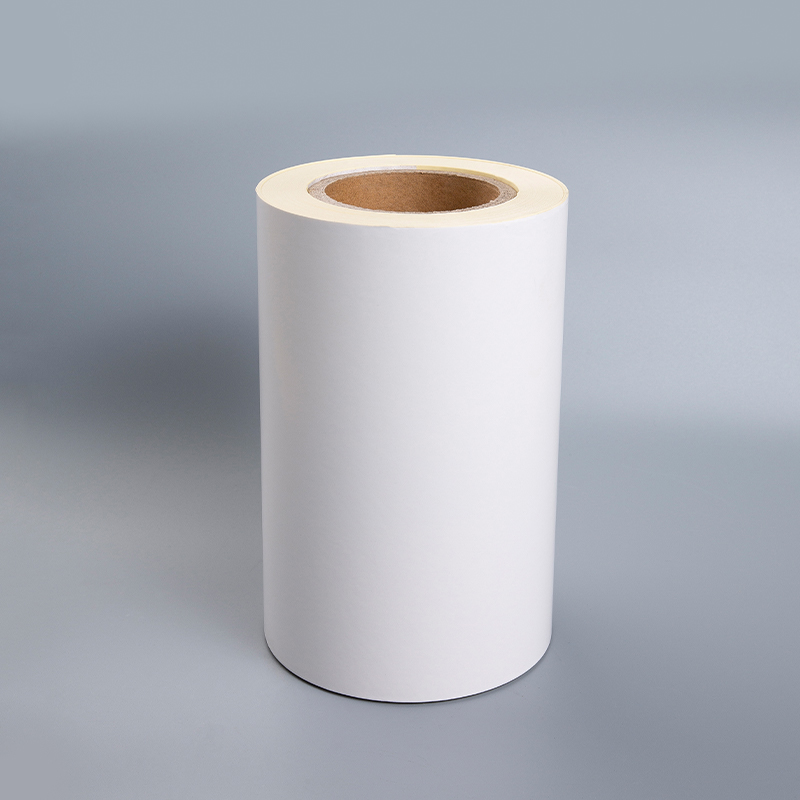
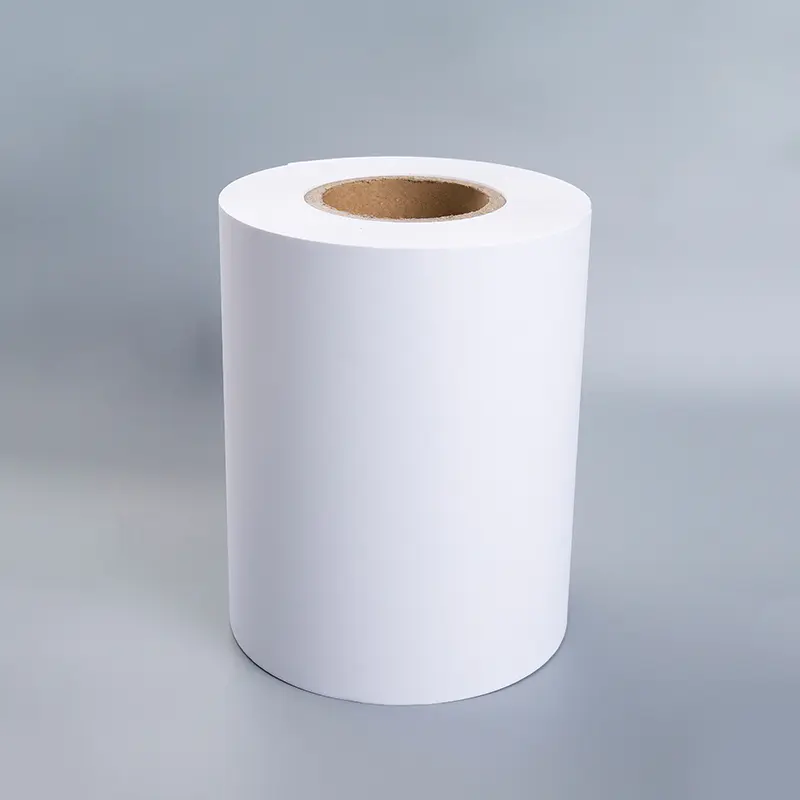
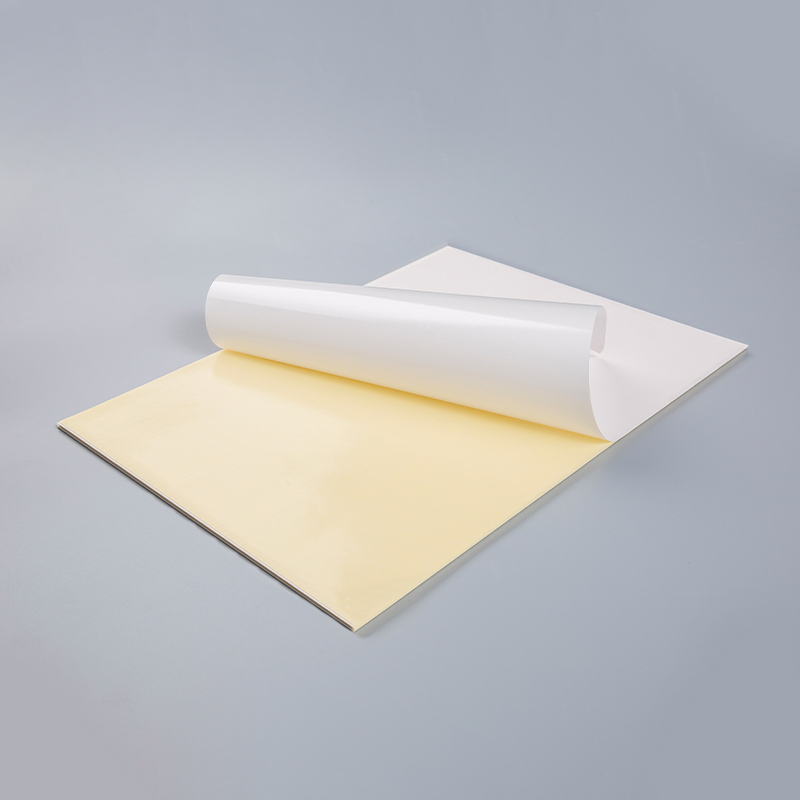
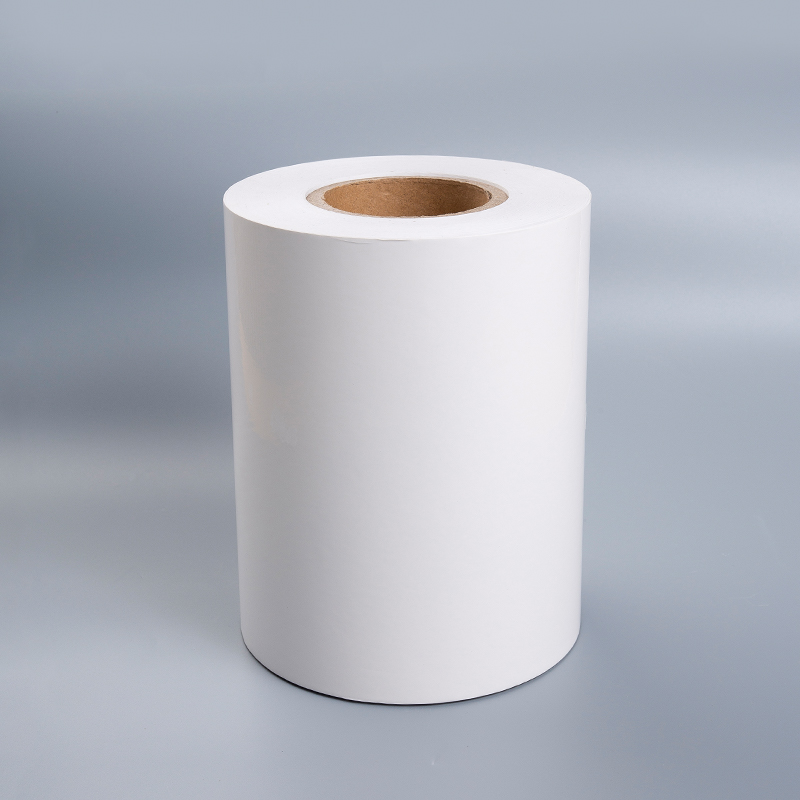
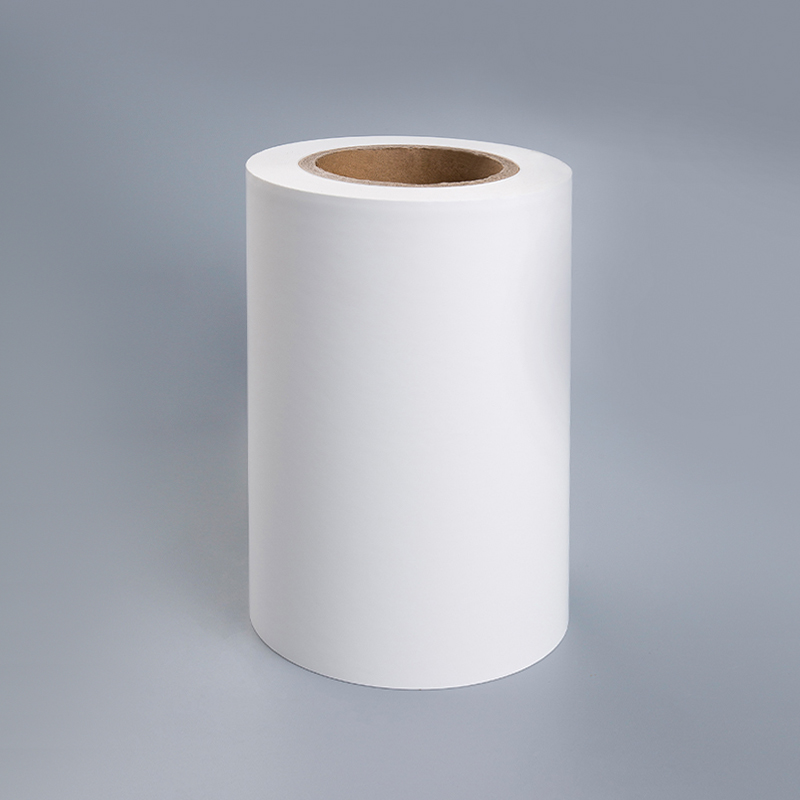
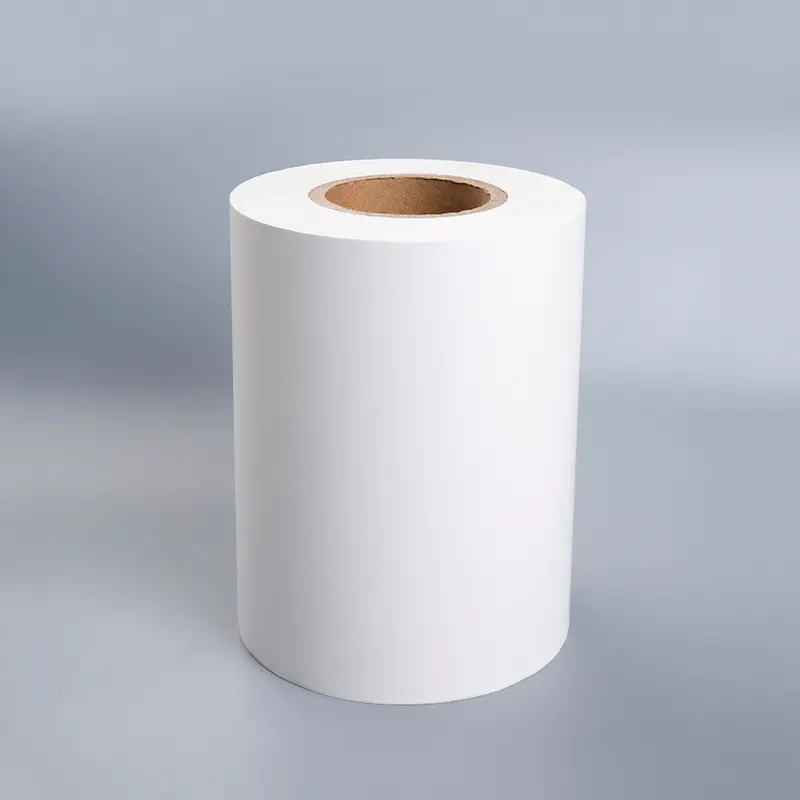
Pressure sensitive label material is a self-adhesive substrate that sticks to a product surface without requiring heat, water, or solvent activation. It typically consists of three layers: a face stock, an adhesive, and a release liner. Selecting the correct material ensures labels remain securely attached under intended environmental conditions and usage scenarios.
The face stock provides the visual surface for printing, while the adhesive determines how well the label adheres to different substrates. The release liner protects the adhesive until application. Understanding these components is essential for choosing a label material that matches product requirements and ensures durability and appearance.
Identifying the Product Surface and Environment
The type of surface to which a label will be applied significantly influences material choice. Smooth surfaces like glass and plastic typically allow standard pressure sensitive adhesives to perform well, whereas textured, curved, or uneven surfaces may require flexible or high-tack adhesives.
Environmental factors such as temperature, humidity, and exposure to liquids also impact label performance. Labels for refrigerated products, outdoor use, or chemical containers must be resistant to moisture, low or high temperatures, and potential abrasion to maintain adhesion and readability.
Choosing the Right Face Stock Material
The face stock is the visible part of the label and determines both appearance and printing compatibility. Paper-based stocks offer cost-effective solutions for short-term labeling, while synthetic films like polypropylene, polyethylene, and polyester provide durability, tear resistance, and water or chemical resistance.
Paper Face Stock
Paper face stocks are ideal for products with limited shelf life or low exposure to harsh conditions. They are easy to print and typically compatible with thermal, inkjet, and laser printing methods. However, they may not withstand moisture, high temperatures, or abrasive handling.
Synthetic Face Stock
Synthetic materials, including polypropylene and polyester, provide greater resistance to tearing, moisture, and chemical exposure. They are suitable for durable applications such as industrial products, chemical containers, and refrigerated goods. These materials maintain color and print quality over extended periods, making them a reliable choice for premium packaging.
Selecting the Appropriate Adhesive
The adhesive type is critical to label performance. Permanent adhesives ensure labels stay affixed for the product’s lifespan, while removable or repositionable adhesives allow temporary attachment without leaving residue. High-tack adhesives are necessary for textured, curved, or uneven surfaces.
| Adhesive Type | Ideal Application | Key Feature |
| Permanent | Long-term product labeling | Strong adhesion, durable |
| Removable | Temporary labels, promotional stickers | Peels off cleanly |
| High-Tack | Rough, curved, or textured surfaces | Strong initial bond |
Printing Compatibility and Finishing Options
Printing technology and finishing processes influence label selection. Face stocks must be compatible with the intended printing method, whether it is digital, flexographic, thermal transfer, or offset printing. Additionally, coating options such as gloss, matte, or clear varnish can enhance appearance, durability, and resistance to moisture or abrasion.
Considerations such as barcode readability, color vibrancy, and UV resistance are critical for labels used in retail, logistics, and industrial applications. Matching the material to the printing process ensures consistent quality and reduces production errors.
Durability Requirements and Environmental Considerations
Label materials must meet environmental demands such as exposure to moisture, temperature variations, chemicals, and UV light. For products stored in refrigerated or outdoor conditions, synthetic face stocks with permanent or weather-resistant adhesives are often necessary to maintain adhesion and legibility.
Evaluating anticipated handling, storage, and transportation conditions allows businesses to select pressure sensitive label materials that perform reliably and maintain brand appearance throughout the product’s lifecycle.
Balancing Cost and Performance
While cost is a practical consideration, choosing a low-quality material may result in label failure, returns, or damaged branding. A careful balance between material cost, adhesive performance, and durability ensures long-term value and reduces the risk of product labeling issues.
Selecting the right pressure sensitive label material involves analyzing product surfaces, environmental conditions, adhesive types, face stock durability, and printing compatibility to achieve a reliable and professional label solution.