
 English
 Español
 русский
 Français
 عربى
عربىContent
- 1 The Importance of Selecting the Right Self-Adhesive Label Material
- 2 Understanding Different Self-Adhesive Label Materials
- 3 Adhesive Types and Their Applications
- 4 Surface Compatibility Considerations
- 5 Environmental Factors Impacting Label Material Selection
- 6 Printability and Finishing Options
- 7 Comparative Overview: Label Material Selection Table
- 8 Conclusion: Making an Informed Label Material Choice
The Importance of Selecting the Right Self-Adhesive Label Material
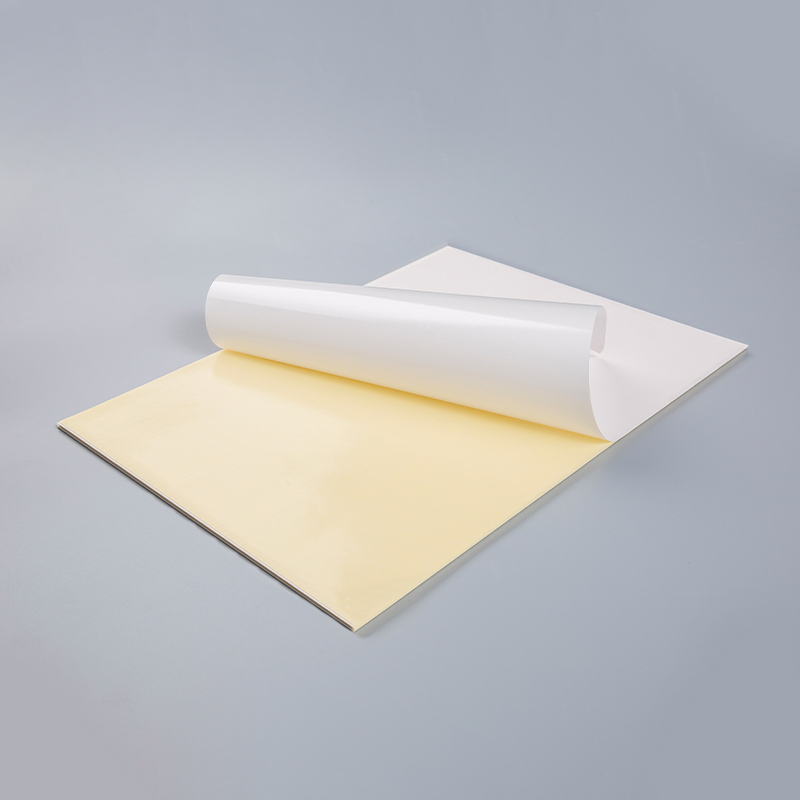
Self-adhesive labels are a crucial component of product packaging, branding, and information display. Choosing the correct label material ensures adhesion, durability, print quality, and overall performance under specific conditions. Understanding material types, adhesive properties, and environmental factors helps manufacturers, brand owners, and packaging designers select the optimal solution for their products.
Understanding Different Self-Adhesive Label Materials
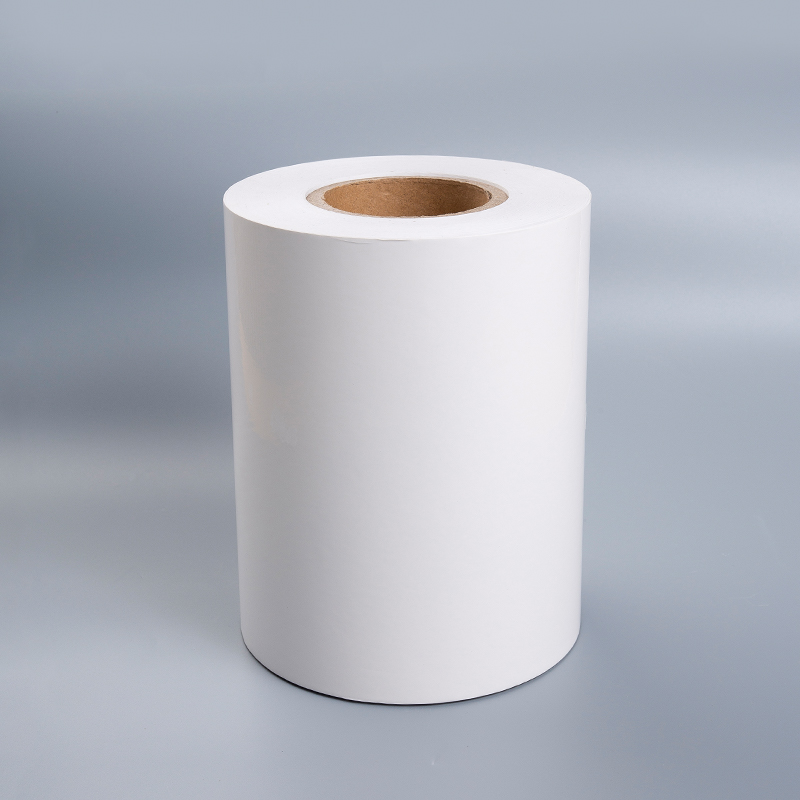
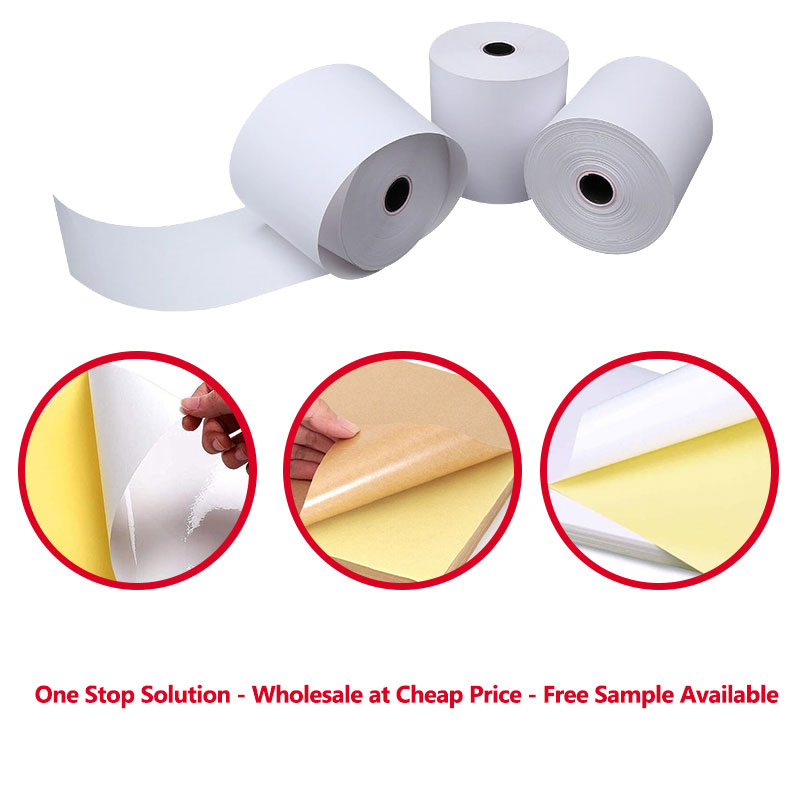
Self-adhesive label materials can be broadly categorized into paper, film, and synthetic substrates. Each type offers distinct advantages and limitations regarding durability, printability, and resistance to environmental stressors. Evaluating these characteristics ensures the label performs as intended throughout the product’s lifecycle.
Paper-Based Label Materials
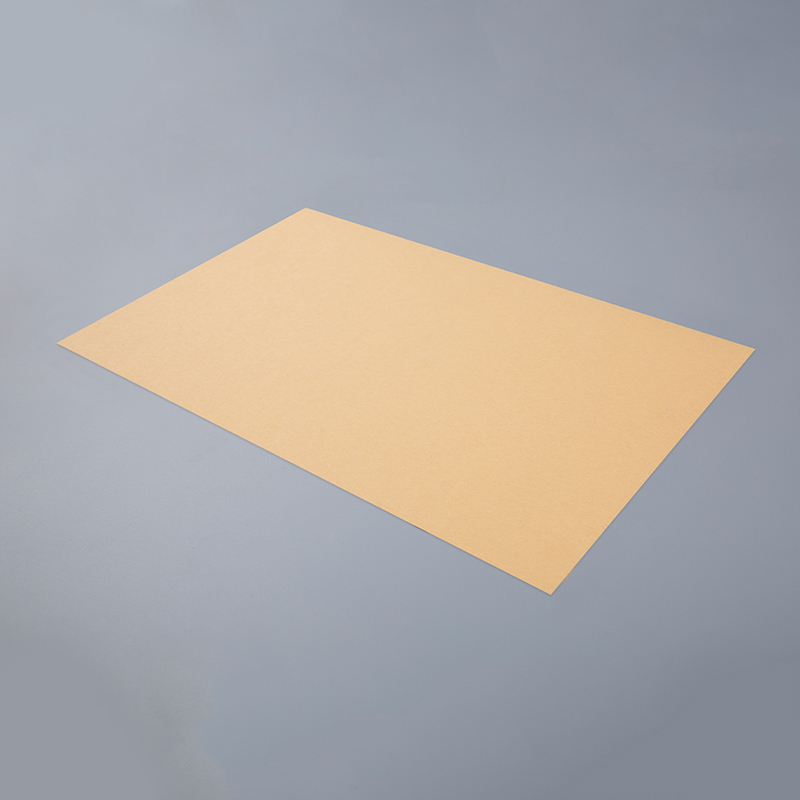
Paper labels are economical and versatile, suitable for general-purpose labeling. They provide excellent print quality for text and graphics but are less resistant to moisture, chemicals, and abrasion. Coated or treated paper options can improve durability while maintaining affordability.
Film and Synthetic Labels
Films, such as polypropylene, polyester, or vinyl, offer superior durability, resistance to water, oils, and chemicals, and can endure extreme temperatures. Synthetic labels are ideal for products exposed to harsh environments or requiring long-lasting adhesion. They also provide flexibility for specialty finishes like transparent, metallic, or matte surfaces.
Adhesive Types and Their Applications
The adhesive layer is a critical factor in label performance. Choosing the correct adhesive ensures proper bonding to the product surface and stability over time. Adhesives vary in tack, shear strength, and removability, influencing the suitability for different surfaces and applications.
- Permanent adhesives: Provide strong, long-lasting bonding, ideal for durable product packaging.
- Removable adhesives: Allow labels to be repositioned or removed without residue, suitable for temporary promotions or returns.
- High-tack adhesives: Designed for rough or uneven surfaces, ensuring secure adhesion.
- Specialty adhesives: Resistant to heat, cold, or chemicals for specific industrial or environmental conditions.
Surface Compatibility Considerations
The surface of the product plays a significant role in label adhesion. Smooth, clean surfaces allow for strong bonding, while textured, curved, or porous surfaces may require specialized adhesives or flexible substrates. Proper surface preparation, including cleaning and degreasing, enhances adhesive performance and longevity.
Environmental Factors Impacting Label Material Selection
Environmental conditions such as moisture, temperature fluctuations, UV exposure, and chemical contact can affect label integrity. Selecting materials and adhesives that resist these factors ensures that labels remain legible, intact, and visually appealing throughout their intended lifecycle.
Key Environmental Considerations
- Moisture resistance for products stored in humid or refrigerated conditions.
- Heat resistance for products exposed to high temperatures during shipping or storage.
- Chemical resistance for industrial or cleaning applications.
- UV stability to prevent fading or yellowing when exposed to sunlight.
Printability and Finishing Options
Self-adhesive label materials must support the intended printing method, whether digital, flexographic, thermal transfer, or offset printing. Some materials offer specialty coatings for enhanced ink adhesion, color vibrancy, and scratch resistance. Finishing options like gloss, matte, or textured surfaces can also influence brand perception and consumer appeal.
Comparative Overview: Label Material Selection Table
| Material Type | Key Features | Best Use Cases |
| Paper | Affordable, high print quality, limited durability | Short-term products, general packaging, promotional labels |
| Polypropylene Film | Durable, moisture resistant, flexible | Food packaging, beverage bottles, long-life products |
| Polyester Film | High strength, chemical resistant, temperature stable | Industrial, chemical containers, harsh environment applications |
| Vinyl | Flexible, weatherproof, resistant to tearing | Outdoor labeling, asset tracking, signage |
Conclusion: Making an Informed Label Material Choice
Selecting the right self-adhesive label material requires balancing print quality, adhesion strength, environmental resistance, and product-specific requirements. By understanding the characteristics of different substrates, adhesive types, and finishing options, businesses can ensure labels remain functional, durable, and visually appealing. A careful evaluation maximizes brand impact, reduces production issues, and enhances customer satisfaction across a wide range of applications.