
 English
 Español
 русский
 Français
 عربى
عربىContent
- 1 Introduction: The Unseen Essential in Modern Life
- 2 What is Self Adhesive Paper? Composition and Manufacturing
- 3 Types and Varieties of Self Adhesive Paper
- 4 Comprehensive Selection Guide: Choosing the Right Paper
- 5 Core Applications and Creative Uses
- 6 Expert Techniques for Perfect Application and Printing
- 7 Market Trends and Future Outlook
- 8 Conclusion
Introduction: The Unseen Essential in Modern Life
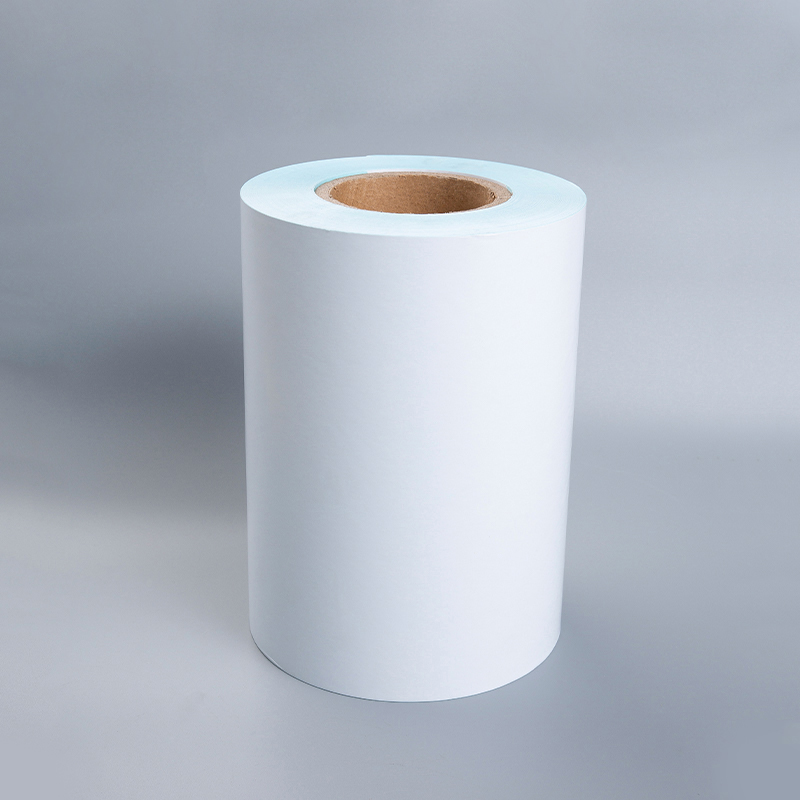
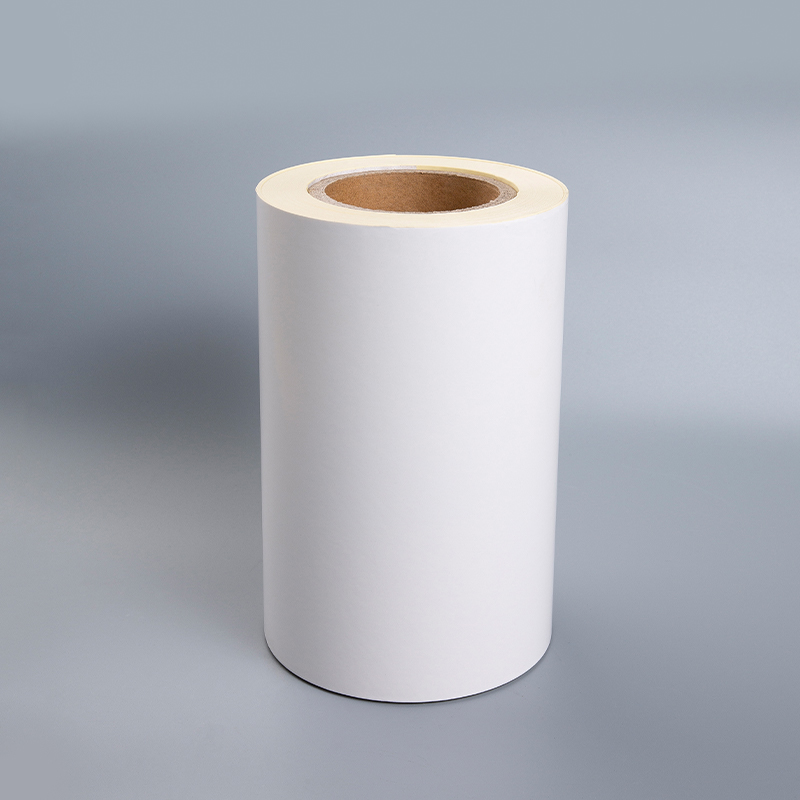
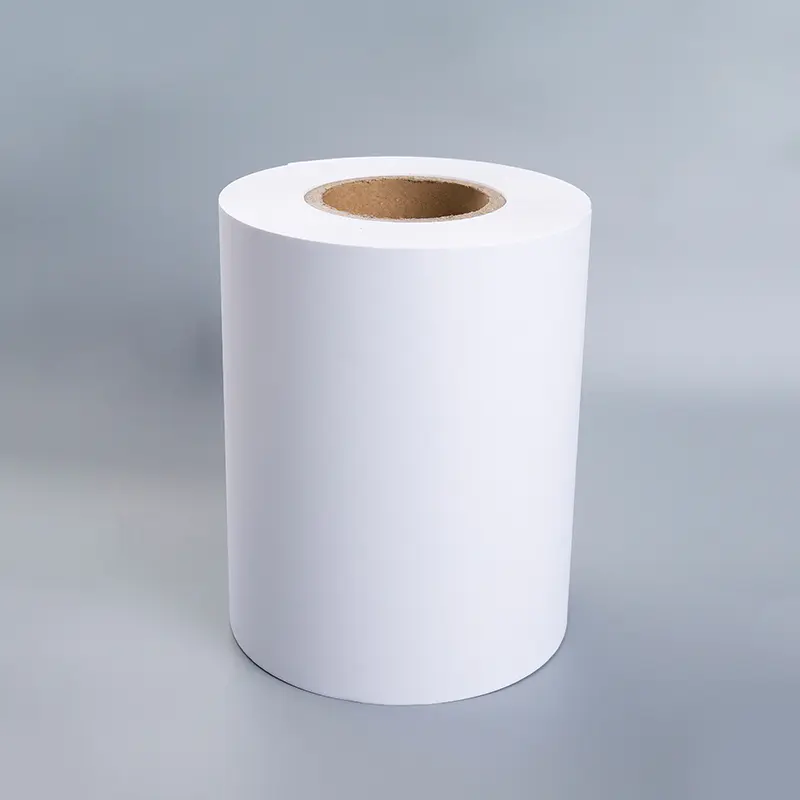
In an era dominated by digital communication, the enduring utility of a simple, physical material often goes unnoticed. Self adhesive paper, commonly known as sticky-back paper, is one such unsung hero. This versatile material, consisting of a printable paper face stock permanently coated with a pressure-sensitive adhesive backing, is a cornerstone of modern crafting, professional labeling, and innovative DIY projects. From organizing a pantry with custom labels to creating stunning decals for home decor or executing short-term promotional graphics, self adhesive paper eliminates the need for messy glues and tapes, offering a clean, immediate, and reliable bond. Its evolution from basic shipping labels to a wide array of specialized types has made it an indispensable tool in homes, offices, and industries worldwide. This comprehensive guide explores the composition, types, applications, and expert techniques for using self adhesive paper to its full potential.
What is Self Adhesive Paper? Composition and Manufacturing
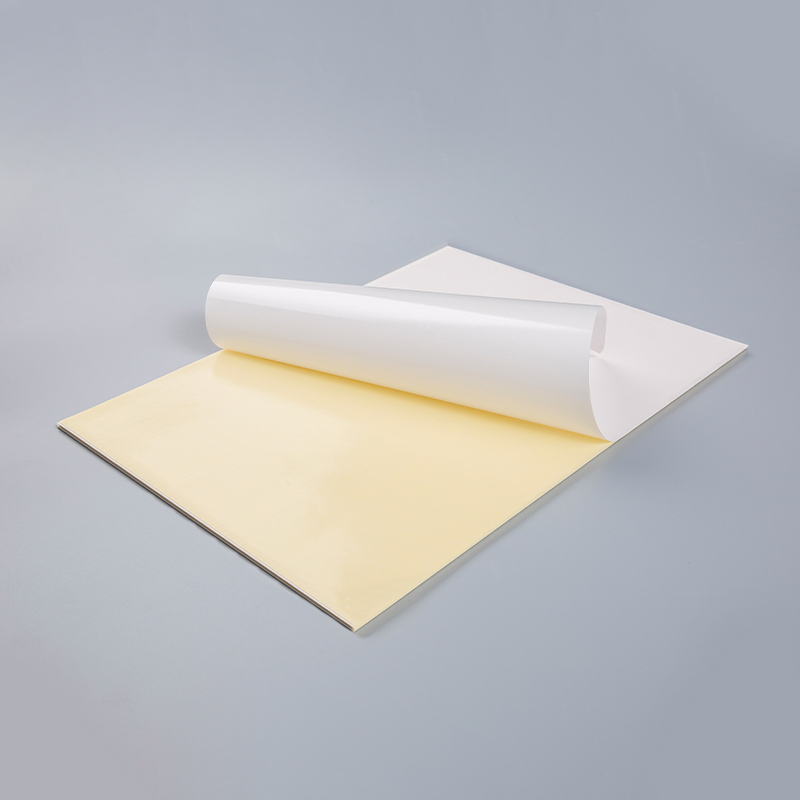
At its core, self adhesive paper is a laminated composite material engineered for ease of use and functional performance. Its structure is methodically layered:
-
Face Stock (The Printable Layer): This is the top layer that you see, print on, and handle. It can be made from various materials, including:
-
Paper: Ranging from economical matte and semi-gloss to high-quality bright white.
-
Film: Such as durable polyester (PET), vinyl, or polypropylene for water and tear resistance.
-
Foil: For a metallic, reflective appearance.
-
Specialty Materials: Like chalkboard, magnetic, or translucent sheets.
-
-
Adhesive (The "Sticky" Layer): A pressure-sensitive adhesive (PSA) is coated onto the back of the face stock. This adhesive is formulated to create an instant bond when light pressure is applied. Key types include:
-
Permanent Adhesive: Forms a strong, long-lasting bond intended to be irreversible without damaging the surface or the label.
-
Removable/Repositionable Adhesive: Provides a temporary bond that can be removed cleanly without residue, ideal for seasonal decorations or rental properties.
-
Ultra-Removable Adhesive: Offers an even weaker bond for extremely temporary applications.
-
-
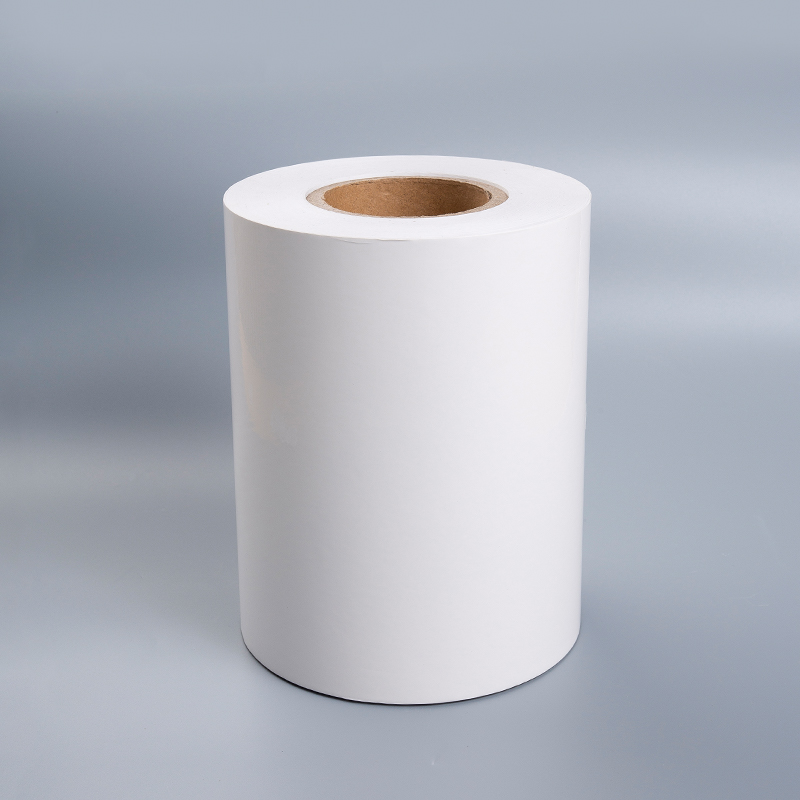
Release Liner (The Protective Backing): A silicone-coated paper or film sheet that protects the adhesive until use. It is peeled away during application. Liners can be sheet-based (for individual sheets) or on rolls for printers.
The manufacturing process involves precisely coating the adhesive onto the face stock, which is then laminated to the release liner and cured. The result is a user-friendly product that delivers consistent performance.
Types and Varieties of Self Adhesive Paper
Choosing the right type is crucial for project success. The market offers a vast selection tailored to specific needs.
By Finish and Appearance:
-
Matte: Non-reflective, provides excellent print clarity and is easy to write on with most pens. Ideal for organizational labels and classic designs.
-
Gloss/Semi-Gloss: Features a shiny, reflective surface that makes colors pop. Offers some smear resistance but can be harder to write on.
-
Transparent/Clear: The face stock is a clear film, allowing the underlying surface color to show through. Perfect for creating discreet "no-label" looks or window decals.
-
Metallic & Holographic: Has a shiny foil or holographic film face stock for eye-catching, premium effects in crafts and promotions.
By Function and Durability:
-
Waterproof & Weatherproof: Made from synthetic films like vinyl or polyester. These resist moisture, UV fading, and mild chemicals, making them suitable for outdoor labels, bottle tags, or items that will be washed.
-
Repositionable: Often a matte paper with a low-tack adhesive, allowing you to reposition the label multiple times without tearing it or leaving residue. Great for kids' activities, wall decals in rentals, or temporary organization systems.
-
Chalkboard: Coated with a paintable, writable chalkboard surface. Can be used with traditional chalk or liquid chalk markers for reusable labels on jars, signs, or menus.
-
Magnetic Sheets: Have a magnetic layer behind the printable face stock. Turn printed designs into custom magnets for fridges, whiteboards, or magnetic surfaces.
-
Laser vs. Inkjet Specific: Formulated specifically for the heat and toner of laser printers or the liquid inks of inkjet printers. Using the wrong type can lead to poor print quality, adhesive melting (in laser printers), or ink smearing.
Comprehensive Selection Guide: Choosing the Right Paper
Selecting the optimal self adhesive paper requires answering a few key questions about your project:
1. Define the Primary Application & Environment:
-
Indoor vs. Outdoor: Will the label be exposed to sun, rain, or temperature extremes? Choose waterproof vinyl for outdoor use.
-
Surface Type: Is it smooth (glass, plastic, metal), textured (wood, canvas), or porous (cardboard, some walls)? Smooth surfaces work with all adhesives; textured surfaces often require a stronger permanent adhesive and more pressure.
-
Duration: Is it temporary (event signage, seasonal decor) or permanent (asset tags, permanent branding)? Match with removable or permanent adhesive.
2. Determine the Printing Method:
-
Inkjet Printer: Requires paper with a micro-porous coating to absorb liquid ink quickly and prevent smudging. Look for "Inkjet" labeled sheets.
-
Laser Printer/Photocopier: Requires paper that can withstand the high fuser heat (up to 200°C/400°F) without the adhesive melting or the liner releasing gases. Always choose "Laser" labeled sheets for laser printers to prevent dangerous jams and printer damage.
-
Hand-Written: A matte or uncoated paper finish works best with most pens and markers.
3. Consider Aesthetic and Functional Requirements:
-
Finish Preference: Do you want a professional matte look, a vibrant gloss, or an invisible clear finish?
-
Durability Needs: Does it need to be scratch-resistant, waterproof, or tear-proof? Upgrade to a polyester or vinyl film.
-
Special Effects: Consider chalkboard for reusability, magnetic for functionality, or holographic for visual impact.
Core Applications and Creative Uses
Self adhesive paper's versatility unlocks creativity across numerous domains:
-
Home & Office Organization: The classic use. Create uniform labels for filing systems, pantry jars, spice containers, cable identifications, and storage bins. Using a consistent font and color scheme creates a clean, cohesive look.
-
Graphic Design & Signage: A cost-effective solution for short-run promotional materials. Design and print window decals, sale posters, retail shelf talkers, event banners, and vehicle magnets.
-
Crafting & DIY Projects: This is where creativity shines. Use it for:
-
Scrapbooking & Card Making: As photo mounts, decorative elements, or to create custom stickers.
-
Home Decor: Design and apply custom wall decals, decorate furniture, create unique coasters, or make personalized gift wraps and tags.
-
Personalized Gifts: Create custom water bottle labels, wine bottle tags, or monogrammed notebook covers.
-
-
Professional & Light Industrial Uses:
-
Product Labeling: For small-batch products, homemade goods (soaps, candles), or prototype packaging.
-
Asset Tagging: Print labels with barcodes or QR codes for inventory management of equipment, IT assets, or tools.
-
Shipping & Addressing: Print professional-looking shipping labels directly from online postage services.
-
Expert Techniques for Perfect Application and Printing
Achieving professional results requires more than just pressing the print button.
-
Printing Best Practices:
-
Perform a Test Print: Always print a test on a small piece of plain paper first. Hold it over the sticker sheet to check for alignment and color accuracy.
-
Load Paper Correctly: Ensure sheets are loaded squarely in the printer tray, with the correct printable side facing up (usually the brighter white or shinier side). For laser printers, fan the sheets to prevent static cling.
-
Adjust Printer Settings: In your printer dialog, manually select the paper type (e.g., "Labels," "Heavy Stock," or "Premium Matte") for optimal ink/toner application. Set the print quality to "High" for the best results.
-
-
Application Mastery:
-
Surface Prep is Key: The surface must be completely clean, dry, and free of dust, oil, or wax. Use isopropyl alcohol for best results.
-
The Hinge Method (for large decals): Peel back a small portion of the liner. Align the exposed sticky edge with your surface and press it down. Using one hand to hold the label taut, slowly peel the liner away with the other, while using a squeegee or credit card to smooth the label onto the surface as you go. This technique prevents air bubbles.
-
Bubble Removal: For small bubbles, gently pierce them with a fine pin and press the air out. For larger ones, carefully lift the label back to the bubble and re-smooth.
-
-
Design and Cutting Tips:
-
Utilize a Craft Cutter: Machines like Cricut or Silhouette can precisely cut intricate shapes printed on self adhesive paper, taking DIY projects to a professional level.
-
Design with a "Bleed": If your design has a colored background that goes to the edge, extend the background color at least 1/8" (3mm) beyond the cut line in your design software to avoid unsightly white edges if the cut is slightly off.
-
Market Trends and Future Outlook
The self adhesive paper industry continues to innovate, driven by technology and consumer demand:
-
Eco-Conscious Materials: Growing demand for FSC-certified papers, recyclable liners, and bio-based adhesives. Products with reduced environmental impact are becoming mainstream.
-
Integration with Digital Technology: The rise of QR codes and NFC (Near-Field Communication) chips integrated into labels links physical stickers to digital experiences, used in marketing, product authentication, and interactive packaging.
-
Smart and Functional Adhesives: Development of adhesives with unique properties, such as ultra-removable for fragile surfaces, freezer-grade bonds, or electrically conductive adhesives for simple circuit prototyping.
-
Ease-of-Use Innovations: Pre-cut shapes, easy-hold tabs for better handling, and liners designed for easy disposal are enhancing the user experience.
Conclusion
Self adhesive paper is a testament to how a simple concept—paper with a ready-to-use adhesive—can become a platform for limitless creativity and practical problem-solving. Its value lies in its ability to bridge the gap between digital design and physical application, empowering anyone to create professional-looking labels, decals, and decorations. By understanding the different material types, matching the paper to your printer and project environment, and applying it with care, you can ensure flawless results every time. Whether you're streamlining your home organization, launching a small business, or embarking on an artistic endeavor, the right self adhesive paper is a powerful, accessible, and indispensable tool waiting to bring your ideas to tangible life.