
 English
 Español
 русский
 Français
 عربى
عربىSelf-adhesive labels have become indispensable tools across industries, households, and commercial applications, offering convenient solutions for identification, branding, organization, and communication. These pressure-sensitive labels eliminate the need for water, heat, or separate adhesives, adhering firmly to surfaces through simple application pressure. From shipping labels that facilitate global logistics to clothing tags that provide care instructions, self-adhesive labels serve countless functions in modern life.
Understanding the technology behind self-adhesive labels, the various types available, and their specific applications enables informed decisions when selecting labels for business or personal use. The self-adhesive labels market has evolved significantly, offering specialized solutions for challenging environments, diverse materials, and specific industry requirements. This comprehensive guide explores the composition, types, applications, and selection criteria for self-adhesive labels across all major categories.
Content
- 1 What Is Self-Adhesive and How It Works
- 2 Types of Self-Adhesive Labels by Application
- 3 Label Adhesive Types and Selection
- 4 Facestock Materials for Self-Adhesive Labels
- 5 Large and Small Adhesive Labels
- 6 The Self-Adhesive Labels Market
- 7 Selecting Self-Adhesive Labels for Specific Applications
- 8 Best Practices for Label Application and Storage
What Is Self-Adhesive and How It Works
Self-adhesive, also called pressure-sensitive adhesive, refers to materials that bond to surfaces through applied pressure without requiring activation by water, heat, or solvent. The term "self-adhesive" describes the inherent sticky quality of these materials, which remain tacky at room temperature and form immediate bonds when pressed against appropriate surfaces. This technology revolutionized labeling, packaging, and fastening applications by simplifying attachment processes and enabling repositioning capabilities impossible with permanent adhesives.
The Meaning of Self-Adhesive
What does self-adhesive mean in practical terms? Self-adhesive products contain adhesive coatings that maintain permanent tackiness, ready for use without additional preparation or activation. Unlike traditional glues requiring application and drying time, or heat-activated adhesives needing elevated temperatures, self-adhesive materials bond immediately upon contact when moderate pressure is applied. The "self" prefix indicates the adhesive's ready-to-use nature—no external substances or processes are needed to activate bonding properties.
The self-adhesive meaning extends beyond simple stickiness to encompass specific performance characteristics. These materials exhibit viscoelasticity, combining liquid-like flow properties that enable surface wetting with solid-like cohesive strength that maintains bond integrity. This dual nature allows self-adhesive materials to conform to irregular surfaces, creating intimate contact that maximizes bonding area while resisting shear and peel forces that would separate the bond. The balance between flow and cohesion determines whether an adhesive feels permanently sticky or can be repositioned.
Pressure-Sensitive Adhesive Technology
Self-adhesive labels utilize pressure-sensitive adhesive (PSA) technology, consisting of polymer-based formulations that remain permanently tacky. The adhesive layer typically measures 15-40 microns thick, coated onto a release liner that protects the adhesive until use. When the liner is removed and the label pressed onto a surface, the adhesive flows into microscopic surface irregularities, creating mechanical interlocking and van der Waals forces that hold the label in place.
PSA formulations blend base polymers, tackifiers, and modifying agents to achieve desired performance characteristics. Acrylic adhesives offer excellent aging resistance, UV stability, and clarity, making them ideal for outdoor applications and clear labels. Rubber-based adhesives provide aggressive initial tack and work well on low-energy surfaces like polyethylene and polypropylene. Silicone adhesives withstand extreme temperatures and harsh chemical environments. The adhesive chemistry determines permanent versus removable bonding, temperature resistance, chemical compatibility, and longevity.
Label Construction Components
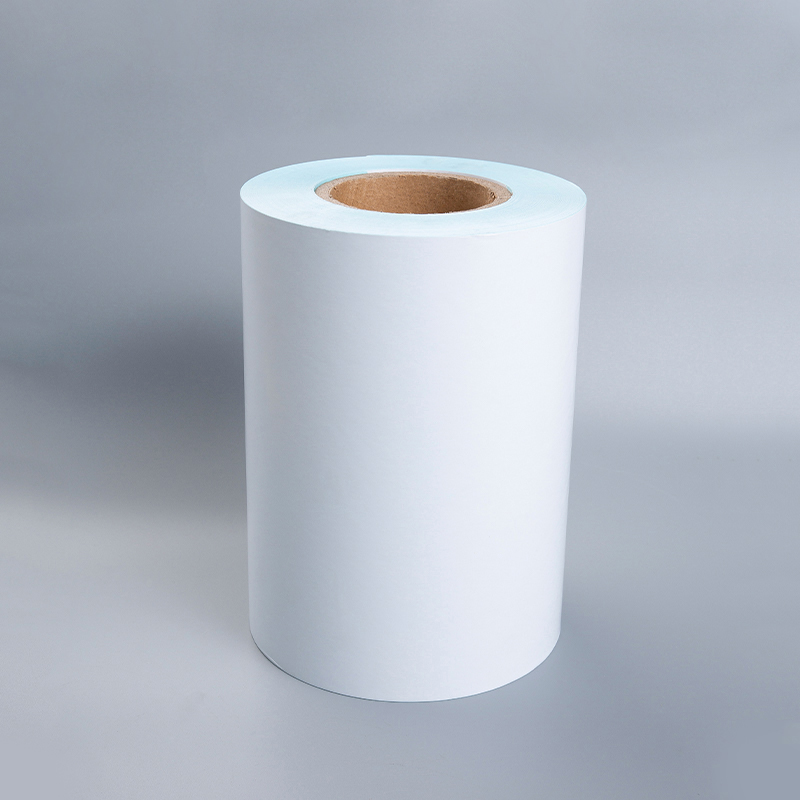
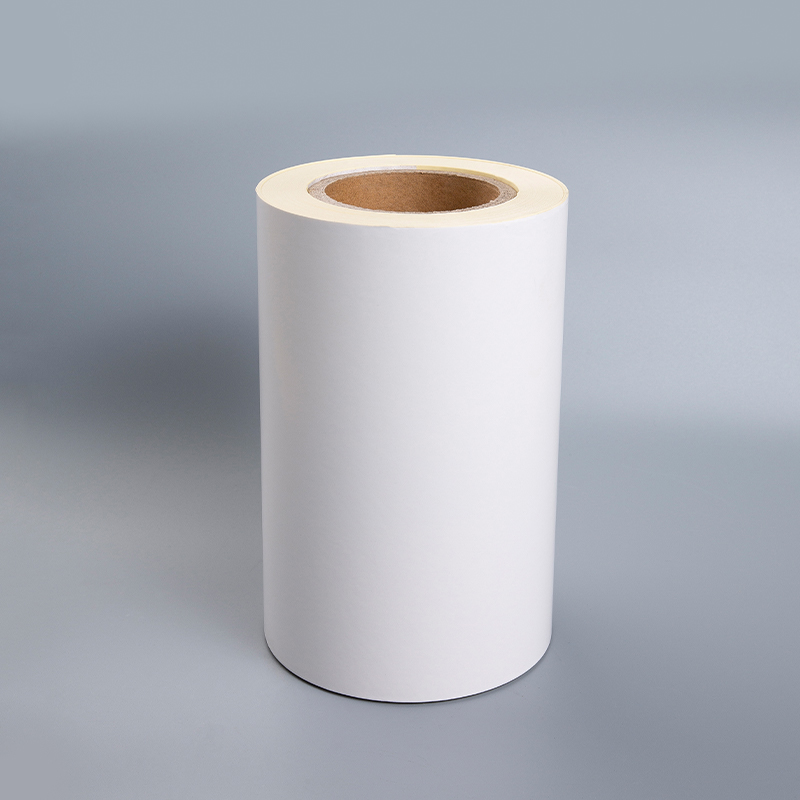
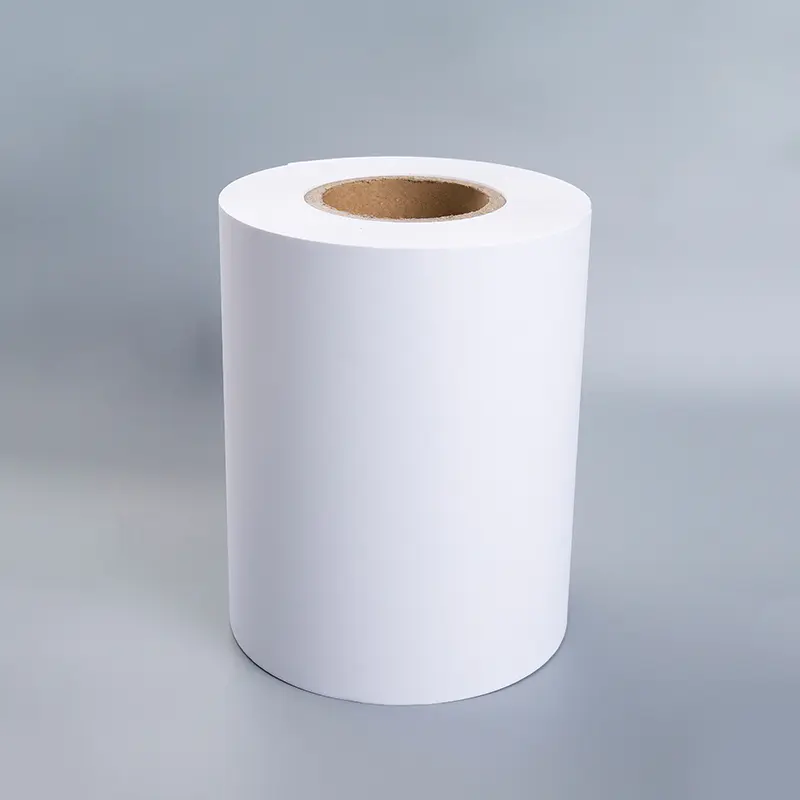
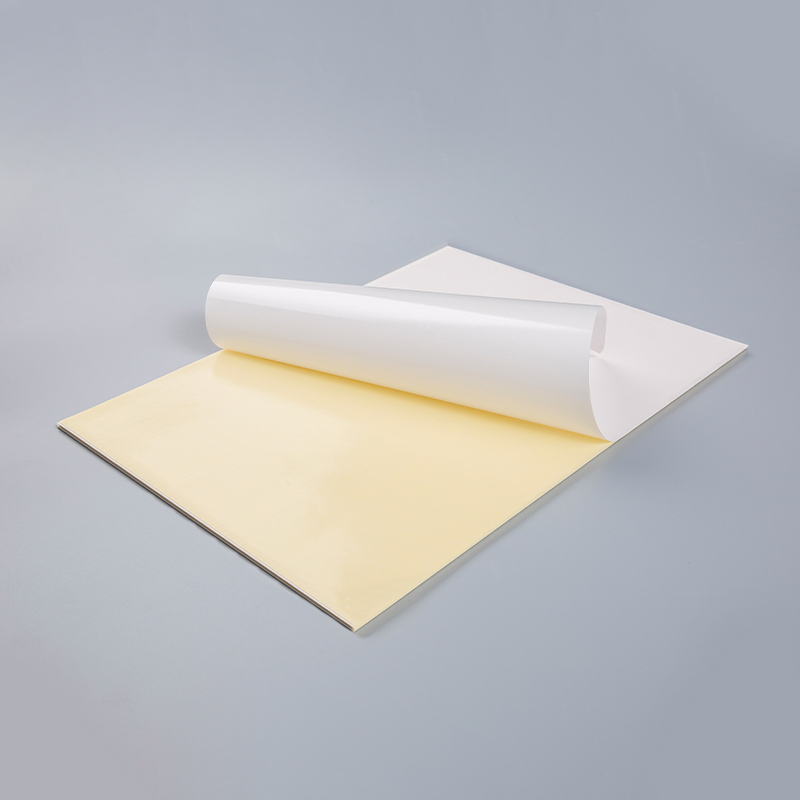
Self-adhesive labels comprise three essential layers working together to provide functionality. The facestock, or top layer, receives printing and provides the visible label surface. Facestocks include paper, plastic films, foils, and specialty materials selected for appearance, durability, and printability. The adhesive layer bonds the facestock to application surfaces, with formulation varying based on required bond strength and removability. The release liner, typically silicone-coated paper or film, protects the adhesive during storage and handling, peeling away cleanly during application.
Some labels include additional layers for enhanced performance. Topcoats protect printed graphics from abrasion, moisture, and UV exposure. Primers improve adhesive bonding to difficult facestock materials. Barrier layers prevent adhesive migration through porous facestocks. Dead-fold liners provide extra stiffness for automated dispensing equipment. Understanding these construction elements helps select labels engineered for specific application requirements and environmental conditions.
Types of Self-Adhesive Labels by Application
Self-adhesive labels serve countless applications across industries, with specialized types optimized for specific uses. Understanding the major label categories and their distinctive characteristics guides appropriate selection for various needs.
Adhesive Shipping Labels
Shipping labels represent one of the largest self-adhesive label categories, facilitating package tracking and delivery across global logistics networks. These labels typically feature paper or synthetic facestocks with strong permanent adhesives that resist the handling, temperature variations, and moisture exposure encountered during shipping. Standard shipping label sizes include 4x6 inches for parcel services and 8.5x11 inches for larger packages, though custom dimensions accommodate specialized shipping requirements.
Modern shipping labels integrate with thermal printers, either direct thermal technology that darkens heat-sensitive paper, or thermal transfer printing using ribbon to create durable images resistant to fading and smudging. Direct thermal shipping labels cost less but fade over time with heat and UV exposure, suitable for short-term shipping where labels are discarded upon delivery. Thermal transfer labels maintain legibility indefinitely, important for archive copies and applications requiring long-term readability. Both technologies enable printing variable information including addresses, barcodes, tracking numbers, and shipping carrier logos.
Specialized shipping labels address specific challenges in logistics operations. Freezer-grade shipping labels use aggressive adhesives that bond to cold, condensation-covered surfaces, essential for frozen food distribution and cold chain logistics. Weather-resistant shipping labels feature synthetic facestocks and waterproof adhesives that survive rain, snow, and temperature extremes during outdoor storage and transport. Tamper-evident shipping labels incorporate security features that show visible evidence if removed, deterring theft and unauthorized package access.
Stick-On Labels for Clothes
Clothing labels serve identification, branding, and care instruction purposes in garment manufacturing and retail. Self-adhesive labels for clothes eliminate sewing, reducing manufacturing time and labor costs while providing temporary attachment for price tags, size indicators, and promotional information. Fabric adhesives formulated for textile applications bond to various fabric textures without damaging fibers or leaving residue upon removal, crucial for maintaining garment value and customer satisfaction.
Temporary clothing labels use low-tack adhesives that remove cleanly without leaving marks, allowing easy repositioning during manufacturing or gentle removal by consumers after purchase. These labels typically feature coated paper or film facestocks resistant to handling and minor moisture exposure during retail display. Some designs incorporate perforations allowing consumers to detach portions while leaving size or care information attached inside the garment.
Permanent fabric labels designed for long-term attachment throughout garment life use stronger adhesives and durable synthetic facestocks that withstand washing and wearing. Iron-on labels represent a heat-activated variation where heat and pressure bond the label permanently to fabric fibers. Printed fabric labels provide care instructions, fiber content, country of origin, and brand information required by consumer protection regulations. Healthcare and institutional laundry operations use ultra-durable fabric labels that survive commercial washing with harsh detergents and high temperatures, maintaining legibility through hundreds of wash cycles.
Sticky Circles and Round Labels
Circular self-adhesive labels, commonly called sticky circles or dots, serve diverse functions from color-coding and pricing to sealing and decoration. These labels range from tiny 0.25-inch diameter dots for detailed marking to large 4-inch circles for prominent labeling. The circular shape provides several advantages: no corners to peel up, efficient material usage reducing waste, and aesthetic appeal for decorative applications.
Color-coded circular labels organize inventory, files, and products using color associations that enable quick visual identification. Office supply stores stock rainbow assortments of sticky circles in standard sizes, typically 0.5, 0.75, and 1-inch diameters. Retail pricing operations use preprinted price circles or blank circles for handwritten pricing. Warehouse and manufacturing facilities apply circular labels for quality control marking, date coding, and process tracking. Educational settings use reward stickers and achievement markers in circular formats appealing to children.
Specialty circular labels include tamper-evident security seals that show obvious damage when removed, holographic circles for authentication and brand protection, and clear polyester circles for invisible labeling where aesthetics demand minimal visual impact. Industrial circular labels withstand harsh environments including extreme temperatures, chemical exposure, and outdoor weathering, serving applications in manufacturing, aerospace, and automotive industries where standard paper labels would fail.
Custom Adhesive Labels
Custom adhesive labels meet specific branding, functional, and regulatory requirements that standard off-the-shelf labels cannot address. Businesses commission custom labels featuring unique shapes, sizes, materials, adhesives, and printing to differentiate products, comply with industry regulations, and optimize application processes. The custom label development process involves specifying dimensions, facestock material, adhesive type, printing methods, finishing options, and order quantities.
Brand identity drives many custom label applications, with companies investing in distinctive label designs incorporating logos, brand colors, specialty finishes like foil stamping or embossing, and unique shapes that enhance shelf appeal and brand recognition. Product labels for food, beverages, cosmetics, and pharmaceuticals require custom formulations meeting FDA regulations for direct food contact or specific chemical resistance. Security applications demand custom labels with proprietary features like microprinting, UV-reactive inks, or serialized numbering preventing counterfeiting.
Custom label projects range from small batches of 500-1,000 labels for boutique products or limited editions to millions of labels for major consumer goods. Digital printing technology makes short-run custom labels economically viable, enabling small businesses and startups to access professional custom labeling without prohibitive minimum order quantities. Flexographic and offset printing remain preferred for high-volume custom label production, offering lower per-unit costs and exceptional print quality for large orders.
Label Adhesive Types and Selection
Selecting appropriate adhesive for self-adhesive labels critically impacts label performance, longevity, and removal characteristics. Different adhesive formulations offer distinct properties suited to specific surface types, environmental conditions, and application requirements.
Permanent Adhesives
Permanent adhesives create strong, lasting bonds intended to remain for the labeled item's entire lifespan. These aggressive formulations penetrate surface irregularities and develop increased bond strength over time through a process called adhesive build. Within 24-48 hours after application, permanent adhesive bonds reach maximum strength, becoming extremely difficult to remove without damaging the label, adhesive residue, or underlying surface.
Applications requiring permanent adhesives include product identification labels, asset tracking tags, warning and safety labels, and brand labels where removal would indicate tampering or authenticity concerns. Permanent adhesives bond effectively to smooth surfaces like glass, metal, and rigid plastics, though specialized formulations accommodate textured surfaces, low-surface-energy plastics, and challenging substrates. The adhesive's permanence serves both functional and security purposes, preventing unauthorized removal while ensuring labels remain legible and attached throughout product use.
Removable Adhesives
Removable adhesives provide temporary attachment with clean removal properties, leaving no residue on labeled surfaces when peeled away. These lower-tack formulations bond adequately for intended applications while maintaining removability even after extended attachment periods. Removable adhesives serve applications like promotional stickers, temporary identification tags, repositionable notes, and retail price labels that consumers remove after purchase.
The removability window varies by formulation and application conditions. General removable adhesives maintain clean removal for weeks to months under normal conditions. Some formulations offer extended removability lasting years for applications like temporary signage or equipment labels requiring periodic replacement. Environmental factors affect removability—heat, UV exposure, and outdoor weathering can cause removable adhesives to cure harder, becoming more difficult to remove cleanly over time. Testing removability on actual application surfaces and conditions ensures selected adhesives meet removal requirements.
Specialty Adhesive Formulations
Freezer adhesives remain tacky and bond effectively at temperatures well below freezing, essential for labeling frozen foods, laboratory samples, and products stored in cold environments. Standard adhesives lose tack at low temperatures and fail to bond to cold, frost-covered surfaces. Freezer adhesives maintain performance from -40°F to normal refrigeration temperatures, with some formulations extending to cryogenic temperatures for scientific applications.
High-temperature adhesives withstand elevated temperatures without softening, flowing, or losing bond strength. Applications include automotive engine compartments, industrial manufacturing processes, and sterilization procedures requiring labels to survive 250°F or higher. Silicone-based high-temperature adhesives offer the greatest heat resistance but cost significantly more than standard formulations, justified where high temperatures would cause ordinary adhesives to fail.
Low-surface-energy adhesives bond to difficult plastics including polyethylene, polypropylene, and powder-coated surfaces that resist standard adhesives. These formulations incorporate special tackifiers and modifying agents that wet these challenging surfaces, creating bonds comparable to standard adhesives on conventional materials. Chemical-resistant adhesives withstand exposure to solvents, oils, cleaners, and harsh chemicals without degrading or losing bond strength, critical in industrial, laboratory, and automotive applications where chemical contact is unavoidable.
| Adhesive Type | Bond Strength | Removability | Typical Applications |
| Permanent | High, increases over time | Difficult, may damage surface | Product labels, asset tags, warnings |
| Removable | Low to medium | Clean removal, no residue | Price tags, promotional stickers |
| Freezer | Medium to high at low temps | Varies by formulation | Frozen foods, cold storage |
| High-Temperature | High, maintains at elevated temps | Difficult after heat exposure | Automotive, industrial processes |
| Low Surface Energy | Medium on difficult plastics | Varies by formulation | PE/PP containers, powder coat |
| Repositionable | Very low, allows movement | Easy, multiple repositions | Sticky notes, temporary markers |
Facestock Materials for Self-Adhesive Labels
The facestock, or top layer of self-adhesive labels, determines appearance, durability, printability, and suitability for specific environments. Selecting appropriate facestock material balances performance requirements, aesthetic preferences, and cost considerations.
Paper Facestocks
Paper represents the most common and economical facestock material for self-adhesive labels, offering excellent printability and widespread availability. Uncoated paper provides natural appearance with slightly textured surface, ideal for rustic or organic branding aesthetics and applications where ink absorption creates desired visual effects. However, uncoated paper shows limited moisture resistance and durability, suitable primarily for indoor applications with minimal handling and no exposure to liquids.
Coated paper facestocks feature thin clay or polymer coatings that improve smoothness, brightness, and print quality while adding modest moisture resistance. Semi-gloss and gloss coatings enhance color vibrancy and create attractive shelf appeal for product labels. Matte coatings reduce glare and provide sophisticated appearance preferred for premium products and elegant branding. Coated papers accept various printing methods including offset, flexographic, digital, and thermal transfer, making them versatile for diverse labeling applications.
Specialty paper facestocks address specific functional or aesthetic needs. Kraft paper provides rustic, environmentally conscious appearance popular in artisanal and organic product branding. Fluorescent papers create high-visibility labels for safety warnings and attention-grabbing promotions. Thermal papers react to heat without requiring ink, used extensively in point-of-sale receipts, shipping labels, and temporary applications where low cost outweighs limited durability. Foil papers and metalized papers deliver premium metallic appearance for luxury products and special occasions.
Plastic Film Facestocks
Synthetic films offer superior durability, moisture resistance, and tear strength compared to paper, essential for labels exposed to harsh conditions, outdoor environments, or demanding applications. Polypropylene (PP) film provides excellent clarity, chemical resistance, and flexibility, conforming well to curved containers and squeezable packaging. Biaxially oriented polypropylene (BOPP) represents the most common film facestock, combining clarity, strength, and cost-effectiveness for food packaging, beverage labels, and personal care products.
Polyester (PET) film delivers exceptional durability and chemical resistance, withstanding extreme temperatures, harsh solvents, and outdoor weathering that destroy paper and polypropylene labels. Industrial asset tags, automotive labels, and outdoor equipment identification utilize polyester's long-term durability. The material costs more than other films but provides superior longevity justifying the premium in demanding applications.
Vinyl film offers extreme flexibility and conformability, adhering smoothly to irregular surfaces, tight curves, and textured substrates. Removable vinyl provides clean removal after temporary application, popular for wall graphics, promotional decals, and temporary signage. Clear films create "no-label" appearance where graphics appear printed directly on containers, enhancing product aesthetics while maintaining label functionality. Films accept printing through various methods, though surface treatments may be necessary to improve ink adhesion on some synthetic materials.
Specialty Facestock Materials
Foil facestocks provide mirror-like metallic finish impossible to achieve with standard materials, creating premium appearance for wine labels, cosmetics, and luxury goods. Foil labels resist moisture and tearing while delivering distinctive aesthetics that differentiate products on crowded shelves. Holographic facestocks incorporate diffraction patterns creating rainbow effects and dynamic visual interest, serving both decorative and security purposes by making counterfeiting difficult.
Fabric and textile facestocks create soft, luxurious labels for apparel, home goods, and premium packaging. These materials accept printing and convert into self-adhesive labels through specialized coating processes. Tamper-evident facestocks incorporate structures that fragment or delaminate when removal is attempted, showing obvious evidence of tampering for security seals and authenticity labels. Destructible vinyl disintegrates into small pieces upon removal, preventing label transfer to unauthorized products.
Large and Small Adhesive Labels
Self-adhesive labels span enormous size ranges from tiny 0.25-inch dots to full-coverage wraps exceeding 100 square inches. Understanding size considerations helps select appropriate labels and printing methods for specific applications.
Small Adhesive Labels
Small labels, typically under 1 square inch, serve applications requiring compact identification, coding, or decoration in space-constrained situations. Miniature labels identify small electronic components, medical devices, pharmaceutical samples, and jewelry items where larger labels would obscure products or compromise functionality. These tiny labels demand precise printing to maintain legibility within limited space, often utilizing specialized printing equipment capable of fine detail and small character reproduction.
Common small label applications include barcode labels for inventory tracking, where linear or 2D barcodes encode substantial information in compact formats. Color-coded dots organize files, inventory, and processes through visual categorization systems. Pricing labels for small retail items like cosmetics, jewelry, and accessories convey price information without dominating product appearance. Security labels incorporating holographic or microprinted features authenticate small valuable items prone to counterfeiting.
Small labels present application challenges including precise placement difficulty and limited adhesive contact area requiring strong adhesives to maintain bonding. Automated dispensing systems facilitate consistent small label application in manufacturing and packaging operations, achieving precision impossible with manual application. Die-cutting precision becomes critical for small labels, as dimensional variations significantly impact usability and appearance at reduced scales.
Large Adhesive Labels
Large labels exceeding 10 square inches accommodate substantial information, graphics, and branding elements on packaging, shipping containers, and equipment. Full-panel labels wrap entirely around containers, maximizing branding space and creating 360-degree visibility for beverage bottles, cylindrical packages, and jars. These labels require careful engineering to account for overlap tolerances, seam appearance, and application around curves without wrinkling or bubbling.
Pallet labels and shipping container labels communicate handling instructions, destination information, and inventory data for logistics operations. These oversized labels, often 6x8 inches or larger, provide visibility from distance and accommodate multiple barcodes, routing information, and regulatory markings. Weather-resistant materials and aggressive adhesives ensure labels survive rough handling, outdoor storage, and global shipping conditions.
Large format labels for drums, totes, and industrial containers display safety warnings, chemical identifications, and regulatory compliance information required by OSHA, DOT, and industry-specific regulations. The substantial size ensures critical safety information remains visible despite distance, lighting conditions, and workplace environments. Durable synthetic materials withstand chemical splashes, outdoor exposure, and industrial cleaning processes that would destroy paper labels.
The Self-Adhesive Labels Market
The global self-adhesive labels market represents a substantial industry serving virtually every economic sector. Understanding market dynamics, growth drivers, and emerging trends provides context for the technology's widespread adoption and continued innovation.
Market Size and Growth
The self-adhesive labels market has experienced consistent growth driven by expanding applications in food and beverage packaging, pharmaceuticals, personal care, and logistics. Market research indicates the industry generates tens of billions of dollars annually in global sales, with projections showing continued expansion as emerging markets increase consumption of packaged goods and e-commerce drives demand for shipping labels. The convenience, versatility, and cost-effectiveness of self-adhesive labels compared to alternatives like glue-applied labels and shrink sleeves supports sustained market growth.
Regional market dynamics vary significantly, with North America and Europe representing mature markets characterized by premium products, sustainability initiatives, and technological innovation. Asia-Pacific markets demonstrate rapid growth fueled by industrialization, rising consumer spending, and expanding manufacturing sectors. Food and beverage applications constitute the largest market segment, followed by pharmaceuticals and personal care products where labels serve critical regulatory compliance, brand communication, and consumer information functions.
Industry Trends and Innovation
Sustainability drives significant innovation in the self-adhesive labels market as brands and consumers demand environmentally responsible packaging. Linerless labels eliminate release liner waste, reducing material consumption by 30-40% compared to conventional labels while decreasing shipping costs and storage space requirements. Compostable and biodegradable facestocks and adhesives enable labels to decompose along with packaging in commercial composting facilities, addressing waste concerns for environmentally conscious products.
Digital printing technology transforms label production economics, making short runs and customization economically viable. Variable data printing enables serialization, personalization, and limited editions impossible with traditional printing methods. On-demand label printing reduces inventory requirements and waste from obsolete labels when products change or regulations update. Smart labels incorporating RFID technology, NFC chips, and QR codes add digital connectivity to physical products, enabling authentication, supply chain tracking, and consumer engagement through smartphones.
Adhesive Label Companies and Suppliers
The self-adhesive label industry includes vertically integrated multinational corporations manufacturing base materials through finished labels, specialized converters focused on printing and finishing, and countless small regional suppliers serving local markets. Major material suppliers develop and manufacture pressure-sensitive materials, selling to converters who print, die-cut, and distribute finished labels. This supply chain structure provides flexibility, with converters accessing materials from multiple suppliers to meet customer specifications.
Selecting an adhesive label company involves evaluating capabilities including printing technologies offered, material expertise, design services, order minimums, turnaround times, and quality assurance processes. Large suppliers provide comprehensive capabilities and economies of scale for high-volume orders, while small specialized converters offer personalized service, flexibility, and expertise in niche applications. Online label printing services democratize access to professional labels, enabling small businesses and individuals to order custom labels through web interfaces with no setup fees and low minimums.
Selecting Self-Adhesive Labels for Specific Applications
Choosing appropriate self-adhesive labels requires systematic evaluation of application requirements, environmental conditions, performance expectations, and budget constraints. A methodical selection process ensures labels perform reliably throughout their intended service life.
Application Surface Considerations
The surface receiving labels fundamentally determines adhesive requirements and facestock selection. Smooth, high-energy surfaces like glass, metal, and rigid plastics accept most adhesives readily, offering greatest flexibility in label selection. Low-energy plastics including polyethylene, polypropylene, and powder-coated surfaces require specialized adhesives formulated to wet and bond to these challenging substrates. Surface texture affects adhesion—rough or porous surfaces may require more aggressive adhesives or conformable facestocks that follow contours and maximize contact area.
Surface contamination significantly impacts adhesion, with oils, dust, moisture, and mold release agents preventing proper bonding. Cleaning application surfaces with isopropyl alcohol before labeling removes contaminants and improves adhesion. Newly molded or painted surfaces may require aging before labeling to allow complete curing and outgassing that could otherwise interfere with adhesive bonding. Surface temperature at application also matters—applying labels to cold surfaces reduces adhesive flow and tack, potentially causing bonding failures.
Environmental Exposure Requirements
Environmental conditions throughout label life determine necessary durability and material selection. Indoor labels in climate-controlled environments tolerate paper facestocks and standard adhesives, while outdoor labels require UV-resistant films and weatherproof adhesives maintaining bond strength through temperature cycling, moisture, and sunlight exposure. Temperature extremes demand specialty adhesives—freezer labels for cold storage, high-temperature formulations for autoclaving or industrial processes.
Chemical exposure requires compatible materials resistant to specific substances encountered. Labels on chemical containers, automotive components, and industrial equipment must withstand solvents, oils, cleaners, and process chemicals without degrading or losing adhesion. Testing labels with actual chemicals under realistic conditions validates resistance before full deployment. Abrasion resistance matters for labels on handled items, shipped products, or surfaces subject to rubbing and wear. Lamination or protective topcoats extend label life in abrasive environments.
Regulatory and Compliance Factors
Regulatory requirements dictate label specifications for food, pharmaceutical, chemical, and medical applications. Food contact labels must use FDA-approved materials preventing migration of harmful substances into food products. Pharmaceutical labels comply with serialization mandates, tamper-evidence requirements, and specific information hierarchies prescribed by regulatory agencies. Hazardous material labels follow DOT, OSHA, and GHS standards for safety data communication, symbol usage, and durability specifications.
Industry-specific standards guide label selection for specialized applications. UL-recognized labels for electrical equipment meet flammability and durability testing requirements. Medical device labels comply with ISO standards for biocompatibility and sterilization resistance. Automotive labels withstand temperature cycles and chemical exposure defined by industry specifications. Understanding applicable regulations ensures labels meet legal requirements while serving functional purposes.
Cost and Volume Considerations
Label quantity significantly impacts unit pricing and appropriate acquisition methods. High volumes justify custom printing for cost efficiency and precise specification matching. Setup costs spread across thousands or millions of labels result in minimal per-label premiums for custom materials, printing, and finishing. Low volumes favor stock label blanks purchased in standard sizes for in-house printing, or digital printing services offering low minimums without setup charges.
Total cost of ownership extends beyond label purchase price to include application labor, waste, and failure costs. Automated label application systems reduce labor costs in high-volume operations but require specific label formats and materials. Hand application remains economical for low volumes despite higher labor costs. Label failures causing rejects, recalls, or customer complaints dramatically exceed label material savings from choosing inadequate specifications. Balancing initial cost against performance reliability and long-term value optimizes overall labeling economics.
Best Practices for Label Application and Storage
Proper application techniques and storage conditions maximize self-adhesive label performance and longevity. Following manufacturer recommendations and industry best practices prevents common problems and ensures labels deliver expected performance.
Surface Preparation and Application
Clean application surfaces thoroughly before labeling, removing dust, oils, moisture, and other contaminants that interfere with adhesion. Wipe surfaces with isopropyl alcohol or recommended cleaners, allowing complete drying before label application. Surface temperature should be within the adhesive's application range, typically 50-90°F for most formulations, with warmer temperatures improving adhesive flow and bonding.
Apply labels with firm, even pressure across the entire surface, using a squeegee or roller for large labels ensuring complete contact and eliminating air bubbles. Start from one edge and progress across the label, preventing trapped air. Avoid touching adhesive surfaces, as skin oils contaminate adhesive and reduce bonding. For cylindrical surfaces, work around curves gradually rather than attempting to apply entire labels simultaneously, preventing wrinkles and distortion.
Label Storage Conditions
Store labels in controlled environments maintaining 60-80°F temperature and 40-60% relative humidity. Extreme temperatures and humidity affect adhesive performance and dimensional stability. Keep labels in original packaging until use, protecting them from dust, moisture, and UV exposure that degrades materials. Stack label rolls or sheets on flat surfaces, avoiding pressure that could cause blocking where labels stick together or transfer adhesive to adjacent materials.
Rotate stock using first-in-first-out inventory management, as prolonged storage can affect adhesive performance even under ideal conditions. Most pressure-sensitive labels maintain optimal performance for 1-2 years from manufacture when properly stored. Beyond this period, test adhesion on actual surfaces before committing to critical applications. Specialized materials like freezer labels or removable adhesives may have shorter shelf life requiring closer attention to stock rotation.
Troubleshooting Common Issues
Poor adhesion often results from contaminated surfaces, inappropriate adhesive selection, or application temperature outside recommended ranges. Clean surfaces properly, verify adhesive compatibility with substrate, and ensure adequate application temperature. Label curl or tunneling where edges lift indicates moisture imbalance, incompatible adhesive, or inadequate application pressure. Increased application pressure and allowing labels to reach room temperature before application often resolves curling issues.
Bubbling under labels suggests trapped air during application or outgassing from substrate. Use proper application techniques working from one edge to progressively squeeze out air. For substrates prone to outgassing, allow newly molded or painted items to age before labeling. Print quality problems including smearing, fading, or poor adhesion of printed images relate to ink/facestock compatibility, printing conditions, or topcoat requirements. Verify printing methods match facestock specifications and consider protective lamination for demanding applications requiring exceptional print durability.