
 English
 Español
 русский
 Français
 عربى
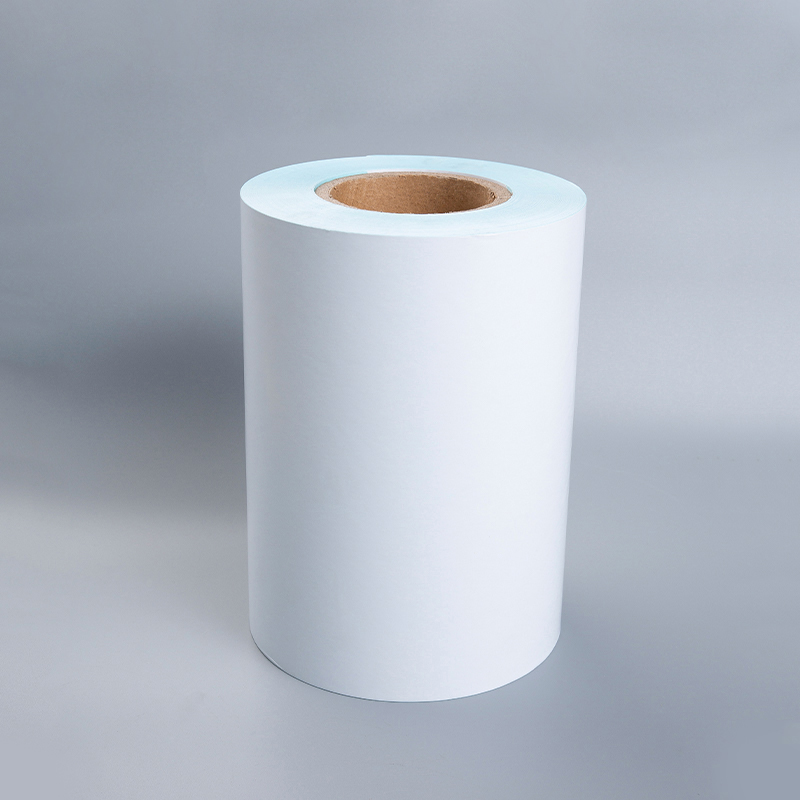
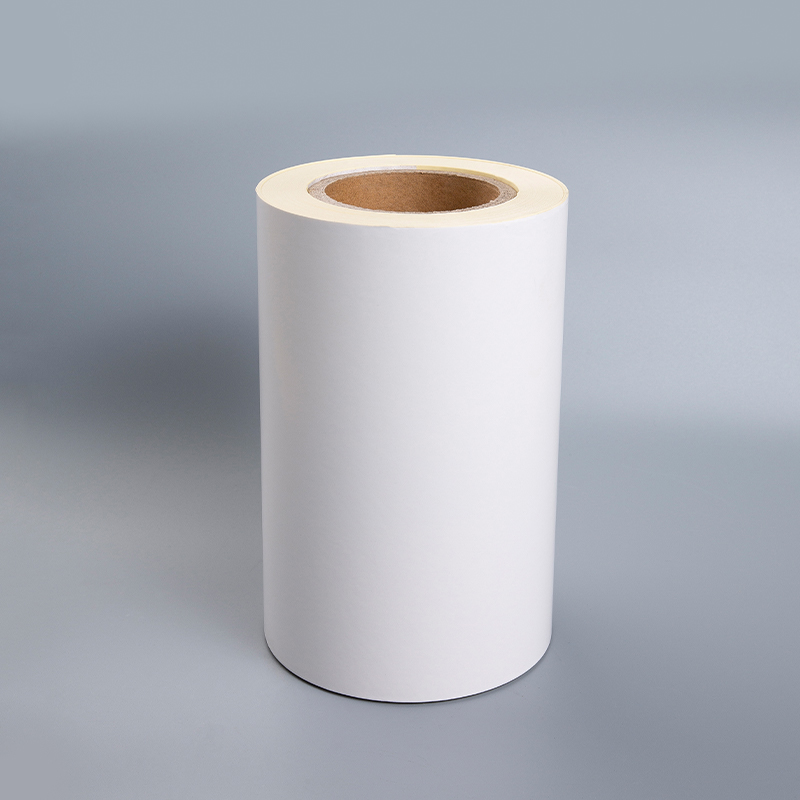
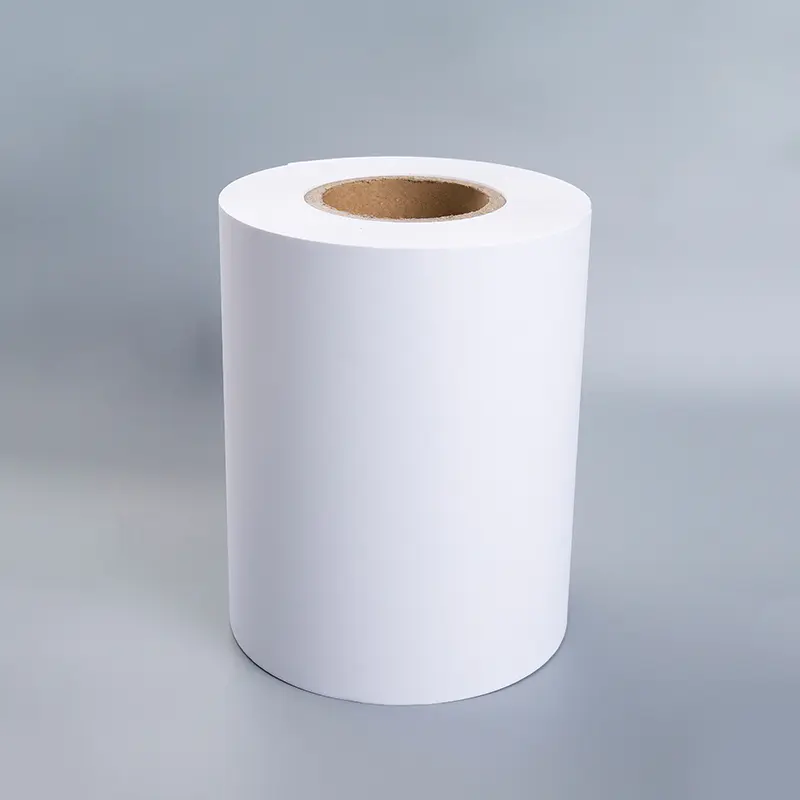
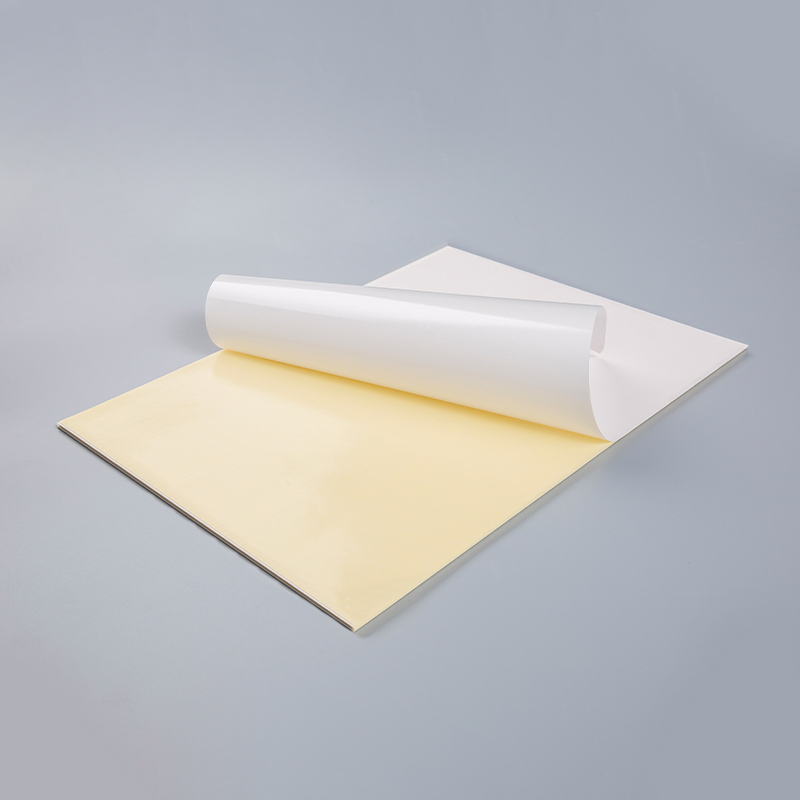
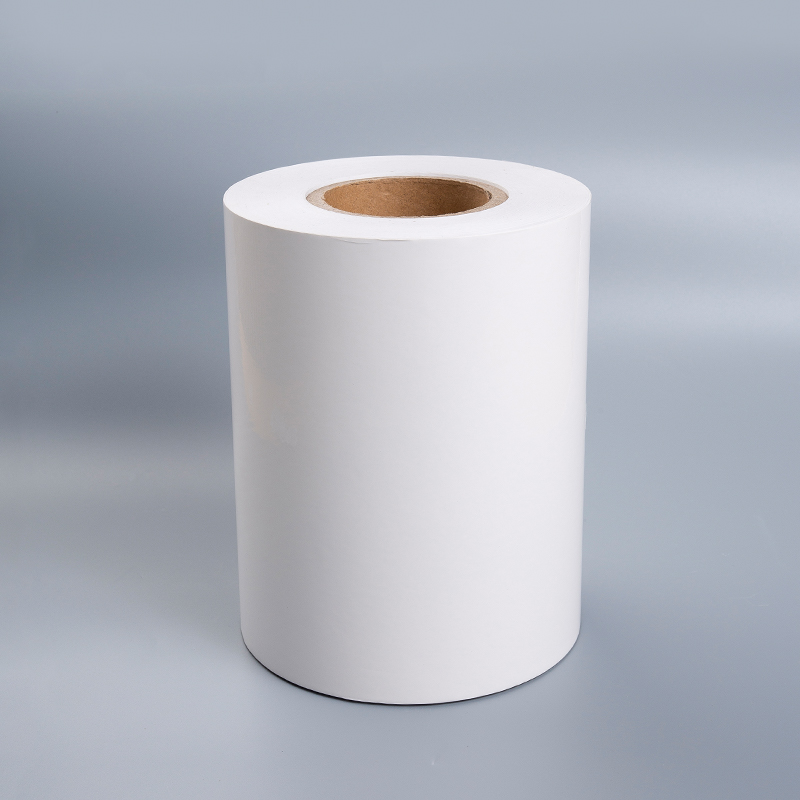
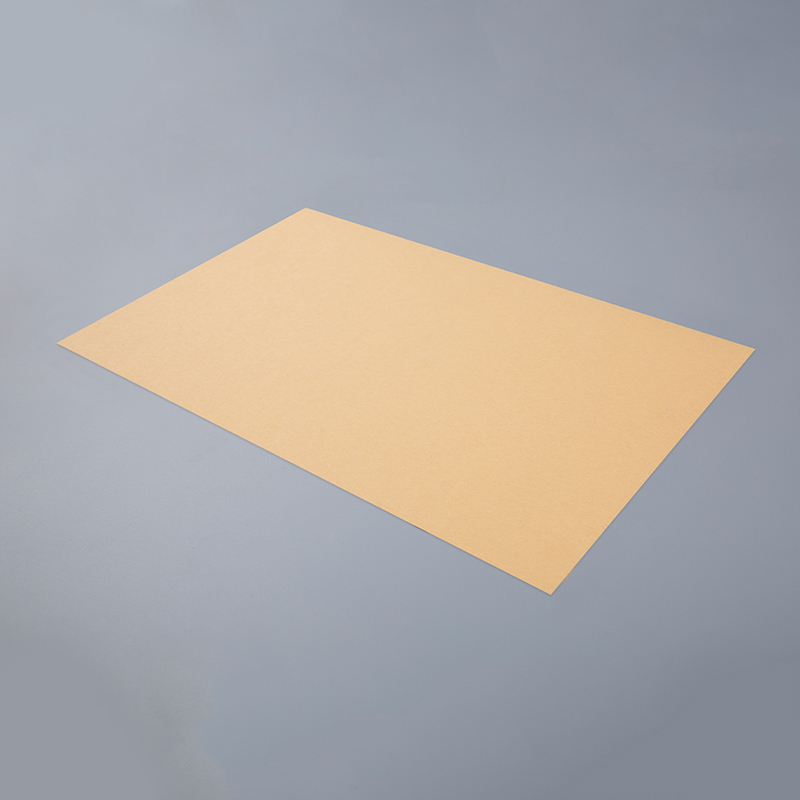
عربىAdhesive paper, also known as self-adhesive paper or sticky paper, is a versatile material featuring a backing coated with pressure-sensitive adhesive that bonds to surfaces when pressure is applied. This practical material has become indispensable in countless applications ranging from simple household labeling to complex professional design projects. Understanding the various types of adhesive paper and their specific uses enables individuals and businesses to select the right product for their needs while maximizing efficiency and achieving professional results.
Content
- 1 Common Types of Adhesive Paper
- 2 Office and Professional Applications
- 3 Creative and Craft Applications
- 4 Home Organization Solutions
- 5 Specialized Professional Uses
- 6 Comparison of Adhesive Types and Applications
- 7 Selection Criteria for Different Uses
- 8 Application Techniques and Best Practices
- 9 Cost-Effectiveness and Sustainability Considerations
- 10 Common Challenges and Solutions
Common Types of Adhesive Paper
Label Paper
Label paper represents the most widely recognized form of adhesive paper, consisting of sheets or rolls pre-cut into various shapes and sizes designed for printing and application. These labels come with permanent, removable, or repositionable adhesives depending on the intended use. Standard white labels work for general-purpose applications, while specialty options include clear transparent labels for invisible application, colored labels for color-coding systems, and weatherproof labels for outdoor use. The backing sheets protect the adhesive until use and often feature gridlines or perforations to facilitate easy peeling and application.
Modern label papers are compatible with both inkjet and laser printers, allowing users to create custom designs, barcodes, addresses, and product information using standard office equipment. Pre-designed templates from software programs and manufacturers simplify the creation process, ensuring proper alignment and professional appearance. Label paper finds extensive use in shipping, product packaging, file organization, and inventory management across residential and commercial settings.
Contact Paper
Contact paper, also called shelf liner or covering paper, features a decorative surface layer bonded to adhesive backing, sold in large rolls typically 18 to 24 inches wide. This material serves both functional and aesthetic purposes, protecting surfaces while providing decorative enhancement. Available patterns range from solid colors and wood grain finishes to marble effects, geometric designs, and playful prints suitable for children's spaces. The vinyl or plastic coating on most contact papers creates water-resistant, wipeable surfaces ideal for areas exposed to moisture or frequent cleaning.
Installation involves measuring and cutting the contact paper to size, peeling back the protective backing gradually while smoothing the material onto the target surface to eliminate air bubbles. Quality contact papers feature repositionable adhesives during initial application, allowing adjustments before final bonding occurs. The material adheres to smooth surfaces including wood, metal, glass, and laminate, transforming furniture, cabinets, countertops, and walls with minimal cost and effort compared to traditional renovation methods.
Vinyl Sticker Paper
Vinyl sticker paper combines printable vinyl surfaces with strong adhesive backing, creating durable, weather-resistant stickers suitable for both indoor and outdoor applications. Unlike standard paper-based adhesive materials, vinyl resists water, UV exposure, and physical wear, maintaining appearance and adhesion in challenging conditions. The material accepts ink from various printer types, though specialized inkjet vinyl produces the best results for vibrant, long-lasting colors. Protective laminate overlays further enhance durability, preventing scratches and fading in high-traffic or outdoor environments.
Artists, small businesses, and hobbyists use vinyl sticker paper to create custom decals, product labels, vehicle graphics, and promotional materials. The professional appearance and durability justify the higher cost compared to standard paper labels, particularly for applications requiring longevity or exposure to elements. Available in glossy, matte, and clear finishes, vinyl sticker paper accommodates diverse aesthetic preferences and functional requirements.
Removable Adhesive Paper
Removable adhesive paper utilizes low-tack adhesives designed to bond temporarily without leaving residue or damaging surfaces upon removal. This category includes repositionable note papers, temporary wall decals, and removable labels for applications where permanent adhesion is undesirable. The adhesive strength provides secure attachment during use while allowing clean removal when no longer needed, making it ideal for rental properties, temporary displays, and situations requiring frequent changes.
Educational settings benefit significantly from removable adhesive paper for creating interactive learning displays, temporary signage, and student projects that can be moved or updated without wall damage. Event planners use removable materials for directional signage, table markers, and decorative elements that must be removed after functions without leaving marks. The temporary nature of these adhesives makes them particularly valuable in professional environments maintaining strict appearance standards.
Office and Professional Applications
Organization and Filing Systems
Adhesive paper serves critical organizational functions in office environments through file folder labels, binder spine labels, and storage box identifiers. Color-coded label systems enable quick visual identification of different categories, departments, or priority levels, significantly improving filing efficiency and retrieval speed. Printed labels ensure consistency and legibility compared to handwritten alternatives, presenting a professional appearance while reducing errors in document management systems.
Archive and records management departments rely heavily on adhesive labels for long-term storage systems where clear identification remains essential for compliance and accessibility. Permanent adhesive labels withstand years of handling and environmental exposure in storage facilities, maintaining readability throughout retention periods. Barcode labels on adhesive paper facilitate automated tracking systems, enabling precise inventory control and rapid location of specific files within large archives.
Shipping and Logistics
The shipping industry depends extensively on adhesive paper for address labels, shipping labels, packing slips, and tracking documentation. Self-adhesive shipping labels streamline the packaging process, eliminating the need for tape or additional adhesives while ensuring secure attachment throughout transportation. Integrated label and receipt systems allow simultaneous printing of shipping information and proof of purchase, improving efficiency in high-volume shipping operations.
Specialized shipping labels include weather-resistant versions for outdoor exposure, fragile warning labels to communicate handling requirements, and tamper-evident labels that show visible damage if package security is compromised. Thermal transfer adhesive paper works with dedicated label printers to produce smudge-proof, fade-resistant labels ideal for automated logistics systems. The standardization of label sizes and formats across the industry ensures compatibility with various shipping carriers and tracking systems.
Marketing and Branding
Businesses leverage adhesive paper for cost-effective marketing materials including product labels, promotional stickers, and branded packaging elements. Custom-printed labels transform generic packaging into branded experiences, communicating company identity and product information while complying with regulatory labeling requirements. Small businesses particularly benefit from the accessibility of adhesive paper printing, creating professional-looking labels without substantial investment in specialized printing equipment or large minimum orders.
Promotional stickers serve as portable advertising, distributed at events, included with purchases, or used in guerrilla marketing campaigns where customers apply them to personal items, extending brand visibility. The relatively low cost per unit makes sticker campaigns accessible marketing tools for organizations of all sizes. QR code labels on adhesive paper bridge physical products and digital content, directing customers to websites, promotional videos, or product information through smartphone scanning.
Creative and Craft Applications
Scrapbooking and Memory Keeping
Adhesive paper plays a fundamental role in scrapbooking and memory preservation projects, offering convenient attachment methods for photographs, memorabilia, and decorative elements. Photo-safe adhesive papers use acid-free formulations that prevent yellowing and deterioration of precious memories over time. Decorative adhesive papers featuring patterns, textures, and themed designs add visual interest to layouts without requiring separate adhesives that can create messy application or uneven bonding.
Die-cut adhesive shapes and embellishments provide ready-to-use decorative elements that scrapbookers simply peel and apply, significantly reducing project time while maintaining professional appearance. Removable adhesive options allow repositioning of elements during the design process, enabling experimentation with different layouts before committing to final placement. The variety of adhesive strengths available ensures appropriate bonding for different materials, from lightweight tissue paper to heavier cardstock and three-dimensional embellishments.
DIY Projects and Home Décor
Home decorators and DIY enthusiasts utilize adhesive paper for furniture makeovers, wall treatments, and custom decorative accents. Contact paper transforms outdated furniture pieces through complete coverage or strategic accent applications, creating contemporary looks without the commitment of paint or permanent alterations. Renters particularly appreciate adhesive paper solutions that allow personalization of living spaces while preserving the ability to restore original conditions when moving.
Wall decals made from adhesive vinyl create custom wall art, inspirational quotes, or children's room themes that can be installed, removed, and replaced as tastes change. Unlike traditional wallpaper requiring paste and professional installation, adhesive paper applies directly to clean, smooth walls with minimal tools or expertise. Creative applications include decorative stair risers, cabinet interior liners, drawer organizers, and appliance transformations that inject personality into functional household items.
Card Making and Paper Crafts
Paper crafters employ adhesive-backed materials extensively in card making, creating layered designs, attaching embellishments, and constructing three-dimensional elements. Double-sided adhesive paper provides invisible bonding between paper layers, creating seamless laminated effects or attaching decorative papers to card bases. Foam adhesive paper adds dimensional interest to designs, elevating specific elements above the background for shadow effects and tactile variation.
Specialty adhesive papers include glitter papers, metallic finishes, and patterned varieties that serve as both decorative elements and functional adhesives. These materials eliminate the need for separate adhesive application, reducing mess and improving precision in detailed craft work. The controlled adhesive coverage of pre-cut shapes and strips ensures clean edges and professional results even for beginners in paper crafting.
Home Organization Solutions
Kitchen and Pantry Organization
Kitchen organization systems rely heavily on adhesive labels for identifying pantry containers, spice jars, and storage bins. Clear labeling eliminates confusion when multiple family members access shared spaces, reduces food waste by improving visibility of inventory and expiration dates, and creates visually cohesive storage systems. Waterproof adhesive labels withstand moisture exposure from refrigerators, freezers, and cleaning processes, maintaining readability in challenging kitchen environments.
Chalkboard adhesive paper offers reusable labeling solutions where contents change frequently, allowing users to write, erase, and update information as needed. This flexibility suits bulk storage containers, rotating seasonal items, and meal planning systems where static labels would require constant replacement. Adhesive shelf liners protect cabinet interiors while facilitating cleaning and providing decorative enhancement that coordinates with overall kitchen aesthetics.
Closet and Storage Systems
Organized closets and storage areas benefit from adhesive paper through bin labels, shelf dividers, and seasonal storage identifiers. Clear labeling systems enable quick location of specific items without opening multiple containers, particularly valuable in deep storage areas or overhead spaces with limited visibility. Color-coded labels differentiate between family members' belongings, seasonal wardrobes, or category-specific storage, improving efficiency in shared spaces.
Photo labels on storage containers provide visual references of contents, especially useful for children's toys, craft supplies, or items stored in opaque containers. This visual cueing system helps maintain organization by making it obvious where items belong, encouraging proper return after use. Adhesive hooks and hangers utilizing strong adhesive backings create additional storage opportunities without drilling or permanent installation, ideal for rental situations or frequently changing organizational needs.
Children's Spaces and Educational Tools
Parents and educators use adhesive paper to create organized, functional children's spaces through toy bin labels, routine charts, and educational wall displays. Picture labels help pre-readers identify where items belong, promoting independence and responsibility in cleanup routines. Growth charts, educational posters, and alphabet displays made from removable adhesive paper provide learning opportunities without permanent wall commitment, allowing updates as children develop new interests and skills.
Personalized labels for school supplies, lunch boxes, and clothing items reduce loss and mix-ups in group settings. Waterproof name labels withstand repeated washing and handling, maintaining legibility throughout school years. Reward chart systems using repositionable adhesive stars or stickers provide positive reinforcement tools that engage children in behavior modification and achievement tracking.
Specialized Professional Uses
Medical and Laboratory Applications
Healthcare facilities utilize adhesive labels extensively for patient identification, specimen labeling, medication tracking, and equipment management. Specialized medical-grade adhesive papers meet stringent regulatory requirements for sterility, durability, and chemical resistance necessary in clinical environments. Color-coded labeling systems reduce medical errors by providing immediate visual cues about allergies, DNR status, fall risks, or other critical patient information.
Laboratory specimens require precise labeling that withstands freezing temperatures, chemical exposure, and autoclave sterilization processes. Adhesive papers designed for these applications maintain readability and adhesion under extreme conditions that would cause standard labels to fail. Barcode labels facilitate automated specimen tracking, chain-of-custody documentation, and integration with laboratory information systems, improving accuracy and efficiency in high-volume testing environments.
Retail and Inventory Management
Retail operations depend on adhesive paper for price tags, product labels, inventory stickers, and promotional signage. Point-of-sale systems print adhesive receipt labels that combine transaction documentation with shipping or return labels in single operations. Inventory management systems use barcode labels on adhesive backing to track stock levels, monitor product movement, and facilitate automated reordering processes that maintain optimal inventory levels.
Security labels featuring tamper-evident properties or RFID technology embedded in adhesive paper help prevent theft and enable inventory tracking throughout supply chains. Shelf-edge labels communicate pricing, product information, and promotional messaging while allowing easy updates as prices or products change. The efficiency of adhesive labeling systems significantly reduces labor costs compared to alternative marking methods requiring adhesives, tape, or string attachments.
Manufacturing and Industrial Applications
Manufacturing facilities use durable adhesive labels for asset tracking, safety warnings, maintenance schedules, and quality control documentation. Industrial-grade adhesive papers withstand harsh conditions including extreme temperatures, chemical exposure, abrasion, and UV radiation that would quickly destroy standard labels. Safety labels communicating hazards, operating procedures, or emergency information must remain legible throughout equipment lifespans, requiring adhesive papers specifically engineered for longevity.
Serialized labels with unique identifiers enable traceability throughout production processes, supporting quality assurance programs and regulatory compliance in regulated industries. Color-coded status labels indicate inspection status, maintenance requirements, or operational conditions at a glance, improving safety and efficiency in fast-paced manufacturing environments. The ability to print on-demand labels as needed reduces inventory of pre-printed labels and allows immediate response to changing requirements.
Comparison of Adhesive Types and Applications
| Adhesive Type | Bonding Strength | Removability | Best Applications |
| Permanent | Very Strong | Difficult, May Leave Residue | Product labels, shipping, archive files |
| Removable | Medium | Easy, Clean Removal | Temporary signage, price tags, rentals |
| Repositionable | Light to Medium | Very Easy, Multiple Uses | Wall decals, notes, educational displays |
| High-Tack | Extremely Strong | Very Difficult, Surface Damage Risk | Rough surfaces, outdoor use, industrial |
| Freezer-Grade | Strong in Cold | Moderate | Frozen food, laboratory specimens, cold storage |
Selection Criteria for Different Uses
Surface Compatibility Considerations
Different surfaces require specific adhesive formulations for optimal bonding and clean removal. Smooth, non-porous surfaces like glass, metal, and glossy plastic accept most standard adhesives effectively, while textured or porous surfaces like unfinished wood, fabric, or rough concrete require high-tack adhesives for reliable attachment. Testing adhesive paper on inconspicuous areas before full application prevents damage to valuable or delicate surfaces and confirms compatibility.
Low-surface-energy materials including polyethylene and polypropylene plastics resist standard adhesives, requiring specialized formulations designed for these challenging substrates. Painted surfaces may experience paint removal when strong adhesives are used, necessitating removable or repositionable options that bond to paint without damaging it upon removal. Temperature sensitivity of both surfaces and adhesives affects performance, with some adhesives losing bonding strength at temperature extremes while others maintain integrity across wide temperature ranges.
Environmental and Durability Requirements
Application environments significantly influence appropriate adhesive paper selection. Indoor applications in climate-controlled environments accommodate a wide range of materials, while outdoor use demands weather-resistant adhesives and substrates that withstand UV exposure, temperature fluctuations, and moisture without degradation. Marine environments require specialized adhesive papers resistant to salt water and constant humidity that would quickly destroy standard materials.
Expected lifespan determines material quality requirements, with temporary applications accepting lower-cost options while long-term or permanent applications justify investment in premium materials ensuring durability. Chemical exposure in industrial or laboratory settings requires adhesive papers specifically formulated to resist solvents, acids, bases, or other chemicals encountered in those environments. UV-resistant materials prevent fading and adhesive degradation when labels or decorative applications receive direct sunlight exposure.
Printing and Customization Needs
Printing method compatibility represents a critical selection factor when custom printing on adhesive paper. Inkjet-compatible papers feature coatings that accept water-based inks without smearing or bleeding, while laser-compatible materials withstand the heat of laser printing processes without melting or distorting. Universal adhesive papers work with both technologies but may not optimize performance for either, making dedicated formulations preferable for high-quality results.
Commercial printing operations use specialty adhesive papers designed for offset printing, flexography, or digital presses, each requiring specific material properties for successful production. Handwriting on labels requires appropriate surface textures and coatings, with some glossy finishes resisting pen and marker while matte finishes accept various writing instruments. Pre-printed templates and blank formats offer different advantages, with templates providing design consistency while blank sheets enable complete customization freedom.
Application Techniques and Best Practices
Surface Preparation
Proper surface preparation dramatically improves adhesive paper bonding and longevity. Clean surfaces thoroughly to remove dust, grease, moisture, and other contaminants that interfere with adhesive contact. Isopropyl alcohol effectively cleans most surfaces without leaving residue, though specific materials may require specialized cleaners. Allow surfaces to dry completely before applying adhesive paper, as moisture trapped beneath adhesive prevents proper bonding and may cause bubbling or peeling.
Temperature affects adhesive performance significantly, with most adhesives performing optimally when applied at room temperature or warmer. Cold surfaces reduce adhesive tack and may prevent proper initial bonding, while excessively hot surfaces can cause premature adhesive activation or material distortion. Allowing materials to acclimate to application environment temperature for several hours before use ensures optimal performance.
Application Methods
Smooth application technique prevents air bubbles and ensures complete adhesive contact with surfaces. For small labels, peel the backing completely and position the label carefully before pressing firmly from center to edges, expelling trapped air. Large applications like contact paper benefit from gradual backing removal, pressing small sections at a time while smoothing with squeegees or credit cards to prevent bubble formation.
Repositionable adhesives allow lifting and adjusting during initial application, but excessive repositioning reduces adhesive effectiveness. Make major positioning decisions before contact when possible, using alignment marks or measurements for precise placement. After applying adhesive paper, pressing firmly over the entire surface activates pressure-sensitive adhesives fully, creating maximum bond strength. Some industrial applications recommend allowing 24-48 hours for adhesives to cure fully before subjecting them to stress or environmental challenges.
Removal Techniques
Removing adhesive paper without surface damage requires appropriate techniques based on adhesive type and bond duration. Removable adhesives typically peel cleanly at acute angles, pulling slowly and steadily parallel to the surface rather than straight up. Heat from hair dryers softens stubborn adhesives, making removal easier while reducing residue risk. For permanent adhesives that resist removal, adhesive removers or oils dissolve bonding agents, though testing on inconspicuous areas first prevents unintended damage to underlying surfaces.
Residue removal following adhesive paper application may require gentle solvents, though many modern adhesives are designed to release cleanly. Rubbing alcohol, adhesive removers, or even cooking oil can dissolve adhesive residue without harming most surfaces. Abrasive removal methods risk surface damage and should be avoided except on durable, scratch-resistant materials. Patience and gentle techniques preserve surface integrity better than aggressive removal attempts.
Cost-Effectiveness and Sustainability Considerations
Adhesive paper offers economical solutions for numerous applications when selected appropriately for specific needs. Purchasing in bulk reduces per-unit costs significantly, though storage considerations and shelf life limitations affect practical bulk quantities for many users. Generic or store-brand adhesive papers often provide acceptable performance for basic applications at lower cost than premium brands, while specialized applications justify investment in quality materials that ensure reliability and longevity.
Environmental consciousness increasingly influences adhesive paper selection, with recycled content papers, biodegradable options, and solvent-free adhesives available for eco-minded consumers. While sustainable options may carry price premiums, they reduce environmental impact and appeal to environmentally conscious customers in commercial applications. Reusable alternatives to adhesive paper, such as dry-erase labels or electronic labeling systems, eliminate ongoing material consumption for permanent applications, though they require higher initial investments.
Waste reduction strategies include precise measurement to minimize unused material, selecting appropriate quantities to avoid excess inventory that exceeds shelf life, and choosing durable materials for long-term applications rather than repeatedly replacing lower-quality options. Digital printing on-demand reduces waste from obsolete pre-printed labels and enables just-in-time production that eliminates storage requirements. Life cycle analysis considering initial cost, longevity, environmental impact, and disposal options provides comprehensive evaluation of true cost-effectiveness beyond simple purchase price comparison.
Common Challenges and Solutions
- Air bubbles forming during application can be prevented through proper squeegee technique, gradual backing removal, and starting from one edge rather than center placement
- Adhesive failure and peeling usually results from inadequate surface preparation, incompatible adhesive-surface combinations, or environmental exposure beyond material specifications
- Curling edges indicate insufficient adhesive strength for the application, solved by selecting higher-tack adhesives or changing to materials better suited for specific surfaces
- Smearing or bleeding ink occurs when using incorrect paper types for specific printers, requiring verification of printer compatibility before purchasing materials
- Label jamming in printers results from incorrect paper thickness, improper loading, or using materials not designed for specific printer models
- Difficulty removing backing paper can be addressed by choosing materials with split backing or scored release liners that facilitate easier peeling
- Fading or discoloration from UV exposure requires UV-resistant materials or protective laminates for outdoor or sunny window applications
- Adhesive residue after removal can be minimized by selecting appropriate removable formulations and using proper removal techniques including heat assistance