
 English
 Español
 русский
 Français
 عربى
عربىContent
- 1 What Self Adhesive Photo Paper Is and How It Works
- 2 Common Types of Self Adhesive Photo Paper
- 3 Printer Compatibility and Image Quality Considerations
- 4 Typical Applications of Self Adhesive Photo Paper
- 5 Surface Preparation and Application Tips
- 6 Comparison of Self Adhesive Photo Paper Options
- 7 How to Choose the Right Self Adhesive Photo Paper
What Self Adhesive Photo Paper Is and How It Works
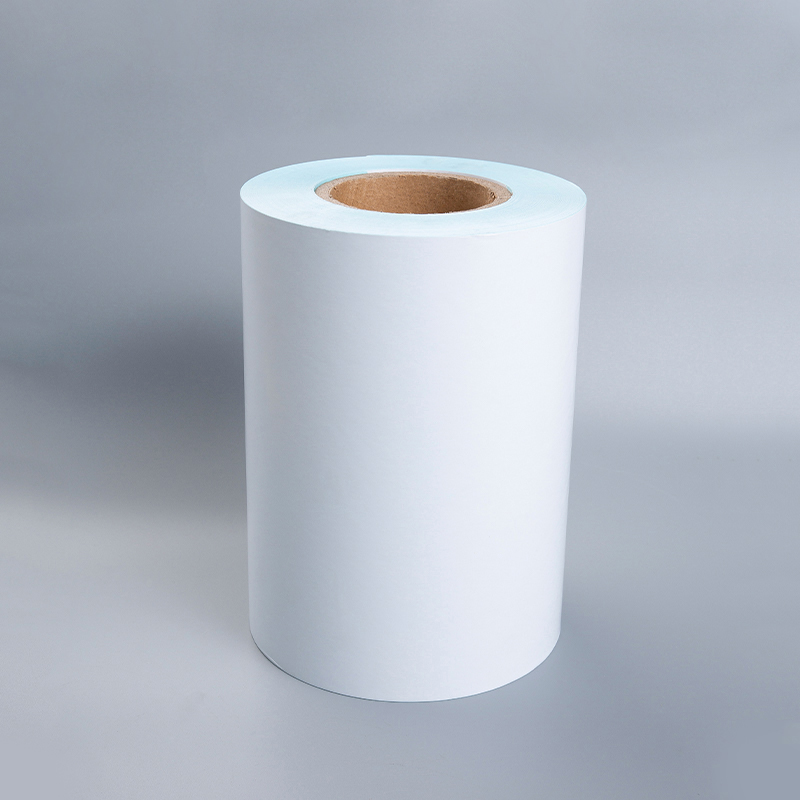
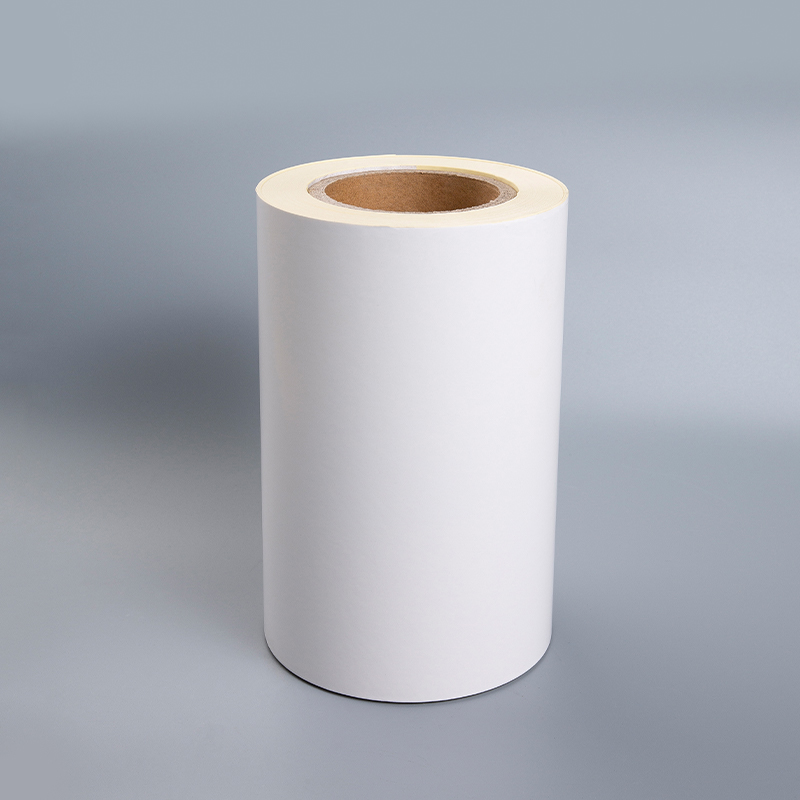
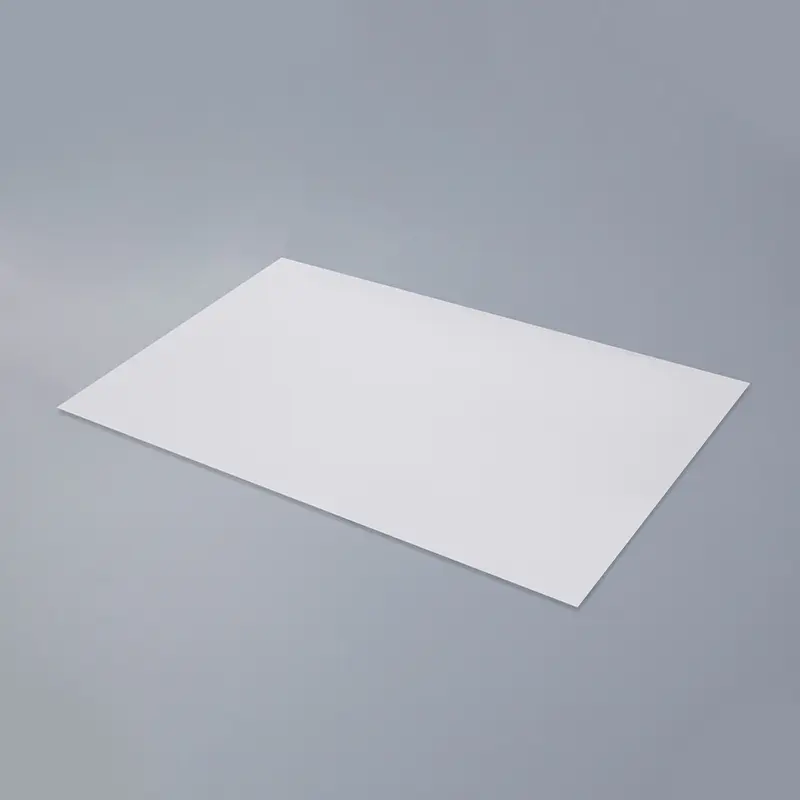
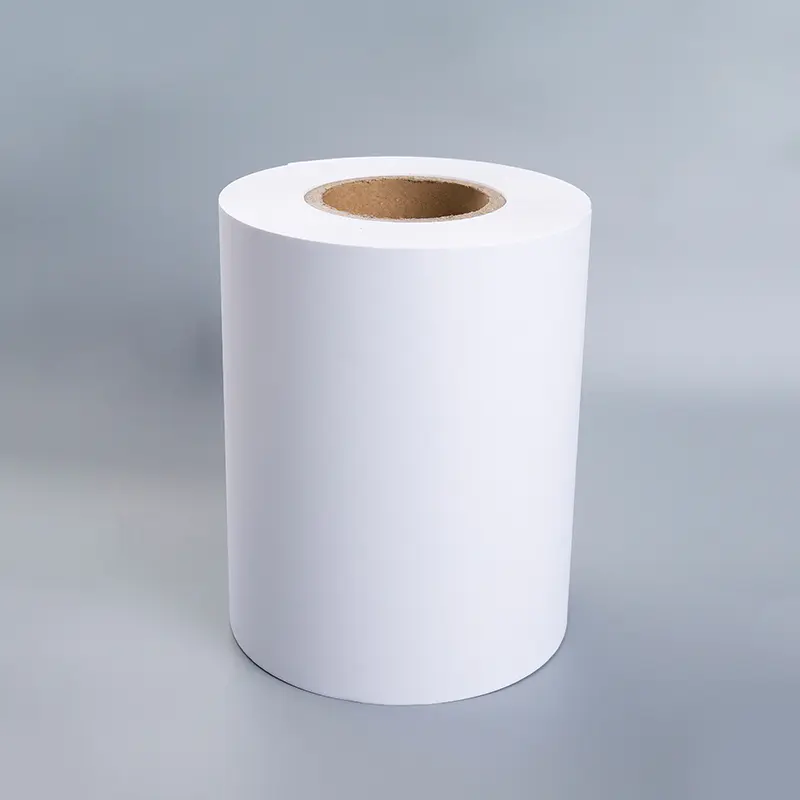
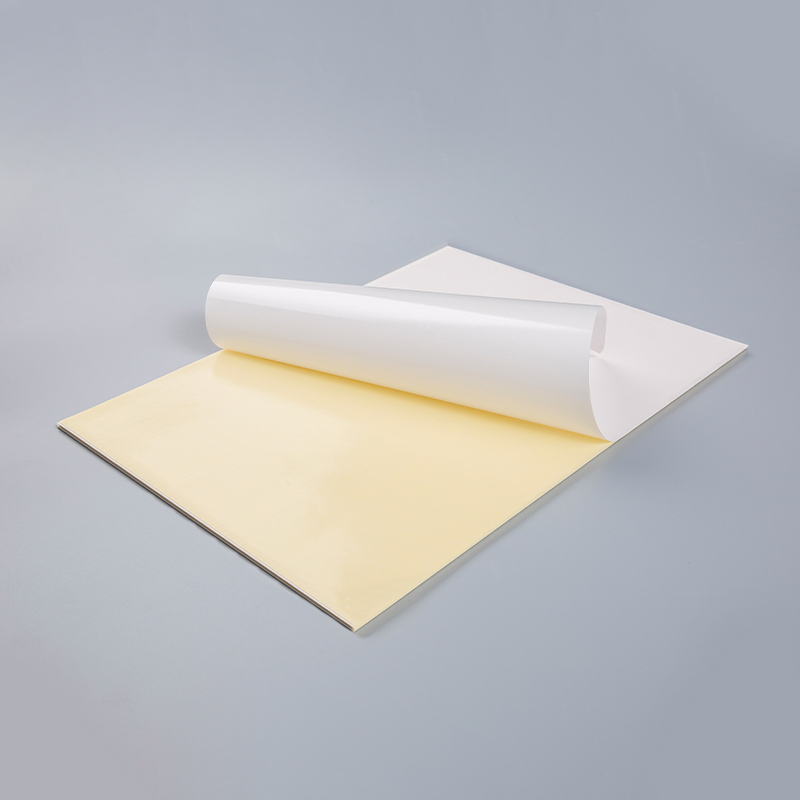
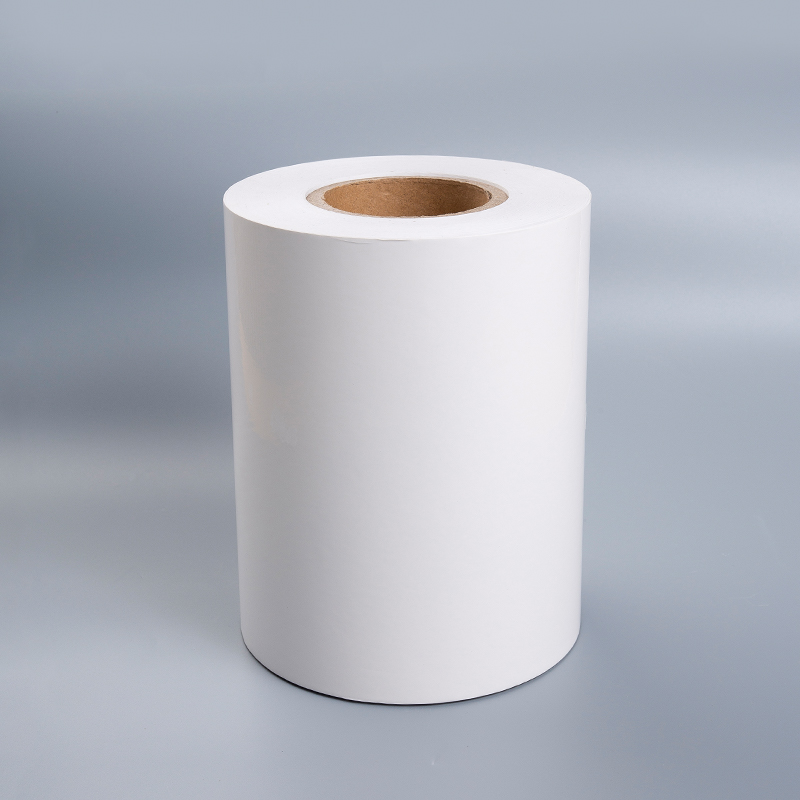
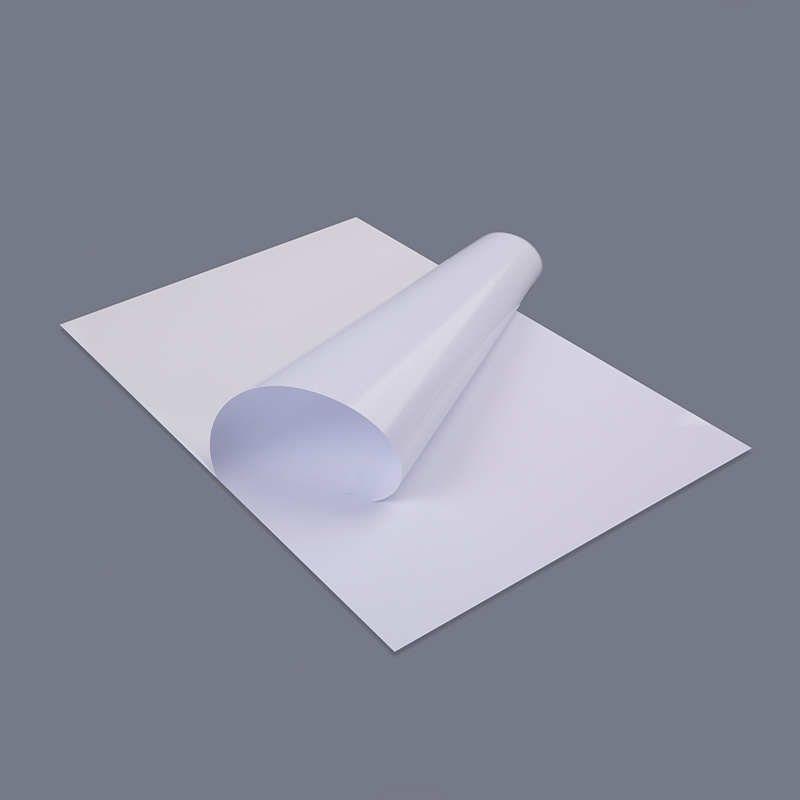
Self adhesive photo paper is a coated photo paper combined with a pressure-sensitive adhesive backing. Unlike standard photo paper that requires external glue or mounting materials, this type allows printed images to be directly applied to surfaces after peeling off the release liner. The structure usually consists of a printable photo coating layer, a paper or film base, an adhesive layer, and a protective backing sheet.
The adhesive is designed to bond evenly without soaking through the paper, ensuring image quality remains intact. This makes self adhesive photo paper suitable for both short-term displays and longer-lasting applications, depending on the adhesive formulation and surface conditions.
Common Types of Self Adhesive Photo Paper
Self adhesive photo paper is available in several variations, mainly differentiated by surface finish and base material. Each type influences image appearance, handling behavior, and final application results.
Typical Surface and Base Options
- Glossy self adhesive photo paper for high color saturation and sharp detail
- Matte self adhesive photo paper for reduced glare and a softer visual effect
- Satin or semi-gloss finishes balancing color depth and reflection
- Film-based self adhesive photo paper for improved durability and moisture resistance
Selecting the right type depends on where and how the printed photo will be used, as well as the desired visual style.
Printer Compatibility and Image Quality Considerations
Most self adhesive photo paper products are designed for inkjet printers, using specialized coatings that absorb ink efficiently and reduce smudging. Some versions are compatible with laser printers, but these require heat-resistant adhesives and bases to withstand the fusing process.
Print settings play a critical role in achieving optimal results. Using the correct paper type setting, ink density, and drying time helps prevent issues such as curling, color bleeding, or incomplete adhesion. Allowing sufficient drying time before application improves both image clarity and adhesive performance.
Typical Applications of Self Adhesive Photo Paper
Self adhesive photo paper is widely used in situations where quick installation and clean presentation are required. It eliminates the need for frames or mounting hardware, making it suitable for both personal and commercial use.
Common Use Scenarios
- Wall photo displays and temporary decorations
- Scrapbooking and creative craft projects
- Product labeling and promotional visuals
- Educational charts and visual aids
Surface Preparation and Application Tips
Proper surface preparation directly affects adhesion quality. Smooth, clean, and dry surfaces allow the adhesive layer to bond evenly. Dust, oil, or moisture can reduce contact area and cause lifting over time.
During application, gradually peeling the backing while smoothing the paper from one side helps minimize air bubbles. Using a soft cloth or flat tool improves contact without damaging the printed surface.
Comparison of Self Adhesive Photo Paper Options
| Type | Visual Effect | Typical Use |
| Glossy | Bright and vivid | Photo displays |
| Matte | Soft and low glare | Posters and charts |
| Film-based | Smooth and durable | Long-term labeling |
How to Choose the Right Self Adhesive Photo Paper
Choosing self adhesive photo paper requires balancing image quality, adhesion strength, and intended use duration. For indoor decorative purposes, paper-based options are often sufficient, while film-based materials are better suited for environments with higher humidity or frequent handling.
Understanding printer compatibility, surface finish, and application conditions helps ensure consistent results. When used correctly, self adhesive photo paper provides a convenient and clean solution for displaying images without additional mounting steps.