
 English
 Español
 русский
 Français
 عربى
عربىContent
Understanding Unbleached Kraft Paper and Its Applications
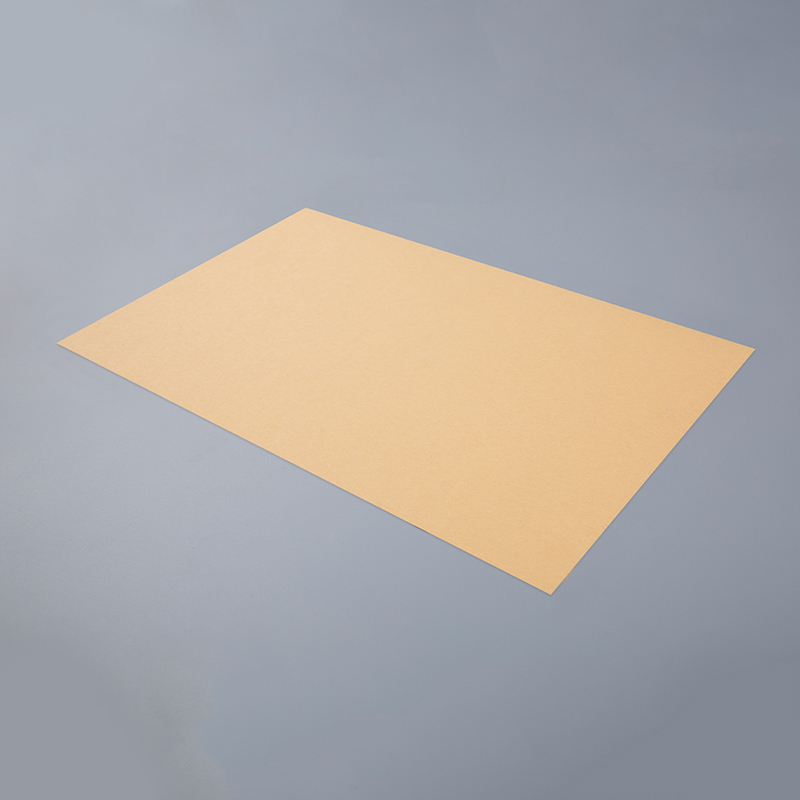
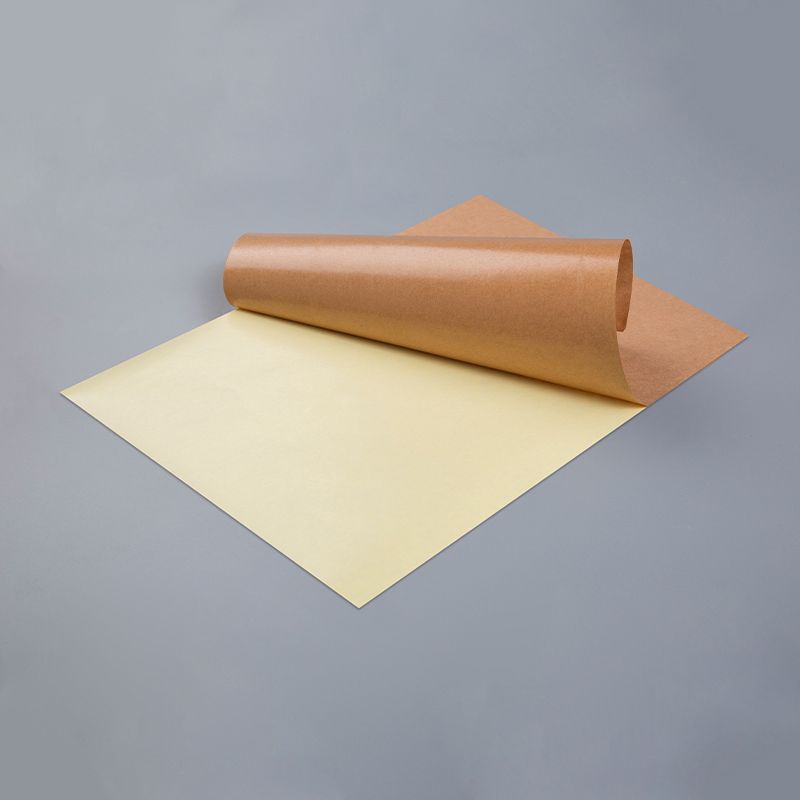
Unbleached kraft paper is a durable, natural-colored paper made from chemical pulp using the kraft process. Unlike bleached kraft paper, it retains its brown color due to minimal chemical processing, which preserves strength and environmental friendliness. It is widely used in packaging, wrapping, and industrial applications due to its high tear resistance, tensile strength, and versatility.
Characteristics of Unbleached Kraft Paper
Unbleached kraft paper possesses several properties that make it suitable for heavy-duty and eco-friendly applications:
High Strength
The kraft process produces long cellulose fibers, giving unbleached kraft paper superior tensile and tear strength. It can withstand rough handling, making it ideal for wrapping heavy or irregularly shaped products.
Eco-Friendly and Recyclable
Unbleached kraft paper is minimally processed and does not require chlorine or other bleaching chemicals. It is fully recyclable and biodegradable, making it a preferred choice for sustainable packaging and environmentally conscious industries.
Versatility in Applications
This type of paper is used for grocery bags, industrial wrapping, mailing envelopes, food packaging, and protective layering during shipping. Its natural brown tone also appeals to brands emphasizing eco-friendly aesthetics.
What is Kraft Board?
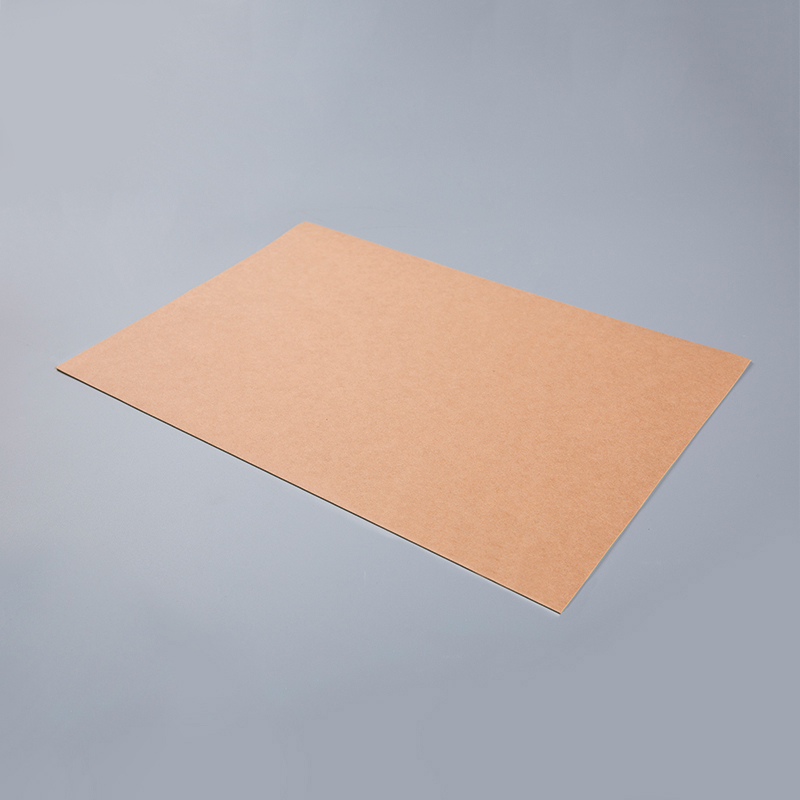
Kraft board, also known as paperboard or chipboard, is a thicker and more rigid material derived from kraft pulp. It is stronger than standard paper and is commonly used for boxes, book covers, cartons, and rigid packaging. Kraft board can be unbleached or coated depending on aesthetic and functional requirements.
Strength and Durability
Kraft board is designed to handle heavier loads and protect products during shipping and storage. Its thickness and density allow it to maintain shape under pressure, providing superior structural support compared to standard paper.
Variety of Thickness and Grades
Kraft board comes in various thicknesses, from thin sheets suitable for folders and crafts to thick boards used for heavy-duty cartons. Different grades also determine smoothness, surface finish, and compatibility with printing or lamination.
Applications of Kraft Board
Kraft board is widely used in rigid packaging, luxury boxes, furniture backing, and craft projects. Its sturdy nature also makes it ideal for corrugated board production, which combines kraft layers to create strong shipping containers.
Comparing Unbleached Kraft Paper and Kraft Board
While both materials originate from the kraft process, their properties and uses differ significantly. Understanding these differences helps manufacturers, designers, and users choose the right material for their needs.
| Property | Unbleached Kraft Paper | Kraft Board |
| Thickness | Thin, flexible | Thicker, rigid |
| Strength | Moderate, tear-resistant | High, load-bearing |
| Typical Uses | Wrapping, bags, mailing, protective layers | Boxes, cartons, book covers, corrugated board |
| Appearance | Natural brown, uncoated | Brown or coated, smooth or textured |
Environmental Benefits of Kraft Materials
Both unbleached kraft paper and kraft board are environmentally friendly materials. Their production uses fewer chemicals compared to other paper types, and both are fully recyclable and biodegradable. Utilizing these materials in packaging and manufacturing helps reduce plastic use, supports sustainable practices, and meets the growing demand for eco-conscious products.
Conclusion
Unbleached kraft paper and kraft board are essential kraft products with distinct characteristics. Unbleached kraft paper is flexible, strong, and ideal for wrapping and protective applications, while kraft board is rigid, load-bearing, and suitable for boxes, cartons, and structural packaging. Choosing the appropriate material depends on the desired application, strength requirements, and sustainability considerations.