
 English
 Español
 русский
 Français
 عربى
عربىContent
- 1 What Is Glassine Paper?
- 2 How Glassine Paper Is Made
- 3 Common Uses of Glassine Paper
- 4 Key Benefits of Glassine Paper
- 5 Glassine Paper vs. Other Paper Types
- 6 How to Choose the Right Glassine Paper
- 7 Is Glassine Paper Environmentally Friendly?
- 8 Tips for Storing and Handling Glassine Paper
- 9 Final Thoughts
What Is Glassine Paper?
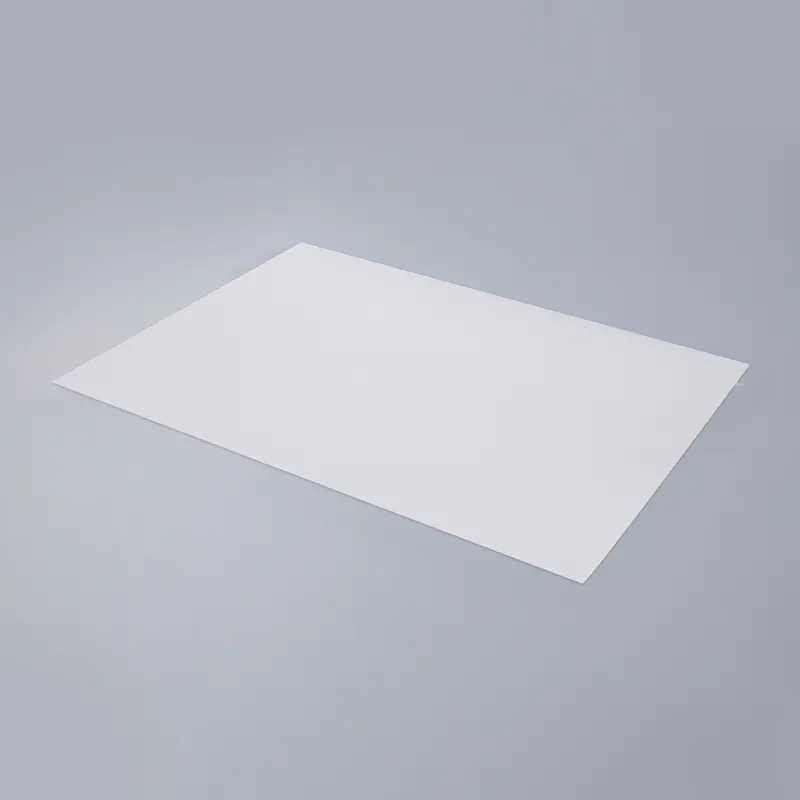
Glassine paper is a smooth, glossy, and translucent paper that is air-, water-, and grease-resistant. It is manufactured through a process called supercalendering, where the paper is passed through a series of heavy rollers under high pressure. This mechanical process compresses and aligns the cellulose fibers uniformly, giving the paper its distinctive semi-transparent, glass-like appearance — which is exactly where the name "glassine" originates.
Unlike standard paper, glassine has a very low porosity, which means it resists the passage of air and moisture. It is typically made from wood pulp that has been beaten to a high degree of refinement, resulting in a thin yet durable sheet. Glassine paper is naturally acid-free in its pure form, though certain treated versions may contain additives for extra functionality. It is available in a variety of weights, colors, and sizes, making it one of the most adaptable specialty papers on the market.
How Glassine Paper Is Made
The manufacturing process of glassine paper is what distinguishes it from other types of paper. The process begins with the pulping of wood fibers, which are then beaten extensively to increase the surface area of individual fibers. This enhanced fiber contact creates a denser, more uniform sheet during papermaking.
After the base paper is formed, it undergoes supercalendering — a finishing technique that uses stacked polished steel rollers to apply intense pressure. The result is a paper with a high-gloss, glassy surface that has exceptional smoothness and density. Some manufacturers also apply additional coatings or treatments (such as silicone) to enhance release properties for specific applications like label liners or baking parchment alternatives.
Common Uses of Glassine Paper
The versatility of glassine paper has made it a staple across many industries. Its physical properties — translucency, grease resistance, and smooth surface — make it the preferred material for a wide range of applications.
Food Packaging and Baking
Glassine is widely used in the food industry because it is grease-resistant and food-safe. Bakeries use it to wrap pastries, sandwiches, and delicate baked goods. Candy makers line boxes with it to prevent staining from oils or fillings. It is also commonly used as an interleaving sheet between sticky or oily food products to prevent them from clinging together.
Archival and Philatelic Storage
Because glassine is naturally acid-free, it is used extensively in archival contexts. Stamp collectors store their valuable philatelic items in glassine envelopes to protect them from humidity, fingerprints, and physical damage while still being able to view the contents. Museums and archivists also use glassine sheets to interleave photographs, artworks, and historic documents during storage or transport.
Envelopes and Retail Packaging
Glassine envelopes are popular in retail packaging for small products such as seeds, jewelry, coins, and stationery items. The semi-transparent nature allows customers to see the product inside without opening the package, making it both practical and visually appealing. It is also used in e-commerce packaging as an eco-friendly alternative to plastic poly bags for wrapping clothing, accessories, and paper goods.
Crafts and Art Projects
Artists and crafters love glassine for its translucent quality. It is used in bookbinding, scrapbooking, collage work, and mixed media art. It can be layered to create interesting visual effects, used as a window for cards, or employed as a protective sheet over artwork. Its light weight and smooth texture make it easy to handle and manipulate in creative projects.
Industrial and Technical Uses
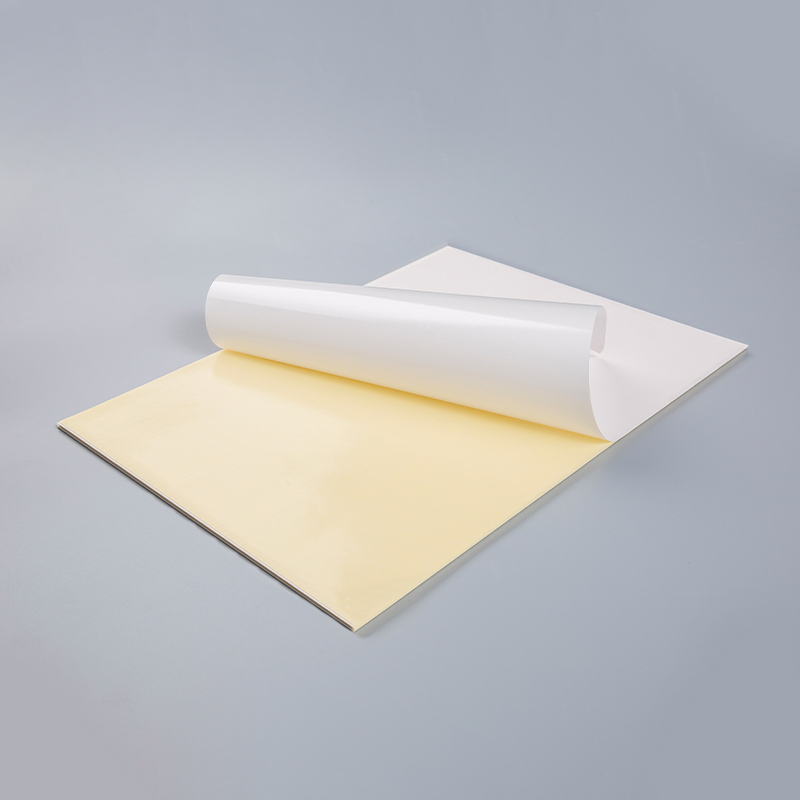
In industrial settings, glassine serves as a release liner for adhesive labels, tapes, and stickers. The silicone-coated versions of glassine paper allow adhesives to bond temporarily without permanently sticking, making the paper easy to peel away during use. It is also used as a protective interleaving layer in printing, lamination, and electronics manufacturing.
Key Benefits of Glassine Paper
Understanding the benefits of glassine paper helps explain why so many industries rely on it over other alternatives. Here is a breakdown of its most significant advantages:
| Benefit | Description |
| Grease Resistance | Prevents oils and fats from seeping through, ideal for food applications |
| Moisture Resistance | Offers a barrier against ambient humidity, protecting stored contents |
| Translucency | Allows contents to be seen without opening the package |
| Acid-Free | Safe for archival use; will not degrade sensitive documents or collectibles |
| Eco-Friendly | Biodegradable and recyclable, unlike many plastic alternatives |
| Smooth Surface | Compatible with printing, writing, and adhesive applications |
Glassine Paper vs. Other Paper Types
It is easy to confuse glassine with similar materials, but there are meaningful differences that determine which is best for a given task.
- Glassine vs. Wax Paper: Wax paper is coated with a layer of paraffin wax, making it moisture-resistant but not as transparent as glassine. Wax paper is not suitable for high-heat environments and is not recyclable. Glassine, on the other hand, is often heat-sealable and fully biodegradable.
- Glassine vs. Parchment Paper: Parchment (or baking paper) is silicone-coated for high heat resistance, making it ideal for oven use. Glassine is not designed for oven temperatures and should not be used in direct heat applications. However, glassine is superior for archival, display, and low-moisture-barrier packaging needs.
- Glassine vs. Vellum: Vellum is another translucent paper, but it is typically thicker and made from cotton or a synthetic base. Glassine is thinner, more cost-effective, and better suited for moisture and grease resistance. Vellum is used primarily for decorative and stationery purposes.
- Glassine vs. Tissue Paper: Tissue paper is soft and lightweight but highly porous — it offers no barrier protection against grease or moisture. Glassine provides substantially better protection while remaining thin and light.
How to Choose the Right Glassine Paper
Selecting the appropriate glassine paper depends on your intended use. Consider the following factors before making a purchase:
- Weight (GSM): Glassine paper typically ranges from 25 to 90 gsm. Lighter weights (25–40 gsm) are used for interleaving and archival purposes, while heavier weights are used for bags, envelopes, and packaging.
- Coating: Silicone-coated glassine is ideal when release properties are needed (e.g., label liners). Uncoated glassine is better for food wrapping and archival storage.
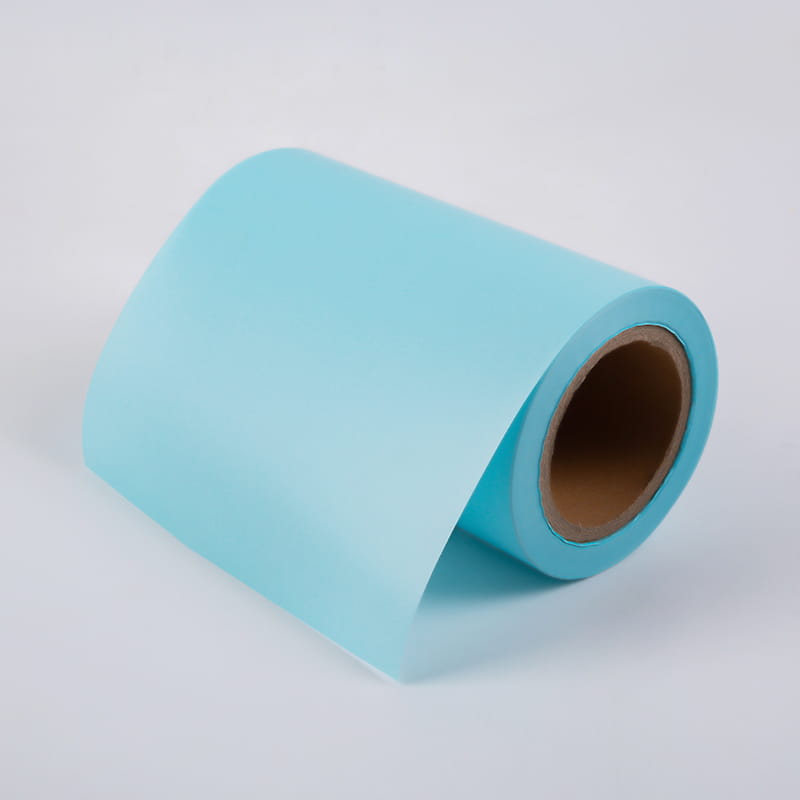
- Color: Standard glassine is clear or slightly white. Colored glassine is available for decorative packaging and craft use.
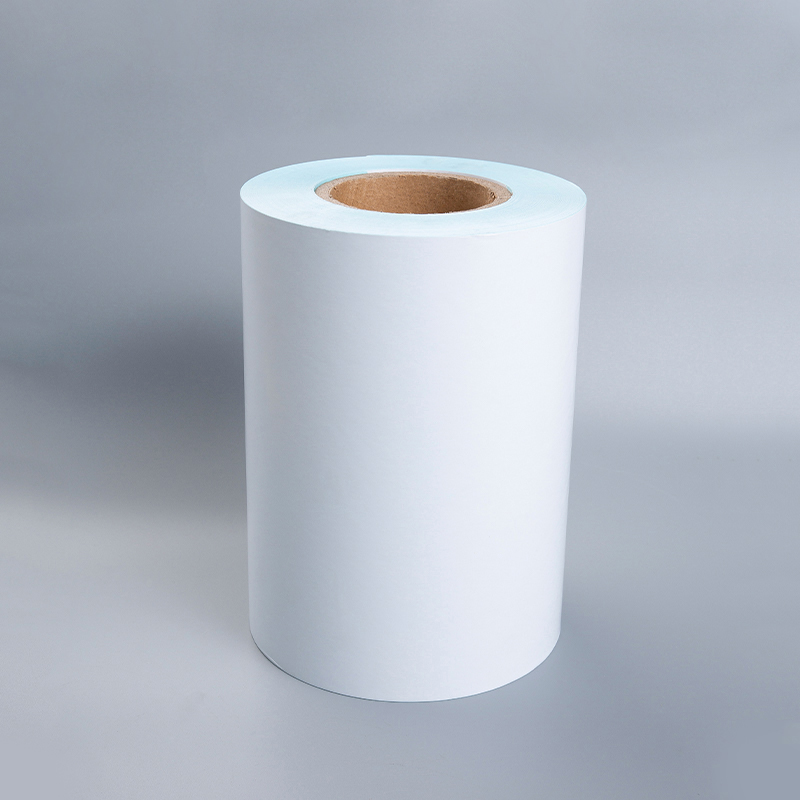
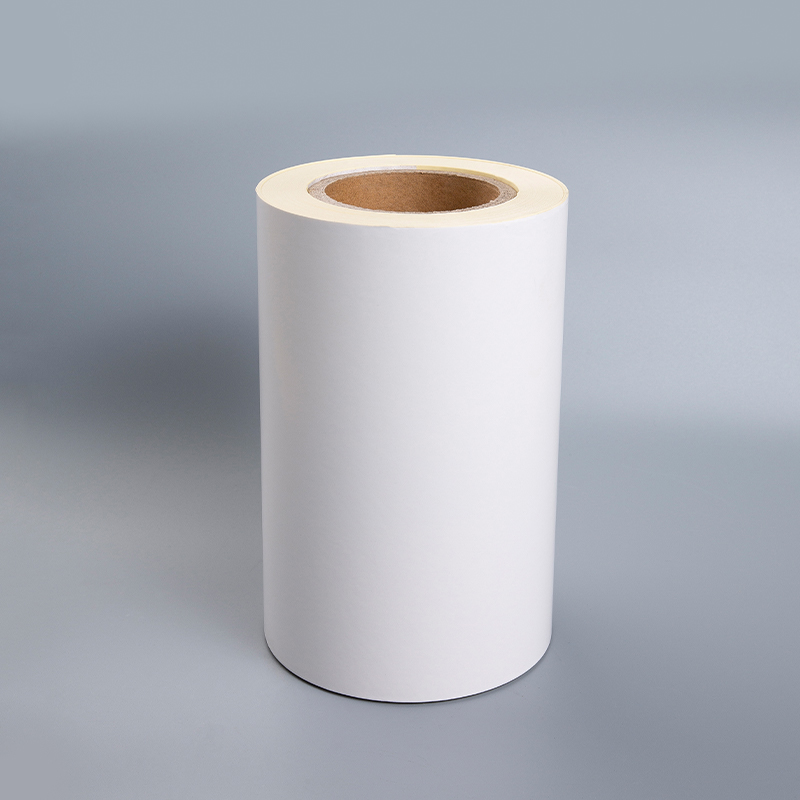
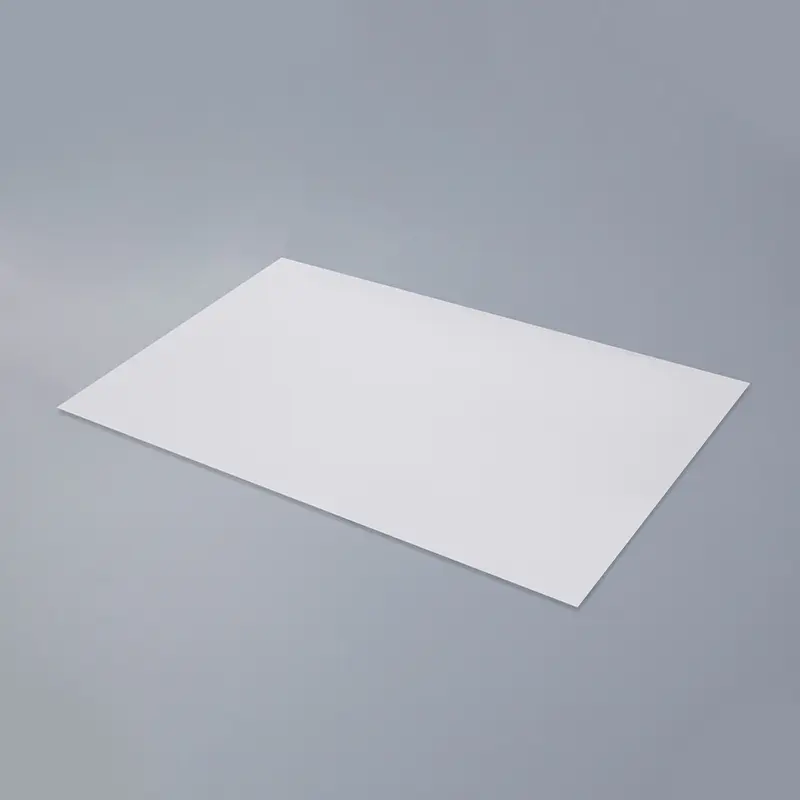
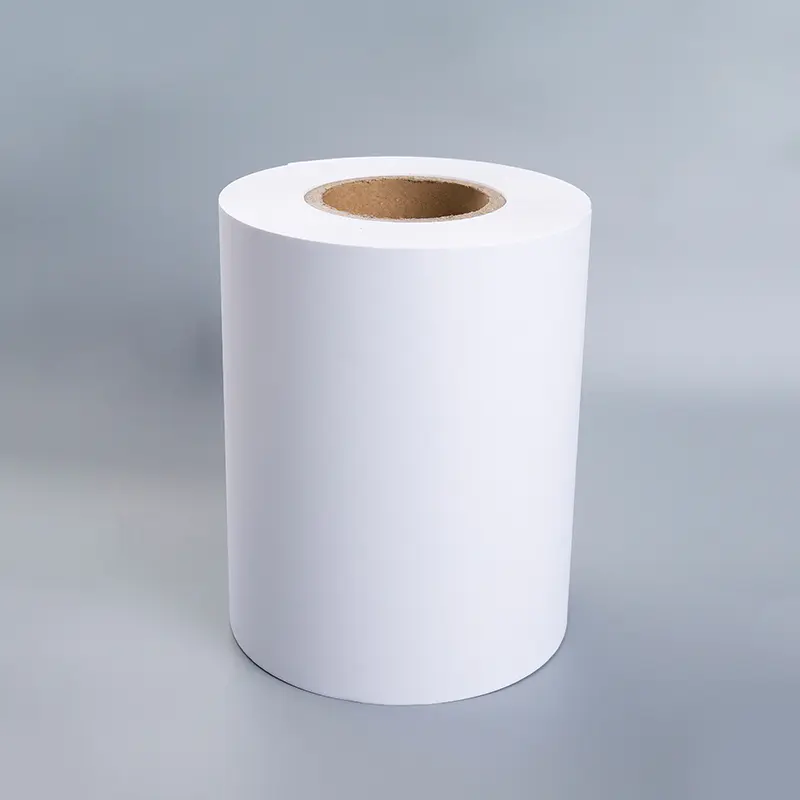
- Size and Format: Glassine comes in rolls, flat sheets, pre-cut bags, and envelopes. Choose the format that best fits your workflow and volume requirements.
- Food-Safe Certification: If using glassine for food contact, ensure the product is certified food-safe and free from harmful additives or bleaching agents.
Is Glassine Paper Environmentally Friendly?
One of the strongest selling points of glassine paper in today's market is its environmental profile. Unlike plastic films or laminated papers, glassine is fully biodegradable and compostable under the right conditions. It can also be recycled alongside regular paper waste, provided it has not been heavily coated with non-paper materials such as silicone or foil.
As businesses shift toward sustainable packaging, glassine has emerged as a preferred alternative to polybags, bubble wrap, and other petroleum-based packaging materials. Many brands in fashion, food, and retail are switching to glassine envelopes and wrapping sheets as part of their green packaging commitments. When sourced from responsibly managed forests (certified by FSC or PEFC), glassine paper has a significantly lower environmental footprint than most synthetic alternatives.
Tips for Storing and Handling Glassine Paper
To get the most out of glassine paper, proper storage and handling are important. Follow these practical tips:
- Store glassine in a cool, dry environment away from direct sunlight to prevent yellowing or brittleness over time.
- Keep rolls or sheets in their original packaging until use to minimize exposure to dust and humidity.
- Handle glassine with clean, dry hands when using it for archival purposes, as oils from skin can affect long-term preservation quality.
- Avoid folding glassine sharply, as its smooth surface can crack or develop visible creases that are difficult to reverse.
- If cutting glassine for custom sizes, use a sharp blade or rotary cutter to achieve clean edges without tearing.
Final Thoughts
Glassine paper is a remarkable material that combines practicality, aesthetics, and sustainability in a single product. Whether you are a baker wrapping pastries, an archivist protecting vintage photographs, a retailer packaging handmade goods, or a crafter exploring new mediums, glassine offers a reliable and visually appealing solution. Its unique combination of translucency, resistance to grease and moisture, acid-free composition, and eco-friendly nature make it one of the most useful specialty papers available today. By understanding its properties, uses, and how to select the right type, you can make the most of what glassine paper has to offer.