
 English
 Español
 русский
 Français
 عربى
عربىContent
What Is Self Adhesive PVC Film?
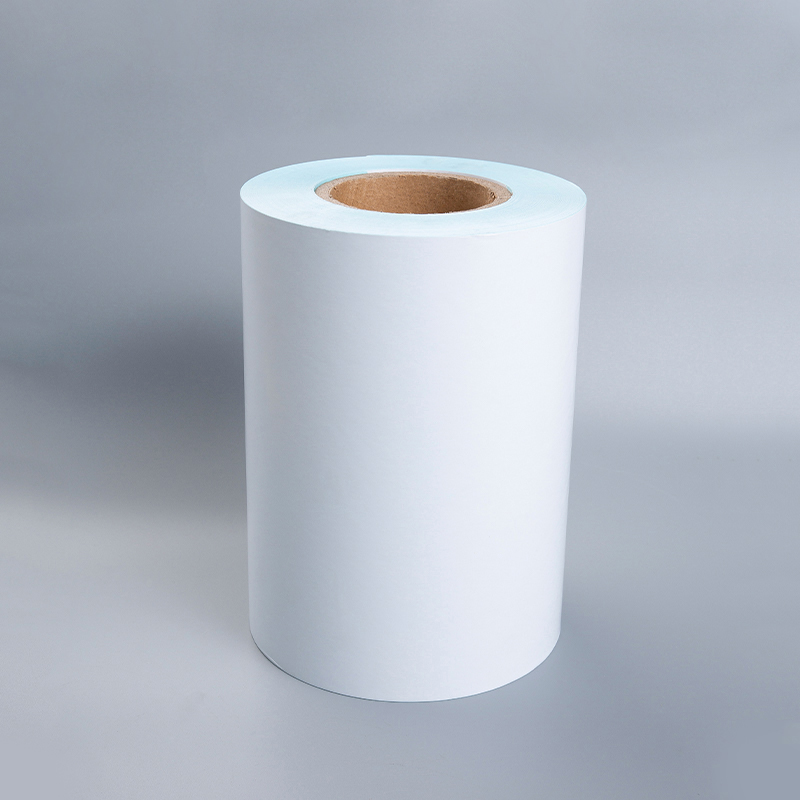
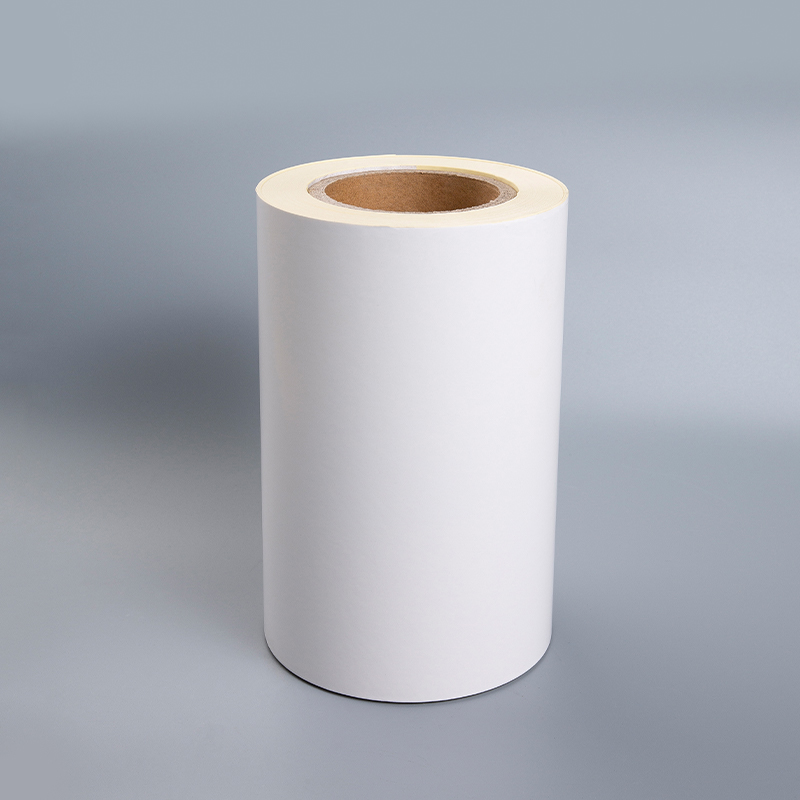
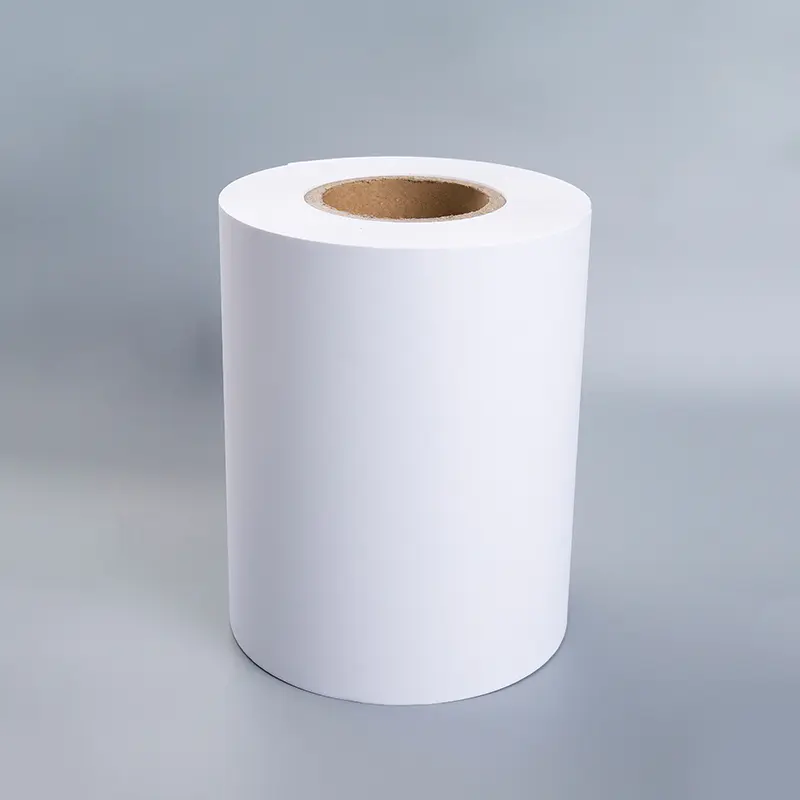
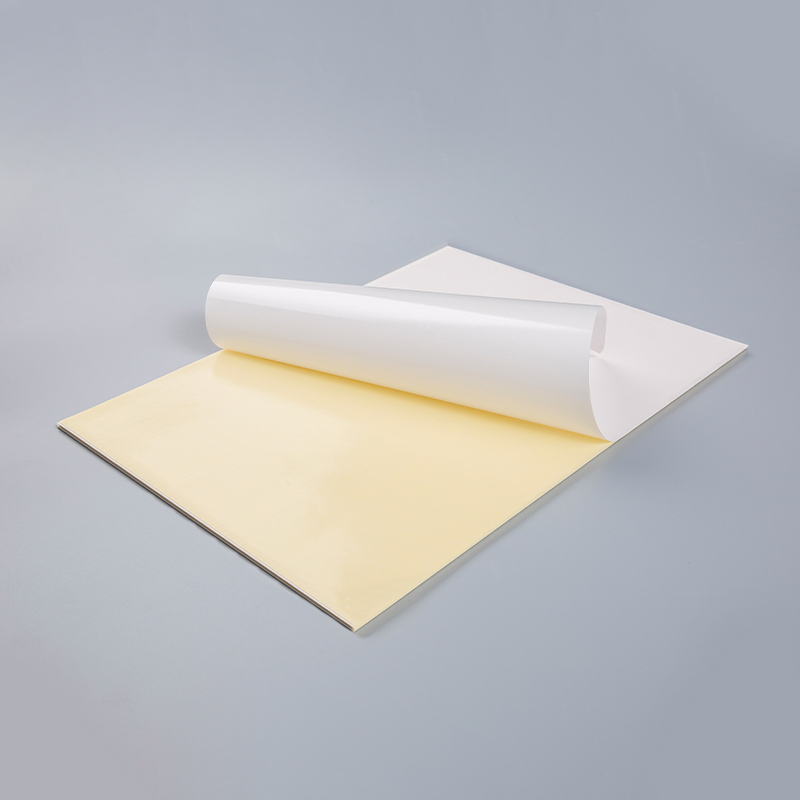
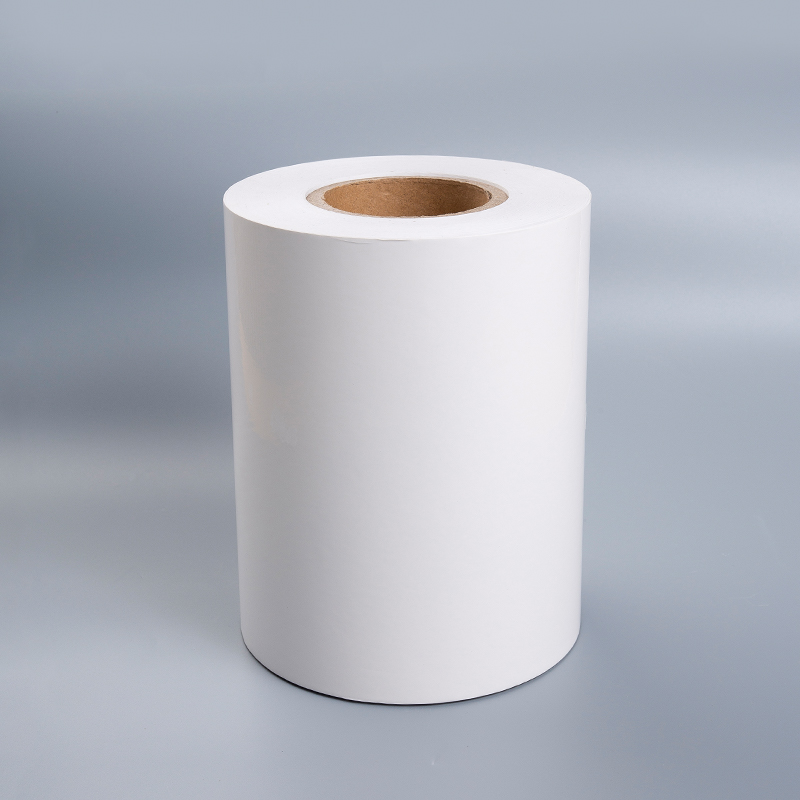
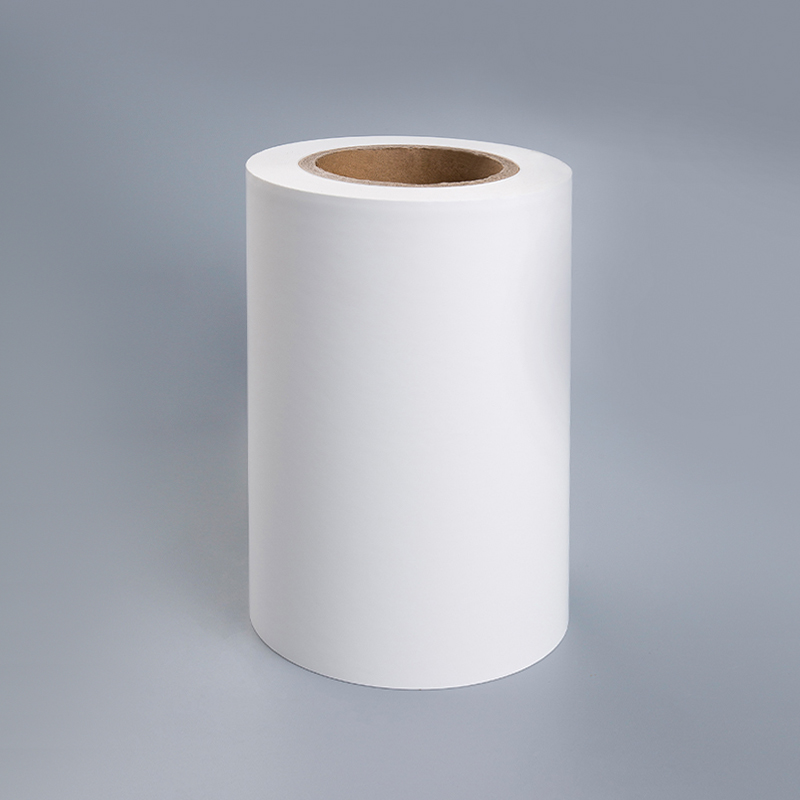
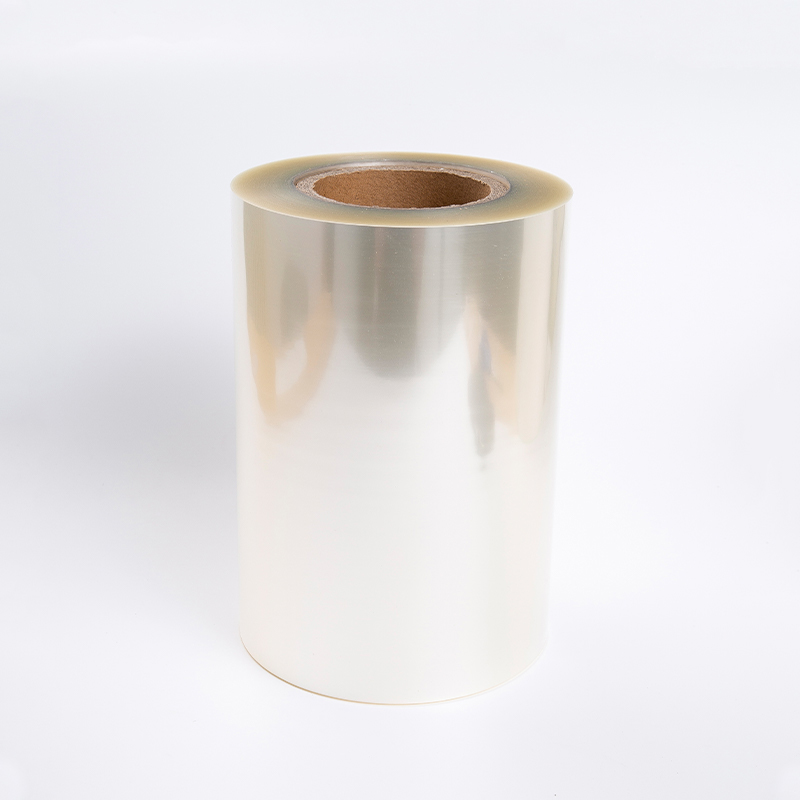
Self adhesive PVC film is a flexible, pressure-sensitive vinyl sheet with a factory-applied adhesive backing protected by a peel-off liner. Once the liner is removed, the film bonds to clean, smooth surfaces without the need for additional glue, heat, or professional tools. The base material — polyvinyl chloride, or PVC — gives the film durability, water resistance, and the ability to be printed on, embossed, or finished in a wide range of textures and colours. It is manufactured in varying thicknesses, typically between 80 and 200 microns, and is sold in rolls, sheets, or cut panels depending on the intended application. From kitchen cabinet makeovers to large-format advertising wraps, self adhesive PVC film is one of the most versatile surface covering materials available to both consumers and professionals.
Main Types of Self Adhesive PVC Film
The market offers several distinct categories of self adhesive PVC film, each engineered for a different set of surfaces and conditions. Understanding the differences before purchasing prevents costly mismatches between the product and the job.
Gloss and Matte Decorative Film
This is the most widely purchased category for home and office use. Gloss film reflects light and gives surfaces a lacquered, high-end appearance, while matte film absorbs light and produces a flat, modern look that hides fingerprints and minor surface imperfections. Both finishes are available in solid colours, wood grain, marble, concrete, and fabric textures. The adhesive on decorative film is typically repositionable for a short period after application, which is a significant advantage for DIY users who need time to align the film before it sets permanently.
Transparent and Frosted Window Film
Designed specifically for glass surfaces, transparent PVC film is used to add UV protection, safety reinforcement, or one-way privacy without blocking natural light. Frosted film mimics the appearance of acid-etched glass at a fraction of the cost and is widely used on office partitions, bathroom windows, shower screens, and interior glass doors. Some window films include a static-cling backing rather than a traditional adhesive, making them fully removable and reusable — an important distinction when choosing film for rented spaces.
Printable PVC Film
Printable self adhesive PVC film is engineered with a specially coated surface that accepts solvent, eco-solvent, UV, or latex inks from wide-format printers. It is the standard material for vehicle wraps, retail signage, wall murals, and exhibition graphics. The film must be overlaminated after printing to protect the ink from abrasion and UV degradation. Printable films are available in cast and calendered grades — cast film is thinner, more conformable, and longer lasting, while calendered film is thicker, more affordable, and suited to flat or gently curved surfaces.
Anti-Slip and Speciality Function Films
Beyond decorative and graphic applications, self adhesive PVC film is engineered for functional uses. Anti-slip films with textured or grit-embedded surfaces are applied to stair treads, workshop floors, and wet area flooring. Chalkboard and whiteboard PVC films turn any flat wall or furniture panel into a writable surface. Reflective PVC film is used for safety marking, road signage, and high-visibility clothing accents. These specialist products use the same peel-and-stick application principle but carry surface properties and adhesive formulations specific to their intended environment.
Where Self Adhesive PVC Film Is Used
The range of surfaces and industries that rely on self adhesive PVC film is broader than most people realise. The table below provides a practical overview of common application areas and the film types best suited to each.
| Application Area | Recommended Film Type | Key Requirement |
| Kitchen cabinets and furniture | Gloss or matte decorative film | Moisture and heat resistance |
| Office glass partitions | Frosted or printed window film | Privacy without blocking light |
| Vehicle wraps | Cast printable PVC film | Conformability, UV durability |
| Retail and exhibition displays | Calendered printable PVC film | Short-term durability, cost efficiency |
| Stairways and wet floors | Anti-slip PVC film | Grip, waterproof adhesive |
| Classroom and home walls | Chalkboard or whiteboard film | Writable, erasable surface |
How to Choose the Right Self Adhesive PVC Film
Surface Compatibility
The single most important factor when selecting self adhesive PVC film is whether the adhesive is compatible with your surface material. Standard solvent-based adhesives bond well to sealed wood, MDF, metal, glass, tiles, and most plastics. They do not adhere reliably to raw or unsealed wood, heavily textured walls, or surfaces contaminated with grease, dust, or silicone residue. For textured walls, look for films specifically labelled as suitable for rough surfaces, which use a more aggressive adhesive formulation. Always clean and degrease the surface thoroughly before application, and allow it to dry completely — moisture trapped beneath the film is the leading cause of adhesive failure and bubbling.
Indoor vs. Outdoor Use
Not all self adhesive PVC films are built to withstand outdoor conditions. Standard interior decorative film will degrade rapidly when exposed to direct sunlight, rain, and temperature fluctuations — the adhesive softens in heat, the film fades under UV exposure, and edges lift in wet conditions. Outdoor-rated films include UV stabilisers in the PVC compound, use a waterproof permanent adhesive, and carry a specified outdoor durability period, typically between three and seven years depending on grade. If the film will be exposed to any outdoor environment, always confirm the product's outdoor rating before purchasing.
Removability and Rental-Friendly Options
For renters or anyone who wants a non-permanent surface update, removability is a critical specification. Removable self adhesive PVC films use a low-tack or repositionable adhesive that peels away cleanly from painted walls and smooth surfaces without leaving residue or pulling off paint — provided the surface paint is fully cured (at least 28 days after application). Permanent adhesive films, by contrast, form a much stronger bond over time and may damage surfaces on removal. The product label will always specify whether the adhesive is permanent, removable, or repositionable, so read this information carefully before buying.
Thickness and Conformability
Thinner films (80–100 microns) are more flexible and conform easily to curved surfaces, edges, and recessed panel profiles. They are ideal for wrapping furniture with rounded edges, applying to vehicle contours, or covering cabinets with profiled doors. Thicker films (150–200 microns) are more rigid and better suited to flat surfaces, where their added body makes application easier and reduces the risk of tearing during installation. For complex three-dimensional surfaces, cast PVC film specifically is the professional choice due to its ability to stretch and conform without creasing or springing back.
Step-by-Step Application Tips for Best Results
Even the highest-quality self adhesive PVC film will underperform if applied incorrectly. Following a structured process significantly reduces the likelihood of bubbles, wrinkles, and edge lifting.
- Clean the surface thoroughly using isopropyl alcohol or a dedicated surface cleaner. Remove all grease, dust, and old adhesive residue. Allow the surface to dry completely before proceeding.
- Measure and cut the film slightly larger than the target area — approximately 5 cm of excess on each side. It is far easier to trim excess film after application than to recut and reapply.
- Use the hinge method for large panels: tape the film in position along one edge, fold back the other half, peel the liner halfway, and smooth the exposed adhesive onto the surface before releasing the remaining liner.
- Apply firm, even pressure with a squeegee or credit card, working from the centre outward to push air bubbles toward the edges. Never smooth inward from the edges, as this traps air in the centre.
- Use a heat gun or hair dryer on low heat to make the film more pliable when wrapping around edges or curved surfaces. Apply gentle heat, stretch the film carefully, and hold it in place until it cools and sets.
- Pop any remaining small bubbles with a fine pin, then smooth flat with your fingertip. Larger bubbles usually indicate adhesive failure and require the film to be lifted and reapplied.
Common Mistakes to Avoid
Many application problems stem from a handful of avoidable errors. Being aware of these before starting saves both material and time:
- Applying in cold conditions: PVC film becomes stiff and difficult to handle below 10°C, and adhesives lose effectiveness. Work in a room-temperature environment whenever possible.
- Stretching the film during application: Overstretching creates internal tension that causes the film to contract and lift at edges within days of application. Apply with firm but relaxed pressure rather than pulling.
- Skipping the primer on difficult surfaces: On low-energy plastics such as polypropylene or polyethylene, a vinyl primer applied before the film dramatically improves adhesion and longevity.
- Choosing interior film for kitchen backsplashes: Areas directly behind hobs and ovens experience sustained heat that standard decorative film cannot tolerate. Specify a heat-resistant film rated for the temperatures your cooking generates.
Caring for Self Adhesive PVC Film After Application
Once applied correctly, self adhesive PVC film requires minimal maintenance. For decorative interior films, clean with a damp cloth and a mild, non-abrasive detergent. Avoid harsh chemical cleaners, acetone-based products, and abrasive sponges, which break down both the film surface and the adhesive bond over time. For outdoor films and vehicle wraps, hand washing is preferable to automated car washes, which can lift edges and degrade the laminate. Inspect edges periodically and press down any that show signs of lifting — a small amount of edge sealer applied with a syringe can re-bond edges that have partially lifted before the problem spreads. With proper care, a quality self adhesive PVC film installation can last anywhere from three to ten years depending on the product grade and the conditions it is exposed to.