
 English
 Español
 русский
 Français
 عربى
عربىContent
Introduction to Thermal Paper
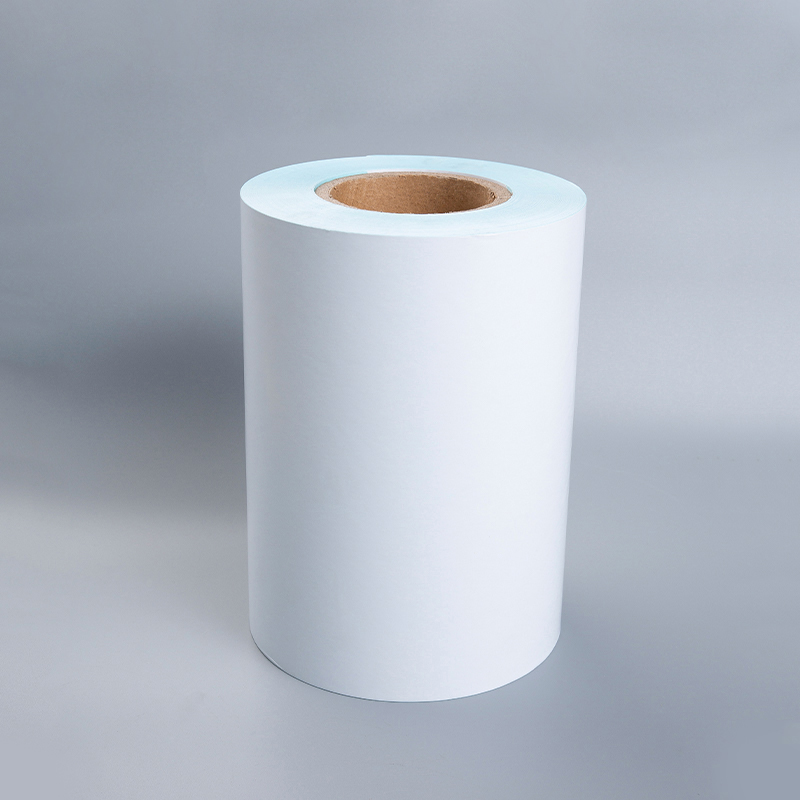
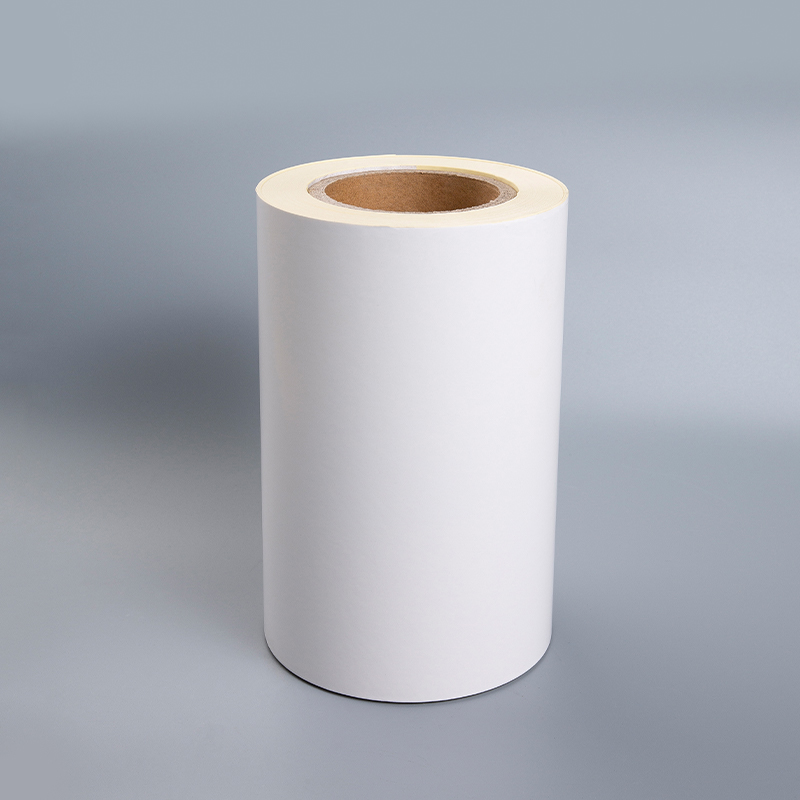
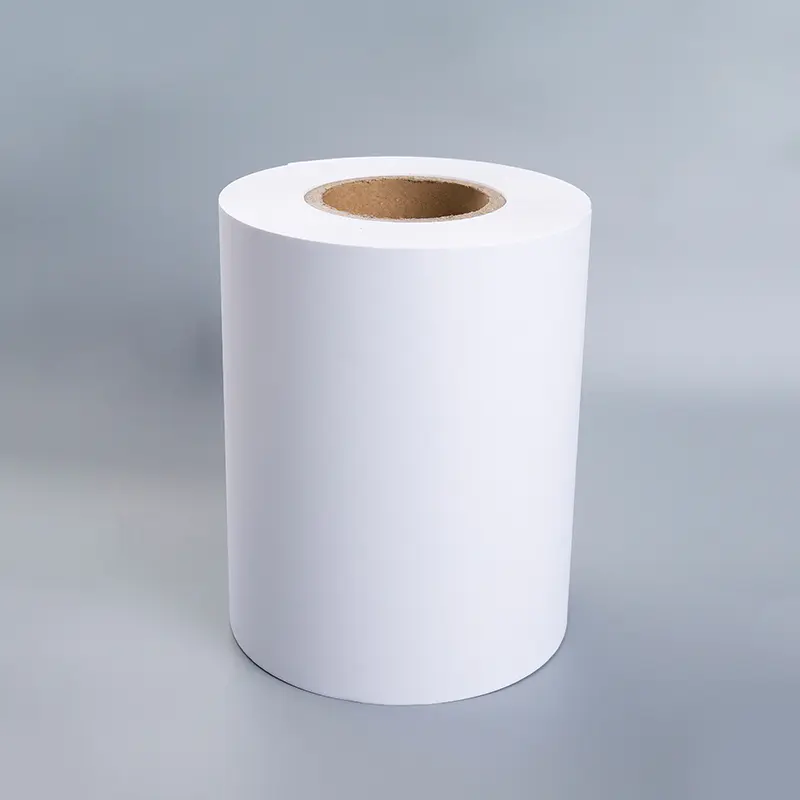
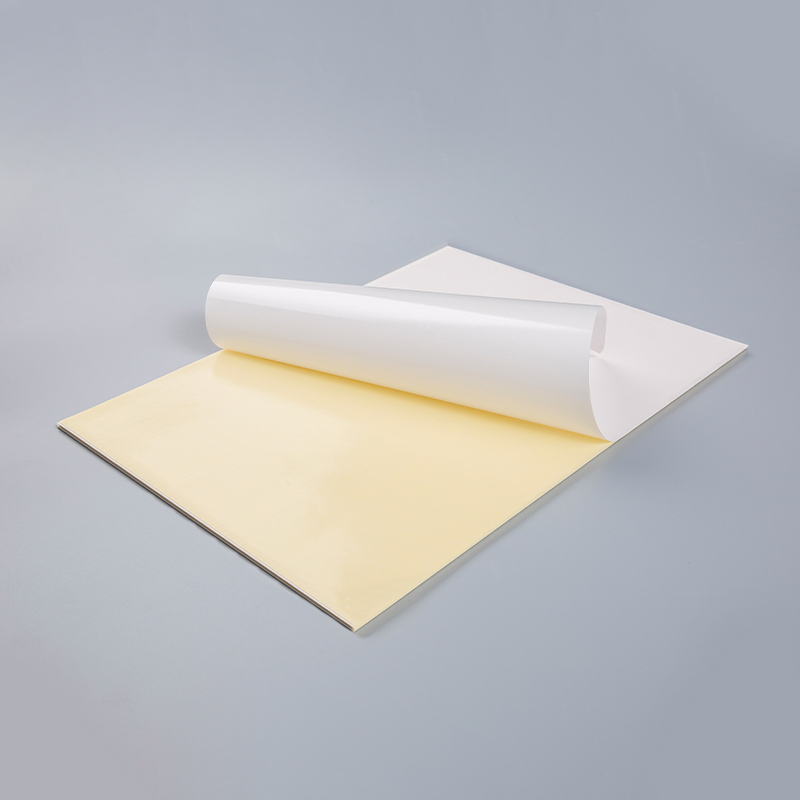
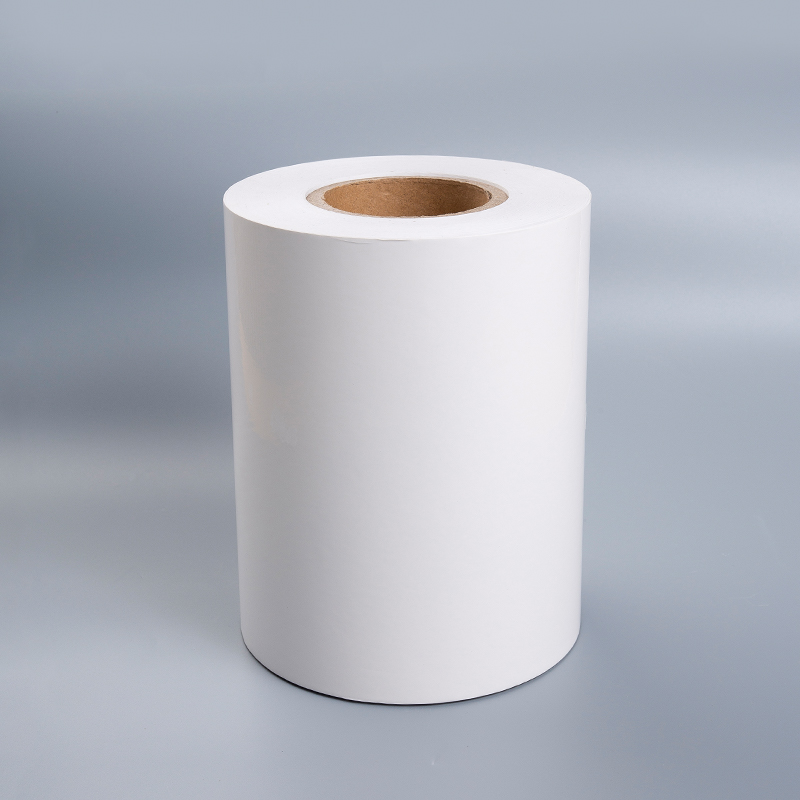
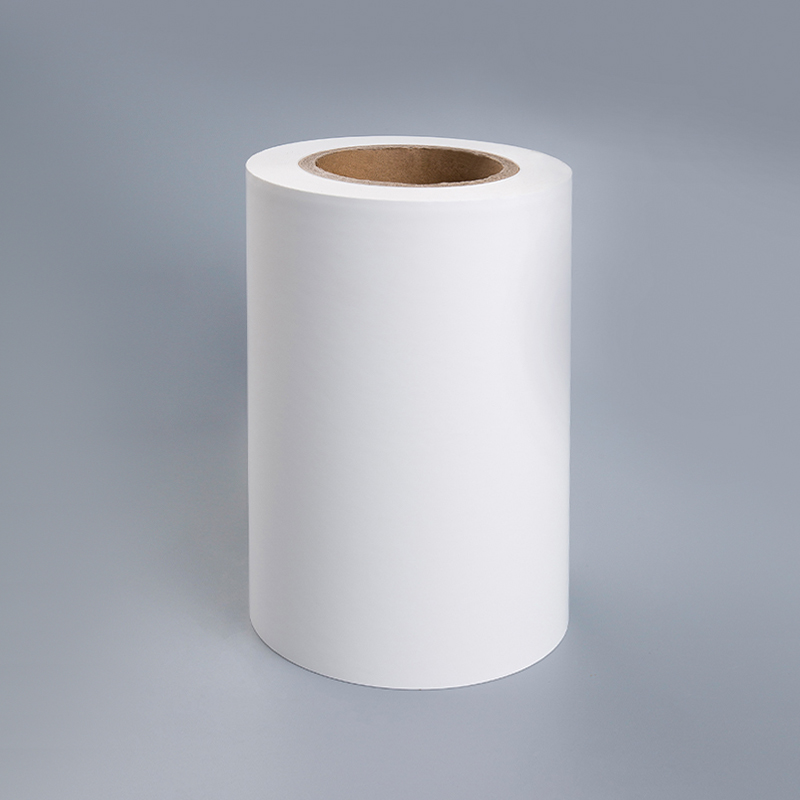
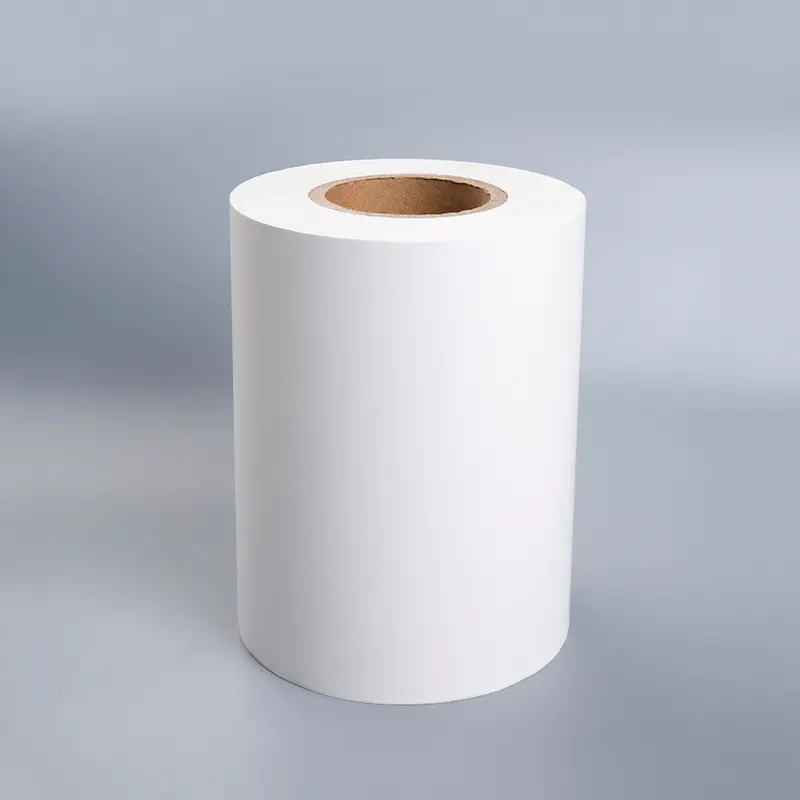
Thermal paper is a specialized paper coated with chemicals that change color when exposed to heat. Unlike traditional ink printing, thermal paper eliminates the need for ribbons or toner, providing a cost-effective and efficient printing solution. Its widespread use spans retail receipts, point-of-sale systems, ATMs, ticketing, medical records, and logistics, reflecting its extensive market demand.
The Reasons Behind High Market Demand
Efficiency and Speed
Thermal printers are faster than conventional printers because the image is created through heat activation rather than the mechanical application of ink. This high-speed printing is essential in retail and hospitality sectors where rapid transaction processing is critical. Businesses benefit from shorter wait times for customers and higher throughput.
Low Maintenance Requirements
Thermal printers require fewer moving parts and do not need ink cartridges, ribbons, or toner. This translates to lower maintenance costs and less downtime. Organizations with high-volume printing needs can reduce operating expenses and streamline workflows.
Compact Design and Portability
Thermal printing devices are generally smaller and lighter than traditional printers. Their compact size makes them ideal for mobile operations, such as delivery services, event ticketing, and portable point-of-sale setups. The convenience of portability drives the demand for thermal paper products in mobile applications.
Key Advantages of Thermal Paper
High Print Quality and Clarity
Thermal paper produces sharp and clear text and graphics, essential for receipts, labels, and tickets. The contrast achieved through heat-sensitive coating ensures legibility even in low-light conditions, reducing errors in transaction processing and record-keeping.
Cost-Effectiveness
Eliminating the need for ribbons, toner, or ink significantly reduces printing costs. Businesses with high transaction volumes, such as supermarkets, pharmacies, and transportation hubs, benefit from long-term cost savings while maintaining consistent print quality.
Durability for Short-Term Records
While thermal paper is sensitive to heat and light over long periods, it is perfectly suited for short-term recordkeeping such as receipts or tickets. Its ability to resist smudging, fading during immediate handling, and environmental factors like moisture enhances its practical usability in everyday applications.
Applications Across Industries
Retail and Hospitality
Retail outlets and restaurants rely on thermal paper for fast and reliable receipt printing. Its speed and clarity help maintain smooth customer interactions and reduce queue times.
Banking and Financial Services
ATMs, transaction terminals, and billing counters use thermal paper to provide immediate, legible documentation. The efficiency and cost savings make it ideal for high-transaction environments like banks and payment centers.
Healthcare and Logistics
Thermal paper is used in medical records, patient wristbands, lab labels, and logistics labels. Its clarity ensures accurate tracking, identification, and documentation, supporting operational accuracy and safety standards.
Comparison Table: Thermal Paper vs. Traditional Printing Methods
| Feature | Thermal Paper | Ink/Ribbon Printing |
| Print Speed | High | Medium |
| Maintenance | Low | Higher (ink, ribbons) |
| Print Quality | Sharp & Clear | Variable |
| Cost Efficiency | High | Moderate |
| Portability | Excellent | Limited |
Environmental Considerations and Sustainability
Recycling and Eco-Friendly Options
Thermal paper traditionally contains BPA or BPS coatings, which have raised environmental concerns. Modern manufacturers offer BPA-free or recycled options to reduce environmental impact. Businesses increasingly adopt eco-friendly thermal paper to meet sustainability goals while maintaining functionality.
Reduced Resource Consumption
Because thermal printing does not require ink or ribbons, it reduces the consumption of additional printing materials. This reduction in consumables aligns with environmentally conscious business practices and minimizes waste.
Conclusion
Thermal paper continues to enjoy extensive market demand due to its efficiency, cost-effectiveness, high print quality, and adaptability across multiple industries. Its practical advantages, from speed and maintenance savings to portability and clarity, make it indispensable in retail, financial services, healthcare, and logistics. As sustainable options become more widely available, thermal paper is poised to remain a reliable and environmentally conscious choice for businesses worldwide.