
 English
 Español
 русский
 Français
 عربى
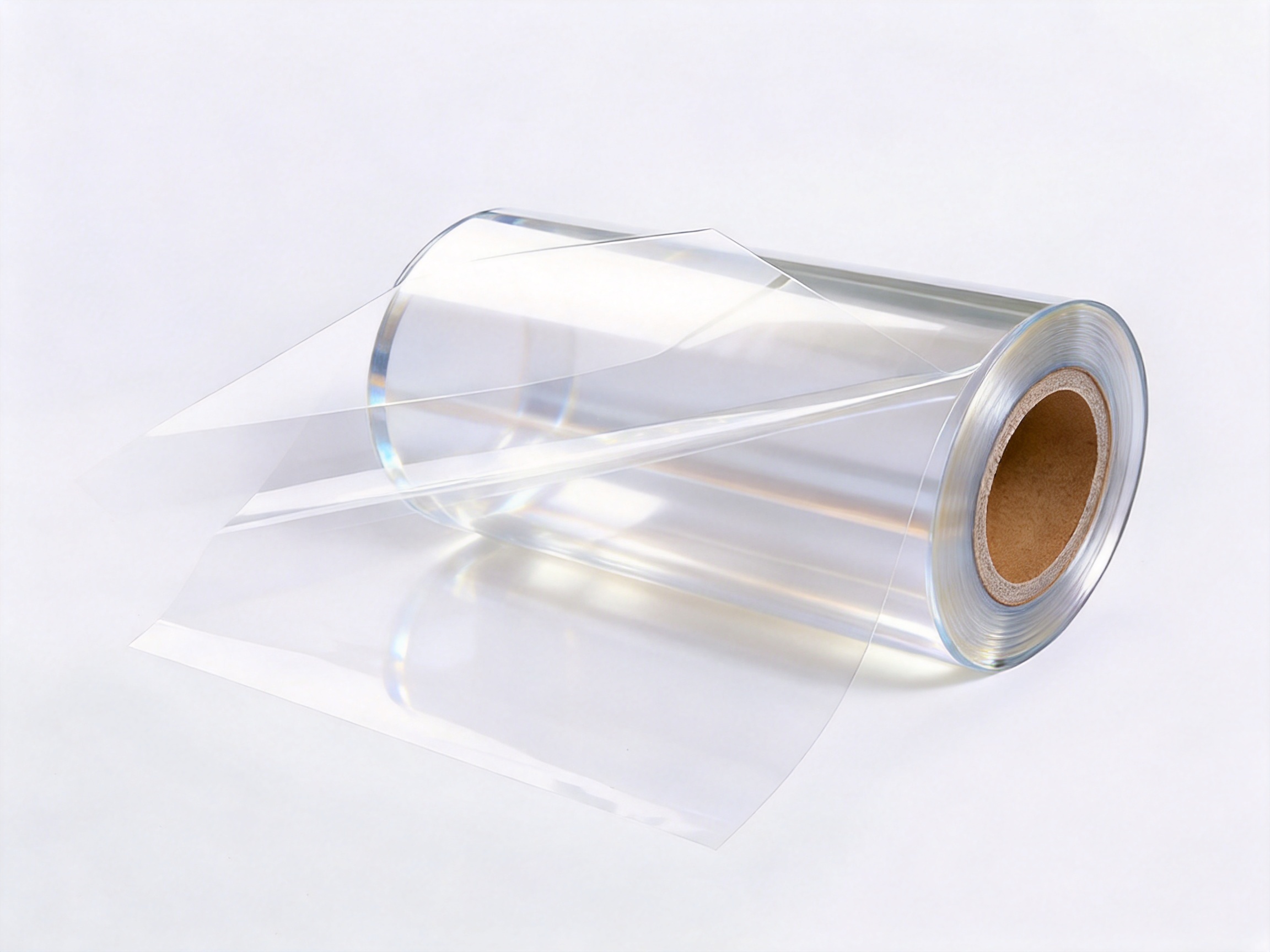
عربىTransparent PVC adhesive film with a clear PET liner is a premium label material designed for brands, converters, printers, and packaging manufacturers that require visual clarity, reliable adhesion, flexible processing, and stable performance across a wide range of label applications.
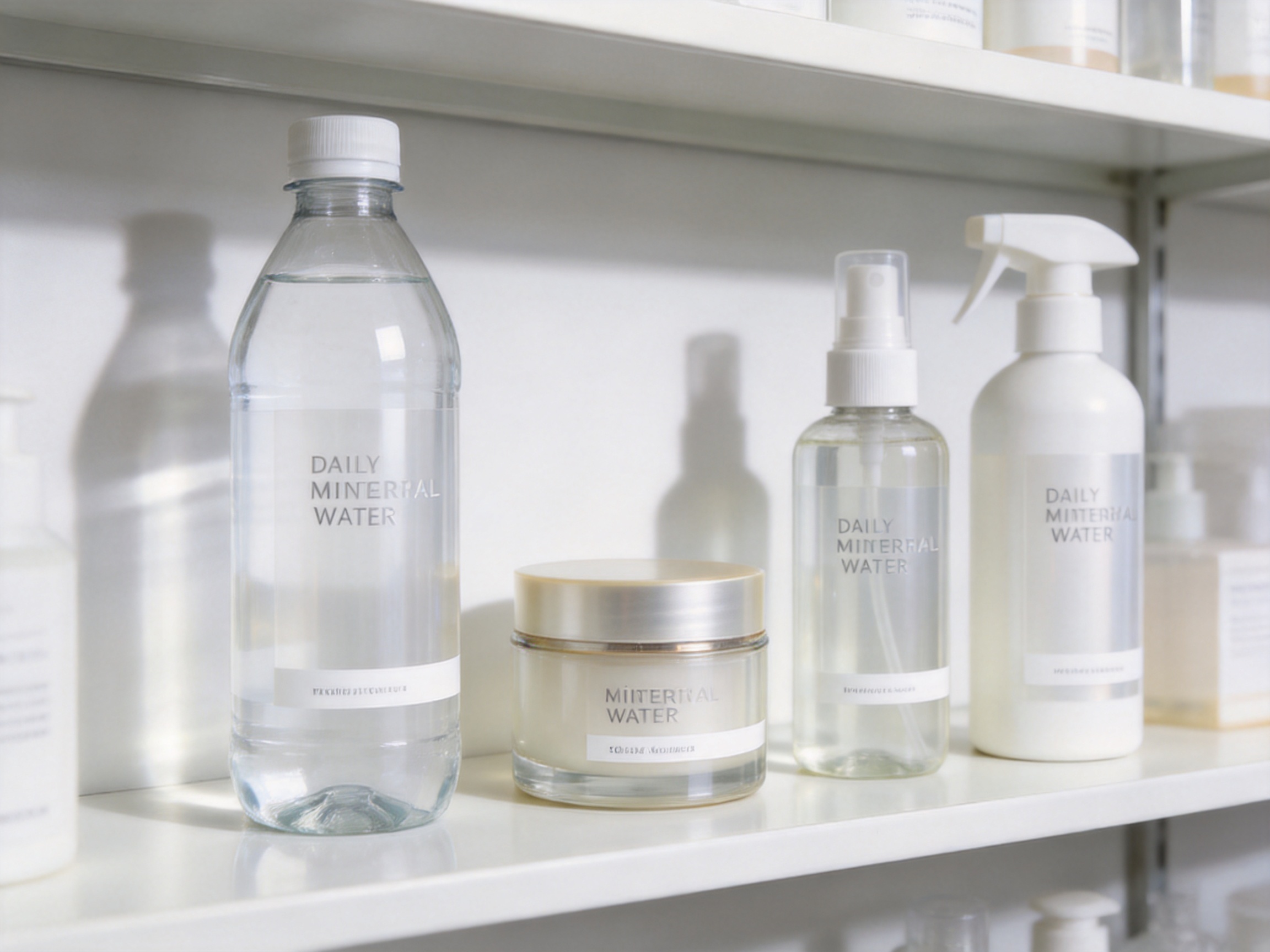
As packaging continues to move toward cleaner design, minimalistic branding, and “no-label look” presentation, transparent self-adhesive films have become an important material choice for mineral water, beverages, cosmetics, daily chemical products, building materials, and general packaging industries.
This material combines a transparent PVC face film with a transparent PET release liner, creating a construction that offers strong dimensional stability, excellent transparency, and compatibility with multiple printing and converting processes.
Unlike ordinary paper labels or lower-grade film labels, this product is developed for applications where the label should integrate visually with the container surface while still delivering excellent print performance, adhesion, and durability.
Transparent PVC With Clear PET Liner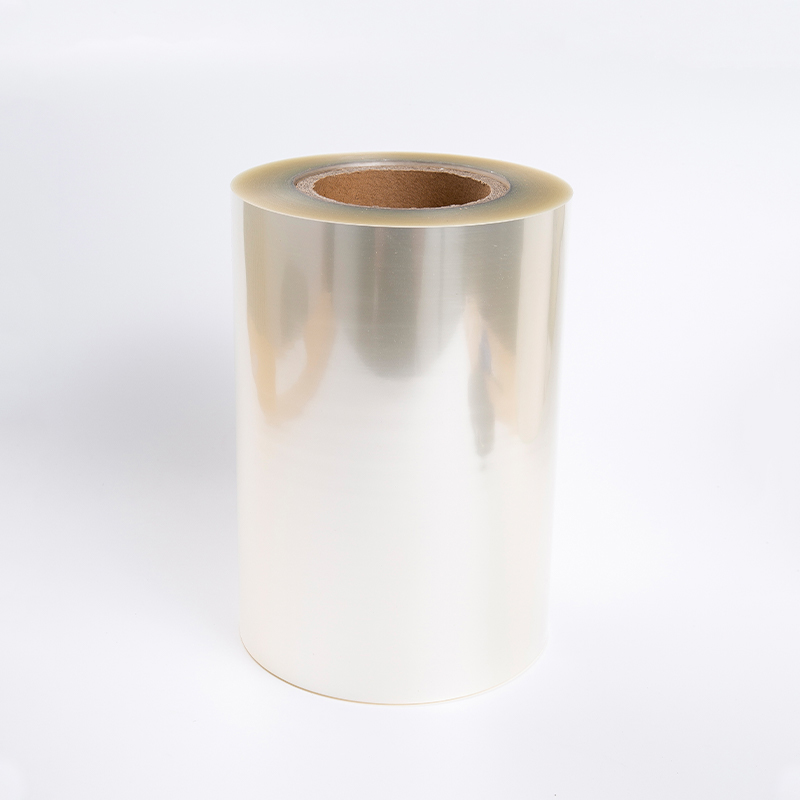
Content
- 1 Product Overview
- 2 Key Product Specifications
- 3 Why Transparent PVC with a Clear PET Liner Matters
- 4 Advantages Over Ordinary Label Materials
- 5 Performance in No-Label-Look Packaging
- 6 Applications Across Industries
- 7 Manufacturing Excellence Behind the Material
- 8 Competitive Advantages for Converters and Brand Owners
- 9 Printing and Converting Considerations
- 10 Adhesive Selection Guide
- 11 Liner Options and Their Practical Value
- 12 Packaging and Delivery Strength
- 13 Sustainability and Responsible Development
- 14 Design Recommendations for Transparent Labels
- 15 Recommended Storage and Handling
- 16 How This Material Helps Reduce Production Risk
- 17 Company Strengths Supporting Long-Term Cooperation
- 18 Frequently Asked Questions
- 18.1 What is transparent PVC adhesive film with clear PET liner used for?
- 18.2 What is the standard material structure?
- 18.3 Can the face film thickness be customized?
- 18.4 What adhesive types are available?
- 18.5 Why choose a clear PET liner instead of ordinary paper liner?
- 18.6 Is the material suitable for food or drug storage?
- 18.7 Can it be supplied in sheets as well as rolls?
- 18.8 What printing methods can be used?
- 18.9 What makes this material better than ordinary paper labels?
- 18.10 What makes the manufacturer suitable for OEM and ODM cooperation?
- 19 Conclusion
- 20 References
- 21 Product: Transparent PVC With Clear PET Liner
Product Overview
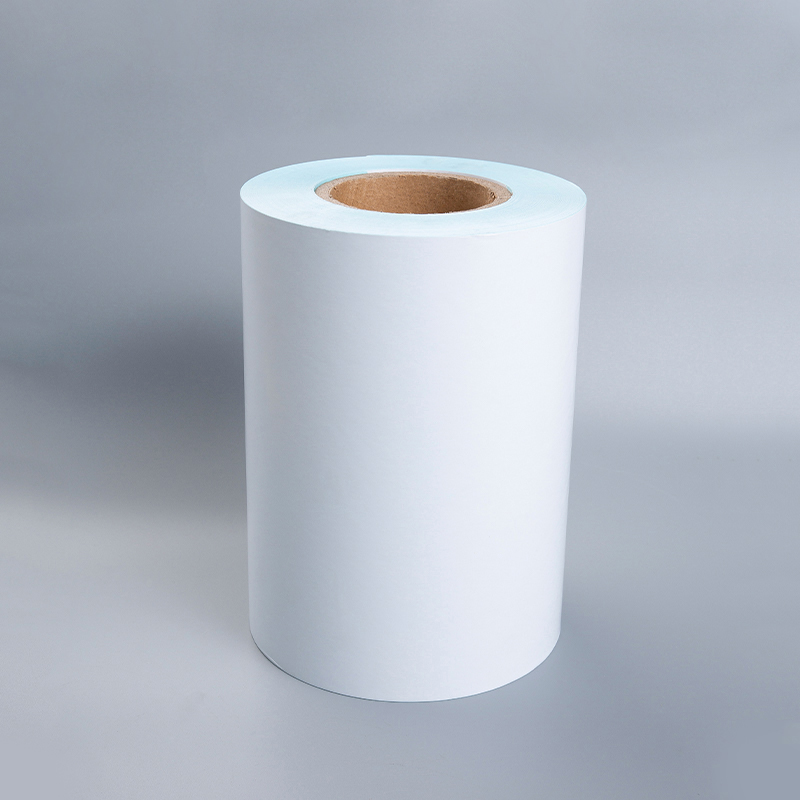
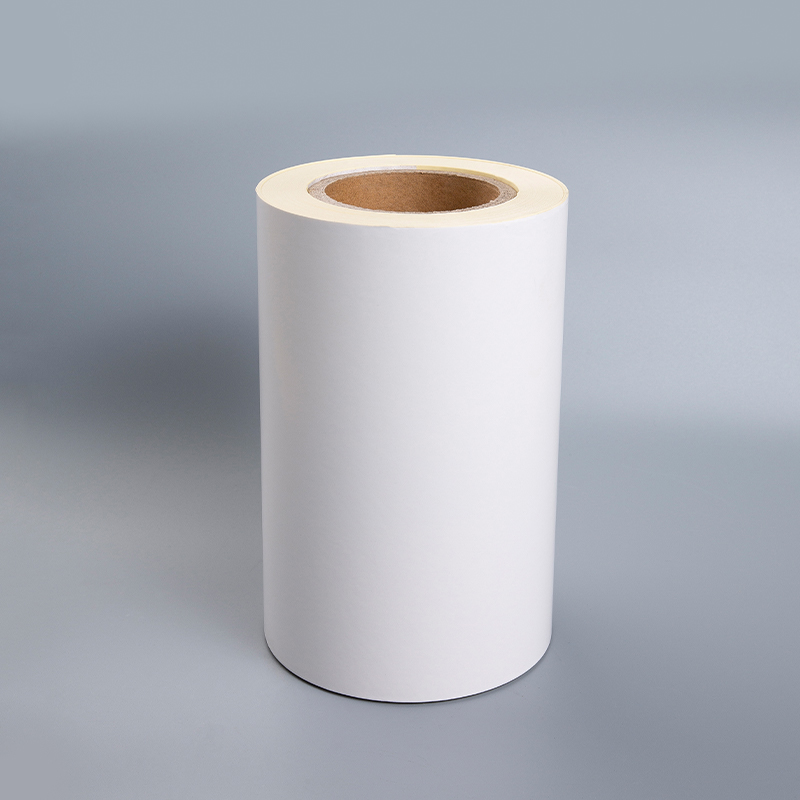
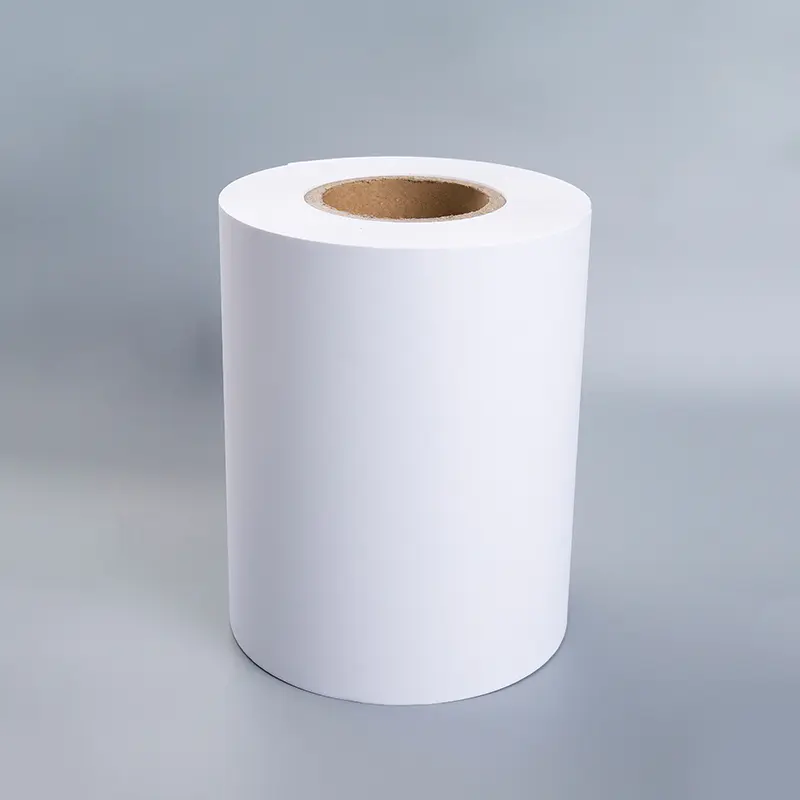
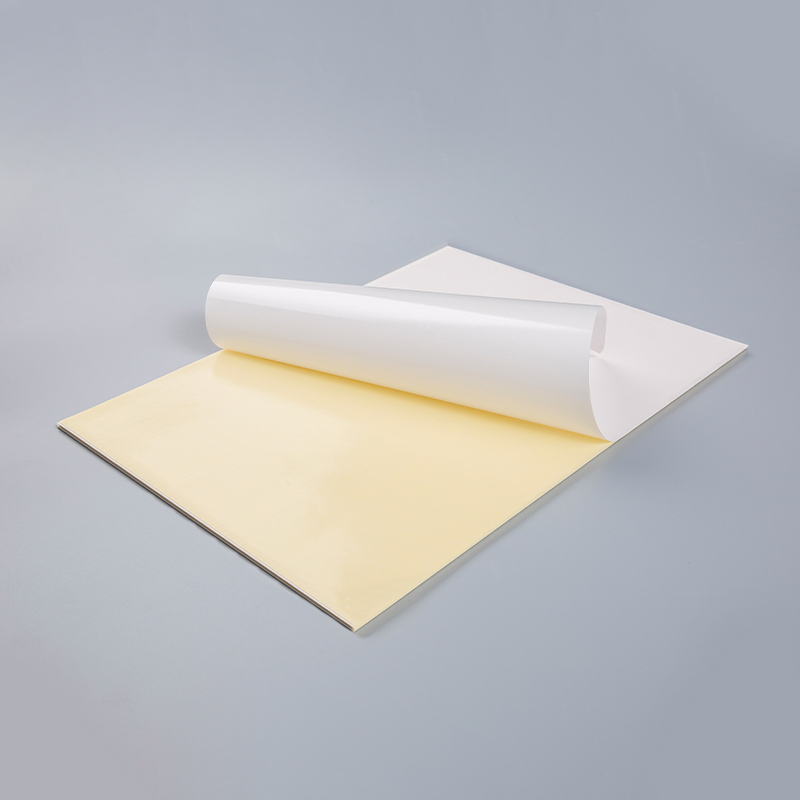
The product is a transparent PVC adhesive film supplied with a clear PET liner, commonly used in self-adhesive label production where transparency and appearance are critical.
The standard construction includes a 50 micron transparent PVC face material, water-based adhesive, and a 36 micron transparent PET liner.
Other specifications are available according to customer requirements, including PVC thicknesses of 80 micron, 100 micron, 150 micron, and 260 micron, as well as multiple adhesive and liner options.
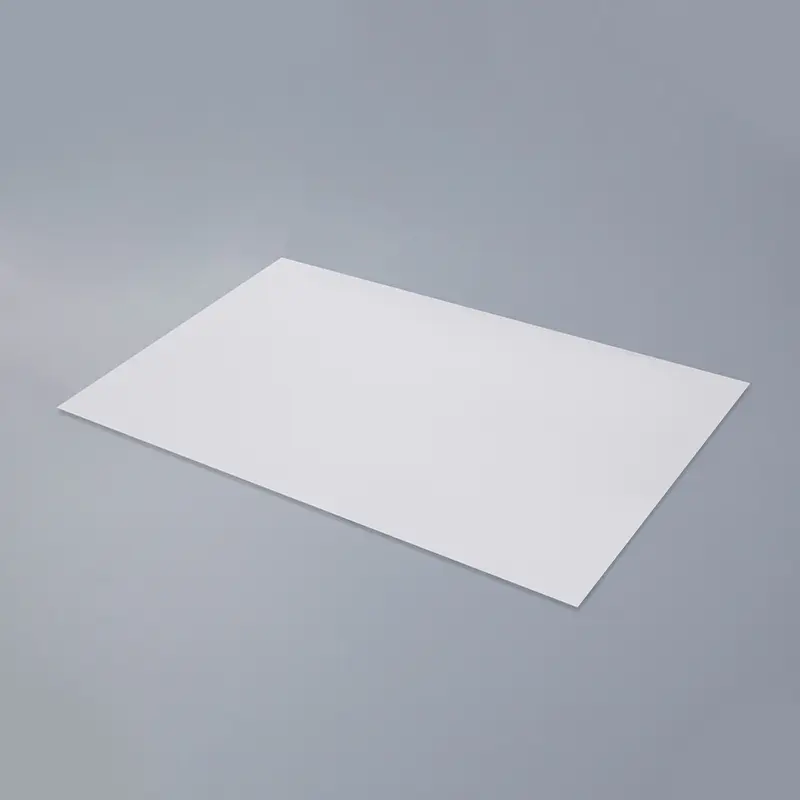
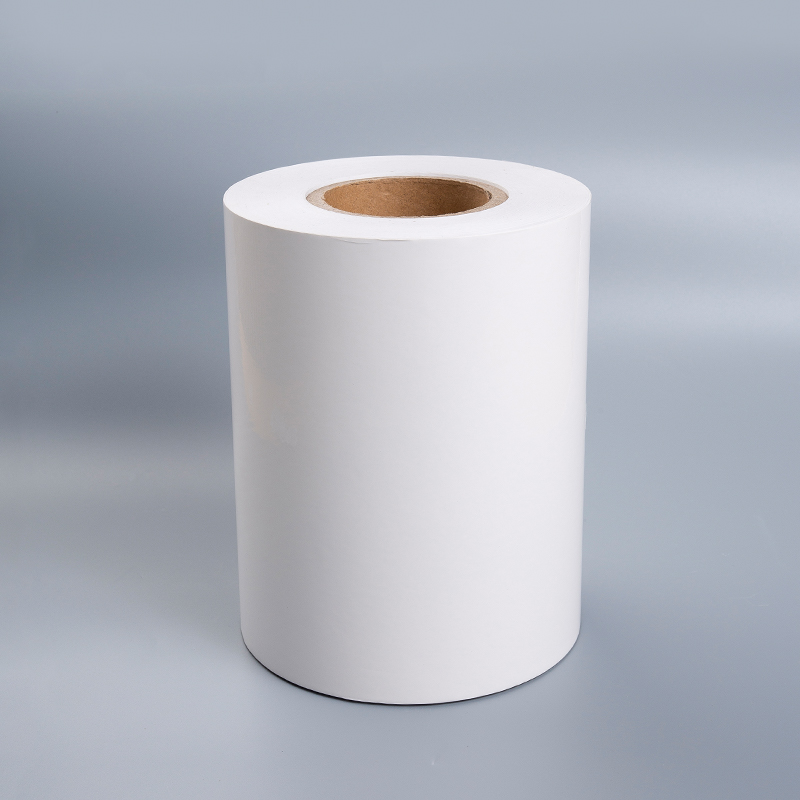
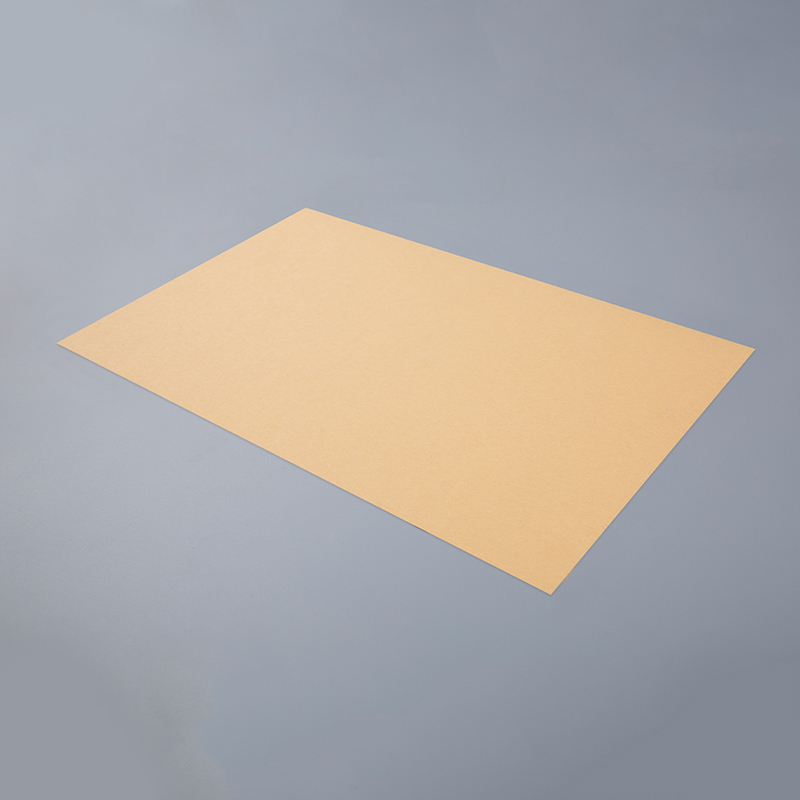
The material is suitable for jumbo rolls, customized roll sizes, and sheet formats such as A4, A3, 20 x 30, 21 x 30, 24 x 36, 50 cm x 70 cm, and 70 cm x 100 cm.
It is designed to support efficient downstream processing, including printing, die-cutting, slitting, sheeting, laminating, and label application.
Because the face film and liner are both transparent, the product provides excellent see-through performance before application and helps converters inspect print registration, adhesive coating quality, die-cut depth, and finished label appearance more easily.
This transparent construction is especially useful for labels that need to maintain a clean, premium, and integrated look on glass, plastic, and other smooth packaging surfaces.
Key Product Specifications
Item |
Standard Specification |
Available Options |
Face Material |
50 micron transparent PVC |
80 micron, 100 micron, 150 micron, and 260 micron transparent PVC |
Adhesive |
Water-based adhesive |
Hotmelt adhesive, solvent adhesive, removable adhesive, anti-freeze adhesive, cryogenic adhesive, and tyre-grade rubber adhesive |
Liner |
36 micron transparent PET liner |
Glassine paper, release paper, art paper, CCK liner, and transparent PET liner in multiple thicknesses |
Jumbo Roll Width |
1000 mm, 1020 mm, 1080 mm, and 1530 mm |
Customized widths available according to order requirements |
Sheet Size |
A4, A3, 20 x 30, 21 x 30, 24 x 36, 50 cm x 70 cm, and 70 cm x 100 cm |
Customized sheet sizes available |
Main Applications |
Transparent labels, no-label-look labels, product packaging labels |
Beverage, cosmetics, daily chemical, building material, and general packaging applications |
Why Transparent PVC with a Clear PET Liner Matters
In modern packaging, labels are not only information carriers but also brand communication tools.
A transparent label allows the packaging color, liquid color, container shape, or product texture to remain visible, which creates a refined visual effect.
For bottled beverages, transparent labels help preserve the natural appearance of water, juice, or other drinks while still displaying logos, barcodes, regulatory text, and promotional information.
For cosmetics and personal care products, transparent labels support an elegant shelf appearance, especially when used on clear, frosted, glossy, or colored containers.
For daily chemical products, such as detergents, cleaners, and household sprays, transparent labels create a bright, modern, and professional impression.
For building materials and general packaging, transparent PVC adhesive film provides durability, moisture resistance, and visual consistency in environments where paper labels may not perform well.
The clear PET liner further enhances the value of the construction because it offers dimensional stability, smooth release, and superior flatness compared with many ordinary paper liners.
These characteristics are valuable for high-speed printing, accurate die-cutting, automatic labeling, and applications that require a consistent release force.
Advantages Over Ordinary Label Materials
Superior Transparency
The most obvious advantage of this material is its high transparency.
Compared with many paper labels, synthetic paper labels, or opaque films, transparent PVC allows the package beneath the label to remain visible.
This makes it an excellent choice for brands that want to achieve a premium no-label-look design.
When properly printed and applied, the label appears to become part of the package rather than a separate surface layer.
This visual integration is especially important for high-end consumer goods, cosmetics, health and beauty products, specialty beverages, and lifestyle packaging.
Excellent Surface Printability
The PVC surface can be supplied with a special coating suitable for a variety of printing methods.
This helps improve ink anchorage, dot clarity, color expression, and image sharpness.
For printers and label converters, a stable and printable surface reduces production problems such as ink smearing, weak adhesion, uneven color density, or poor registration.
The material can support different printing methods depending on the ink system, press type, and converting process selected by the customer.
Its compatibility with diverse printing technologies gives customers more flexibility when designing labels for short runs, medium production orders, and large-scale packaging projects.
Stable Clear PET Liner
The transparent PET liner offers important performance advantages over many lower-grade backing materials.
PET liner has excellent dimensional stability, which helps reduce liner stretching, curling, and deformation during high-speed processing.
Its smooth surface supports consistent adhesive coating and clean release behavior.
For die-cutting, the PET liner gives converters a stable base that helps maintain accurate cutting depth and shape definition.
For automatic label dispensing, PET liner can improve label release consistency and reduce the risk of label lifting, misfeeding, or liner breakage.
Durable PVC Face Film
PVC film is known for flexibility, toughness, and resistance to moisture.
Compared with paper-based label materials, transparent PVC film performs better in applications exposed to humidity, condensation, handling, and surface movement.
It is suitable for labels used on bottles, tubes, containers, and curved surfaces because it can conform to many packaging shapes.
This durability makes the material useful in industries where the label must remain readable and attractive during transportation, storage, retail display, and end-user handling.
Multiple Adhesive Choices
The standard water-based adhesive is suitable for many general-purpose applications and provides a balance of environmental performance, processability, and bonding strength.
For more demanding requirements, customers can choose hotmelt adhesive, solvent adhesive, removable adhesive, anti-freeze adhesive, cryogenic adhesive, or tyre-grade rubber adhesive.
This wide adhesive selection allows the material to be customized for different substrates, temperature conditions, application environments, and removability requirements.
For example, a removable adhesive may be chosen for temporary promotional labels, while an anti-freeze or cryogenic adhesive may be selected for low-temperature storage or cold-chain applications.
A tyre-grade rubber adhesive can be used where difficult, rough, or low-energy surfaces require a stronger bonding system.
Customizable Liner System
Although the clear PET liner is a core feature of this product, other liners are available to match cost, application, processing, and customer preferences.
Options include 50 g, 60 g, 80 g, 100 g, and 120 g glassine paper; 60 g, 85 g, 120 g, and 140 g release paper; 140 g and 165 g art paper; 50 g, 80 g, 90 g, and 120 g CCK liner; and 25 micron, 50 micron, and 100 micron transparent PET liner.
This flexibility helps customers optimize material construction according to labeling speed, label size, die-cutting method, stiffness requirement, and budget.
Performance in No-Label-Look Packaging
The no-label-look effect is one of the strongest reasons to choose transparent PVC with a clear PET liner.
A no-label-look label is designed to be visually subtle, allowing printed graphics to appear directly on the container surface.
Compared with direct printing on containers, self-adhesive transparent labels provide greater design flexibility and are easier to update for seasonal promotions, regulatory changes, batch variations, or multi-language packaging.
The transparent PVC face film provides the visual base, while the clear PET liner supports precise processing before application.
When used with suitable inks, varnishes, and adhesives, the finished label can provide bright graphics, clean edges, and excellent transparency in unprinted areas.
This makes the material particularly effective for transparent bottles, colored plastic containers, glass jars, cosmetic tubes, and smooth daily chemical packaging.
Applications Across Industries
Mineral Water and Beverage Labels
Transparent PVC adhesive film is widely used for mineral water and beverage labels because it helps preserve the natural appearance of the bottle and contents.
In beverage packaging, the consumer often expects a clean and refreshing visual impression.
A transparent label can support this image by making the bottle look lighter, clearer, and more premium.
The material can be used for front labels, back labels, neck labels, promotional stickers, and full-wrap label designs depending on the converter’s printing and application method.
Its moisture resistance is also beneficial for bottles that may encounter condensation during refrigeration or display.
Cosmetic and Personal Care Labels
Cosmetic packaging often relies on elegant visual presentation.
Transparent PVC labels allow cosmetic brands to combine product color, container finish, and printed decoration in a unified design.
For creams, lotions, serums, shampoos, conditioners, perfumes, and skincare products, clear labels help create a clean and upscale appearance.
When used on clear or frosted containers, transparent PVC labels can enhance depth and visual layering.
They also provide a more durable alternative to paper labels in bathrooms, dressing tables, retail stores, and travel environments where products may be handled frequently.
Daily Chemical Product Labels
Daily chemical products such as household cleaners, detergents, disinfectants, air fresheners, and sprays require labels that remain readable and attractive during storage and use.
Transparent PVC film has better moisture resistance than ordinary paper and can help maintain label integrity on plastic bottles and containers.
Its flexibility also makes it suitable for curved or contoured packaging.
For brands that want to make household products look brighter and more modern, transparent labels provide a strong visual advantage.
Building Materials and General Packaging
The product is also suitable for building materials, industrial packaging, and other non-food and non-drug packaging applications.
In these markets, labels often need to withstand handling, dust, humidity, and surface contact.
Transparent PVC provides durability and visual clarity, while adhesive options can be selected to suit different substrates.
Because the product is not generally intended for direct food or drug storage, it is best used as an external packaging label material unless specific compliance and end-use testing are completed.
Manufacturing Excellence Behind the Material
High-quality transparent PVC adhesive film is not created by raw materials alone.
It requires controlled coating, laminating, curing, slitting, cutting, inspection, and packaging processes.
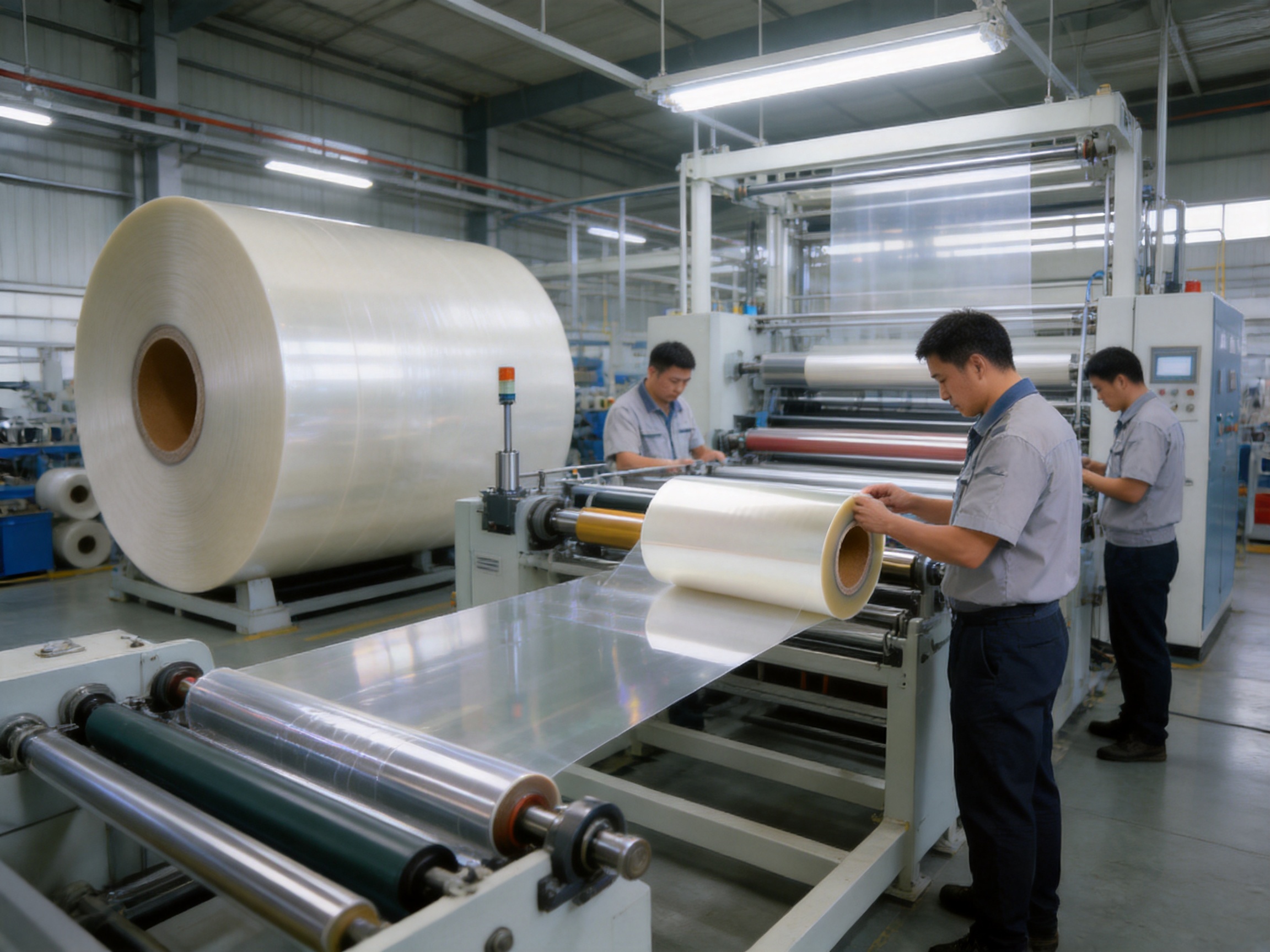
Suzhou Piaozhihua Composite Material Technology Co., Ltd. specializes in high-grade self-adhesive label materials and integrates research and development, production, sales, and after-sales services.
The company operates a full range of production lines, including gluing, laminating, and cutting, allowing it to control product quality from material construction to finished rolls and sheets.
With an annual production capacity of more than 280 million square meters, the company has the scale required to support stable supply for domestic and international customers.
Its more than 20 years of OEM manufacturing experience also enables it to provide customized solutions for customers with specific processing, printing, or application needs.
Precision Adhesive Coating
Adhesive coating is one of the most critical steps in self-adhesive material production.
The adhesive layer must be uniform, stable, and compatible with both the face material and the release liner.
If the adhesive coating is uneven, labels may show bubbles, streaks, weak adhesion, excessive tack, or inconsistent release behavior.
Advanced coating equipment helps maintain controlled adhesive thickness across the web width and throughout long production runs.
For transparent labels, coating quality is especially important because defects may be visible through the clear film.
A high-grade transparent label material must therefore minimize coating marks, adhesive haze, contamination, and surface irregularities.
Laminating Control
After adhesive coating, the face material and liner must be laminated with accurate tension control.
If web tension is unstable, the final material may curl, wrinkle, telescope, or show poor flatness.
Transparent PET liner helps support stable lamination because of its strength and dimensional consistency.
During lamination, the material must maintain smooth contact between layers without trapped air or uneven pressure.
This is especially important for transparent PVC constructions, where visible clarity and surface quality affect the final appearance of the label.
Slitting and Cutting Accuracy
Label converters often require jumbo rolls, narrow rolls, or sheets in specific sizes.
Accurate slitting and cutting help reduce downstream waste and improve production efficiency.
The company’s cutting capabilities support standard and customized formats, including large jumbo roll widths and sheet sizes used in printing and converting.
Clean edges are important because rough roll edges may cause dust, web breaks, feeding problems, or poor label registration.
Precise sheeting is also valuable for customers who use flatbed printing, screen printing, digital printing, or other sheet-fed processes.
Quality Testing and Inspection
Consistent product quality requires systematic testing.
The company maintains its own testing laboratory and advanced inspection equipment to ensure that materials meet performance expectations.
Testing may include adhesive peel performance, release force, coating uniformity, thickness, appearance, surface quality, tensile behavior, and print compatibility evaluation according to customer and application needs.
For transparent materials, visual inspection is particularly important because haze, particles, scratches, or coating lines may affect label appearance.
Quality control before shipment helps customers reduce risk in printing, die-cutting, labeling, and final packaging operations.
Competitive Advantages for Converters and Brand Owners
High Transparency with Practical Convertibility
Some transparent label films provide attractive clarity but are difficult to process because of curling, static, weak liner strength, or unstable release.
This product addresses those challenges by combining a transparent PVC face film with a clear PET liner that supports processing stability.
For converters, this means improved control during printing, die-cutting, waste stripping, and rewinding.
For brand owners, it means a label that can deliver premium appearance while still being practical for industrial production.
Broad Specification Range
Competitors may offer only one or two fixed material structures, forcing customers to compromise between appearance, cost, adhesion, and processing performance.
This product family offers multiple face film thicknesses, adhesive types, liner materials, roll widths, and sheet sizes.
That flexibility allows customers to select a construction that matches the final application more precisely.
For example, a thin transparent PVC film may be suitable for flexible packaging labels, while a thicker film may be chosen for applications requiring higher stiffness, stronger handling resistance, or special durability.
OEM and ODM Support
Customers often need more than a standard catalog material.
They may require special adhesive performance, unique liner release values, customized roll dimensions, specific packaging methods, or tailored converting characteristics.
The company accepts OEM and ODM services and can produce products based on customer drawings or samples.
This capability is valuable for distributors, label converters, packaging suppliers, and international customers who require private specifications or customized supply programs.
Reliable Production Capacity
Supply reliability is a major concern in label material procurement.
A packaging project can be delayed if material availability is unstable, especially when brand owners operate strict launch schedules or seasonal promotions.
With large annual capacity and established production lines, the company can support continuous orders, repeat specifications, and long-term cooperation.
This scale helps customers reduce supply uncertainty and build more stable inventory planning.
Global Market Experience
The company has developed marketing networks in many countries and regions, including markets in Asia, Europe, the Americas, Africa, and the Middle East.
International experience helps the manufacturer understand diverse packaging standards, climate conditions, logistics requirements, and customer expectations.
For overseas buyers, this experience is important because export packaging, shipping durability, documentation, and communication all affect the purchasing experience.
Printing and Converting Considerations
Transparent PVC with a clear PET liner can be used in a variety of printing and converting workflows, but each project should be matched with suitable inks, curing conditions, press settings, and adhesive selection.
Because the face film is transparent, designers should consider the background color of the package when selecting ink colors.
White ink is often used as a backing layer when opaque graphics are required on transparent labels.
Clear varnish, matte varnish, metallic effects, foil, screen white, and spot coating may also be used to enhance shelf impact.
Printers should evaluate ink adhesion, drying or curing performance, scratch resistance, and final appearance before mass production.
The liner’s release behavior should be matched with the die-cutting and dispensing equipment to avoid label lifting, waste stripping failure, or dispensing inconsistency.
For automatic labeling, it is recommended to test label size, liner thickness, roll direction, adhesive tack, application speed, and container surface condition before full-scale launch.
Adhesive Selection Guide
Water-Based Adhesive
Water-based adhesive is a common choice for general-purpose self-adhesive label applications.
It provides good processability and is often preferred when customers want a balanced adhesive solution.
It can be suitable for many smooth surfaces, including plastic, glass, and coated packaging substrates, depending on the final formulation and testing results.
Hotmelt Adhesive
Hotmelt adhesive is often selected when higher initial tack is required.
It can be useful for surfaces that require fast bonding after application.
However, hotmelt systems should be evaluated for temperature resistance, clarity, and application environment, especially when used with transparent labels.
Solvent Adhesive
Solvent adhesive may be selected for applications requiring stronger performance, better resistance, or more demanding bonding conditions.
It can offer strong adhesion on certain surfaces, but end-use compliance and processing requirements should be reviewed carefully.
Removable Adhesive
Removable adhesive is designed for labels that need to be removed without leaving heavy residue or damaging the substrate.
It is suitable for temporary promotions, reusable packaging, point-of-sale information, and applications where label removal is part of the product experience.
Anti-Freeze and Cryogenic Adhesives
Anti-freeze and cryogenic adhesives are suitable for low-temperature applications.
They may be used when labels must be applied, stored, or used in cold environments.
Cold-chain packaging, refrigerated beverages, and low-temperature logistics may require this type of adhesive performance.
Tyre-Grade Rubber Adhesive
Tyre-grade rubber adhesive is available for demanding surfaces where ordinary adhesives may fail.
It is designed to provide strong tack on difficult substrates, including rougher or lower-energy surfaces.
Customers should perform application testing to confirm suitability for the specific material and environment.
Liner Options and Their Practical Value
The standard clear PET liner is ideal for customers who require high transparency, dimensional stability, and smooth release.
However, the product can also be supplied with different liner systems to support diverse operational needs.
Glassine paper liners are widely used in label converting because they provide good smoothness and are compatible with many printing and automatic labeling processes.
Release paper can be selected for applications where cost efficiency and general release performance are priorities.
Art paper liners may provide additional stiffness and handling convenience in some sheet applications.
CCK liners are known for stability and may be used where higher liner performance is needed in certain constructions.
Transparent PET liners in different thicknesses, such as 25 micron, 50 micron, and 100 micron, provide options for different converting and dispensing requirements.
The ability to choose between these liners helps customers balance cost, performance, clarity, and machine compatibility.
Packaging and Delivery Strength
Material quality can be affected by transport conditions if packaging is not properly designed.
This product can be packed in sea-transit-worthy poly-wood pallet packaging and carton packaging, depending on whether the material is supplied in rolls or sheets.
For sheet products, 100 sheets per ream can be packed with a strong PE-coated kraft paper wrapper.
Pallets are wrapped with stretch film and fastened with plastic fastening belts to improve stability during storage and transportation.
Secure packaging is particularly important for transparent materials because scratches, dents, dust, moisture, and roll deformation can affect appearance and processing performance.
Export-ready packaging helps customers receive materials in good condition and reduces risk during long-distance shipping.
Sustainability and Responsible Development
Packaging markets increasingly require materials that support sustainable development and responsible manufacturing.
The company’s brand positioning focuses on sustainable development and environmental protection, including the development of eco-friendly solutions involving face materials, adhesives, and backing papers.
For transparent PVC adhesive film, sustainability considerations may include optimizing material thickness, reducing production waste, improving coating efficiency, selecting appropriate adhesives, and supporting efficient converting with fewer rejects.
Although PVC materials must be evaluated according to each customer’s environmental policy and regional regulations, responsible manufacturing can still reduce waste and improve total material utilization.
Customers seeking sustainable label solutions can work with the manufacturer to evaluate alternative constructions, adhesive systems, backing materials, and process improvements according to their specific product requirements.
Design Recommendations for Transparent Labels
Designing for transparent labels requires different thinking from designing for white paper labels.
Because the label background is clear, the container color and contents will influence the final printed appearance.
Dark liquids, colored bottles, and textured surfaces can change how printed colors appear.
Designers should use white ink layers when they need strong opacity or color consistency.
Small text, barcodes, and regulatory information should be tested for readability on the final container.
Gloss, matte, and selective varnish effects can be used to create contrast between printed and unprinted areas.
Edge visibility should also be considered, especially on curved containers where the label edge may catch light.
A well-designed transparent label balances clarity, readability, branding, and production feasibility.
Recommended Storage and Handling
Self-adhesive materials should be stored in a clean, dry, and stable environment.
Excessive humidity, heat, direct sunlight, dust, or pressure may affect adhesive performance, liner release, film flatness, and printing quality.
Rolls should be stored in their original packaging until use whenever possible.
Materials should be conditioned to the printing room environment before processing, especially if they have been transported through very hot, cold, or humid conditions.
Operators should avoid touching the adhesive surface and should keep the face film clean to prevent fingerprints, particles, or contamination.
For sheet materials, flat storage is recommended to reduce curling or edge damage.
Proper handling helps preserve the visual quality and converting performance of transparent PVC label material.
How This Material Helps Reduce Production Risk
Production risk in label converting can arise from many sources, including unstable coating, inconsistent release force, poor film flatness, weak ink anchorage, adhesive failure, and transportation damage.
Transparent PVC with clear PET liner reduces many of these risks through a combination of stable material structure, controlled manufacturing, and customizable specifications.
The PET liner supports accurate die-cutting and consistent release.
The coated PVC surface supports printing performance.
The adhesive options allow the construction to be matched with different substrates and conditions.
The manufacturer’s laboratory and inspection systems support quality control before shipment.
The packaging method protects material quality during delivery.
Together, these factors help converters improve production efficiency and help brand owners achieve consistent label appearance.
Company Strengths Supporting Long-Term Cooperation
Suzhou Piaozhihua Composite Material Technology Co., Ltd. has developed into a strong manufacturer of self-adhesive label materials with a complete service system.
The company integrates research and development, production, sales, and after-sales service, enabling customers to receive technical support throughout the purchasing and application process.
Its product range includes self-adhesive paper, self-adhesive film, special label materials, and silicone release paper.
With production lines covering gluing, laminating, and cutting, the company can provide a broad range of customized self-adhesive material solutions.
Its annual production capacity of more than 280 million square meters demonstrates the scale needed to serve large customers and long-term supply programs.
The company’s experience of more than 20 years in OEM manufacturing helps it understand how to convert customer requirements into practical product specifications.
Its R&D team, patents, testing laboratory, and inspection equipment support continuous innovation and product quality improvement.
Its sales network in China and international market presence help support customers in many regions.
The company’s values of quality, integrity, innovation, win-win cooperation, and responsibility form a foundation for stable business partnerships.
Frequently Asked Questions
What is transparent PVC adhesive film with clear PET liner used for?
It is used for high-clarity self-adhesive labels, especially no-label-look labels for beverages, cosmetics, daily chemical products, building materials, and general packaging applications.
What is the standard material structure?
The standard structure includes 50 micron transparent PVC face material, water-based adhesive, and 36 micron transparent PET liner.
Can the face film thickness be customized?
Yes. Available PVC thickness options include 80 micron, 100 micron, 150 micron, and 260 micron, in addition to the standard 50 micron film.
What adhesive types are available?
Available adhesive options include water-based adhesive, hotmelt adhesive, solvent adhesive, removable adhesive, anti-freeze adhesive, cryogenic adhesive, and tyre-grade rubber adhesive.
Why choose a clear PET liner instead of ordinary paper liner?
A clear PET liner provides excellent transparency, dimensional stability, smooth release, and improved processing consistency, especially for high-quality transparent labels.
Is the material suitable for food or drug storage?
The product is generally not intended for direct food or drug storage. It is widely used in building materials, packaging, beverages, cosmetics, daily chemical products, and other label applications. Specific compliance should be confirmed through testing and regulatory review for each end use.
Can it be supplied in sheets as well as rolls?
Yes. It can be supplied in jumbo rolls, customized roll sizes, and sheet sizes such as A4, A3, 20 x 30, 21 x 30, 24 x 36, 50 cm x 70 cm, and 70 cm x 100 cm.
What printing methods can be used?
The surface can be specially coated to suit a variety of printing methods. Customers should test ink adhesion, curing, color performance, and final label appearance before mass production.
What makes this material better than ordinary paper labels?
Compared with ordinary paper labels, transparent PVC provides a premium clear appearance, better moisture resistance, stronger durability, and a more modern no-label-look effect.
What makes the manufacturer suitable for OEM and ODM cooperation?
The manufacturer has more than 20 years of OEM experience, complete production lines, strong R&D capabilities, a testing laboratory, advanced inspection equipment, large production capacity, and the ability to produce according to customer drawings or samples.
Conclusion
Transparent PVC adhesive film with a clear PET liner is a high-value material for customers who require excellent transparency, attractive label appearance, stable converting performance, and customizable adhesive and liner options.
Its no-label-look effect makes it especially suitable for beverage, cosmetic, personal care, daily chemical, and premium packaging applications.
The transparent PVC face film provides visual clarity and durability, while the clear PET liner supports dimensional stability, smooth release, and accurate processing.
Compared with ordinary label materials, this construction offers stronger design flexibility, better moisture resistance, enhanced shelf appeal, and broader customization potential.
Behind the material is a manufacturer with complete gluing, laminating, and cutting capabilities, large-scale production capacity, more than 20 years of OEM experience, professional R&D support, and quality inspection systems.
For printers, converters, distributors, and brand owners seeking a transparent self-adhesive label material that combines appearance with practical manufacturing performance, transparent PVC with clear PET liner is a dependable and competitive choice.
References
1. Handbook of Pressure-Sensitive Adhesive Technology, edited by Donatas Satas.
2. Label and Narrow Web Printing Technology, industry technical literature on self-adhesive label materials and converting processes.
3. Pressure-Sensitive Design and Formulation Guide, technical references on adhesive selection and label performance.
4. Packaging Materials and Processing Principles, academic and industrial references on polymer films, liners, coating, and lamination.
5. Technical data and product specification materials for transparent PVC self-adhesive film constructions, release liners, and label converting applications.