
 English
 Español
 русский
 Français
 عربى
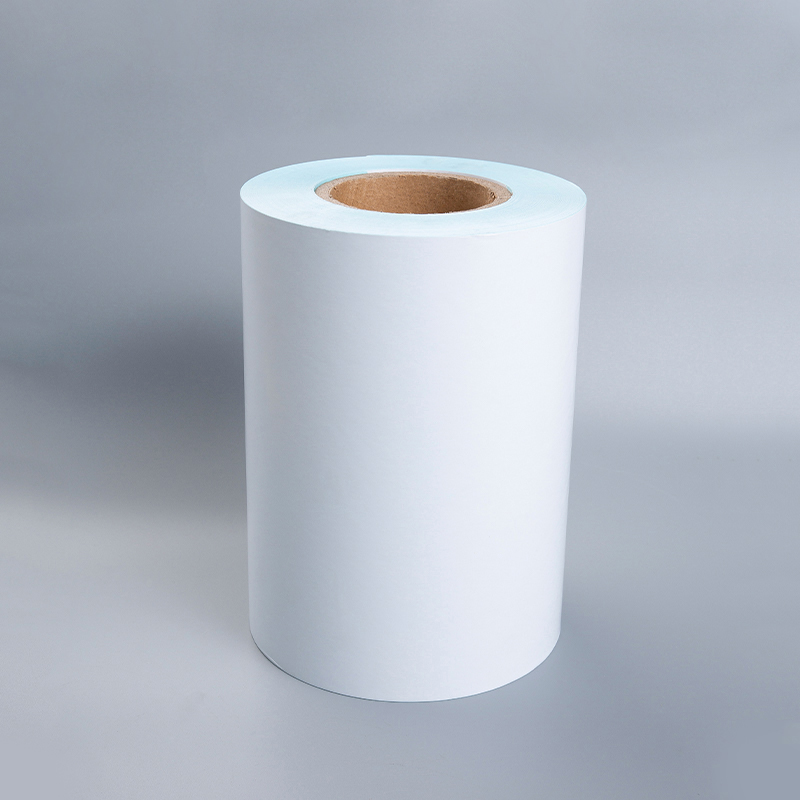
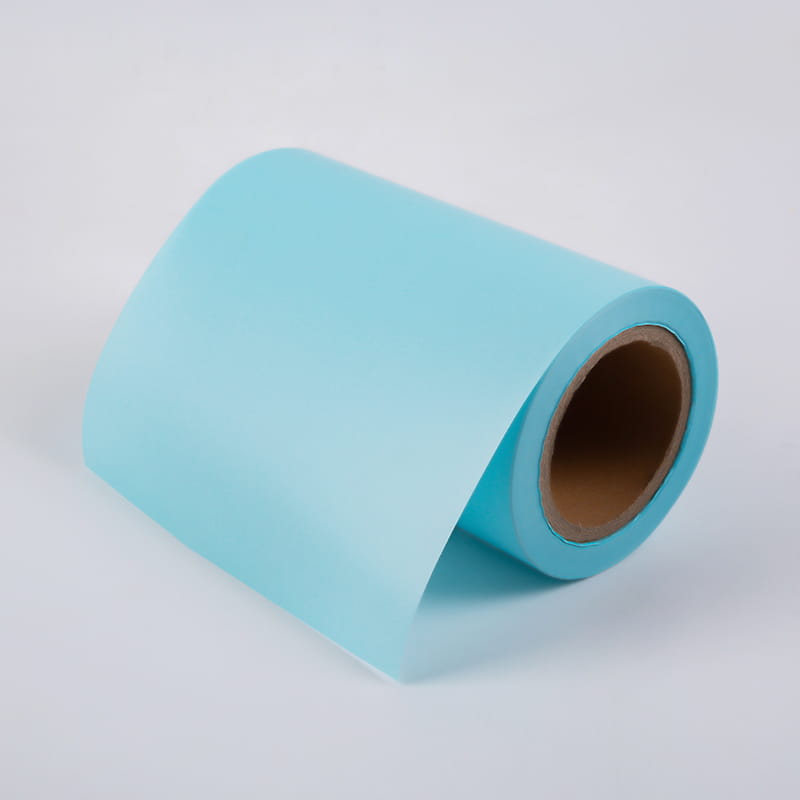
عربىBlue glassine paper is a high-performance release base material designed for self-adhesive labels, tapes, industrial adhesive products, packaging applications, and precision die-cutting operations. With its dense fiber structure, smooth surface, high translucency, moisture resistance, oil resistance, and excellent stripping performance, it provides a reliable foundation for adhesive systems that demand clean release, dimensional stability, and consistent converting efficiency.
In modern label manufacturing and adhesive product processing, release materials are not simply supporting layers. They influence coating uniformity, cutting accuracy, label dispensing speed, adhesive protection, storage stability, and the final user experience. Blue glassine paper is especially valued because its distinctive color improves visual identification during production, inspection, and automatic labeling, while its technical characteristics support high-speed rotary die-cutting, flat-bed die-cutting, slitting, laminating, and sheet conversion.
This article introduces the structure, properties, applications, production advantages, packaging options, and purchasing considerations of blue glassine paper. It also explains how advanced manufacturing capabilities, strict quality control, and extensive OEM and ODM experience help create a more dependable product for label converters, packaging suppliers, tape manufacturers, and industrial users.
Content
- 1 Product Overview
- 2 Key Material Characteristics
- 3 Technical Specification Table
- 4 Advantages Over Ordinary Release Base Papers
- 5 Why Blue Glassine Paper Performs Well in Die-Cutting
- 6 Applications in Labels and Self-Adhesive Materials
- 7 Applications in Tape and Industrial Adhesive Products
- 8 Packaging, Delivery, and Storage Readiness
- 9 Advanced Manufacturing Strength Behind the Product
- 10 Quality Control for Consistent Release Performance
- 11 Customization for Different Production Needs
- 12 Sustainability and Responsible Material Development
- 13 How Blue Glassine Paper Supports High-Speed Automatic Labeling
- 14 Comparison With Film Release Liners
- 15 Industries That Benefit From Blue Glassine Paper
- 16 Purchasing Considerations
- 17 Company Strengths Supporting Global Supply
- 18 Practical Performance Benefits for Converters
- 19 Common Problems Solved by High-Quality Blue Glassine Paper
- 20 Frequently Asked Questions
- 20.1 What is blue glassine paper mainly used for?
- 20.2 What makes blue glassine paper different from ordinary paper?
- 20.3 Why is the paper blue?
- 20.4 Which grammages are available?
- 20.5 Can the size be customized?
- 20.6 Is blue glassine paper suitable for high-speed die-cutting?
- 20.7 Can it be used for double-sided tape?
- 20.8 How should the material be stored?
- 20.9 What packaging options are available?
- 20.10 Why choose a manufacturer with OEM and ODM capability?
- 21 Conclusion
- 22 References
- 23 Product: Blue Glassine Paper
Product Overview
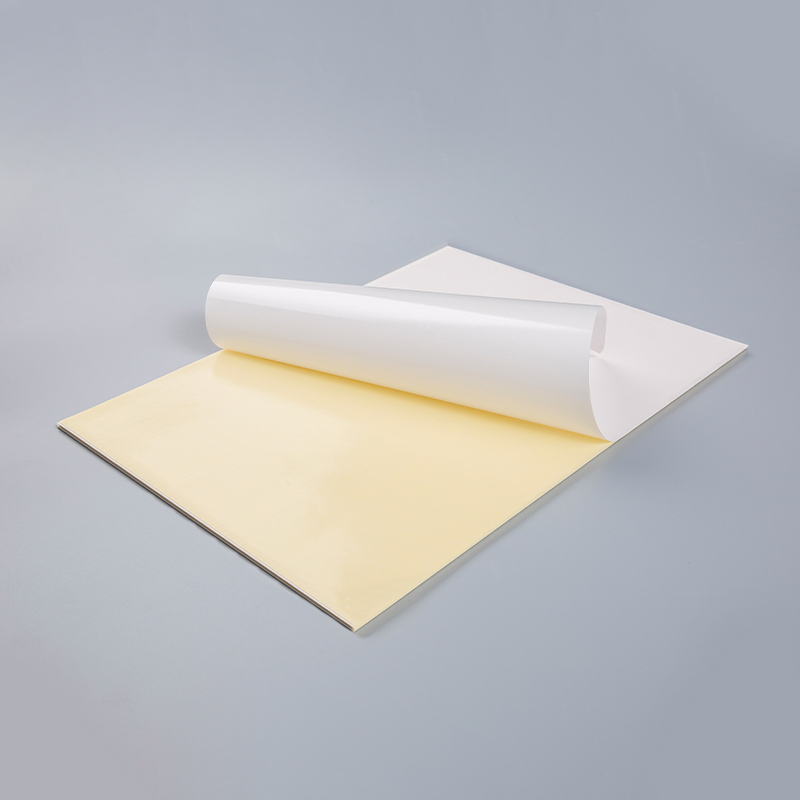
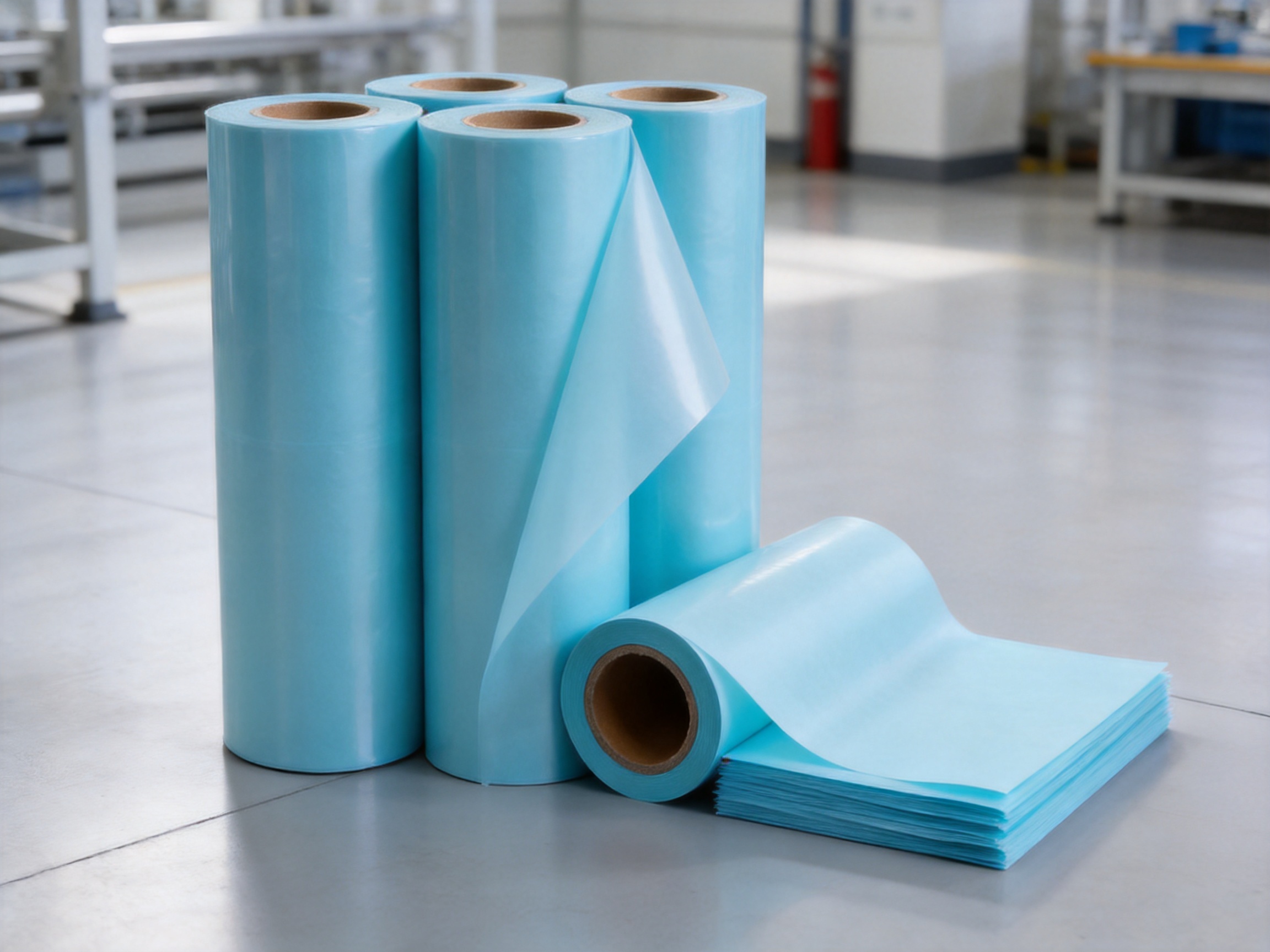
Blue glassine paper is a dense, smooth, and highly refined paper material commonly used as a release liner after silicone coating or as a base paper for label and adhesive applications. The paper is produced from carefully processed fibers and calendered to achieve high density, excellent surface smoothness, and controlled transparency. Its blue color helps distinguish it from white, yellow, or other release liners, making it easier for operators to identify rolls, sheets, production batches, and application sides during processing.
The product is available in multiple basis weights, including 50 g, 60 g, 80 g, 100 g, and 120 g options. These grammages allow customers to choose the most appropriate liner strength, stiffness, and converting performance for different adhesive products. Lightweight grades are suitable for economical label materials and flexible applications, while heavier grades provide stronger mechanical support for demanding die-cutting, larger labels, industrial tapes, or specialty release uses.
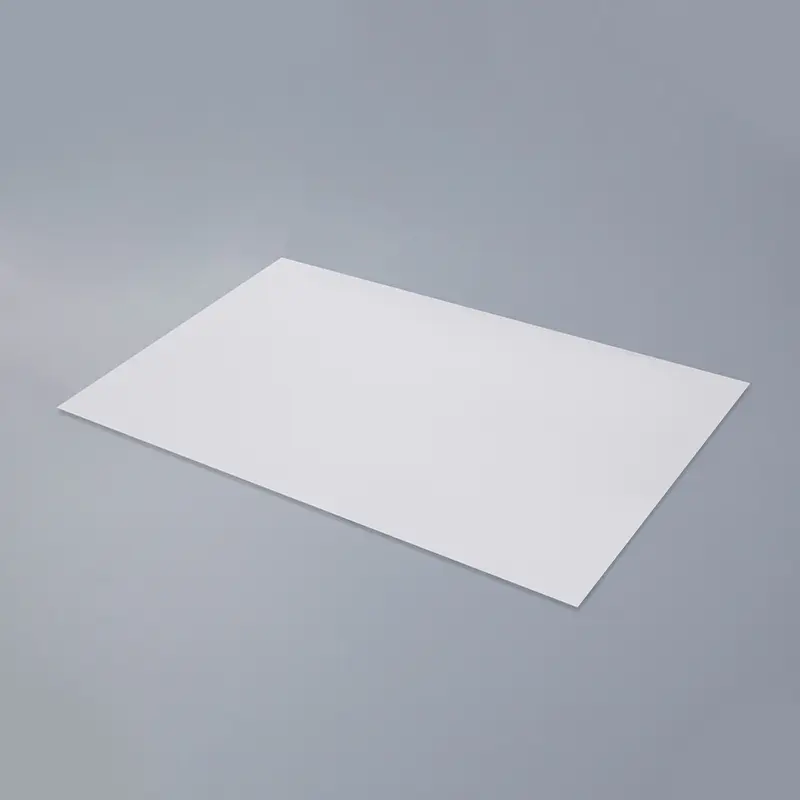
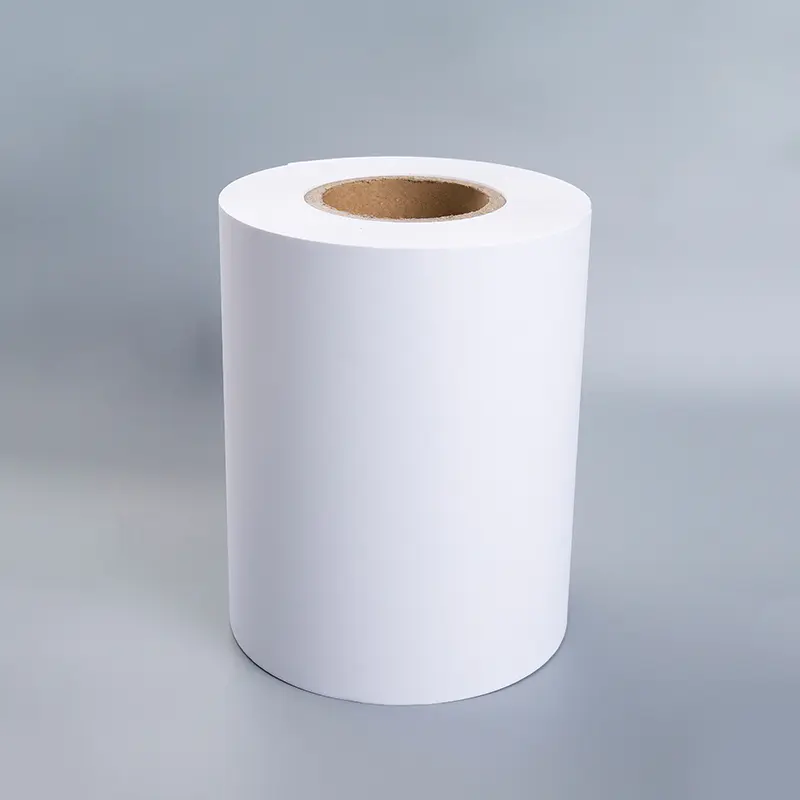
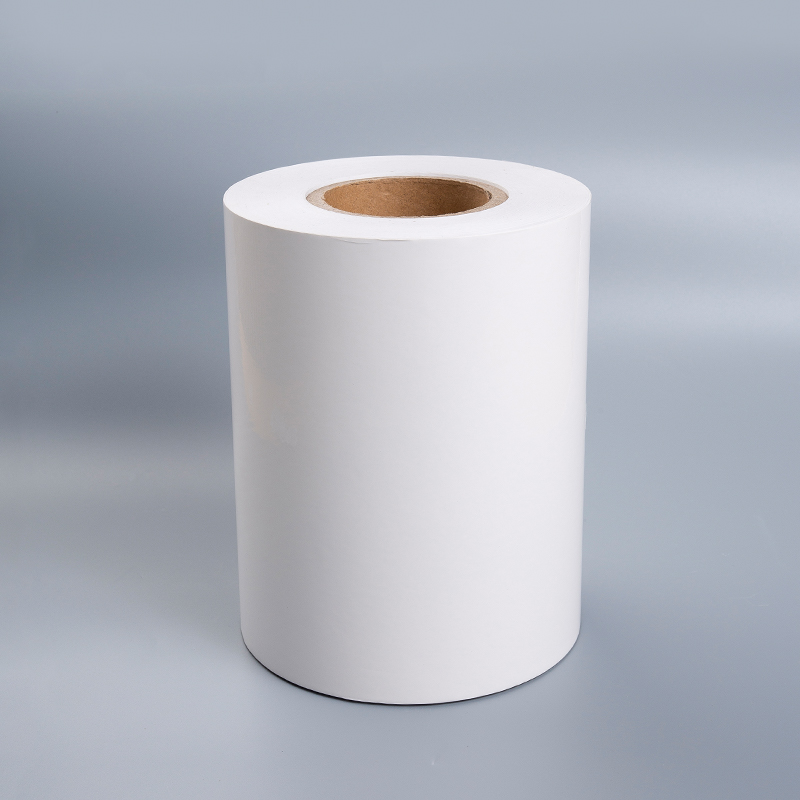
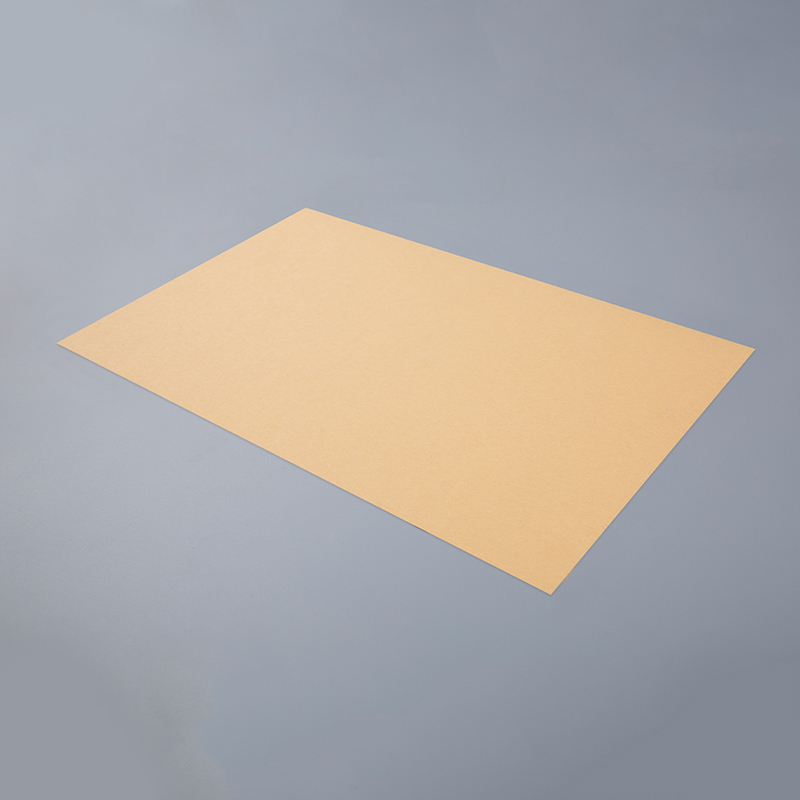
Standard jumbo roll widths include 1000 mm, 1020 mm, 1080 mm, and 1530 mm. Sheet sizes such as A4, A3, 20 x 30, 21 x 30, 24 x 36, 50 cm x 70 cm, and 70 cm x 100 cm are also available, and customized dimensions can be supplied according to production requirements. This flexibility makes the material suitable for roll-to-roll processing, sheet-fed conversion, printing preparation, packaging, and distribution in both industrial and commercial formats.
Blue glassine paper is widely applied in high-speed automatic labeling, special tapes, double-sided tapes, barcode labels, self-adhesive labels, and other release applications. It is also used in food, medicine, logistics, retail, electronic component packaging, and industrial product identification fields where clean separation from adhesive surfaces is required.
Key Material Characteristics
The performance of blue glassine paper comes from a combination of paper formation, fiber refinement, surface finishing, and release compatibility. A uniform paper texture reduces local weak points and supports stable coating. Strong translucency allows easier inspection of the adhesive layer or printed information in certain converting processes. High temperature resistance helps maintain performance during drying, laminating, curing, or storage in warmer environments. Moisture resistance and oil resistance help protect the liner during packaging, handling, and end-use conditions.
One of the most important characteristics of glassine paper is its smooth surface. A smooth and dense surface helps silicone or other release coatings spread evenly, which is essential for stable release force. If a liner has excessive porosity, uneven texture, or poor surface consistency, silicone consumption may increase and release performance may become unstable. Blue glassine paper provides a more controlled base, reducing the risk of inconsistent stripping, adhesive transfer, or residue after peeling.
Clean release is a central requirement. When adhesive labels or tapes are removed from the liner, the adhesive should stay on the face material or tape carrier rather than leaving residue on the release paper. Good glassine paper helps maintain this separation. For converters, this means fewer production interruptions, fewer rejected rolls, better label dispensing, and more predictable automatic labeling performance.
Dimensional stability is another advantage. During high-speed rotary die-cutting and flat-bed die-cutting, the liner must remain stable under web tension and cutting pressure. If the paper stretches, curls, tears, or varies in thickness, the die-cutting result may be inaccurate. A well-made blue glassine liner supports clean cuts, stable waste stripping, and reliable rewinding, especially for barcode labels, small labels, and complex label shapes.
Technical Specification Table
Item |
Specification |
Practical Benefit |
Material |
Glassine paper |
Dense, smooth, translucent base suitable for release applications |
Available Grammage |
50 g, 60 g, 80 g, 100 g, 120 g |
Supports different stiffness, strength, and cost requirements |
Standard Color |
Blue |
Improves identification, inspection, and production control |
Optional Colors |
White and yellow available |
Allows selection according to brand, process, or application needs |
Jumbo Roll Width |
1000 mm, 1020 mm, 1080 mm, 1530 mm |
Compatible with common coating, laminating, and slitting lines |
Sheet Size |
A4, A3, 20 x 30, 21 x 30, 24 x 36, 50 cm x 70 cm, 70 cm x 100 cm |
Suitable for sheet-fed use, sampling, packaging, and custom processing |
Customization |
Roll and sheet dimensions can be customized |
Reduces waste and improves production matching |
Main Applications |
Labels, self-adhesive materials, tapes, double-sided tapes, barcode labels |
Delivers clean release and stable converting performance |
Advantages Over Ordinary Release Base Papers
Compared with ordinary paper liners, blue glassine paper offers a more refined and compact structure. Ordinary release base papers may have rougher surfaces, lower density, or more variable porosity. These differences can lead to uneven silicone absorption, inconsistent release force, higher coating consumption, and weaker die-cutting stability. Blue glassine paper is engineered to provide a smoother and more uniform foundation, making it more suitable for demanding label and adhesive applications.
For high-speed label converting, small variations can create large problems. A slight difference in thickness may cause die pressure instability. A rough surface may create release variation. Poor tensile strength may cause web breaks. Insufficient moisture resistance may cause curling or dimensional changes. Blue glassine paper addresses these issues by combining surface smoothness, stable formation, and reliable mechanical strength.
Color is also a practical advantage. The blue shade helps operators quickly distinguish liner types on production floors where many materials may look similar. It can assist in visual inspection, simplify material tracking, and reduce the risk of selecting the wrong release liner. In automated operations, clearer differentiation can support better process organization and fewer handling errors.
Another competitive advantage is versatility. Because the product can be supplied in several grammages and sizes, it can support different market segments without requiring customers to redesign their entire process. A converter can use lighter blue glassine for standard labels, heavier grades for industrial tapes, and customized sheets for special packaging or sampling. This versatility reduces procurement complexity and helps customers respond to varied orders.
Clean stripping performance is a major differentiator. Many adhesive products fail not because the adhesive is poor, but because the release interface is unstable. A liner that releases too easily can cause premature lifting, while a liner that releases too tightly can slow labeling or damage labels. Blue glassine paper provides a dependable base for controlled release, helping adhesive manufacturers and label converters achieve a better balance between storage security and easy dispensing.
Why Blue Glassine Paper Performs Well in Die-Cutting
Die-cutting is one of the most demanding stages in label production. During rotary or flat-bed die-cutting, the blade must cut through the face material and adhesive while leaving the liner intact. If the liner is too weak, the blade may cut too deeply, causing liner breakage. If the liner surface is uneven, cutting depth may vary across the web. If release performance is unstable, matrix stripping may fail or labels may lift during waste removal.
Blue glassine paper supports precise die-cutting because of its dense surface and stable structure. The smooth surface allows more predictable blade contact, while the paper strength helps resist tearing during matrix stripping. This is especially useful for small barcode labels, narrow labels, pharmaceutical labels, and multi-shape layouts where the waste matrix is thin and difficult to remove.
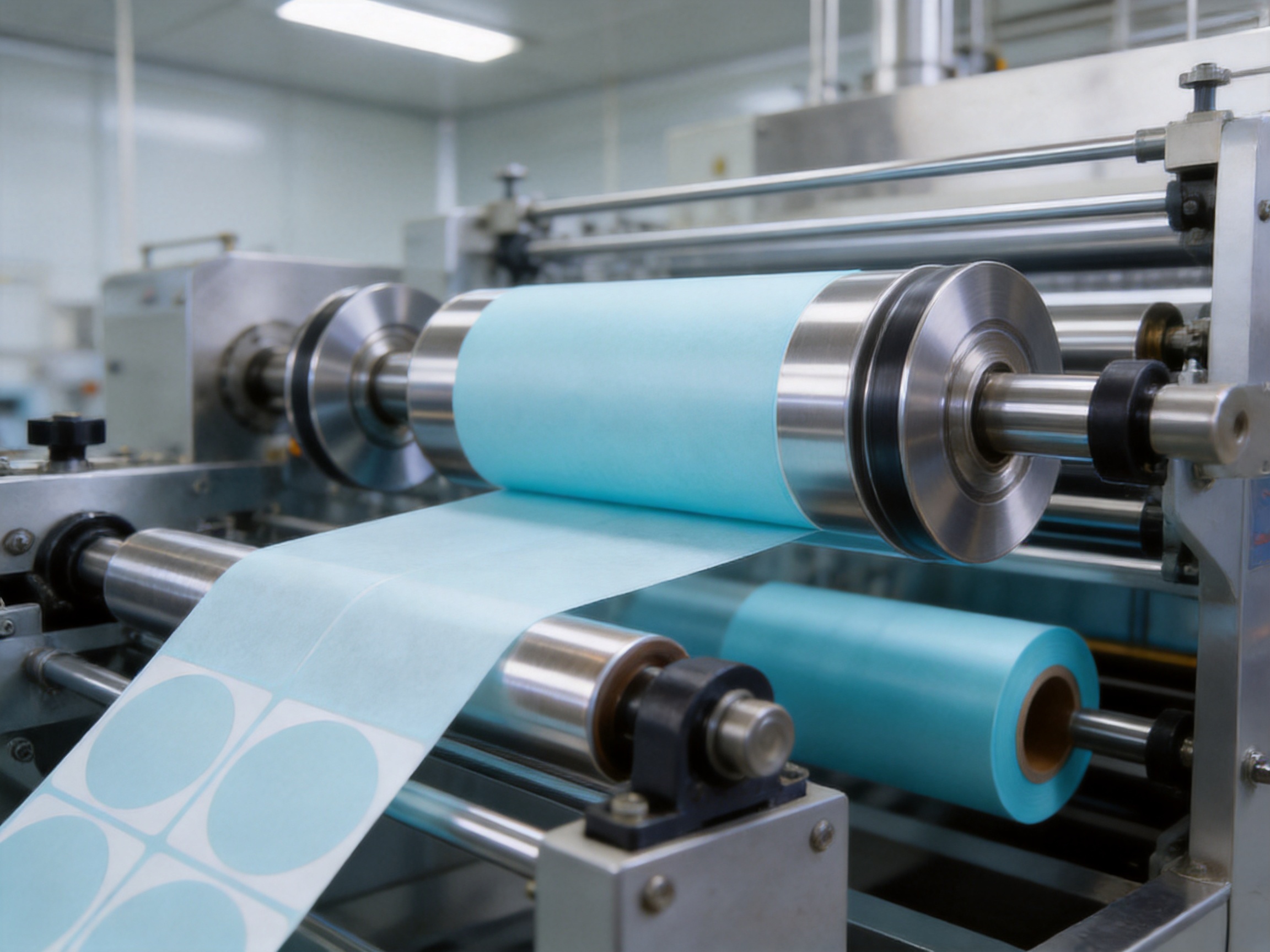
For rotary die-cutting, web speed and tension create additional requirements. The release liner must pass through rollers, cutting cylinders, inspection units, and rewind stations without excessive stretching or wrinkling. Blue glassine paper helps maintain stable web movement, contributing to better registration and cleaner edges. For flat-bed die-cutting, the material must withstand repeated pressure without crushing or delaminating. Its refined structure makes it a strong choice for both processes.
In production environments, fewer web breaks and cleaner waste stripping directly improve efficiency. Every web break requires machine stoppage, rethreading, inspection, and possible waste disposal. A stable liner reduces downtime and helps converters deliver orders faster. This is one reason blue glassine paper is often selected for high-speed automatic labeling and industrial adhesive product manufacturing.
Applications in Labels and Self-Adhesive Materials
Blue glassine paper is commonly used in the self-adhesive label industry. It can serve as a liner for paper labels, film labels, thermal labels, barcode labels, logistics labels, retail labels, and other pressure-sensitive label materials. When combined with appropriate adhesives and face stocks, it helps protect the adhesive until the label is applied, then releases smoothly during dispensing.
In barcode label production, release liner stability is particularly important. Barcode labels often require clean edges, accurate dimensions, and consistent peel behavior for printer compatibility and scanning performance. If the liner curls or releases unevenly, labels may jam in printers or fail to dispense properly. Blue glassine paper provides the dimensional control and clean release needed for these applications.
For pharmaceutical and medical packaging labels, reliability is even more critical. Labels may be applied at high speed to bottles, cartons, blister packaging, or medical devices. The liner must support precise dispensing and maintain adhesive cleanliness. Blue glassine paper, with its moisture resistance and clean stripping properties, is well suited for these controlled packaging environments.
In food packaging, label materials may encounter refrigeration, oil contact, moisture, or rapid temperature changes. While the face material and adhesive determine much of the label’s final performance, the liner must protect the adhesive before application. Blue glassine paper helps preserve adhesive quality and allows labels to be applied efficiently in production lines.
Retail and logistics labels also benefit from stable release. High-volume warehouses and packaging centers rely on fast printing and labeling. A liner that causes printer jams, label lifting, or uneven dispensing can disrupt operations. Blue glassine paper helps reduce these risks through smooth surface quality, stable thickness, and controlled release behavior.
Applications in Tape and Industrial Adhesive Products
Beyond labels, blue glassine paper is suitable for special tape, double-sided tape, and other sticky industrial products. In tape manufacturing, the release liner must separate cleanly from adhesives that may be aggressive, thick, soft, or pressure-sensitive. A dependable glassine liner helps protect the adhesive and allows end users to remove the liner without tearing or leaving residue.
Double-sided tape is a common application where liner performance matters greatly. The liner protects one adhesive side until the tape is ready for use. If the liner releases unevenly, wrinkles, or tears, application becomes difficult and product quality may be affected. Blue glassine paper provides the smoothness and strength required for controlled liner removal.
Specialty tapes used in electronics, automotive assembly, household products, construction, and industrial bonding may require liners with high dimensional stability and excellent cleanliness. Glassine paper can help reduce contamination and improve handling. The blue color may also support easier liner identification during assembly or converting.
Industrial adhesive products often require custom sizes, roll widths, and liner properties. Because blue glassine paper can be supplied in jumbo rolls and customized sheets, it can be integrated into many production systems. Manufacturers can select suitable grammage according to adhesive strength, converting speed, and end-use handling requirements.
Packaging, Delivery, and Storage Readiness
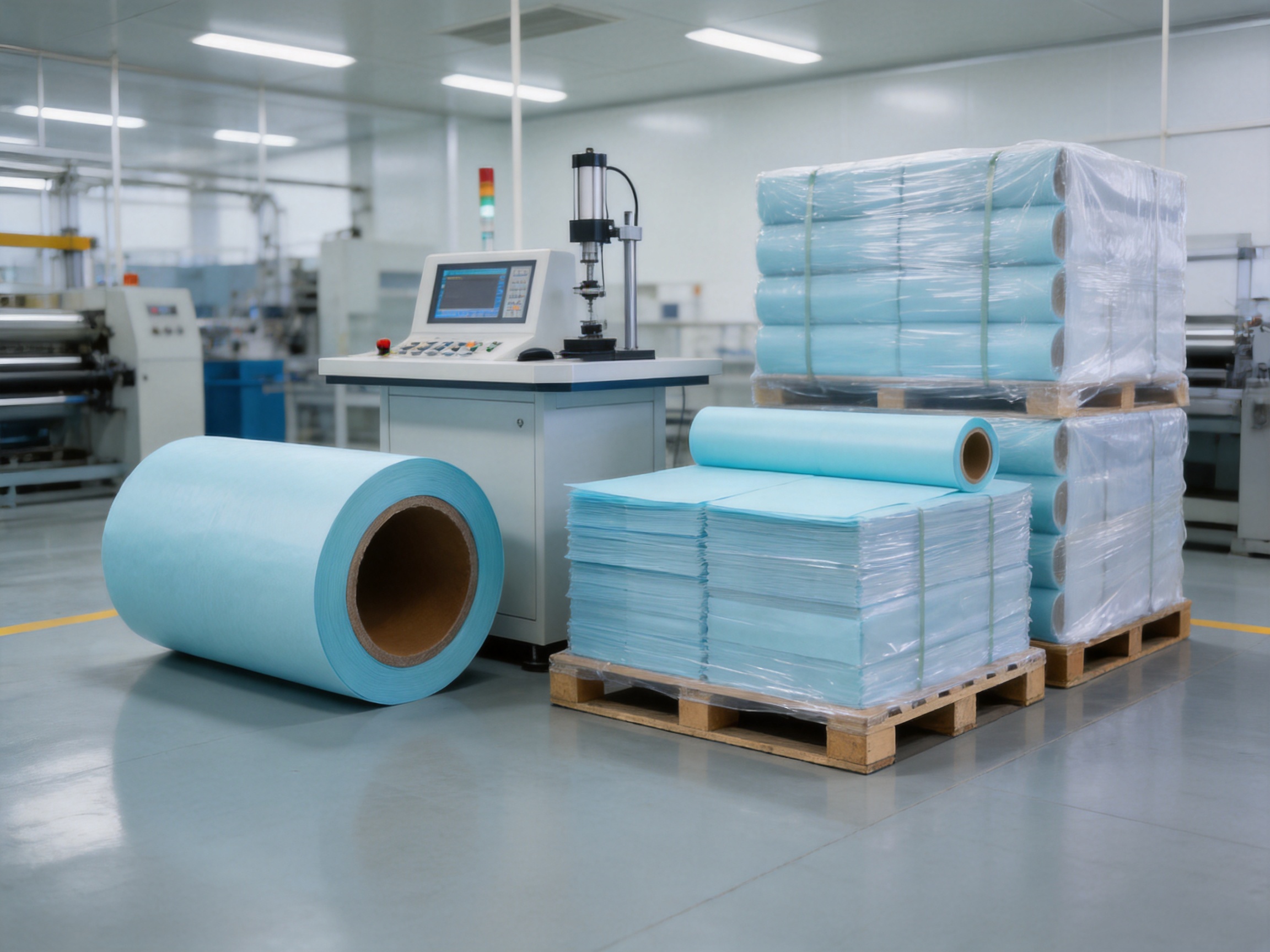
Professional packaging is essential for preserving the quality of glassine paper. The product can be supplied in roll or sheet form, with packaging options suitable for sea transit, warehouse storage, and domestic distribution. Poly-wood pallet packing and carton packing are available according to customer requirements.
For sheet products, 100 sheets per ream can be packed with a strong PE-coated kraft paper wrapper. This type of wrapper helps protect the sheets from dust, moisture, and handling damage. Pallets are wrapped with stretch film and fastened with plastic fastening belts, providing stability during loading, transportation, and unloading.
Proper packaging helps maintain flatness, cleanliness, and dimensional stability. Glassine paper should be protected from excessive humidity, water exposure, direct sunlight, and mechanical compression. During storage, rolls should be kept upright or according to recommended handling procedures, and sheets should remain in their protective packaging until use. Controlled storage conditions help prevent curling, edge damage, and contamination.
For international buyers, sea-transit-worthy packaging is especially important. Long-distance shipping can expose materials to vibration, humidity changes, and repeated handling. Strong palletization and protective wrapping reduce the risk of damage. This ensures that customers receive material in good converting condition, reducing waste and avoiding production delays.
Advanced Manufacturing Strength Behind the Product
The performance of blue glassine paper depends not only on the base material but also on the manufacturer’s ability to control converting, coating compatibility, laminating, cutting, inspection, and packaging. Suzhou Piaozhihua Composite Material Technology Co., Ltd. specializes in high-grade self-adhesive label materials and integrates research and development, production, sales, and after-sales service. This integrated structure allows the company to understand how release liners perform within complete adhesive material systems.
The company operates full production lines including gluing, laminating, and cutting. These capabilities support comprehensive processing of self-adhesive materials, release papers, and related label products. With an annual production capacity of more than 280 million square meters, the company has the scale required to serve both large-volume orders and customized projects.
Large-scale manufacturing is important for consistency. When customers purchase release materials, they need stable quality across batches. Production scale, standardized procedures, and experienced operators help reduce variation. The company’s long-term focus on quality manufacturing provides a strong basis for reliable supply.
More than 20 years of OEM manufacturing experience gives the company practical knowledge of customer requirements across multiple industries. OEM and ODM projects often require adapting materials to specific machinery, adhesive formulas, face stocks, roll widths, packaging formats, and performance standards. This experience helps the company provide customized solutions rather than only standard products.
The company also maintains its own testing laboratory and advanced inspection equipment. Quality testing is essential because release materials must meet measurable performance requirements. Testing may include basis weight, thickness, tensile strength, moisture content, release force, surface quality, appearance, dimensional accuracy, and packaging integrity. Inspection helps identify issues before materials reach customers.
Quality Control for Consistent Release Performance
Quality control for blue glassine paper begins with material selection and continues through production, converting, inspection, packaging, and delivery. A well-controlled process reduces the risk of defects such as wrinkles, dust, uneven thickness, edge damage, color variation, poor winding, and unstable release behavior.
Basis weight control is essential. If grammage varies too much, the liner may behave differently during die-cutting and dispensing. Thickness uniformity affects blade setting and pressure distribution. Moisture content influences curl, stiffness, and dimensional stability. Surface smoothness affects silicone coating uniformity and release force. Each factor must be monitored to ensure consistent performance.
Release applications are highly sensitive to surface defects. Small particles, fiber lumps, coating spots, or scratches may create adhesive contamination or label defects. Advanced inspection equipment helps detect visual and physical irregularities. By removing or preventing defective material, the manufacturer helps customers reduce waste and maintain efficient production.
Roll quality is another critical point. A roll should be wound evenly, with stable tension and clean edges. Poor winding can cause telescoping, wrinkles, or edge crushing during transport and use. Proper slitting and rewinding ensure that the material runs smoothly on coating lines, laminators, printing presses, die-cutters, and labeling machines.
The company’s after-sales service also contributes to quality assurance. If customers encounter process questions, technical teams can help analyze potential causes such as machine tension, storage conditions, die pressure, adhesive compatibility, or liner selection. This service-oriented approach helps customers solve problems quickly and strengthen long-term cooperation.
Customization for Different Production Needs
One of the strongest advantages of blue glassine paper is its ability to be supplied in customized formats. Different customers may require different roll widths, sheet sizes, grammages, colors, packaging methods, and release performance ranges. A flexible manufacturer can provide tailored solutions that improve production efficiency and reduce waste.
For large coating lines, jumbo roll width is important. If the roll width matches the customer’s equipment and final slitting plan, material utilization improves. Standard widths such as 1000 mm, 1020 mm, 1080 mm, and 1530 mm cover many industrial systems, while customized widths can be arranged for special requirements.
For sheet users, size accuracy and flatness are important. Sheet sizes such as A4, A3, 50 cm x 70 cm, and 70 cm x 100 cm can support sample preparation, special packaging, manual assembly, and sheet-fed processing. Custom sheet dimensions can reduce trimming loss and improve workflow.
Grammage selection should match the adhesive product. A lighter liner may reduce cost and increase flexibility, but a heavier liner may offer better stiffness and strength. For small labels on high-speed dispensing systems, a suitable balance of stiffness and release force is necessary. For industrial tapes, heavier grades may improve handling and liner removal.
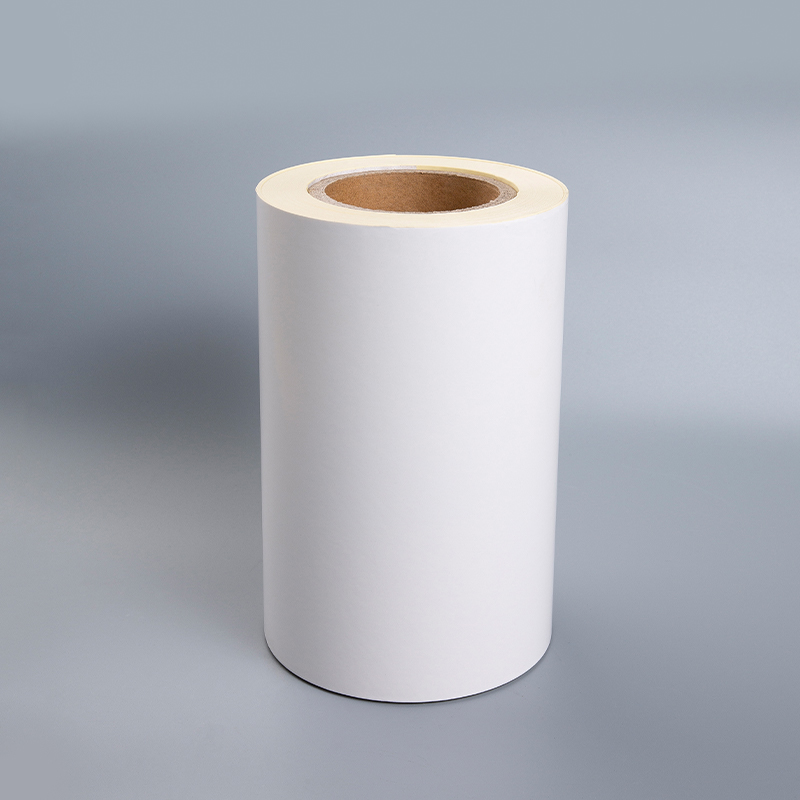
Color options such as blue, white, and yellow allow customers to choose based on visual identification, product differentiation, or internal standards. Blue is especially useful when a production line needs clear contrast or when customers want a liner that is visually distinct from standard white materials.
Sustainability and Responsible Material Development
Environmental responsibility is becoming increasingly important in the label and packaging industries. Customers are seeking materials that support sustainability goals without sacrificing performance. The company’s brand positioning emphasizes sustainable development and environmental protection, including eco-friendly solutions for face materials, adhesives, and backing papers.
Glassine paper has advantages as a paper-based release material. While release coating and adhesive systems must be considered in the overall recyclability or recovery strategy, using a refined paper base can support customers who want alternatives to some film-based liners. Paper-based liners may also offer benefits in stiffness, printability, handling, and certain waste management systems.
Sustainable development also includes production efficiency. Materials that run smoothly, reduce waste, and maintain stable quality can lower the total environmental impact of converting. Every rejected roll, web break, or defective label consumes energy, materials, and labor. By improving consistency, blue glassine paper supports more efficient production and less waste.
Customization can also contribute to sustainability. Supplying the correct roll width or sheet size reduces trimming waste. Selecting the appropriate grammage prevents over-engineering and unnecessary material consumption. Strong packaging protects the product during shipping, preventing damage-related waste.
How Blue Glassine Paper Supports High-Speed Automatic Labeling
High-speed automatic labeling requires precise coordination among label stock, adhesive, liner, machine sensors, peel plates, and product surfaces. The release liner must bend around the peel plate while allowing labels to separate cleanly. If release force is too high, labels may fail to dispense. If release force is too low, labels may detach prematurely or shift during transport.
Blue glassine paper provides a stable base for controlled release. Its smooth surface helps maintain consistent interaction with silicone release coatings, and its strength supports continuous machine operation. For production lines labeling food containers, medicine bottles, cartons, logistics packages, or consumer goods, this reliability reduces stoppages and improves output.
Automatic labeling also depends on liner stiffness. The liner must be flexible enough to travel through machine paths but stiff enough to support label separation. Different grammages allow customers to optimize this balance. For very small or thin labels, a stable liner can prevent label curling and misfeeds. For larger labels, a stronger liner can support clean peeling and accurate placement.
The blue color may also assist operators during troubleshooting and inspection. It can make liner movement easier to observe, help distinguish waste liner from other materials, and support batch identification. In complex factories where multiple label materials are used, visual management can reduce errors.
Comparison With Film Release Liners
Film liners, such as PET or PP release liners, are used in many applications, especially where high transparency, high strength, or special dimensional stability is needed. However, blue glassine paper remains highly competitive for many label and tape applications because it offers a strong balance of performance, cost efficiency, process compatibility, and handling convenience.
Compared with many film liners, glassine paper can provide excellent stiffness and a natural paper feel, which is useful in label dispensing and sheet handling. It may also be more suitable for certain die-cutting operations where the blade should stop at the liner without excessive rebound. Paper liners can be easier to process in some conventional label converting systems and may offer economic advantages for high-volume applications.
Film liners may be preferred for ultra-clear labels or applications requiring very high tear resistance, but they can also create challenges such as static buildup, different cutting behavior, or higher cost. Blue glassine paper is often selected when customers need reliable release, efficient die-cutting, good dimensional control, and practical cost performance.
The choice between paper and film liner should depend on the complete product structure. Face material, adhesive type, label size, printing method, die-cutting method, labeling speed, storage conditions, and end-use environment all matter. A manufacturer with broad experience in self-adhesive materials can help customers make the right selection.
Industries That Benefit From Blue Glassine Paper
The food packaging industry uses self-adhesive labels for ingredients, nutrition information, branding, barcodes, sealing, and traceability. Blue glassine paper supports efficient label production and application by protecting adhesives and enabling clean dispensing. Moisture and oil resistance are useful in packaging environments where labels may encounter varied conditions before application.
The pharmaceutical industry requires labeling materials that deliver accuracy, cleanliness, and dependable performance. Labels must remain legible, adhere properly, and apply consistently to containers or cartons. A stable release liner helps keep automatic labeling lines running and supports product traceability.
The logistics and retail industries require high-volume barcode labels, shipping labels, inventory labels, and price labels. These labels must feed through printers and dispensing systems without jamming. Blue glassine paper provides smooth release and stable handling for these fast-moving applications.
Electronics and industrial manufacturing use tapes, insulation materials, component labels, warning labels, and assembly aids. Release liners must protect adhesives until the exact moment of use. Blue glassine paper helps ensure clean removal and reduces the risk of adhesive contamination.
Office and commercial printing applications may use sheeted release materials for samples, stickers, craft materials, or digital printing preparation. The availability of sheet sizes such as A4 and A3 provides convenience for smaller-scale users and customized production.
Purchasing Considerations
When selecting blue glassine paper, buyers should begin by defining the final application. A barcode label used in a printer may require different liner properties than a double-sided industrial tape. A food label applied at high speed may require different stiffness and release behavior than a hand-applied sticker. Understanding the application helps determine grammage, width, release requirements, and packaging format.
Grammage should be selected according to mechanical requirements. Lightweight grades may be appropriate for cost-sensitive standard labels. Medium weights may suit general label converting and automatic dispensing. Heavier grades may be better for demanding tapes, large labels, or processes requiring extra stiffness.
Roll width and sheet size should match equipment. Choosing the correct size reduces trimming, waste, and additional processing steps. For converters, jumbo roll planning should consider final slit widths, edge trim, machine width, and inventory strategy. For sheet users, custom dimensions may improve yield.
Buyers should also consider release coating compatibility. Glassine paper often functions as a base for silicone release coating, so the interaction between paper surface and coating system is important. Customers should communicate adhesive type, desired release force, coating method, and converting speed to the supplier.
Packaging requirements should not be overlooked. Export shipments, humid climates, long-term storage, and delicate sheet products require protective packaging. Pallet strength, moisture protection, roll edge protection, and clear labeling all help ensure safe delivery.
Company Strengths Supporting Global Supply
Suzhou Piaozhihua Composite Material Technology Co., Ltd. has built a broad domestic and international marketing network. In China, its direct sales networks cover major cities such as Shanghai, Ningbo, Hangzhou, Chengdu, Harbin, Wuhan, Chongqing, Guangzhou, Changsha, and Beijing, along with many franchise chains. Internationally, it serves customers in regions including the United States, Germany, Japan, South Korea, Brazil, Mexico, Russia, the Middle East, Asia, Europe, the Americas, and Africa.
This network is important because release materials must be supplied reliably. Label and adhesive manufacturers often operate continuous production schedules. A delayed liner shipment can interrupt coating, printing, die-cutting, or packaging. Strong production capacity and market coverage help support stable long-term supply.
The company’s values include quality, integrity, innovation, win-win cooperation, and responsibility. These values align with the needs of customers who require dependable products, transparent communication, and technical support. In material supply, trust is built through consistent quality, timely delivery, practical problem solving, and willingness to customize.
Innovation is also important. The label industry changes constantly as customers demand better adhesives, more sustainable materials, faster converting, digital printing compatibility, and specialized packaging solutions. A professional research and development team with multiple patents helps the company improve products and develop solutions for new market demands.
OEM and ODM services allow customers to develop products based on drawings, samples, or specific performance targets. This capability is valuable for brands, converters, and distributors that need differentiated materials. Instead of offering only standard stock, the company can support product development from concept to production.
Practical Performance Benefits for Converters
For label converters, blue glassine paper provides benefits throughout the production chain. During coating or laminating, smoothness supports uniform adhesive contact and release coating compatibility. During printing, stable material construction helps maintain web control. During die-cutting, the liner supports accurate cuts and matrix stripping. During rewinding, stable tension and clean edges help produce professional finished rolls.
Reduced downtime is one of the most valuable benefits. If a release liner runs smoothly, operators spend less time adjusting tension, repairing breaks, cleaning adhesive residue, or removing defective sections. This improves machine utilization and helps converters deliver orders on time.
Consistent release also improves customer satisfaction. End users may not know the technical details of the liner, but they notice whether labels dispense smoothly, tapes peel cleanly, and stickers apply easily. A better liner improves the final product experience and strengthens the reputation of the converter.
Inventory management becomes easier when one material can serve multiple uses. Blue glassine paper’s range of weights and sizes allows buyers to standardize around a dependable liner while still meeting varied product requirements. This can reduce supplier complexity and improve purchasing efficiency.
Common Problems Solved by High-Quality Blue Glassine Paper
One common issue in label production is adhesive residue on the liner or poor adhesive transfer to the face material. A suitable glassine release base helps prevent this by supporting uniform release coating and clean separation. This reduces contamination and improves product appearance.
Another issue is liner tearing during peeling or matrix stripping. Dense and strong blue glassine paper helps resist tearing under normal converting conditions. Selecting the correct grammage further improves reliability for demanding applications.
Curling can also create problems in printing, die-cutting, and automatic labeling. Curl may result from moisture imbalance, material mismatch, or improper storage. High-quality glassine paper with controlled moisture and proper packaging helps reduce this risk. Customers should also store materials under stable environmental conditions.
Uneven die-cutting is often linked to thickness variation, unstable liner structure, or improper blade pressure. A uniform liner helps converters maintain more consistent die settings. This is particularly important for small labels and high-speed jobs where even minor variations can produce waste.
Label lifting during waste stripping or rewinding can occur when release force is too low or unstable. Conversely, difficult peeling can occur when release force is too high. Blue glassine paper provides a stable foundation for controlled release systems, helping customers target the correct release range.
Frequently Asked Questions
What is blue glassine paper mainly used for?
Blue glassine paper is mainly used as a release material for self-adhesive labels, barcode labels, special tapes, double-sided tapes, sticky industrial products, and high-speed automatic labeling applications. It is also used in food, medicine, logistics, retail, and packaging industries.
What makes blue glassine paper different from ordinary paper?
It has a denser structure, smoother surface, better translucency, improved resistance to moisture and oil, and more stable release performance. Ordinary paper may be too porous or uneven for demanding adhesive applications.
Why is the paper blue?
The blue color helps with visual identification, inspection, batch distinction, and production management. It allows operators to distinguish it from white or yellow liners and can reduce material selection errors.
Which grammages are available?
Common available grammages include 50 g, 60 g, 80 g, 100 g, and 120 g. The best choice depends on the application, machine speed, adhesive strength, label size, and desired stiffness.
Can the size be customized?
Yes. Standard jumbo roll widths include 1000 mm, 1020 mm, 1080 mm, and 1530 mm. Sheet sizes such as A4, A3, 50 cm x 70 cm, and 70 cm x 100 cm are available, and custom roll or sheet dimensions can be supplied.
Is blue glassine paper suitable for high-speed die-cutting?
Yes. Its smooth surface, uniform texture, and stable strength make it suitable for rotary die-cutting and flat-bed die-cutting. It helps support clean cutting, stable matrix stripping, and reduced web breakage.
Can it be used for double-sided tape?
Yes. Blue glassine paper is suitable for special tape and double-sided tape release applications. It protects the adhesive and allows clean liner removal when the tape is applied.
How should the material be stored?
It should be stored in clean, dry, and stable conditions, away from direct sunlight, water, excessive humidity, and heavy compression. Rolls and sheets should remain in protective packaging until use.
What packaging options are available?
Rolls and sheets can be packed with sea-transit-worthy poly-wood pallets or cartons. Sheet products can be packed 100 sheets per ream with PE-coated kraft paper wrappers, and pallets can be protected with stretch film and fastening belts.
Why choose a manufacturer with OEM and ODM capability?
OEM and ODM capability allows customers to obtain materials tailored to specific machinery, adhesives, dimensions, packaging, and performance requirements. It also supports product development based on customer samples or drawings.
Conclusion
Blue glassine paper is a versatile and dependable release material for self-adhesive labels, tapes, barcode labels, packaging products, and industrial adhesive applications. Its smooth surface, uniform texture, clean release performance, moisture resistance, oil resistance, high temperature resistance, and strong converting stability make it a practical choice for high-speed production environments.
Compared with ordinary release base papers, blue glassine paper provides better surface consistency, more reliable stripping, improved die-cutting support, and clearer visual identification. These advantages help converters reduce downtime, improve finished product quality, and meet the requirements of automatic labeling, tape manufacturing, and precision adhesive processing.
The product’s availability in multiple grammages, jumbo roll widths, sheet sizes, and customized formats allows customers to match material selection to their exact production needs. Strong packaging options further protect the material during storage and global transportation.
Behind the product is a manufacturer with advanced production lines, large annual capacity, more than 20 years of OEM experience, R&D strength, testing capability, quality inspection systems, and global service coverage. These strengths help ensure that customers receive not only a release paper, but a complete material solution supported by technical knowledge and manufacturing reliability.
For businesses seeking a stable liner for labels, tapes, or adhesive products, blue glassine paper offers a strong balance of performance, flexibility, and practical cost efficiency. It supports cleaner release, smoother converting, and more dependable end-use results across a wide range of industries.
References
1. Pressure Sensitive Tape Council. Technical Guide to Pressure-Sensitive Adhesive Tape Systems.
2. FINAT. Label Materials and Release Liner Industry Handbook.
3. ASTM International. Standard Test Methods for Paper, Paperboard, and Pressure-Sensitive Adhesive Materials.
4. TAPPI Press. Paper and Paperboard Converting Technology.
5. Donatas Satas, editor. Handbook of Pressure Sensitive Adhesive Technology.
6. Label Academy. Self-Adhesive Label Materials and Converting Processes.