
 English
 Español
 русский
 Français
 عربى
عربىA Tier 1 automotive supplier once rejected a batch of 4,000 PET labels because the adhesive had darkened and lost anchorage after a 500-hour heat-cycling test. The face material was correct, but the adhesive system was never qualified for the engine-bay environment. Failures like this are not rare. They happen when automotive labeling solutions are chosen on cost or appearance alone.
The most reliable automotive labeling solutions start with a structured selection process: define the component, the environment, and the legal or warranty requirements first, then choose the face material, adhesive, and release liner as a system. This article explains the decisions behind durable automotive labels, with the numbers and comparisons that help you get them right the first time.
Content
What Makes an Automotive Label Different
Unlike a retail price label, an automotive label has to survive the life of the vehicle or the part it identifies. The label may face engine heat, brake dust, washer fluid, road salt, UV, and repeated wiping with solvents. In many cases, the label itself carries safety-critical information such as part numbers, barcodes, and warnings.
The conclusion: if a label is expected to stay legible and firmly attached beyond the warranty period, you should specify it for the worst case, not the average case. Key stressors include:
- Continuous or cyclic temperature extremes from roughly -40°C to 150°C, depending on the mounting location.
- Contact with oils, fuels, coolants, brake fluid, and cleaning agents.
- Mechanical abrasion from cable ties, clamps, engine covers, and pressure washing.
- Outdoor exposure for parts stored or shipped without protection, including UV and humidity.
- Barcode readability requirements that assume the label will remain scannable for years.
Because these conditions can coincide, automotive labeling solutions usually require a different material system for each area of the vehicle. One label construction will not cover every application.
Face Materials: Matching the Label to the Surface and Environment
Face material is the visible layer. It determines print quality, scratch resistance, temperature tolerance, and stiffness. The right choice depends on where the label sits and how it is printed.
In practice, four material families cover most automotive labeling jobs: PET film, aluminum foil, synthetic paper, and PVC film. Each has predictable strengths and limits.
PET Film
PET film is the default for most automotive labels that need long service life. It performs well from about -40°C to 150°C with the right adhesive, resists oils and mild chemicals, and stays flat during die-cutting. Matte silver PET is often used for barcode labels, safety labels, and VIN plates because its surface gives good contrast for thermal transfer printing and hides fingerprints. For engine compartments and transmission areas, PET is usually a safer choice than paper or PVC.
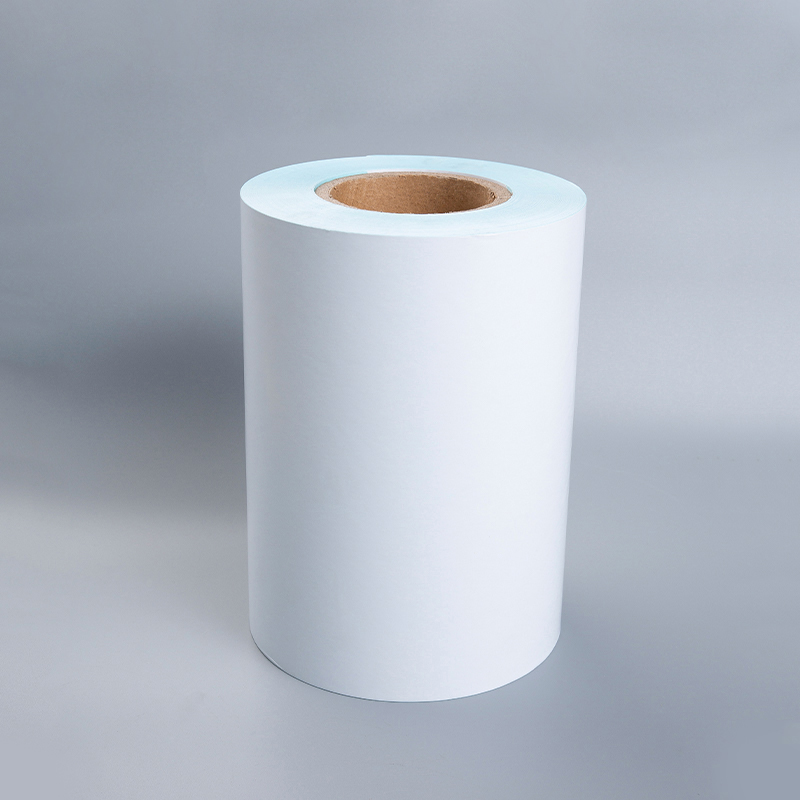
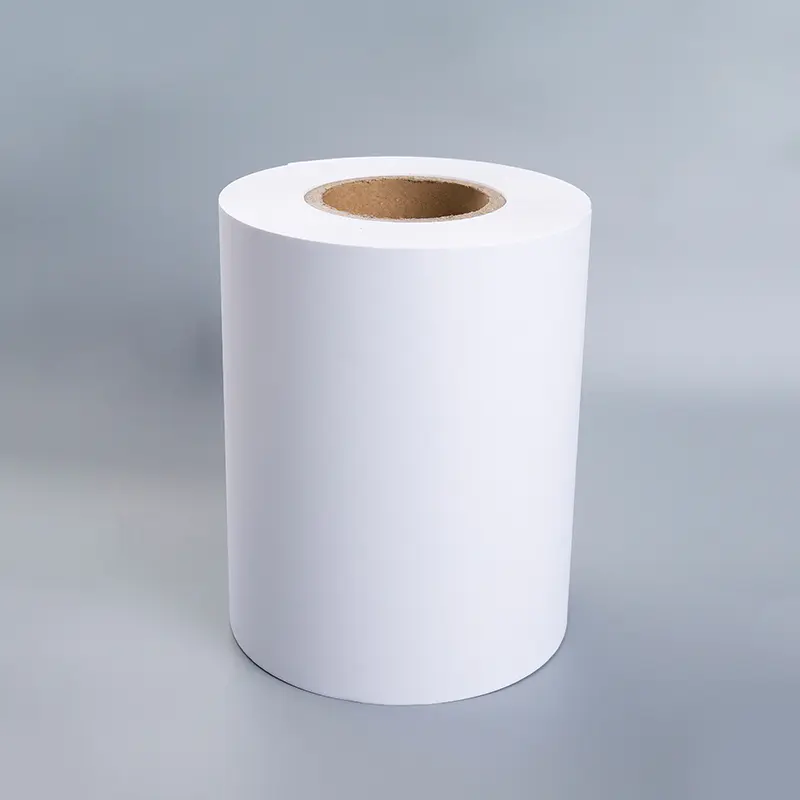
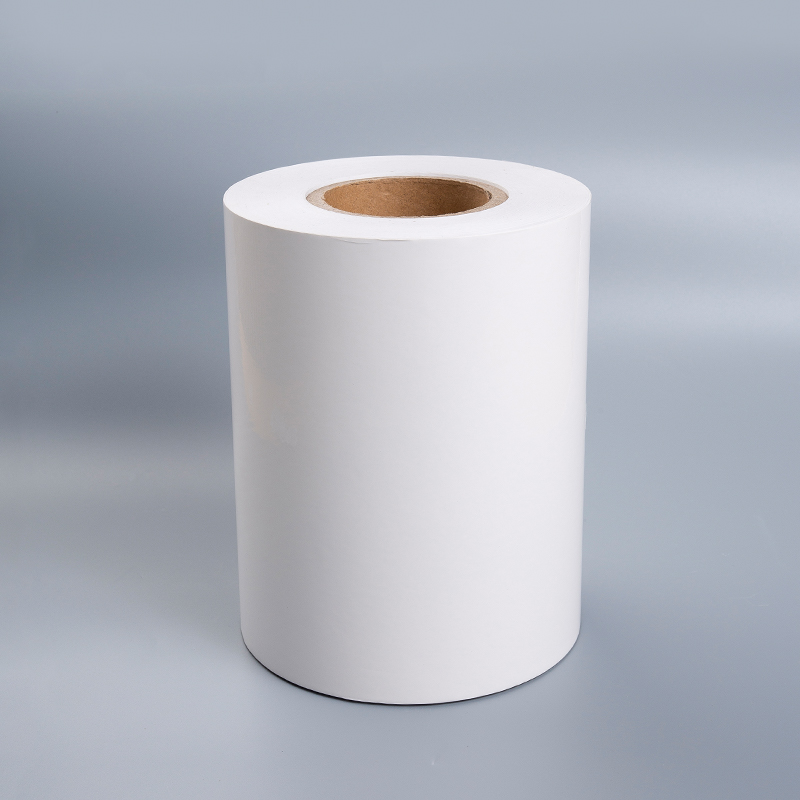
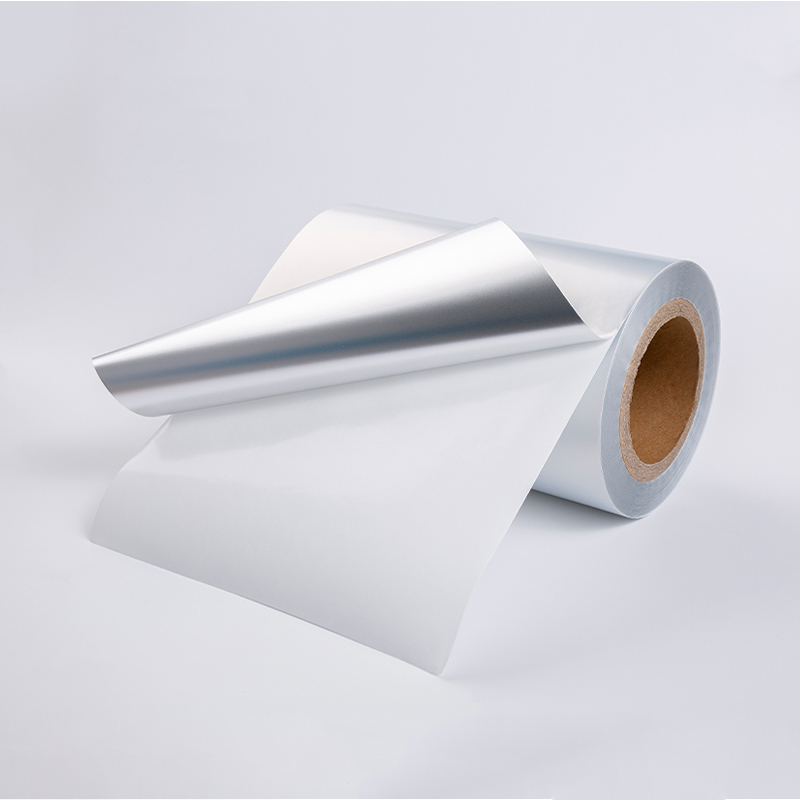 Matte Silver PET Label Material with White Glassine LinerThis PET-based label stock suits automotive barcode, safety, and VIN applications, offering durability from -40°C to 150°C, oil resistance, and a matte surface for crisp thermal transfer printing.View Product →
Aluminum Foil
Aluminum foil labels are not new, but they are increasingly specified for automotive thermal management. The foil layer blocks radiant heat and acts as a vapor barrier, which is why it shows up on heater cores, air ducts, reflective shields, and cable harnesses near hot surfaces. Foil also handles extreme temperature without melting or shrinking. Our technical guide on aluminum foil insulation and vapor barrier applications explains the test data behind that behavior.
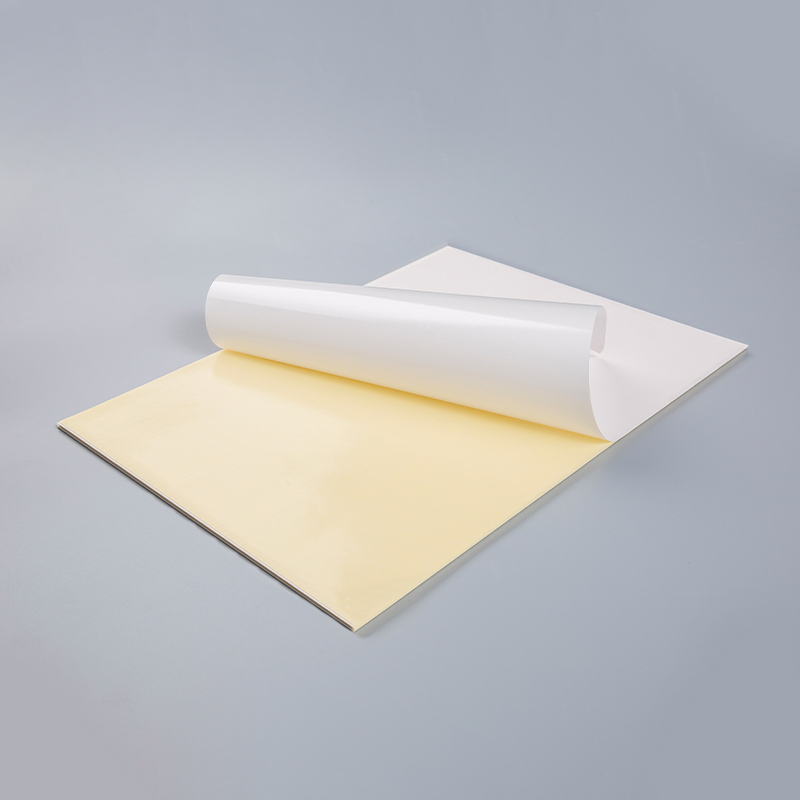
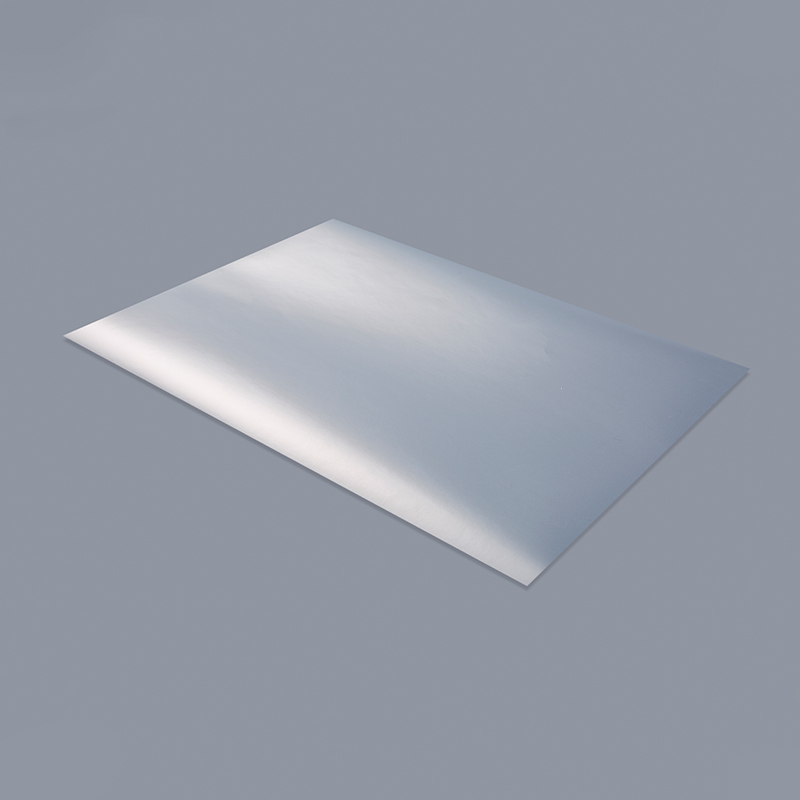 Silver Aluminum Foil Paper for Thermal Insulation LabelsAluminum foil labels block radiant heat and act as vapor barriers, making them suitable for heater cores, ducts, and cable harnesses near hot surfaces where extreme temperature resistance is required.View Product →
Synthetic Paper and Thermal Synthetic Paper
Synthetic paper offers the printability of paper with better water resistance and tear strength. Thermal synthetic paper is especially useful for warehouse labels, kitting labels, and component tracking in automotive plants, because it prints fast with no ribbon and survives oil and moisture long enough to reach the point of use. It is not the best choice for high-heat zones, but for logistics and work-in-process labels it is often the most economical solution.
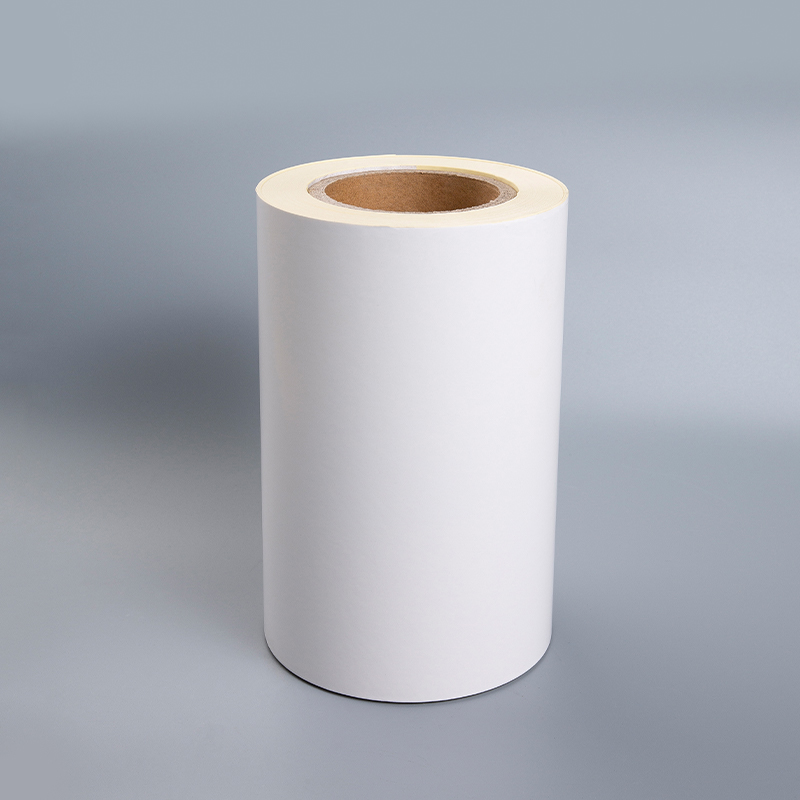
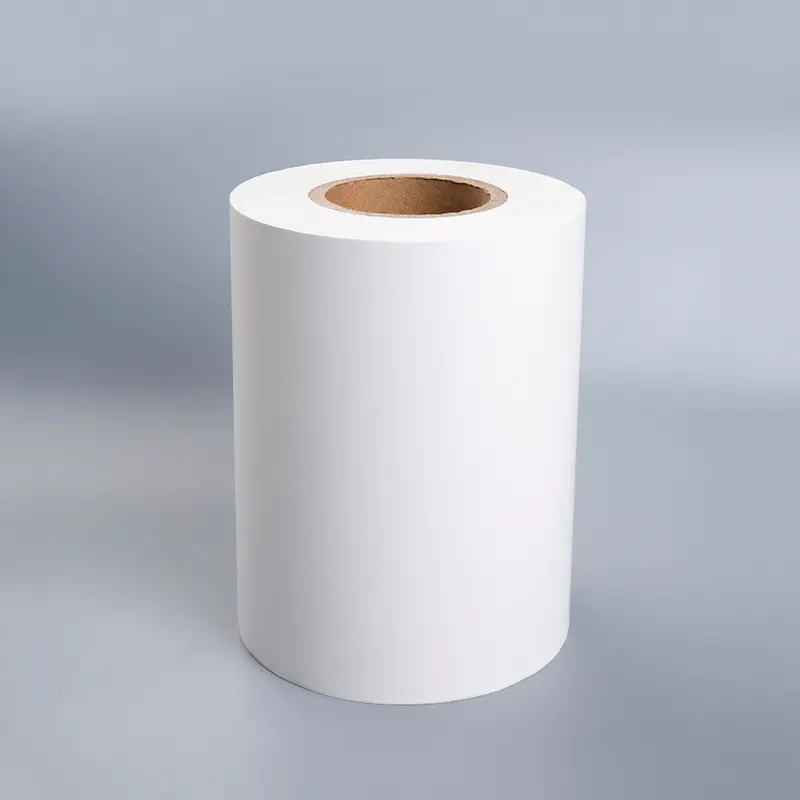
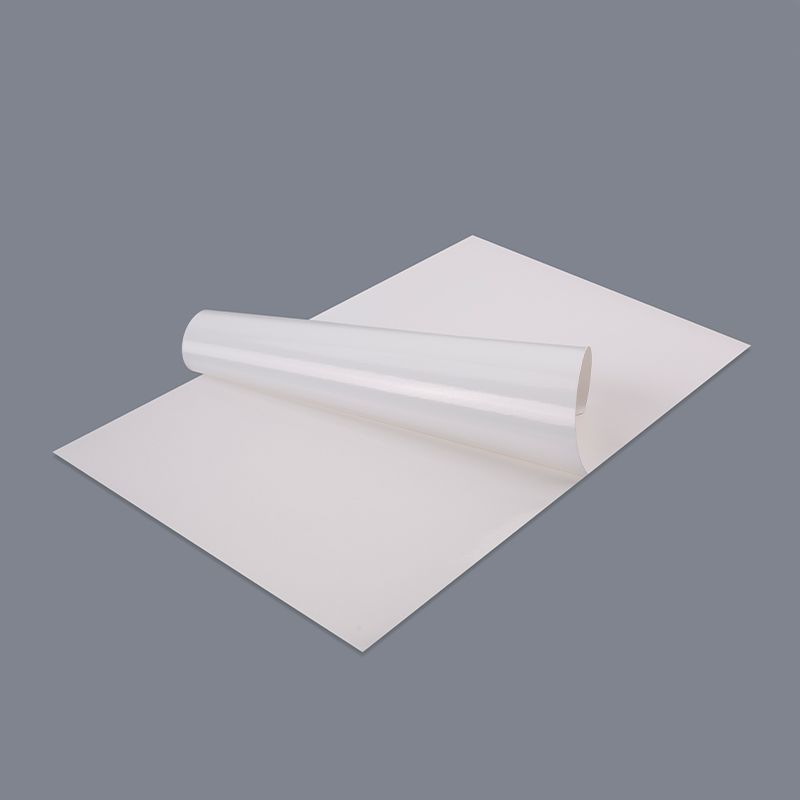 Water-Based Adhesive Thermal Synthetic Paper LabelsThermal synthetic paper prints quickly without ribbon and resists oil and moisture, making it an economical choice for warehouse, kitting, and work-in-process labels in automotive plants.View Product →
PVC and Other Options
PVC film is used for temporary protection surfaces, decorative strips, and some interior labels because it conforms well and is available in transparent and removable adhesive versions. However, PVC softens at lower temperatures than PET, and plasticizer migration can be a concern in automotive interiors. For permanent outdoor or high-heat applications, PET or aluminum foil is usually more predictable.
| Material | Typical temperature range | Oil/fuel resistance | Print methods | Common automotive uses |
|---|---|---|---|---|
| PET film | -40°C to 150°C | Good | Thermal transfer, laser, flexo | Barcodes, safety labels, VIN plates |
| Aluminum foil | Up to 200°C+ | Excellent | Thermal transfer, flexo, embossing | Heat shields, ducts, foil-face warning labels |
| Synthetic paper | -20°C to 80°C | Moderate | Inkjet, laser, thermal transfer | Warehouse labels, logistics, work-in-process |
| PVC film | -20°C to 80°C | Moderate | Thermal transfer, screen, flexo | Interior labels, temporary protection, decorative trim |
Adhesives: The Layer That Decides Whether the Label Stays
In automotive labeling, the adhesive is often the cause of failure, not the face material. Adhesives need to wet out onto the component surface, hold through temperature cycles, and resist chemical attack without bleeding at the edges.
The first decision is permanent versus removable. Permanent acrylic adhesives are standard for vehicle identification and safety labels. Removable adhesives, such as the acrylic system used on clear PVC films, are useful for protective sheets and temporary process labels. For most automotive labels, a permanent high-tack acrylic adhesive with a service temperature matching the face material is the right baseline.
Adhesive Selection Factors
- Surface energy: polypropylene and polyethylene bumpers require a low-surface-energy adhesive; painted steel needs a different balance.
- Temperature exposure: standard acrylics weaken above 100°C; crosslinked high-temperature acrylics hold up better in engine bays.
- Chemical contact: fuel, brake fluid, and engine degreasers can soften or discolor adhesives. Test with the actual fluid.
- Application surface roughness: textured surfaces need a thicker adhesive coat or a more conformable adhesive.
- Barcode printing conditions: the adhesive must not release silicone or other contaminants that cause poor ribbon adhesion.
A common procurement mistake is to choose a label that works on a smooth painted panel and assume it will work on a textured plastic cover. It will not. The adhesive layer has to be considered part of the product specification.
Release Liners and Convertibility
Release liner seems like a minor detail until a roll of labels starts falling off during die-cutting or jamming in an automatic applicator. The liner controls dimensional stability, release force, and the behavior of the finished roll.
For most automotive label constructions, a glassine liner with a controlled release value gives the best balance of cost and performance. PET release liners are preferred for very thin films or when the label must be dispensed at high speed. PE-coated kraft liners work for hand-applied labels and larger formats. The important thing is consistency from roll to roll; liner variations are a leading cause of converting rejects.
Building a Specification Before You Buy
The fastest way to avoid expensive field failures is to write a one-page material specification before contacting a supplier. That specification becomes the shared frame of reference between your engineering team, the printer, and the material manufacturer.
- Define the worst-case temperature and how long the label is exposed.
- List the chemicals that will contact the label during assembly and service.
- Test adhesion on the actual component surface, not a painted test panel.
- Choose the printing method and verify ink or ribbon compatibility on your own equipment.
- Run a short pilot batch and inspect after temperature cycling and fluid exposure.
This process reduces surprises. It also makes it easier to compare quotes, because suppliers can respond to the same set of requirements rather than giving generic recommendations.
Why Work with a Self-Adhesive Material Manufacturer
The value of a supplier with its own coating, laminating, and slitting lines is simple: you can adjust one layer without changing the whole product. A manufacturer can supply a label face with a different adhesive, or a different release liner, in the same construction. That matters in automotive because no two OEM applications are exactly alike.
A material supplier that focuses only on self-adhesive products also accumulates practical data across many label printers and applications. The same company that produces PET films and foil laminates for insulation jobs can advise on what works where - and, more importantly, what does not.
The most effective automotive labeling solutions are not the most expensive ones. They are the ones matched to the component surface, the operating environment, and the printing method. Start with the worst-case condition, document it in a specification, and select the face material, adhesive, and liner as a system. That approach delivers labels that remain readable, attached, and compliant for the life of the part.