
 English
 Español
 русский
 Français
 عربى
عربىBonding silicone has always been one of the most difficult challenges in both industrial and creative applications. Its low surface energy causes ordinary tapes to lose their grip within hours, leaving behind frustration and failed prototypes. High adhesion silicone adhesive tapes change that story completely. These purpose-built materials form durable bonds to silicone, rubber, and other low-energy surfaces without primers, corona treatment, or mechanical abrasion.
As a manufacturer of self-adhesive label materials with twenty years of experience across coating, laminating, and slitting, we have guided many customers through the maze of adhesive selection. In this guide, we explain what high adhesion silicone adhesive tapes are, how they achieve their exceptional grip, and how to choose the right one for your project.
Content
Why Silicone Is So Hard To Bond To
Silicone's chemistry is the reason it resists bonding. With a low surface energy, typically between 20 and 24 dynes per centimeter, silicone does not allow most adhesives to spread and wet its surface. The polymer chains are highly flexible and nonpolar, so there are few anchor points for adhesive molecules to grab onto. Standard acrylic or rubber-based tapes simply sit on top of the silicone, forming a weak joint that separates under minimal stress.
Attempts to bond silicone often involve expensive and time-consuming pre-treatment: flame treatment, corona discharge, chemical etching, or primers. High adhesion silicone adhesive tapes eliminate most of those steps by using adhesives specifically formulated to interact with silicone's unique surface. These adhesives are designed with low surface tension themselves, so they can flow into microscopic valleys and form powerful electrostatic and physical bonds.
This behavior is crucial not only for joining silicone to silicone but also for attaching silicone parts to metals, plastics, and composite materials. Whether you are sealing a gasket or mounting an electronic keypad, a tape with properly engineered adhesion can save both time and cost.
How High Adhesion Silicone Adhesive Tapes Work
A high adhesion silicone adhesive tape consists of three principal layers: a backing material, a specially formulated adhesive, and a release liner that protects the adhesive until application. The adhesive layer is the hero of the story. Two main technologies dominate the market: silicone-based adhesives and modified acrylic systems.
| Adhesive Type | Initial Tack to Silicone | Bond Strength | Temperature Range | Typical Use Case |
|---|---|---|---|---|
| Silicone Adhesive | High | Excellent | -60°C to +260°C | Aerospace, electronics, high-heat environments |
| Modified Acrylic | Medium to High | Good | -40°C to +150°C | General industrial, automotive, medical |
| Rubber-Based Adhesive | Low to Medium | Fair | -20°C to +100°C | Temporary masking, low-cost applications |
Silicone adhesives are the gold standard when the tape must bond to a silicone substrate and also resist extreme temperatures. They share the polymer chemistry of the silicone surface, allowing a close molecular match that enhances adhesion. Modified acrylics, on the other hand, offer quick sticking and reliable performance across a useful temperature window, making them a versatile and cost-effective choice.
The backing also matters. Polyimide and glass cloth backings tolerate high temperatures, while PET and PVC films provide conformability and mechanical strength. Some high adhesion tapes use a fiberglass-reinforced backing for tear resistance in demanding applications. The thickness of the adhesive layer, usually 50 to 200 microns, influences how well the tape can fill rough surface textures.
Understanding these fundamentals helps you see why no single tape works for every silicone job. The correct selection depends on the specific performance requirements of your application.
Key Benefits of High Adhesion Silicone Adhesive Tapes
- Primerless bonding: These tapes adhere directly to silicone without surface preparation, reducing production time and labor.
- Wide temperature tolerance: Silicone-based versions operate reliably from deep-freeze to high-heat industrial settings.
- Chemical and moisture resistance: The adhesive layer resists oils, solvents, and humidity, preserving bond integrity over years of service.
- Design flexibility: Available with film, paper, or fabric backings in various thicknesses, they can be die-cut, kiss-cut, or slit to custom shapes.
- Vibration damping: The soft and viscoelastic nature of the adhesive absorbs mechanical vibrations, making these tapes excellent for appliances and automotive parts.
These benefits explain why high adhesion silicone adhesive tapes are increasingly specified by design engineers and production teams across many industries.
How To Choose The Right Tape For Your Application
Start by defining the substrate you are bonding to. If both the tape and the target surface are silicone-based, choose a silicone adhesive product. If you are attaching a label or film to a silicone release liner, a modified acrylic may be sufficient. Next, measure the service temperature. In automotive engine bays or electronic enclosures, silicone adhesives are the safer option. For indoor consumer products, an acrylic system can provide the performance you need at a lower price.
Thickness is another factor. Thicker adhesives conform better to textured or curved silicone surfaces, while thinner layers offer higher sheer strength on smooth substrates. Also consider whether the tape must be removable. Some high adhesion tapes are designed for permanent mounting, while others use a semi-removable adhesive that allows clean repositioning without residue.
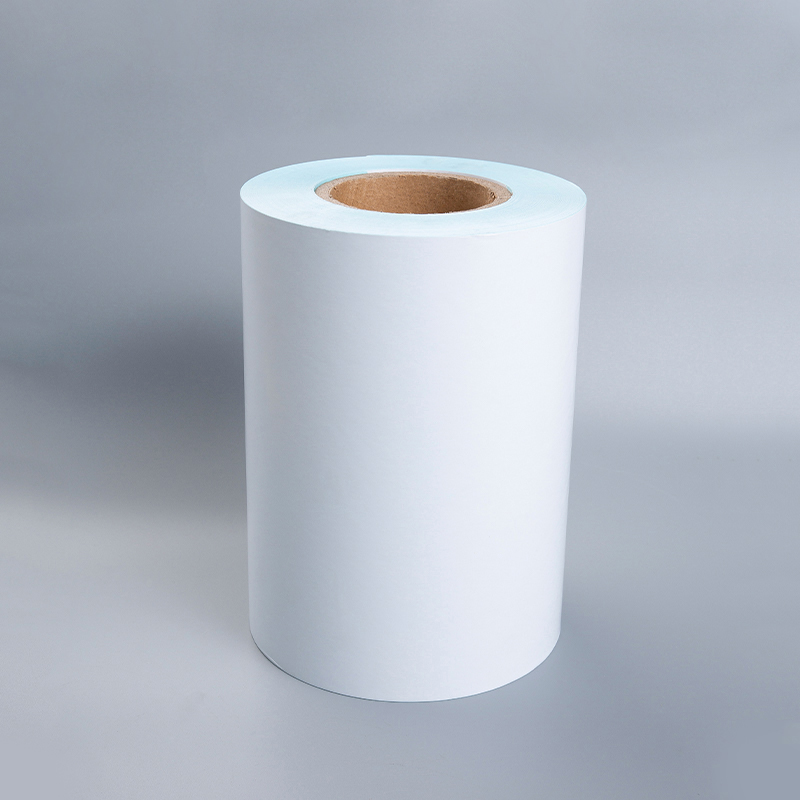
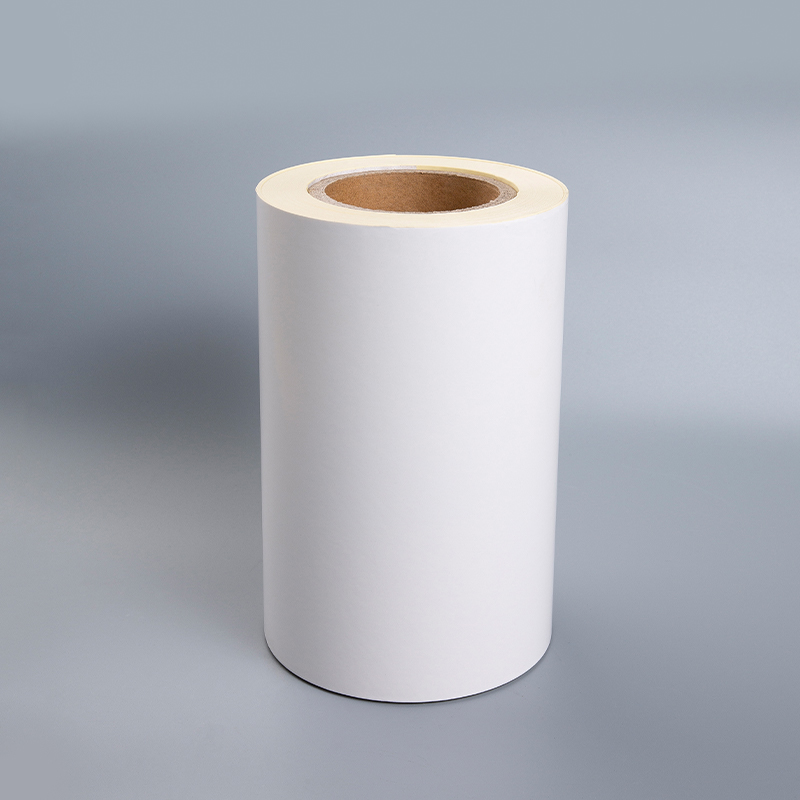
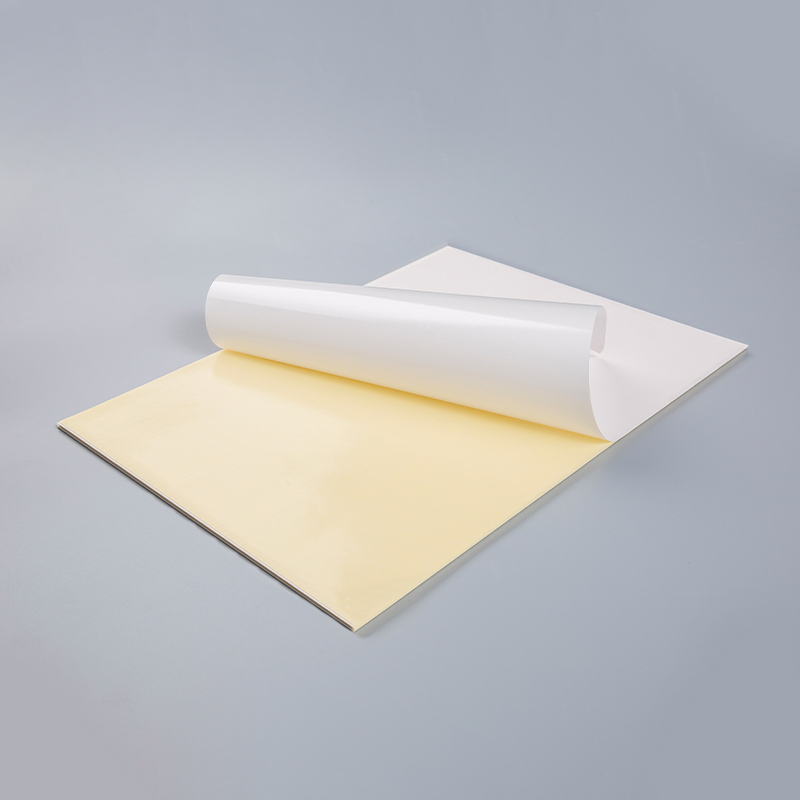
In many industrial situations, a double-sided bonding solution is the most practical route. Our double-sided adhesive paper in white PEK is engineered with a high-tack adhesive system and a robust carrier that works well on a variety of substrates, including moderately low-energy surfaces. It can be converted into custom shapes and laminates, making it a useful option for general assembly and mounting.
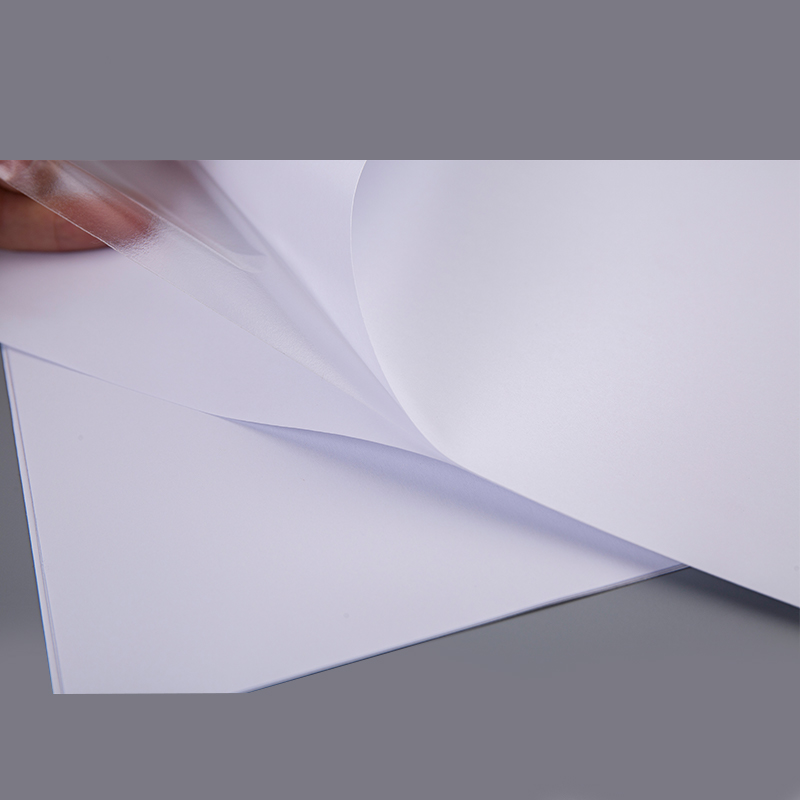 Double-Sided Adhesive Paper in White PEK for AssemblyThis double-sided tape features a high-tack adhesive on a robust carrier, suitable for general mounting on various substrates, including low-energy surfaces, and can be cut to custom shapes.View Product →
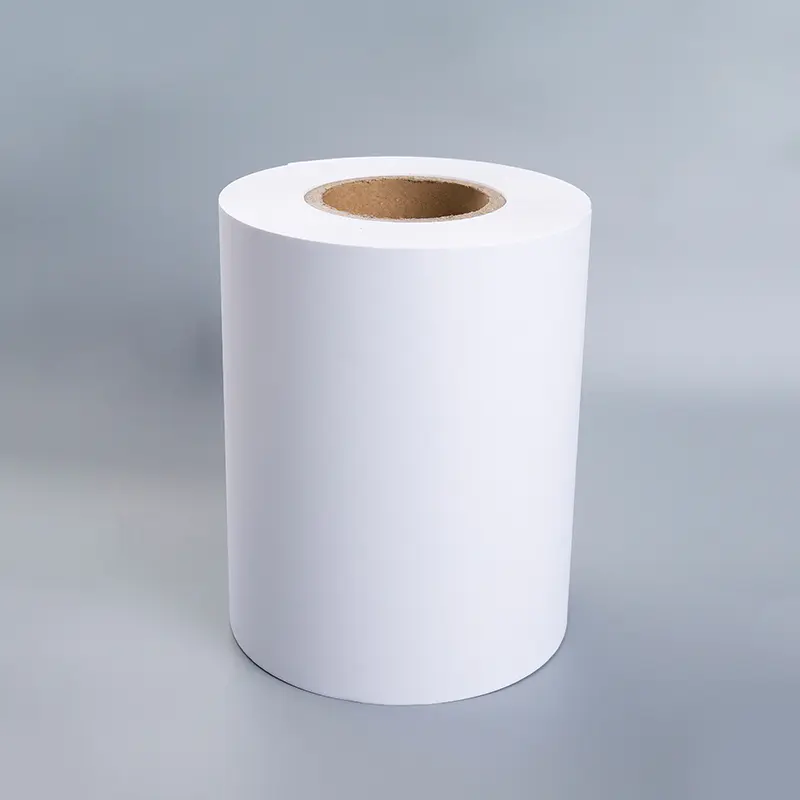
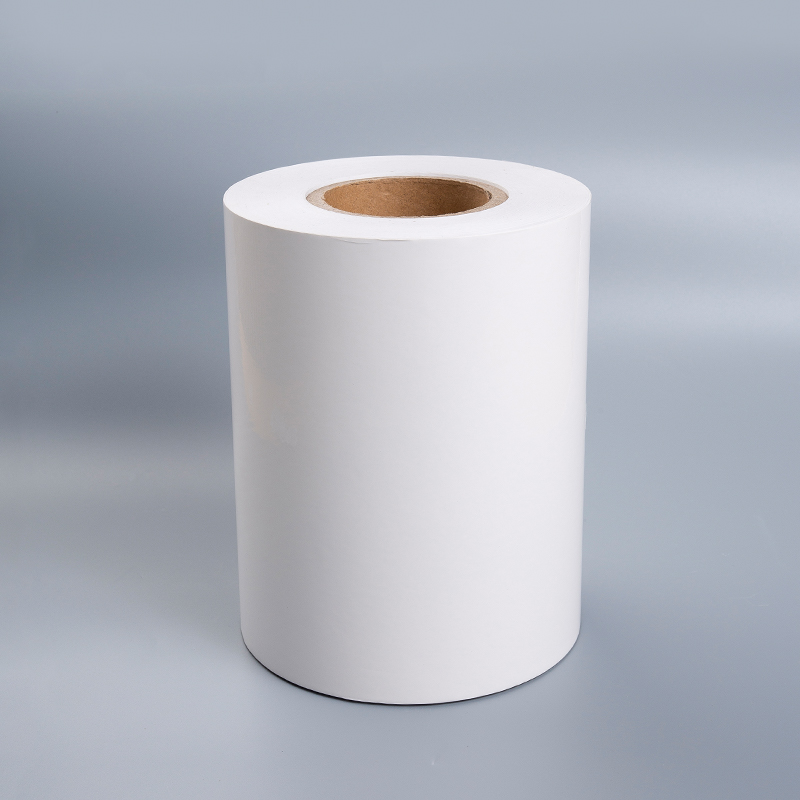
When a thin, high-strength tape is needed for bonding silicone parts to metal or plastic, a PET film carrier with a carefully balanced adhesive often delivers the best result. Our gloss-silver PET film, for instance, combines a stable polyester backing with a coating designed for reliable adhesion, dimensional stability, and a clean print surface. It is a good example of how self-adhesive film construction can be adapted to severe service conditions.
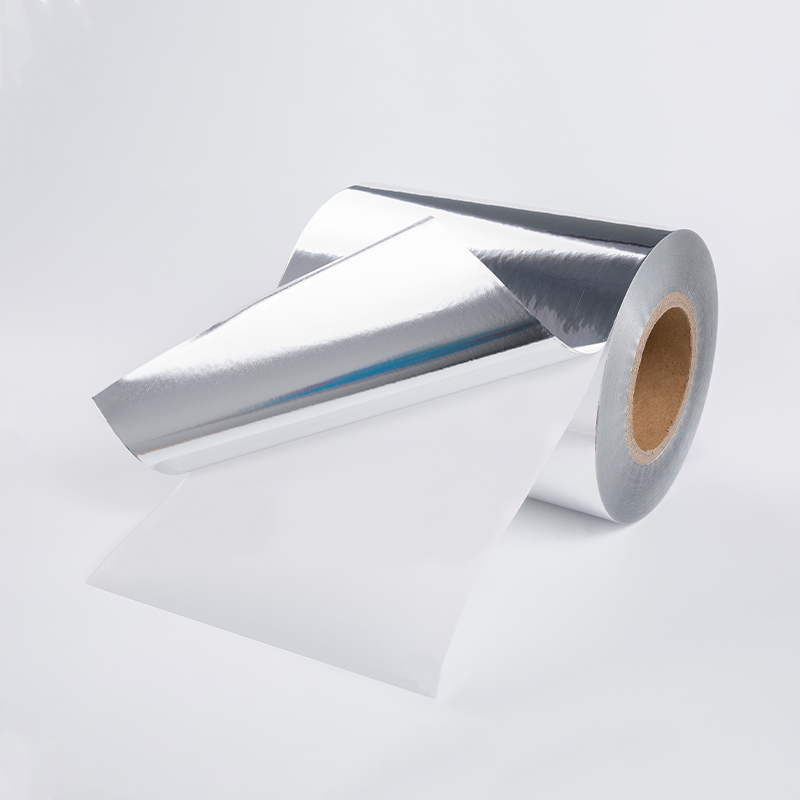 Gloss-Silver PET Film with Coating for Silicone BondingA polyester-backed film with a balanced adhesive, offering reliable adhesion and dimensional stability for bonding silicone parts to metal or plastic in demanding applications.View Product →
Always ask for technical data sheets and request a trial roll before committing to a full production run. Real-world bonding tests on the exact silicone formulation you are using are the final proof that a tape will perform as expected.
Applications Across Industries
Aerospace and Automotive
Silicone gaskets, seals, and wire wraps in aircraft and vehicles expose tapes to extreme temperatures and vibration. High adhesion silicone tapes with silicone adhesives keep electrical insulation and component mounts in place over long periods. They are also used to bond trim and exterior sealing strips where moisture resistance is critical.
Electronics and Electrical
From silicone keypads to flexible circuit covers, the electronics industry relies on these tapes to position and protect sensitive parts. The adhesive's ability to bond without outgassing or leaving residue makes it ideal for clean-room environments and compact devices.
Medical Devices
Silicone is common in wearable technology and medical patches. High adhesion tapes help hold sensors and electrodes to silicone enclosures while remaining kind to skin and easy to sterilize. Because no primer is required, assembly is faster and safer for operators.
Industrial Assembly and Packaging
Machinery manufacturers use high adhesion tapes for gripping pads, vibration mounts, and temporary inspection fixtures. The same adhesive technology also appears in self-adhesive foam and felt tapes used for cushioning and noise reduction. In packaging lines, silicone release surfaces are common on liners and trays; high adhesion tape ensures that labels and tapes stay fixed even when they come into contact with those released surfaces.
How Our Experience Helps You Choose
Our own production journey has taught us that adhesive performance is not just about initial stick; it is about reliability over the life of the product. At Suzhou Piaozhihua Composite Material Technology Co., Ltd., we operate full coating, laminating, and slitting lines, and we have supplied self-adhesive materials to customers in dozens of countries. That hands-on knowledge informs every piece of advice we give.
We carefully monitor factors like adhesive formulation, release liner performance, and the interaction between face material and adhesive. This is especially important when customers are working with difficult substrates, including silicones and powders. You can read more about how different surface properties affect sticking in our article on self-adhesive film adhesion. For a broader overview of material selection, our complete selection guide walks through every critical step from facestock to release liner.
Our factory stays up to date with new equipment and testing methods, and our international sales team supports clients in English, Spanish, Russian, French, and Arabic. We welcome requests for custom widths, die-cut shapes, and special adhesive formulations. If you are unsure which high adhesion tape or film is right for your project, send us the details and we will recommend a practical solution.
High adhesion silicone adhesive tapes solve one of the oldest problems in the adhesive industry: creating a durable bond on silicone without primer. By understanding how silicone surface chemistry works and what modern adhesive systems can do, you can choose a tape that will not fail at a critical moment.
From silicone adhesives that survive 260°C to modified acrylic systems that grab quickly and hold firmly, the options are proven and ready. And when you need a partner who understands the entire self-adhesive ecosystem, we are here to help. Explore our range of self-adhesive materials and contact our team for the performance data that matters to you.