
 English
 Español
 русский
 Français
 عربى
عربىContent
- 1 Can You Wax a Wrapped Car? The Short Answer
- 2 How the Finish of Your Wrap Changes the Waxing Decision
- 3 Why Traditional Car Wax Can Damage Vinyl Wraps
- 4 Safe Ways to Add Protection and Shine to a Wrapped Car
- 5 Maintenance Checklist for Vinyl-Wrapped Vehicles
- 6 What Vinyl Wrap Care Tells Us About Adhesive Film Materials
- 7 The Final Takeaway
Can You Wax a Wrapped Car? The Short Answer
You park your wrapped car in the sun, notice some swirls, and reach for the same paste wax you used to protect your old paint. Stop. Whether you can wax a wrapped car depends entirely on the finish of the vinyl and the chemical makeup of the product you are about to apply.
Here is the short answer: yes, a glossy vinyl wrap can tolerate certain synthetic waxes and polymer sealants, but no, you should never apply traditional car wax to a matte or satin wrap. Even on gloss wraps, ordinary car wax is rarely the best choice. The risk is not the wax itself, but the solvents, fillers, and abrasive compounds often mixed into it.
How the Finish of Your Wrap Changes the Waxing Decision
Vinyl wraps are distinguished by their top coating. A glossy wrap has a smooth, clear top layer that reflects light evenly. A matte wrap has a micro-textured surface that scatters light to create the flat look. Satin sits somewhere in between, with a subtle sheen and soft texture.
These surface differences determine how a wax behaves when it dries and is buffed off.
| Wrap Finish | Safe to Wax? | What Happens |
|---|---|---|
| Gloss | Yes, with caution | A polymer-based synthetic wax or sealant can add depth, but heavy or abrasive waxes may leave smears or dull the finish over time. |
| Satin | No | Wax residue collects in the texture and creates blotchy patches that are difficult to remove. |
| Matte | No | The fillers and oils in car wax settle into the surface and cause shiny spots, permanently changing the flat appearance. |
The only wrap finish that can handle a wax-like product is a smooth glossy film. For matte and satin, skip the wax entirely and stick to pH-neutral cleaners.
Why Traditional Car Wax Can Damage Vinyl Wraps
Traditional car waxes are formulated for clear coat paint, not for a 50 to 100 micron vinyl film. Several ingredients in these products cause trouble.
Petroleum distillates are used as carriers in many paste and liquid waxes. They can soften the vinyl resin or leave a greasy film that attracts dust. Abrasive compounds designed to polish paint can physically thin the clear coating on a gloss wrap. Fillers, added to hide swirl marks on paint, leave a chalky residue in the texture of matte and satin films.
There is also the practical problem of removal. Vinyl is less rigid than paint, and a buffing pad or towel that applies too much pressure can stretch or crease the film. When wax dries in a seam or around an edge, prying it out risks lifting the vinyl.
That does not mean every wax-like product is forbidden. The key is to avoid petroleum carriers, silicone-heavy polishes, and any product with a label that mentions cleaning or cutting power.
Safe Ways to Add Protection and Shine to a Wrapped Car
If you drive your wrapped car daily, the film needs protection from UV light, tree sap, bird droppings, and road grime. A wax-like layer can help, but you have to choose the right type.
Products that are safe on most vinyl wraps
- Polymer-based spray sealants that dry to a clear flexible film.
- Ceramic-infused detail sprays designed for vinyl or automotive finishes.
- Wrap-specific gloss enhancers sold by wrap manufacturers and installers.
How to apply a spray sealant to a gloss wrap
- Wash the car with pH-neutral soap, not dish soap or degreasers.
- Dry the surface completely in the shade.
- Spray the sealant onto a clean microfiber cloth, not directly onto the vinyl.
- Spread it in straight, overlapping lines without excessive pressure.
- Buff gently with a second clean microfiber cloth until the surface looks even.
Never use paste wax, rubbing compound, or any product with abrasive particles on a wrapped vehicle. If you are unsure whether a product is safe, test it on a hidden area, such as the inside of a door jamb, and wait 24 hours.
Maintenance Checklist for Vinyl-Wrapped Vehicles
Regular maintenance matters more than any wax or sealant you apply. A wrapped car that is washed properly and stored away from prolonged sun will look good for years.
- Hand wash with a soft microfiber mitt and pH-neutral soap.
- Avoid pressure washers aimed directly at the edges, seams, or emblems.
- Remove bird droppings and insect residue immediately with a damp cloth.
- Do not use gasoline, acetone, or other strong solvents to spot-clean.
- Park in shade or use a car cover if the vehicle sits outside for long periods.
For the same reasons, the self-adhesive films used in industrial and decorative projects benefit from a similar approach. You can see how these materials behave in automotive and interior applications of self-adhesive films, where chemical resistance and cleaning habits often decide the service life of the material.
What Vinyl Wrap Care Tells Us About Adhesive Film Materials
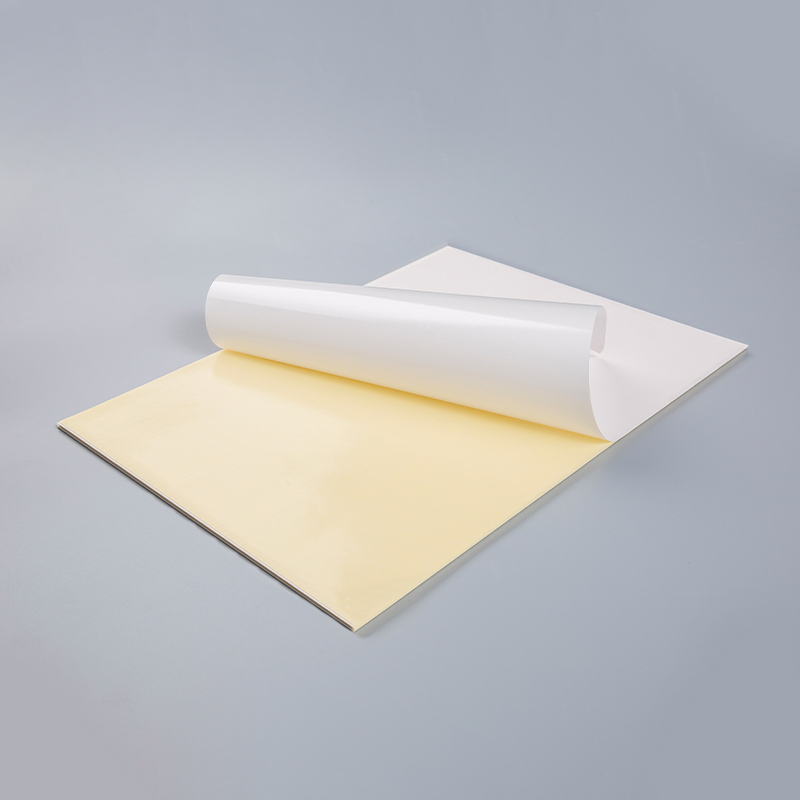
Your car wrap is essentially a large-format self-adhesive film. It has a face film, a pressure-sensitive adhesive layer, and a protective release liner that is removed during installation. The face film is often made of cast PVC, but the same material thinking applies to PET and other polymer films used for labels, graphics, and surface protection.
This is where material experience matters. At our factory, we have spent years coating and laminating self-adhesive films for demanding applications. The top coat on the face film largely determines whether the film can tolerate solvents, UV exposure, and strong cleaning products. That is why we pay attention to the coating quality of every self-adhesive film material we produce.
For example, a transparent PVC adhesive film with clear PET liner is often specified for surface protection and decorative wrapping because the PVC face film balances flexibility and conformability. In applications that need higher heat resistance, a matte silver PET adhesive film provides a more stable metallic surface that handles elevated temperatures and moisture better than paper-based alternatives.
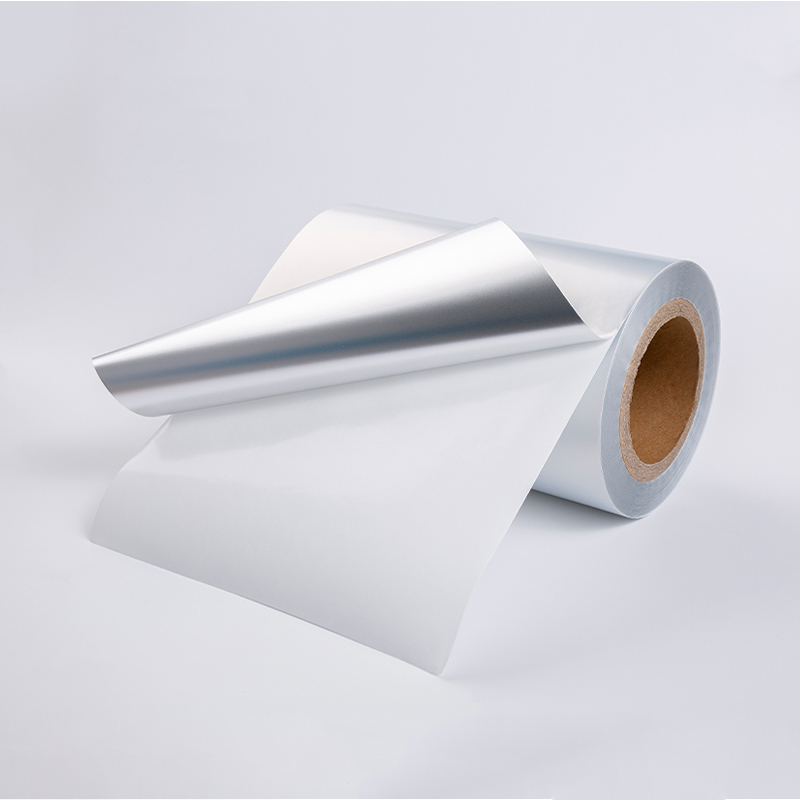 Custom Matt Silver PET With White Glassine Liner Suppliers, CompanySuzhou Piaozhihua Composite Material Technology Co., Ltd. is China Custom Matt Silver PET With White Glassine Liner Suppliers and Company...View Product →
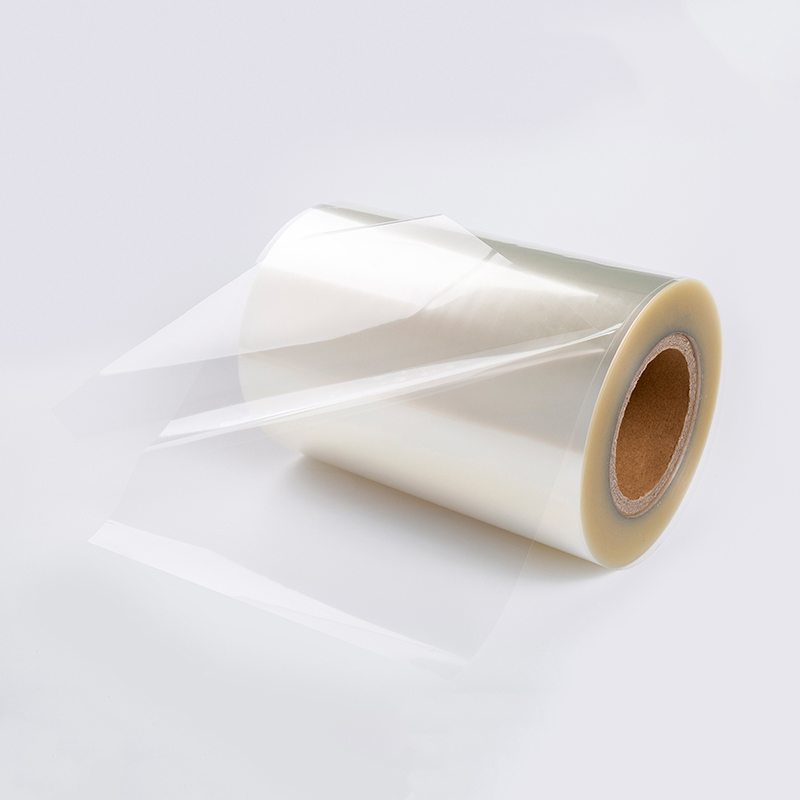 Custom Transparent PVC With Clear PET Liner Suppliers, CompanySuzhou Piaozhihua Composite Material Technology Co., Ltd. is China Custom Transparent PVC With Clear PET Liner Suppliers and Company,Mate...View Product →
If you are planning to wrap or decorate a vehicle, it helps to know exactly what the film is made of. The same advice that helps you care for your car wrap - avoid abrasive waxes, use mild cleaners, and do not test the film's chemical limits - applies to any self-adhesive film. When you need a supplier that understands the interaction between face film, adhesive, and release liner, you can explore our PET adhesive film range or other products built for technical applications.
The Final Takeaway
So, can you wax a wrapped car? The practical answer is: you can use synthetic polymer sealants on a gloss wrap, but you should skip traditional car wax on any other finish. The safest route is to follow the maintenance instructions from your wrap manufacturer and use products specifically labeled as wrap-safe.
The best protection for a wrapped car is not wax at all - it is consistent washing, covered parking, and a gentle detail spray designed for vinyl. A thin layer of polymer sealant can help a well-maintained gloss wrap stay shiny, but no product can replace proper care.