
 English
 Español
 русский
 Français
 عربى
عربىContent
- 1 What Is Medical Silicone Adhesive?
- 2 Why Silicone Adhesives Are Preferred in Medical Applications
- 3 Main Types of Medical Silicone Adhesives
- 4 Key Performance Properties to Evaluate
- 5 How Medical Silicone Adhesives Work with Different Substrates
- 6 How to Choose the Right Medical Silicone Adhesive
- 7 Sourcing and Supplier Evaluation
- 8 Conclusion
What Is Medical Silicone Adhesive?
When a medical device engineer asks about medical silicone adhesive, they are usually not looking for a generic glue. They are looking for a pressure-sensitive adhesive (PSA) that can sit against human skin for hours or days without causing irritation, and that can be removed without tearing fragile tissue. That is a very different specification from bonding two plastic parts together.
Medical silicone adhesive is a silicone-based pressure-sensitive adhesive formulated to meet the biological safety and performance requirements of medical devices. Unlike standard industrial silicone sealants, it is not designed primarily to fill gaps or create a permanent seal. It is designed to form a reliable but gentle bond to skin or to a device surface, and then release cleanly when needed. The term "medical grade" signals that the adhesive has undergone biocompatibility testing under frameworks such as ISO 10993, and that the manufacturer can control formulation consistency batch after batch.
The most common confusion is between silicone PSA and acrylic PSA. Acrylic adhesives are widely used in medical tape and are generally lower cost. But acrylic systems are more prone to skin irritation over long wear times, and they tend to build adhesion aggressively on removal. Silicone PSA is chemically inert, has low toxicity potential, and offers a much wider range of tack and peel values. That wide adjustment range is why silicone systems dominate in applications where fragile skin, repeated repositioning, or long wear duration is involved.
Why Silicone Adhesives Are Preferred in Medical Applications
The short answer is that silicone adhesives provide an unusual combination of three properties that are critical for patient comfort and clinical outcomes: atraumatic peel, hydrophobicity, and repositionability. Few other adhesive families can deliver all three at once. Understanding these properties explains why silicone PSA has become the default choice for wound dressings, wearable sensors, and neonatal care products.
Atraumatic Removal and Skin Protection
Atraumatic peel means the adhesive releases from the skin at a low force without stripping the upper layers of the epidermis or pulling hair. This is not just a comfort issue. For elderly patients with thin skin, neonates whose skin barrier is still developing, or chronic wound patients who need dressing changes every 48 hours, aggressive removal causes micro-tears that become entry points for infection. A low-peel silicone adhesive minimizes this mechanical trauma. In practical terms, you can peel a silicone-based dressing back, inspect the wound, and press it down again without needing a new dressing each time.
Moisture Management and Patient Comfort
Silicone adhesives are inherently hydrophobic. They do not absorb wound exudate or sweat into the adhesive mass. This matters because a dressing that absorbs moisture onto its adhesive layer will lose its grip, and more importantly, that moisture can macerate the healthy skin surrounding a wound. A hydrophobic adhesive keeps the surrounding skin drier, reducing the risk of skin breakdown. Softer silicone gel formulations also conform to the micro-contours of the skin, spreading the load and reducing shear forces that cause blistering. For wearable devices, this translates directly to fewer contact dermatitis complaints and better device retention over a 7-day or 14-day wear period.
Main Types of Medical Silicone Adhesives
Medical silicone adhesives are not one product family. They split into three main categories based on how they cure and how they are applied. Choosing the wrong category is a common early mistake in device development.
RTV Silicone Adhesives for Device Assembly
RTV stands for room-temperature vulcanization. These adhesives cure by reacting with ambient moisture. They are typically supplied as one-component pastes or self-leveling liquids. For medical device assembly, RTV silicones are used to bond and seal components such as catheter hubs, sensor housings, and implantable electronics enclosures. They are convenient because they need no oven curing and can be dispensed with simple equipment. Cure time depends on humidity and the depth of the adhesive gap; a 2 mm layer may take 24 hours to fully cure at 23°C and 50% relative humidity. Accelerated cure is possible with heat, but that changes the process design. If you are potting a delicate PCB or sealing a silicone tube to a connector, an RTV system is likely your starting point.
HTV Silicone Adhesives for High-Throughput Production
HTV, or high-temperature vulcanization, is a two-component system that cures when mixed and exposed to elevated temperature. These adhesives are preferred for high-volume production lines because curing is fast and controllable. The two components are typically dispensed through a static mixer from dual-cartridge packaging. Cure time at 120–150°C can be on the order of minutes rather than hours. This makes HTV suitable for automating the assembly of wearable patches, multi-layer laminates, or devices that require a robust bond before the next manufacturing step. The trade-off is the need for thermal curing equipment and the thermal budget of your substrate. If your face film is a low-melt material, HTV may not be viable.
Soft Silicone Gel PSA for Skin Contact
Soft silicone gel PSA is the category most people mean when they talk about skin-contact adhesives for wound dressings or wearable sensors. It has a very low modulus, meaning it deforms easily and flows into the microscopic texture of the skin. Adhesion strength can be tuned from extremely low (for neonatal electrodes) to medium (for devices that must resist sweat and friction for days). The gel does not undergo a conventional "cure" in the assembly sense; it is coated onto a backing and cross-linked to reach its final gel state, which can take days to reach equilibrium. This is the adhesive that makes repositionable dressings possible. It is also the one that demands the most experience in coating and release liner selection, because its softness and surface tack make handling difficult.
Key Performance Properties to Evaluate
When comparing medical silicone adhesive products, you need to look beyond the brochure and request specific data. These are the properties that define performance in real devices.
| Property | Test Method | Typical Target Range | Why It Matters |
|---|---|---|---|
| Peel adhesion (180°) | ASTM D3330 / FSTMC | 0.5 – 10 N/25 mm | Determines removal force from skin or device surface |
| Initial tack (loop tack) | ASTM D6195 | 0.3 – 5 N/cm² | Predicts whether the device will stay in place immediately after application |
| Shear resistance | ASTM D3654 | > 24 h at specified load | Indicates resistance to sliding on a vertical surface |
| Moisture vapor transmission rate (MVTR) | ASTM E96 / ISO 12988 | 500 – 5000 g/m²/day | Affects skin health under long-wear occlusion |
| Biocompatibility | ISO 10993-5, -10, -23 | Pass / No irritation | Mandatory for regulatory approval in most markets |
Peel adhesion is the first number most engineers ask for, and it is useful, but only if you know the test substrate. A peel value on stainless steel says almost nothing about performance on skin. Look for data generated on validated skin simulants or request your own tests. Tack matters for the initial application moment, especially for devices applied by patients at home. Shear resistance is more relevant for long-wear devices like insulin pumps or continuous glucose monitors that must remain attached under muscle movement. MVTR is often overlooked, but a low MVTR dressing that traps moisture will cause skin maceration within days, regardless of how gentle the adhesive chemistry is.
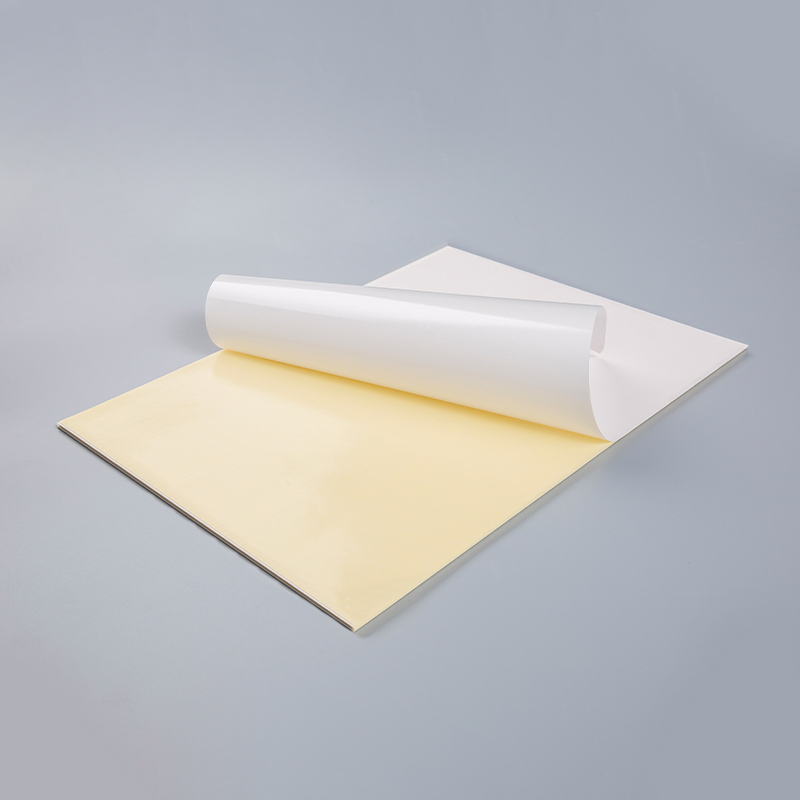
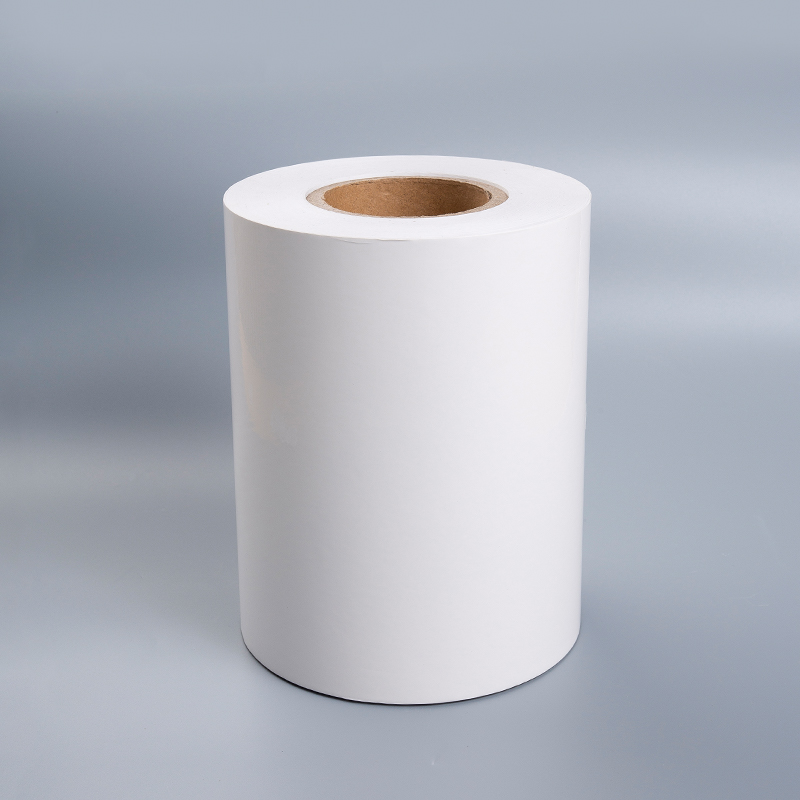
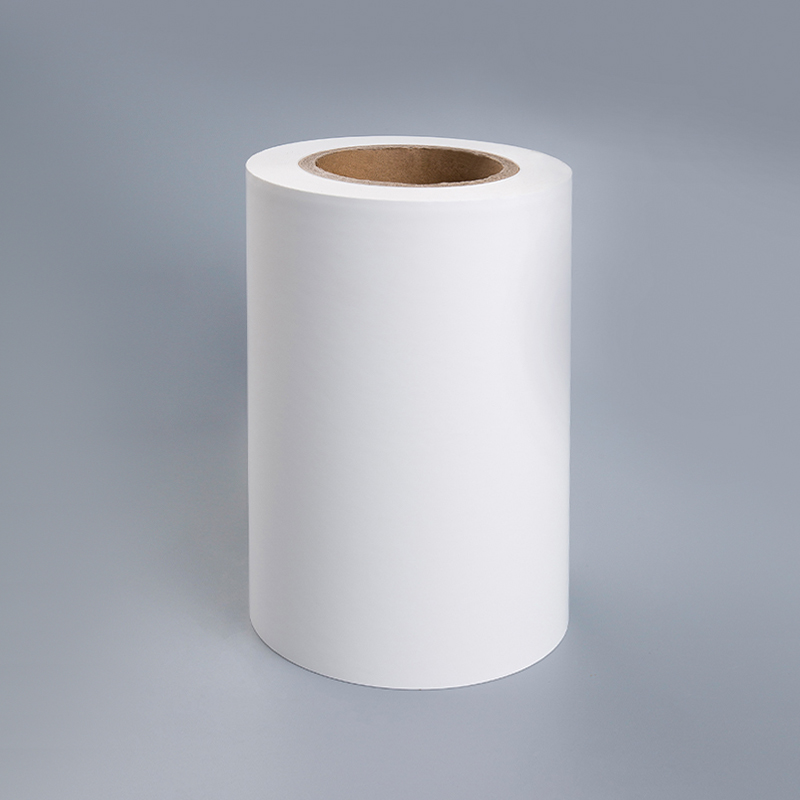
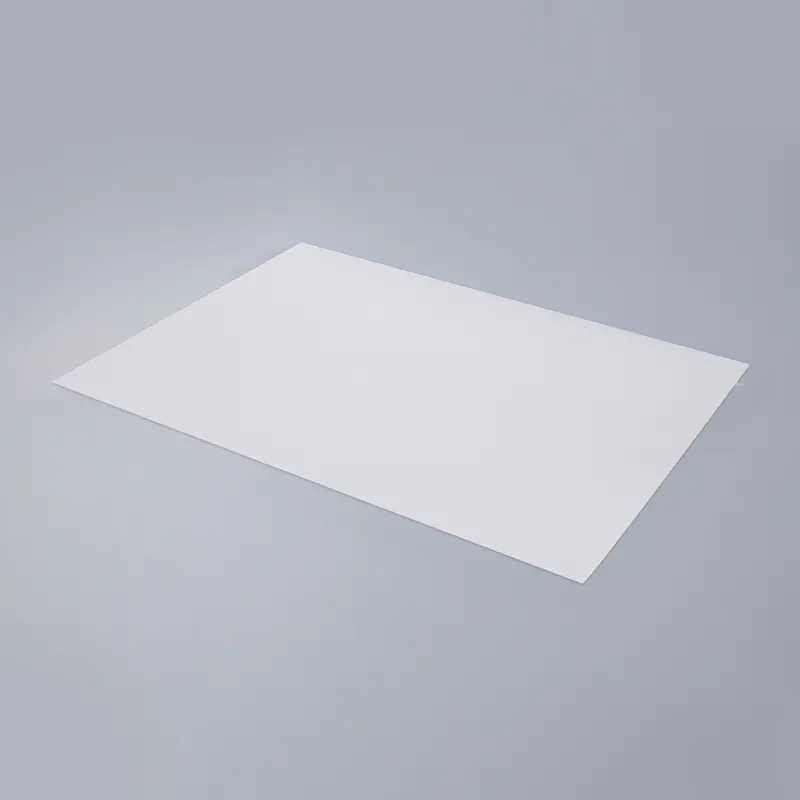
In this system, the release liner is a functional partner, not merely packaging. A stable white glassine release liner provides consistent peel force from the liner to the adhesive, preventing premature separation during die-cutting or patient application.
 Custom White Glassine Paper Suppliers, CompanySuzhou Piaozhihua Composite Material Technology Co., Ltd. is China Custom White Glassine Paper Suppliers and Company,Material Glassine Pa...View Product →
How Medical Silicone Adhesives Work with Different Substrates
A medical silicone adhesive does not perform in isolation. It is coated onto a backing material, protected by a release liner, and laminated into a construction that must all work together. This is where a purely "adhesive" view fails.
The backing, or face film, is typically a polyurethane film, a nonwoven fabric, or a transparent PET film. Polyurethane films offer high conformability and MVTR, making them ideal for thin, breathable dressings. Nonwoven backings are stiffer and suit larger dressings where structure is needed. The choice of backing changes how the adhesive is experienced by the patient: a soft gel on a stiff backing will still feel stiff. If your product is a flexible patch, you need a flexible backing.
Then there is the release liner. The liner must release from the adhesive with a controlled, low force so that the dressing does not stretch or fold during application. Because silicone adhesives are specifically designed to resist bonding to silicone-coated surfaces, the liner is usually coated with a silicone release system. But achieving the right differential release—where the liner releases more easily than the adhesive releases from skin—is a genuine formulation and coating challenge. For applications like a transparent PET release liner, the liner also needs optical clarity if the device is inspected through it during manufacturing or storage.
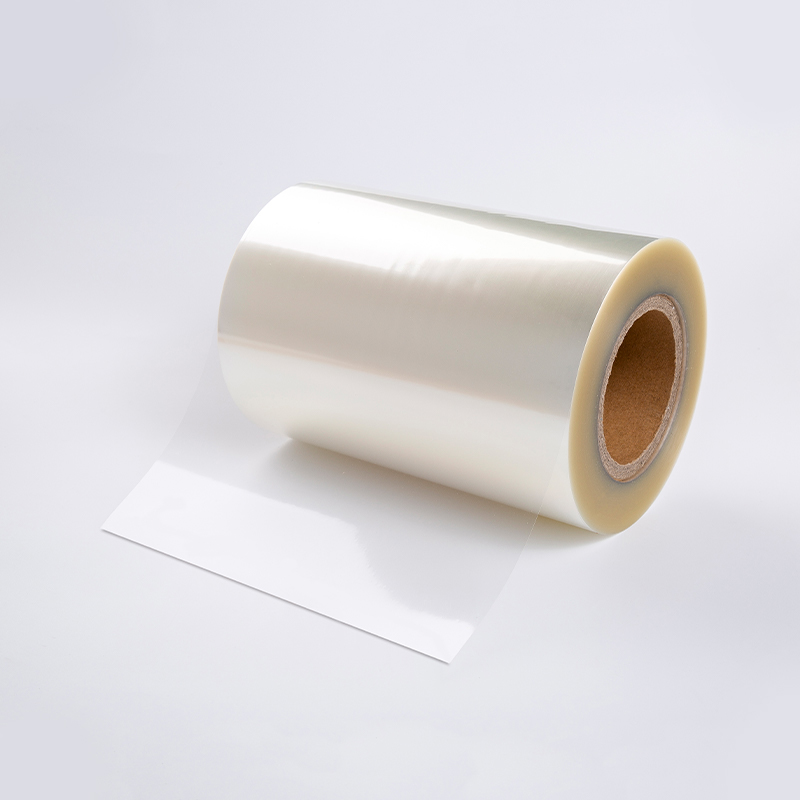 Custom Transparent PET Liner Suppliers, CompanySuzhou Piaozhihua Composite Material Technology Co., Ltd. is China Custom Transparent PET Liner Suppliers and Company,Material PET Film 2...View Product →
This is why conversations about medical silicone adhesive inevitably move to the full construction. A supplier that understands lamination, coating, and release systems is more valuable than one who simply sells a drum of adhesive. For a deep dive into the full range of release options, you can explore more silicone release paper options to see how different base substrates, such as glassine and PET, behave in a multi-layer construction.
How to Choose the Right Medical Silicone Adhesive
Choosing the right medical silicone adhesive is a structured process, not a single data lookup. If you need a general framework for adhesive selection, our previous article on how to choose the right label glue covers the basics that also apply to medical applications. For medical silicone specifically, work through these five steps.
Application Scenario as the Starting Point
Define exactly how the device is used. A neonatal monitoring electrode requires extremely low peel force because the infant's skin is easily damaged, but it only needs to stay in place for a few hours. An insulin infusion set, by contrast, must stay firmly attached for up to 72 hours while the patient sleeps, showers, and exercises; it needs a higher peel force and stronger shear resistance. If the device is a surgical incision dressing, the requirement is different again: it must handle moderate exudate and be removable without damaging the suture line. Start by writing down the wear time, the removal frequency, the skin condition of the target population, and the expected moisture exposure.
Substrate Compatibility and Surface Energy
Every substrate has a surface energy that determines how well an adhesive wets it. High-energy surfaces like clean metal and glass bond easily. Low-energy surfaces like untreated polypropylene, polyethylene, and cured silicone are difficult to bond. Silicone adhesives have a unique advantage here: they are chemically similar to low-energy silicone substrates, so they can form strong bonds to silicone tubing, silicone gaskets, and silicone-coated components where acrylic adhesives simply will not hold. If your device includes silicone parts, this is a decisive factor. Conversely, a very low-surface-energy release liner is intentionally chosen to have the opposite effect—a controlled release, not a strong bond.
Compliance and Certification Considerations
Biocompatibility is non-negotiable for skin-contact devices. The ISO 10993 series is the accepted framework: ISO 10993-5 for cytotoxicity, ISO 10993-10 for skin sensitization and irritation, and ISO 10993-23 for irritation potential. For long-term contact devices (over 30 days), additional tests such as systemic toxicity and implantation may be required. Many adhesive suppliers hold a Device Master File (MAF) with the US FDA, which can be referenced by device manufacturers to support their own submissions. You should also confirm that the adhesive manufacturer has a robust change-control process; a change in their raw material can affect your device's biocompatibility status. Environmental compliance such as REACH and RoHS is relevant, but it is a baseline, not a differentiator.
Sourcing and Supplier Evaluation
Once you have defined the specifications, the hard part is sourcing a partner who can deliver consistently. When evaluating a supplier for your medical silicone adhesive system, look at four dimensions.
First, technical capability. Can the supplier adjust the adhesive formulation or the release liner system to hit your performance targets, or are you limited to a catalog of fixed products? Second, production consistency. Batch-to-batch variation in peel force or release force will send your manufacturing line into chaos. Ask about their quality control processes and statistical process control data. Third, quality systems. ISO 9001 is a minimum; ISO 13485 is a strong signal for medical supply chain awareness. But do not assume any certification the website does not explicitly claim. Fourth, integration capability. In a multilayer construction, the adhesive and the release liner are a paired system. The right partner is one who can speak fluently about the interaction between the face film, the adhesive layer, and the release liner.
This is where a self-adhesive material manufacturer with a complete converting line becomes valuable. A company with in-house coating, lamination, and slitting—operating for over 20 years with an annual production capacity exceeding 280 million square meters—understands how process variables affect the final material stack. When you need to verify how a specific silicone adhesive behaves on a specific liner under your converting conditions, that hands-on experience shortens the development cycle considerably.
Conclusion
Medical silicone adhesive is a specialized material class defined by its ability to balance three priorities: safety, comfort, and functional reliability. The "safety" comes from biocompatibility testing and inherently low skin irritation. The "comfort" comes from gentle peel, hydrophobicity, and soft mechanical properties that work with the skin rather than against it. The "reliability" comes from careful engineering of the entire construction—adhesive, backing, and release liner.
As you move from concept to production, let the application define the specification. A neonatal patch, a wound dressing, and an insulin pump do not need the same adhesive. Define the wear time, the substrate surface energy, and the regulatory requirements first. Then evaluate suppliers not just on the adhesive itself, but on their ability to deliver a consistent, integrated material system.
If you are in the specification and sourcing stage, bring a defined product requirement and your target performance data. A supplier that has worked through the interplay of silicone adhesives and release liners across thousands of square meters of coated material can quickly tell you what is realistic and what needs testing.