
 English
 Español
 русский
 Français
 عربى
عربىA battery module engineer usually starts with the cells, the cooling channel, the busbar layout, and the crash structure. The adhesive is often an afterthought—until a vertical burn test fails and the module program stops. Flame retardant adhesive choices for EV battery modules are not about finding the highest UL rating on a datasheet. The practical goal is to match flame retardancy, thermal behavior, and processing characteristics to the specific assembly step and the fire scenario the module must survive, then confirm the material performs that way in the real construction and at the real thickness.
Content
- 1 Why Flame Retardancy Is a System Requirement, Not a Checklist Item
- 2 The Main Adhesive Chemistries Used in Battery Modules
- 3 Balancing Thermal Conductivity and Flame Retardancy
- 4 Film-Based Flame Retardant Adhesives in Module Assembly
- 5 How to Verify a Flame Retardant Adhesive Before Committing
- 6 The Bottom Line
Why Flame Retardancy Is a System Requirement, Not a Checklist Item
The most cited benchmark in battery adhesive specifications is UL 94 V-0. A V-0 material self-extinguishes within ten seconds after the test flame is removed, does not produce flaming drips, and stops burning before it burns through the test bar. That standard is valuable, but it is measured on a molded coupon. A battery module is an assembly of cells, busbars, separators, housings, and gap-fill materials, and its fire behavior depends on geometry, heat paths, vent gases, and neighboring components.
Adhesives matter in two ways. First, every organic material in the module is potential fuel. If the adhesive is not formulated with flame retardant fillers or a char-forming chemistry, it can help a localized thermal event travel from one cell group to the next. Second, adhesives hold the module together during an event. A flame retardant bond line can keep an insulating sheet in place, prevent a busbar cover from lifting, or stop a separator from curling into an exposed conductor. The right question is not simply whether the adhesive passes V-0, but what it does when the cell beside it is already burning.
The Main Adhesive Chemistries Used in Battery Modules
Four chemistries dominate flame retardant adhesive choices for battery modules: epoxy, polyurethane, silicone, and acrylic pressure-sensitive adhesive (PSA). Each offers a different combination of strength, flexibility, thermal stability, and processing speed.
| Chemistry | Typical Role | Key Strength | Main Limitation |
|---|---|---|---|
| Epoxy | Cell-to-cold-plate bonding, structural joints | High strength, creep resistance, good thermal conductivity when filled | Rigid; can crack under thermal cycling if not formulated for it |
| Polyurethane | Vibration damping, gap filling, housing bonding | Tough and flexible; good adhesion to plastics | Moisture-sensitive curing; lower thermal conductivity than epoxy |
| Silicone | High-temperature areas, sealing, stress-relief joints | Excellent thermal stability and flexibility | Low structural strength; may need primer on some surfaces |
| Acrylic PSA | Film laminates, tape insulation, component wrapping | Fast application, no mixing or curing, clean die-cut edges | Moderate thermal conductivity; requires pressure for good wet-out |
The pattern is clear once the module layout is fixed. If the adhesive must carry shear or peel loads—bonding a cell to a cold plate or fixing a busbar cover—epoxy and polyurethane are the usual starting points. If the joint will see sustained high temperature, silicone is the safer choice. If the task is to fix an insulating film in place, wrap a component, or provide a consistent dielectric layer, a flame retardant acrylic PSA film is often more practical than a liquid adhesive because it applies instantly and needs no cure schedule.
Balancing Thermal Conductivity and Flame Retardancy
Thermally conductive adhesives are specified where heat must move from the cell surface into a cooling plate or heat spreader. The adhesive must conduct heat while also passing the module's flame retardancy requirement. That balance is harder than most datasheets suggest.
Thermal conductivity in a filled adhesive comes from particles such as alumina, boron nitride, or aluminum nitride. Increasing the filler loading improves conductivity but changes the flame behavior, raises viscosity, and can weaken the bond to aluminum or coated steel substrates. A highly filled epoxy that passes V-0 on a thick coupon may behave differently in a thin bond line, where the organic resin fraction dominates the surface exposed to a flame.
The effective thermal performance also depends on the assembly, not the bulk material. A thick, uneven bond line traps heat even when the adhesive datasheet shows 1.5 W/mK. In modules where a separate gap filler or compression pad handles the thermal path, the adhesive can be selected primarily for flame retardancy and structural duty. In direct cell-to-cold-plate bonding, the same material has to do both, and validation should include a realistic thermal impedance measurement through the finished joint.
Film-Based Flame Retardant Adhesives in Module Assembly
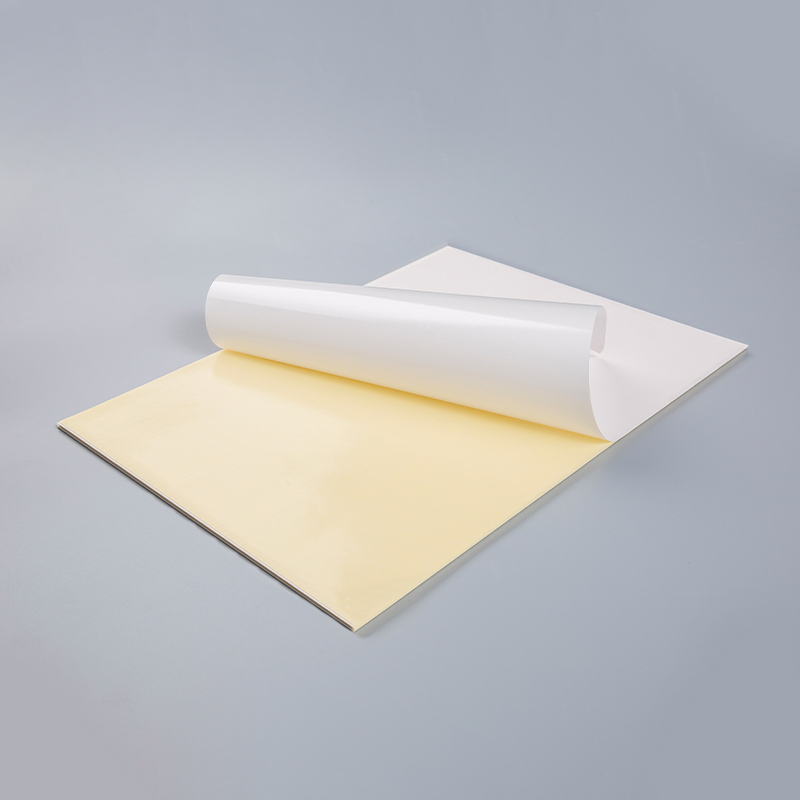
Several battery assembly steps do not need a liquid adhesive at all. Flame retardant pressure-sensitive films and laminates are used for busbar insulation, cell wrapping, surface protection, and local heat shielding. These constructions combine a dimensionally stable carrier with a carefully formulated adhesive layer and a release liner that supports automatic application.
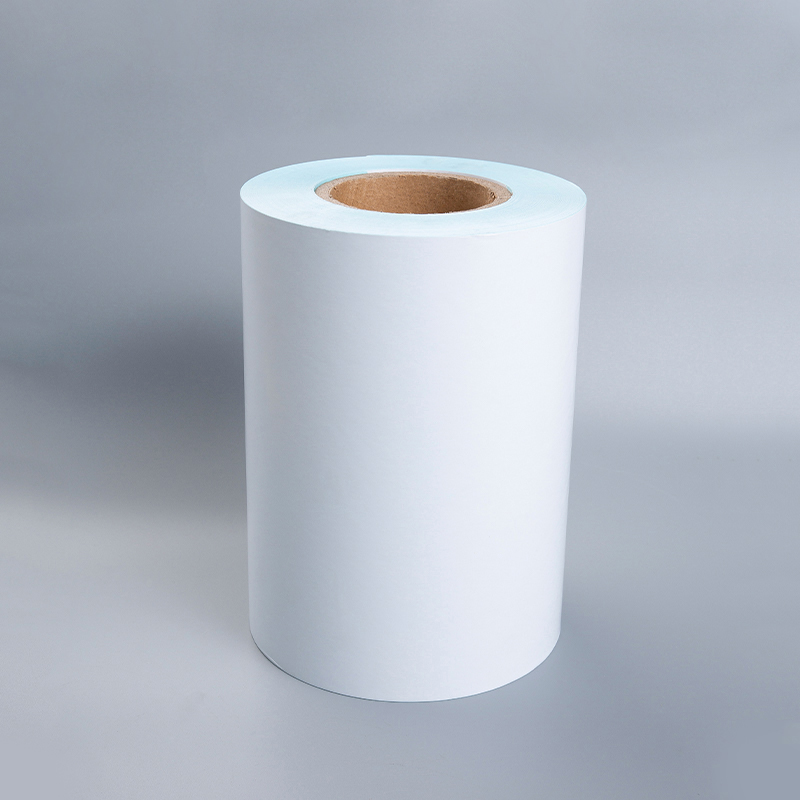
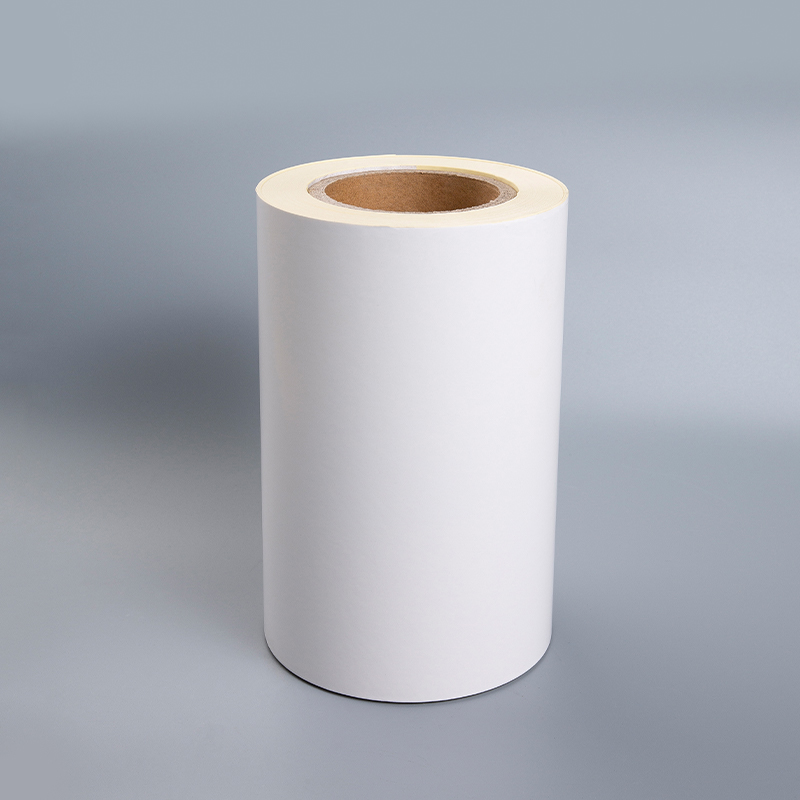
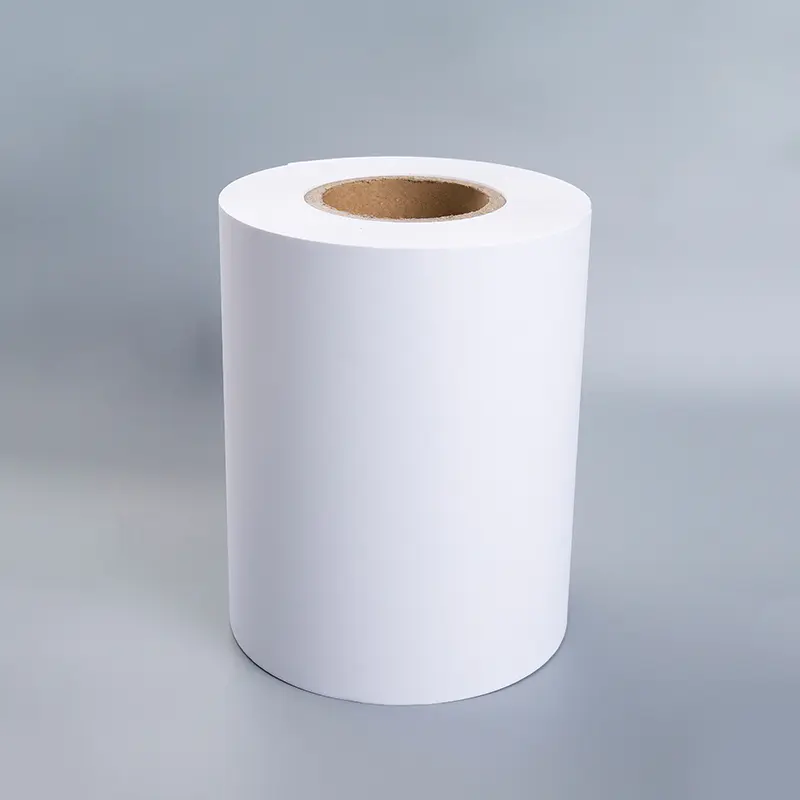
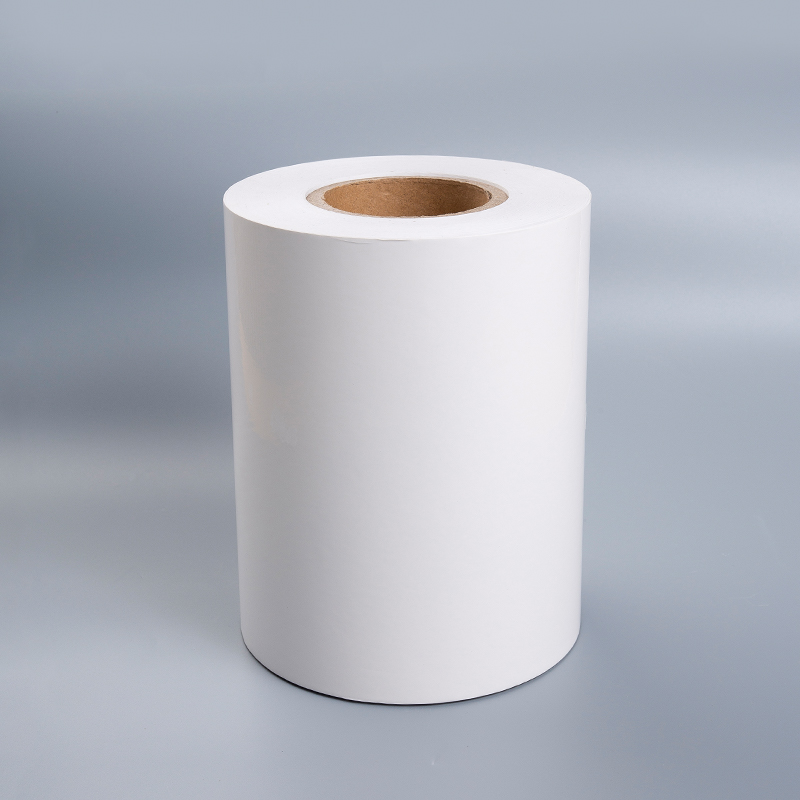
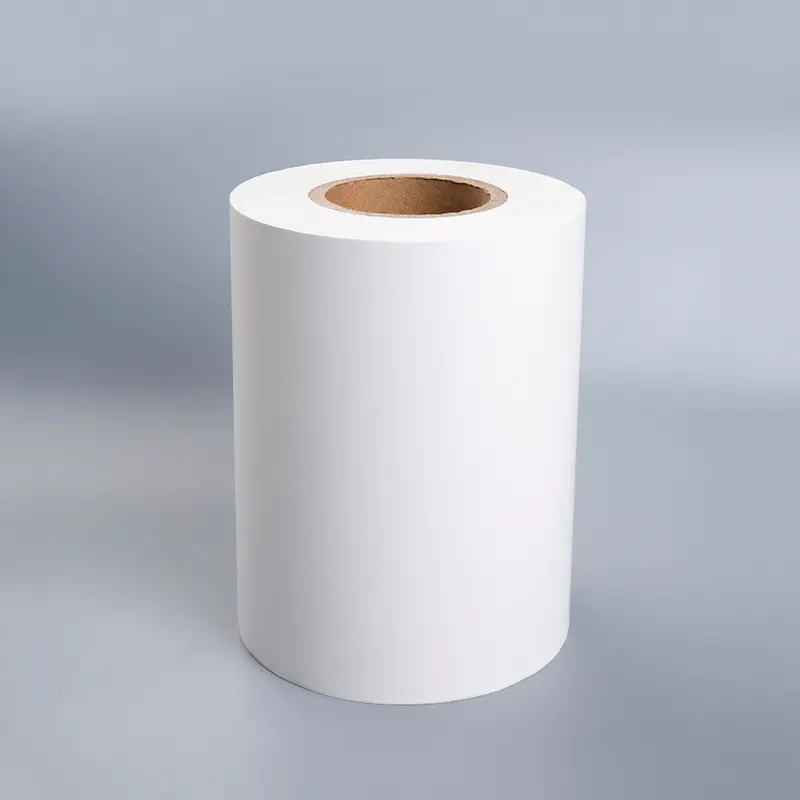
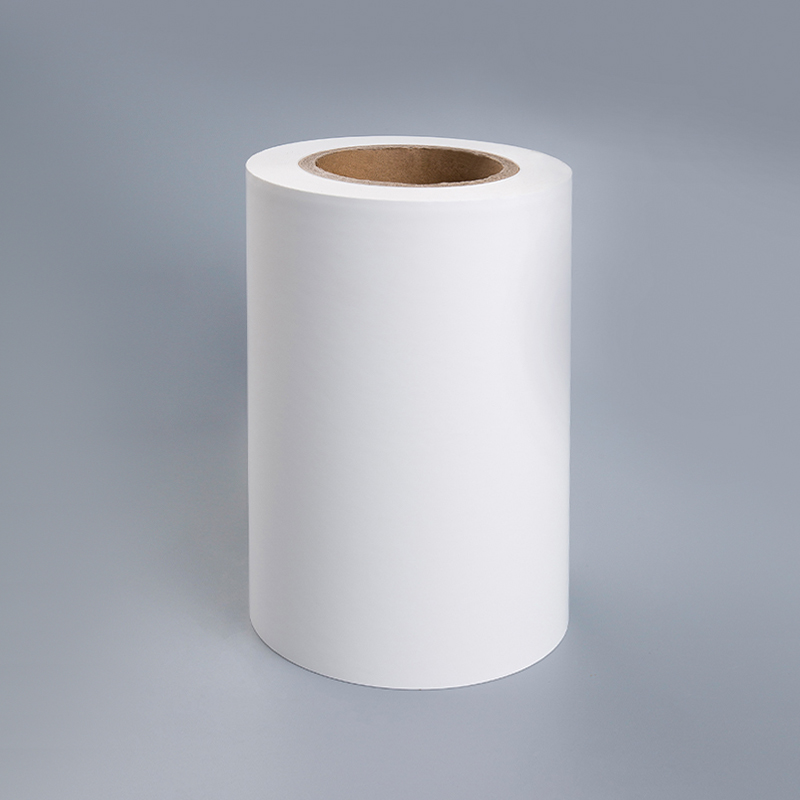
For electrical insulation and abrasion resistance, a matt silver PET adhesive film on a white glassine liner offers a useful combination of dielectric strength, dimensional stability, and a clean adhesive surface. The glassine liner protects the adhesive and keeps the material flat before it enters the assembly line. In areas exposed to radiant heat from a cell stack or a busbar joint, silver aluminum foil paper reflects heat and acts as a local thermal shield, with an adhesive layer designed to keep the foil in place as temperatures climb. When a stiffer, more printable surface is needed for trace routing or visual marking, a gloss silver PET film with a top coating provides the harder face while the flame retardant adhesive carries the safety duty underneath.
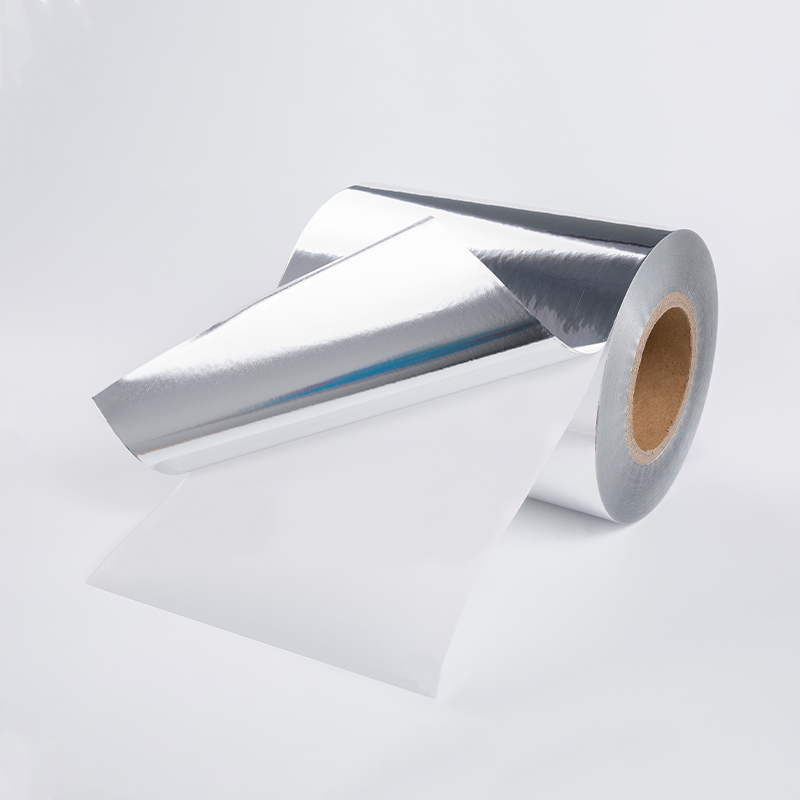 Custom PaperGloss Silver PET With Coating On Top Suppliers, CompanySuzhou Piaozhihua Composite Material Technology Co., Ltd. is China Custom PaperGloss Silver PET With Coating On Top Suppliers and Company...View Product →
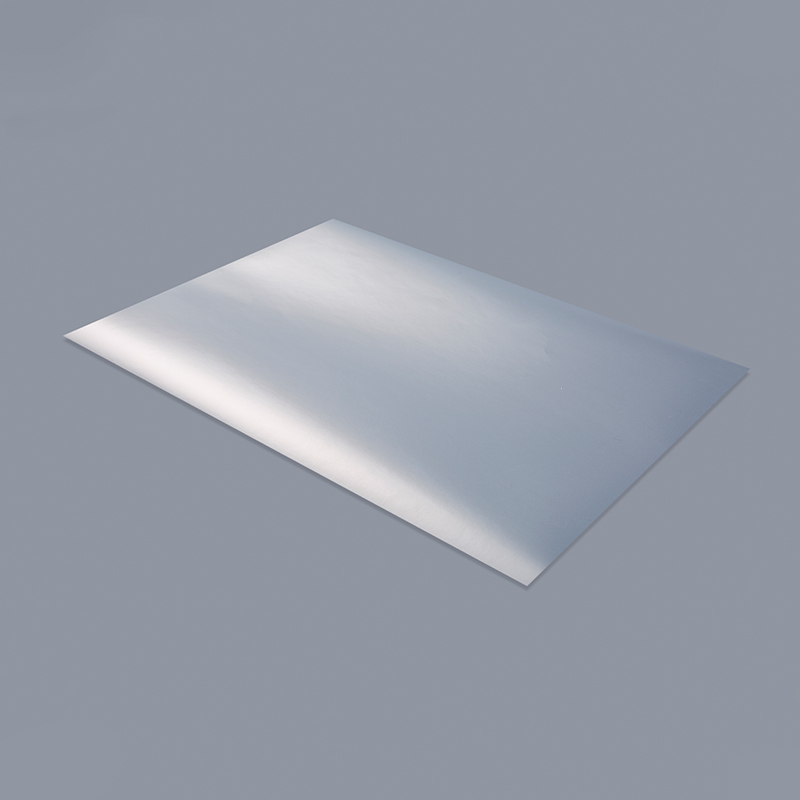 Custom Silver Aluminum Foil Paper Suppliers, CompanySuzhou Piaozhihua Composite Material Technology Co., Ltd. is China Custom Silver Aluminum Foil Paper Suppliers and Company,Material 80gsm...View Product →
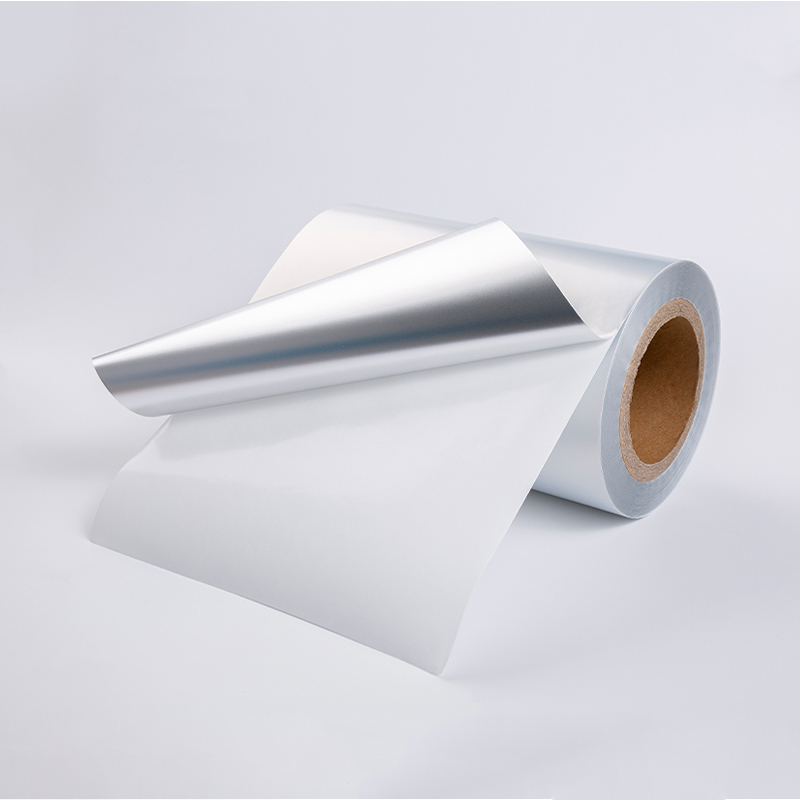 Custom Matt Silver PET With White Glassine Liner Suppliers, CompanySuzhou Piaozhihua Composite Material Technology Co., Ltd. is China Custom Matt Silver PET With White Glassine Liner Suppliers and Company...View Product →
Film-based solutions change the way engineers approach flame retardant adhesive choices because they decouple the variables. The carrier film can be selected for thermal, dielectric, or mechanical performance, while the adhesive layer is optimized separately for flame retardancy, adhesion to specific substrates, and resistance to aging and humidity. With a liquid adhesive, those decisions are locked into one formulation. With a film laminate, the converter can adjust the adhesive, the carrier, and the release liner to meet the module specification.
How to Verify a Flame Retardant Adhesive Before Committing
Certification data is a starting point, not a substitute for validation. Work through these checks before the adhesive is approved for a module program:
- Demand flame retardancy data at the actual construction thickness, including the carrier and liner, not just the bulk adhesive.
- Test adhesion after humidity exposure, thermal cycling from −40°C to 85°C, and electrolyte contact, since each can change the interface.
- Measure thermal impedance through a realistic bond line rather than relying on the bulk thermal conductivity value.
- Confirm the flame retardant package does not compromise dielectric strength or long-term aging behavior.
- If using a film adhesive, verify that the release liner peels cleanly and consistently in the module assembly environment.
Surface preparation matters more in battery modules than in most adhesive applications. Aluminum cold plates, nickel-plated busbars, and coated steel housings each have different surface energies and oxide layers. Degreasing, corona treatment, or a chemical primer may be necessary to keep the bond strong over the life of the vehicle. A flame retardant adhesive that performs well on a clean lab coupon can fail early when applied over a contaminated or low-energy surface.
It is also worth involving the material partner early. A converter with full adhesive coating and lamination lines can build a custom construction—specific carrier, adhesive chemistry, and liner—rather than forcing the module design around a catalog product. That kind of collaboration is covered in more detail in the discussion of adhesive PET films for automotive thermal insulation, and it is exactly where a typical manufacturer with adhesive coating and lamination capabilities can add value.
The Bottom Line
Flame retardant adhesive choices for EV battery modules come down to defining the module's worst credible fire scenario, then selecting a chemistry and form factor that addresses that scenario without weakening the structural bond or the thermal path. Liquid epoxies and polyurethanes handle structural and thermal joints. Silicone covers extreme temperatures. Film-based acrylic adhesives bring speed, consistency, and design flexibility to insulation and shielding tasks. The materials are proven; the engineering work is in matching them to the module, validating them under realistic conditions, and making sure every lot delivers the same flame retardancy as the first sample.