
 English
 Español
 русский
 Français
 عربى
عربىContent
- 1 What Is Thermal Synthetic Paper With White Glassine Backing?
- 2 Understanding the Role of White Glassine as a Release Liner
- 3 Construction Layers and Material Composition
- 4 Key Performance Advantages Over Paper-Based Thermal Labels
- 5 Common Applications Across Industries
- 6 Adhesive Options and Substrate Compatibility
- 7 Printer Compatibility and Print Quality Considerations
- 8 How to Choose the Right Grade for Your Specific Needs
What Is Thermal Synthetic Paper With White Glassine Backing?
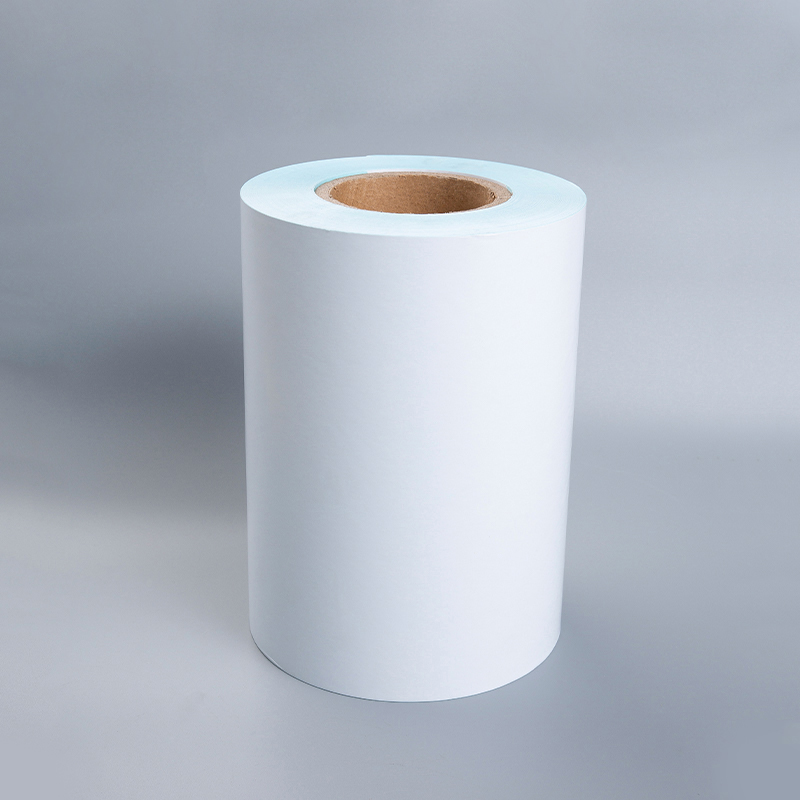
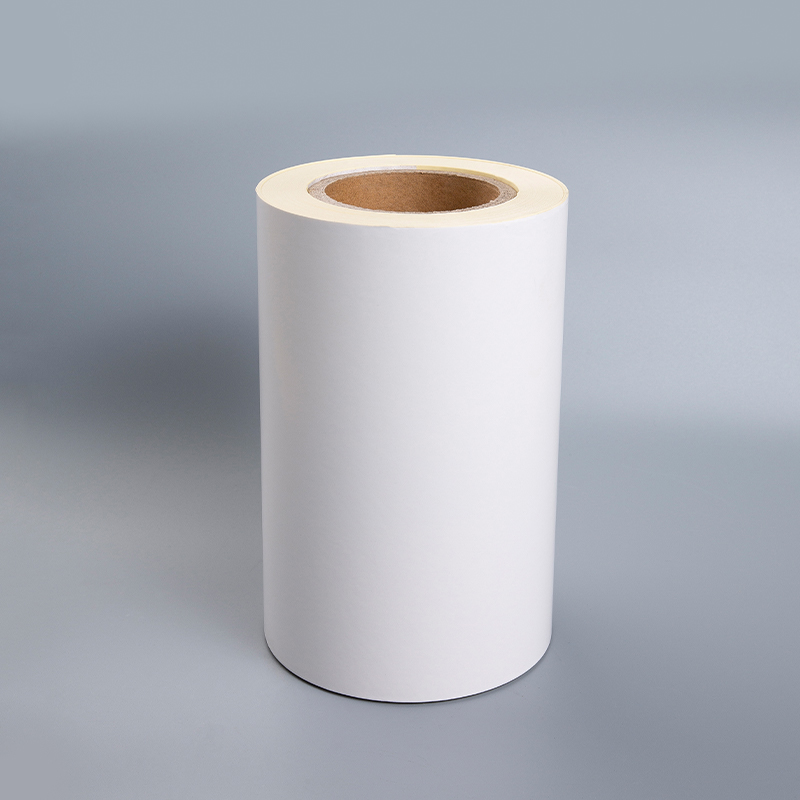
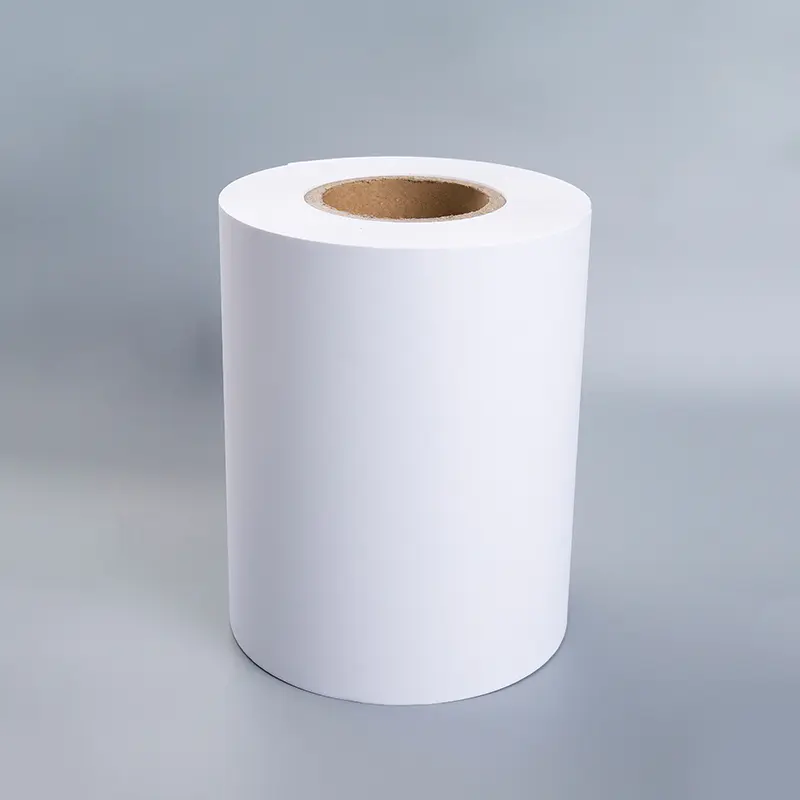
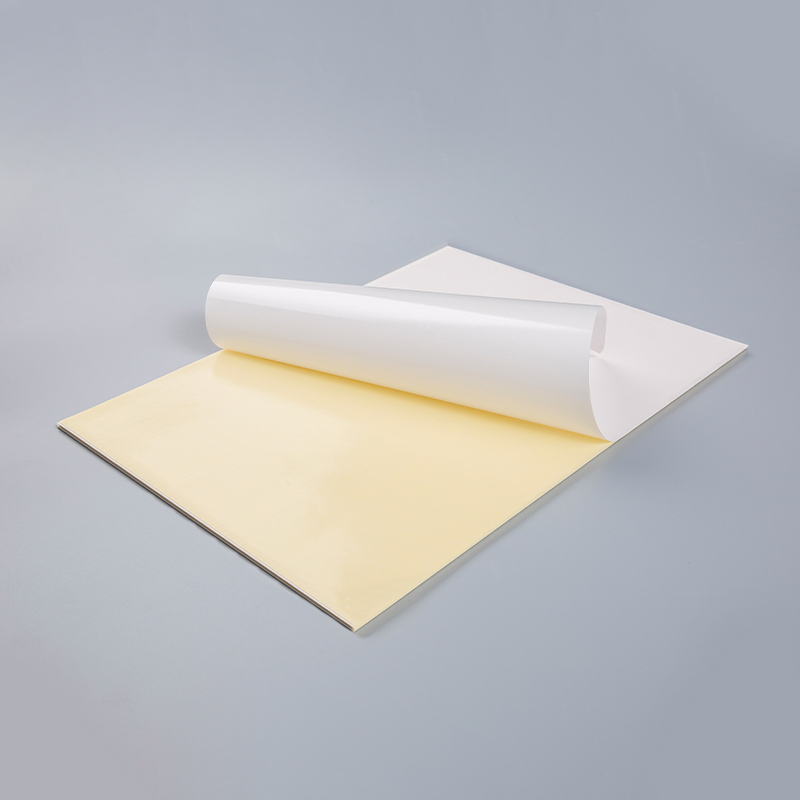
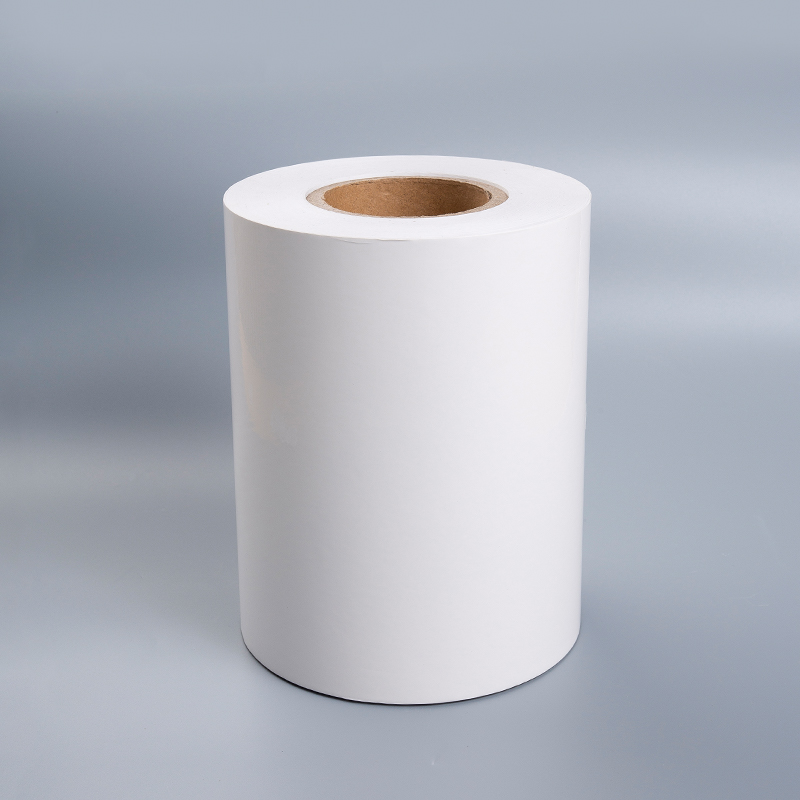
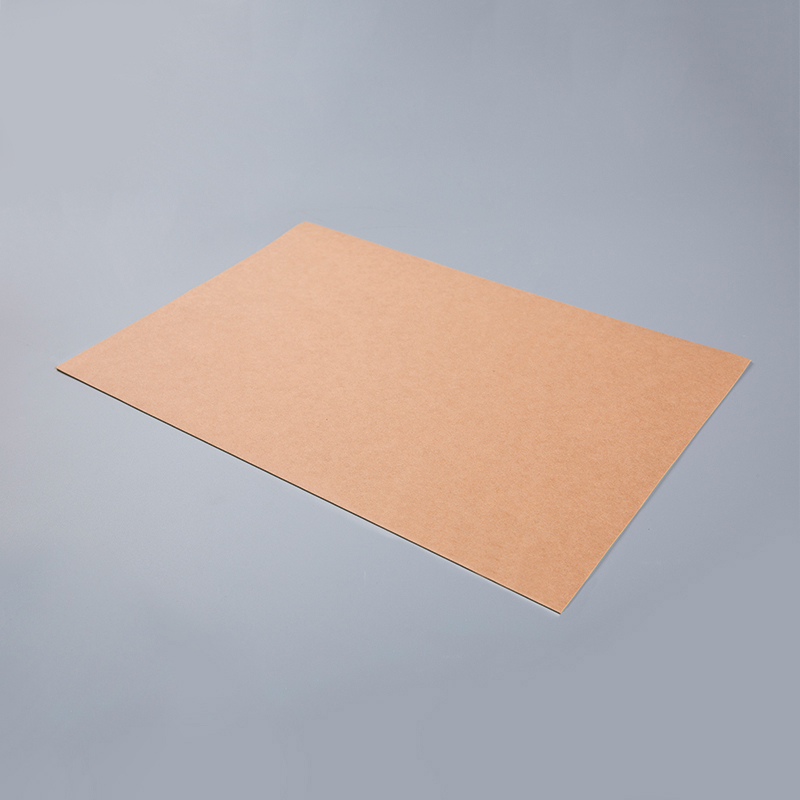
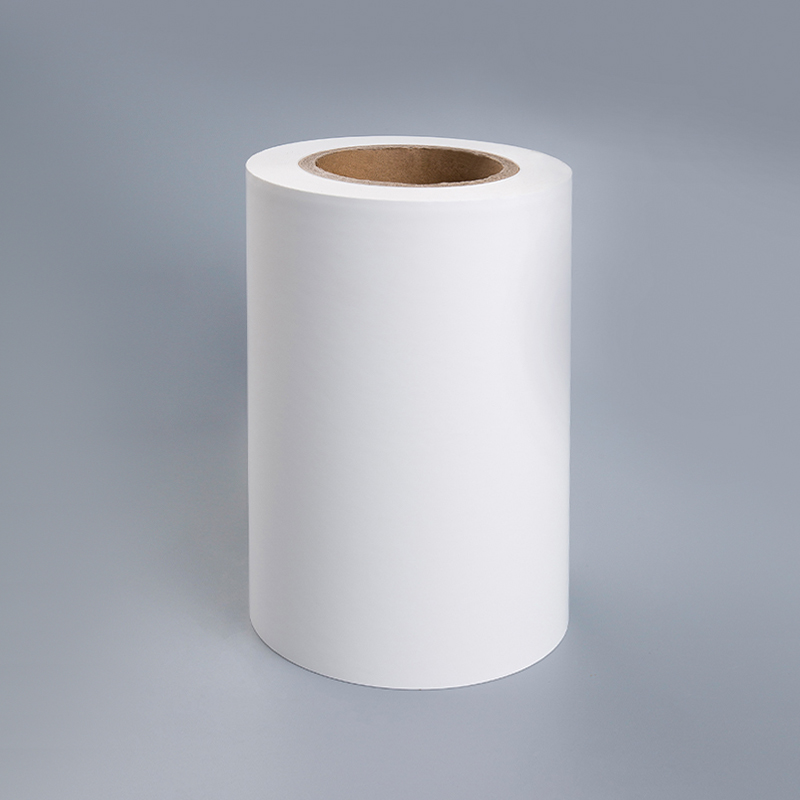
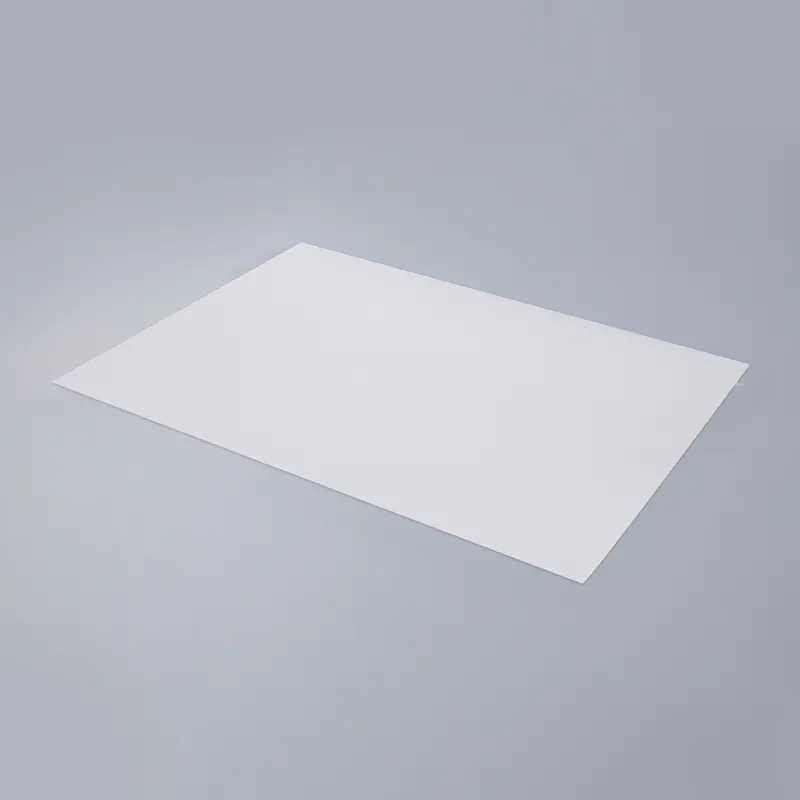
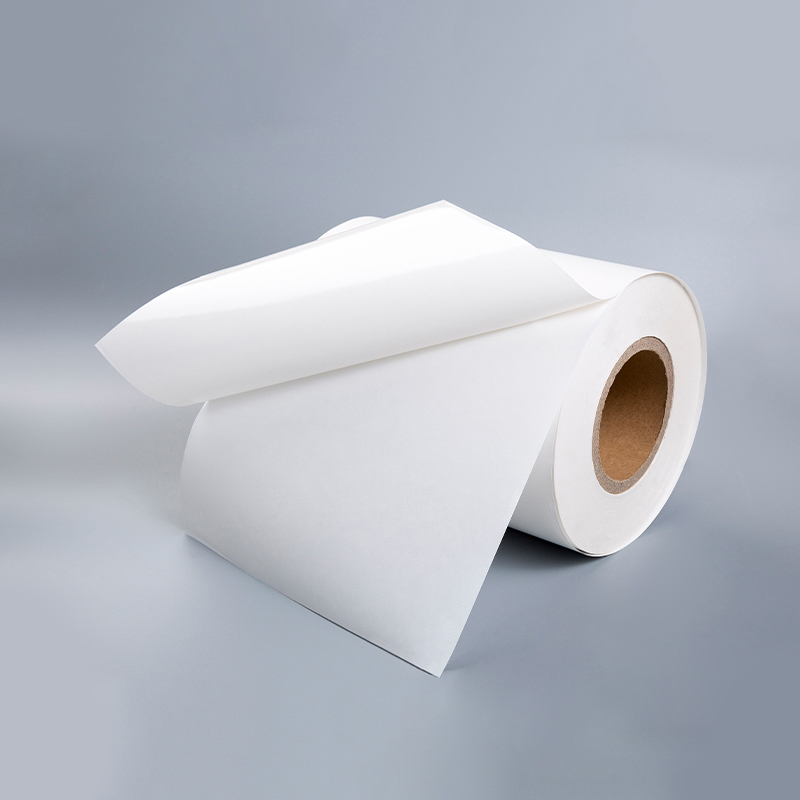
Thermal synthetic paper with white glassine backing is a two-component label material consisting of a synthetic facestock coated with a heat-sensitive thermal layer on one side, and a white glassine release liner bonded to the opposite side via a pressure-sensitive adhesive. Unlike conventional thermal paper made from wood-pulp cellulose, the facestock in this material is constructed from a synthetic polymer base — typically biaxially oriented polypropylene (BOPP) or polyester (PET) — which gives it physical properties far beyond what ordinary paper can deliver. The white glassine liner, meanwhile, provides a clean, smooth release surface that protects the adhesive during storage and allows efficient dispensing on automatic label application equipment.
The term "thermal" refers to the imaging mechanism: the facestock is coated with a thermally reactive layer containing leuco dyes and developers that produce a visible image — typically black — when exposed to a heated printhead. No ink, ribbon, or toner cartridge is required, which simplifies the printing process and reduces consumable costs. The combination of a durable synthetic facestock with thermal imaging capability and a white glassine liner creates a label construction that is simultaneously easy to print, robust in demanding environments, and efficient to apply at high speeds.
Understanding the Role of White Glassine as a Release Liner
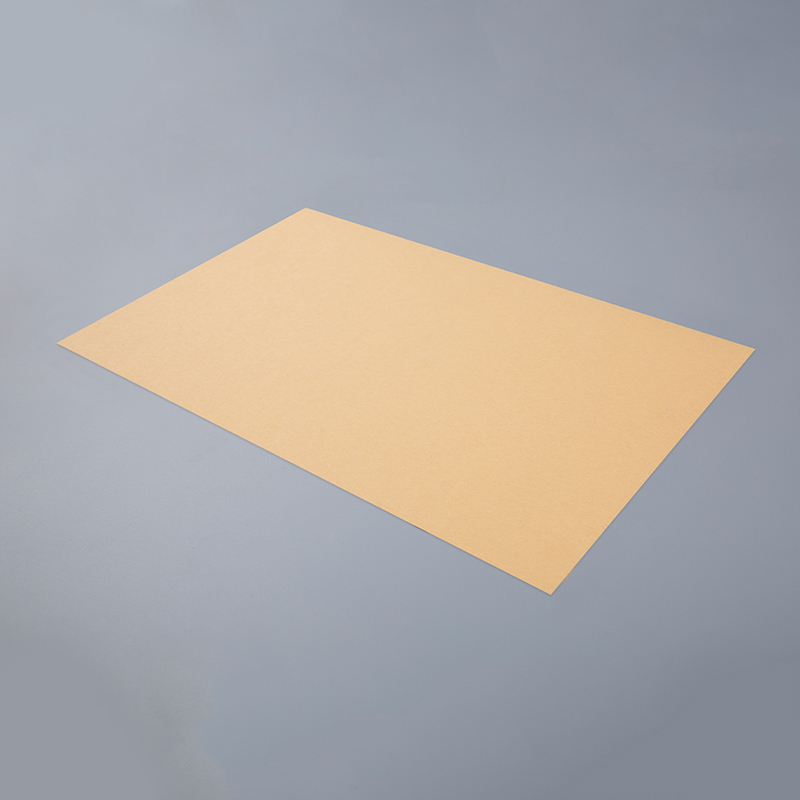
Glassine is a smooth, dense paper produced by supercalendering — a process in which the paper is passed through a series of polished rollers under high pressure, causing the cellulose fibers to lay flat and bond tightly together. This manufacturing process creates a paper with an exceptionally smooth surface, low air permeability, and a slight translucency. In label constructions, the glassine is further treated with a silicone release coating that allows the pressure-sensitive adhesive on the label facestock to peel away cleanly without leaving residue or tearing.
White glassine liners are specifically bleached and brightened to achieve a neutral white appearance rather than the natural grey or cream tone of untreated glassine. This matters in production environments because the white liner provides better contrast for print-and-apply systems that use sensors to detect label gaps for registration and dispensing. Many automatic labeling machines use optical or reflective sensors to read the gap between labels on the liner. A white background maximizes the contrast difference between the opaque label and the semi-transparent gap area, enabling fast and accurate label detection at high line speeds.
Construction Layers and Material Composition
To fully appreciate why this label material performs the way it does, it helps to understand each functional layer and how they interact within the complete laminate construction.
| Layer | Material | Function |
| Thermal Coating | Leuco dye / developer system | Produces printed image when heated |
| Synthetic Facestock | BOPP or PET film | Structural durability, moisture and tear resistance |
| Pressure-Sensitive Adhesive | Acrylic or rubber-based | Bonds label to substrate upon application |
| Silicone Release Coat | Silicone polymer | Enables clean peel from liner |
| White Glassine Liner | Supercalendered bleached paper | Carrier, sensor contrast, die-cutting support |
Each layer is engineered to work in harmony with the others. The adhesive must bond firmly enough to the facestock to prevent delamination during die-cutting and dispensing, yet release cleanly from the silicone-coated liner with a consistent peel force. The synthetic facestock must be thin enough to conform to curved surfaces while being rigid enough to feed reliably through label printer mechanisms without jamming or wrinkling.
Key Performance Advantages Over Paper-Based Thermal Labels
The choice of a synthetic facestock rather than a conventional paper facestock fundamentally changes the performance ceiling of the label. For operations where labels will encounter moisture, chemicals, abrasion, or extreme temperatures, this distinction is the difference between a label that lasts and one that fails prematurely.
- Water and moisture resistance: Synthetic polymer facestocks do not absorb water. Labels applied to products stored in refrigerated or frozen environments, or that will be exposed to rain, condensation, or cleaning solutions, retain their structural integrity and image legibility without softening, tearing, or smearing.
- Tear and puncture resistance: Polypropylene and polyester films are significantly stronger than paper in both tear and puncture resistance. This makes synthetic thermal labels suitable for rough-handling logistics, industrial parts tracking, and outdoor asset labeling where paper would shred or degrade quickly.
- Chemical resistance: Synthetic facestocks resist mild acids, alkalis, oils, and solvents better than paper, making them appropriate for chemical drum labeling, automotive parts, and cleaning product packaging where label integrity under chemical exposure is required.
- Smear resistance: High-quality thermal coatings on synthetic substrates can include a protective topcoat that shields the printed image from smearing due to friction, moisture, or oil contamination — a common failure mode with unprotected thermal paper labels.
- Extended image life: Thermal images on synthetic facestocks with protective topcoats can remain legible for five years or more under controlled conditions, compared to the one-to-two-year typical lifespan of unprotected standard thermal paper labels stored under ambient light and temperature.
Common Applications Across Industries
The durability and print clarity of thermal synthetic paper with white glassine backing have made it the label of choice in a wide range of industries. Its ability to withstand environments that would destroy conventional paper labels opens up applications where labeling reliability is operationally critical.
Logistics, Warehousing, and Shipping
In supply chain operations, labels must survive transit through multiple climatic zones, outdoor exposure during loading and unloading, and rough handling on conveyor systems and forklifts. Thermal synthetic labels on white glassine liners are widely used for shipping carton labels, pallet identification, and warehouse location markers. Their barcode print quality remains scanner-readable even after surface abrasion or exposure to light rain, which is essential for maintaining inventory accuracy and preventing costly scanning failures at receiving docks.
Food and Beverage Labeling
Cold chain logistics demands labels that perform at temperatures as low as −25 °C without adhesive failure or image loss. Synthetic thermal labels with cold-temperature acrylic adhesives and white glassine liners are used on frozen food packaging, refrigerated beverage containers, and fresh produce trays. The moisture resistance of the facestock prevents the label from becoming soggy and falling off when the product is removed from cold storage and begins to sweat in a warmer environment — a common and costly problem with standard paper labels.
Healthcare and Laboratory Environments
Specimen tube labels, blood bag identification, and pharmaceutical unit-dose labels require materials that withstand autoclaving, liquid nitrogen storage, disinfectant wipe-down procedures, and exposure to biological fluids. Specialized grades of thermal synthetic paper are engineered specifically for these extreme conditions. The white glassine liner supports precise die-cutting of the small, narrow label formats typical in laboratory settings, and its consistent release properties enable reliable application on curved tube surfaces using automated applicators.
Retail and Product Identification
Retail price tags, barcode labels for durable goods, and outdoor product identification tags benefit from synthetic thermal construction when the labeled item will be stored outdoors, displayed in sunny windows, or subjected to handling by many customers. Unlike paper thermal labels, which yellow and lose image contrast under UV exposure, synthetic facestocks with UV-stabilized topcoats maintain a professional appearance for the full product sales cycle. This is especially relevant in garden centers, hardware stores, and outdoor equipment retailers.
Adhesive Options and Substrate Compatibility
Selecting the right adhesive is as important as selecting the right facestock, because the adhesive determines how well the label bonds to the target surface and how it performs over the product's service life. Thermal synthetic paper with white glassine backing is available with several adhesive formulations tailored to different substrates and environmental conditions.
- Permanent acrylic adhesive: The standard choice for most applications. Provides strong, long-term adhesion to cardboard, plastics, glass, and metal. Suitable for ambient to refrigerated temperature ranges.
- Freezer-grade acrylic adhesive: Formulated to bond at temperatures as low as −25 °C. Remains flexible and adhesive in deep-freeze conditions where standard adhesives become brittle and lose tack.
- Removable adhesive: Designed to be peeled cleanly from the substrate without leaving adhesive residue. Used in retail price labeling, temporary asset tracking, and applications where the label may need to be repositioned.
- High-tack rubber adhesive: Provides aggressive initial tack on difficult, low-energy surfaces such as polyethylene, polypropylene, and rough or recycled cardboard. Preferred for logistics labels applied to corrugated cartons with waxy or dusty surfaces.
- Tamper-evident adhesive: Leaves a visible "VOID" pattern or residue on the substrate when the label is removed. Used in security sealing, warranty labels, and pharmaceutical packaging where evidence of tampering must be detectable.
Printer Compatibility and Print Quality Considerations
Thermal synthetic paper with white glassine backing is designed for use with direct thermal desktop and industrial label printers from all major manufacturers, including Zebra, Honeywell, SATO, and Datamax. Because the imaging is performed by the printer's thermal printhead pressing against the heat-sensitive coating on the facestock, print quality is heavily influenced by printhead temperature settings, print speed, and the thermal sensitivity of the specific label grade.
Higher printhead temperatures produce darker, higher-contrast images but can accelerate printhead wear and may cause image bleeding on sensitive thermal coatings. Conversely, printing too cool results in faint images with poor barcode contrast that may fail scanner verification. For critical barcode applications — particularly those requiring ISO/IEC 15416 verification compliance — it is advisable to test print settings with the specific synthetic thermal label grade being used and verify output quality with a barcode verifier rather than relying solely on visual inspection.
The white glassine liner's consistent caliper (thickness) and smooth surface are important for reliable liner feeding through printer mechanisms. Liners that vary in thickness or have surface defects can cause inconsistent label registration and jamming, particularly in high-speed industrial printers running thousands of labels per shift. Specifying label rolls wound to consistent liner tension and stored at correct temperature and humidity prevents these mechanical issues before they disrupt production.
How to Choose the Right Grade for Your Specific Needs
With multiple facestock polymers, adhesive options, thermal coating sensitivities, and topcoat configurations available, selecting the optimal thermal synthetic paper with white glassine backing requires a structured evaluation of the end-use requirements. Consider the following decision factors before specifying a grade:
- Storage and use temperature: Define the minimum and maximum temperatures the labeled product will encounter from application through end of service life. This drives adhesive selection and may influence facestock polymer choice.
- Chemical exposure: List any chemicals the label surface or edges may contact. Verify facestock and topcoat compatibility with these chemicals through supplier testing data or independent swatch testing.
- Required image durability: Determine how long the printed information must remain legible and scannable. Applications requiring multi-year durability need a topcoated grade; short-lifecycle logistics labels may not justify the added cost.
- Application method: Confirm whether labels will be applied manually or by automated print-and-apply equipment. High-speed automation requires consistent liner thickness, release force, and roll geometry to prevent application errors.
- Substrate surface energy: Identify the material of the surface the label will be applied to. Low-surface-energy plastics such as HDPE and PP require high-tack or specially formulated adhesives to achieve reliable long-term adhesion.