
 English
 Español
 русский
 Français
 عربى
عربىContent
- 1 What Self Adhesive PVC Film Is and How It's Built
- 2 Key Physical Properties That Define Its Performance
- 3 Industries That Rely on This Material
- 4 Comparing Film Finish Types for Different Applications
- 5 Application Best Practices for Long-Term Durability
- 6 Evaluating Outdoor Durability Before Large-Scale Use
What Self Adhesive PVC Film Is and How It's Built
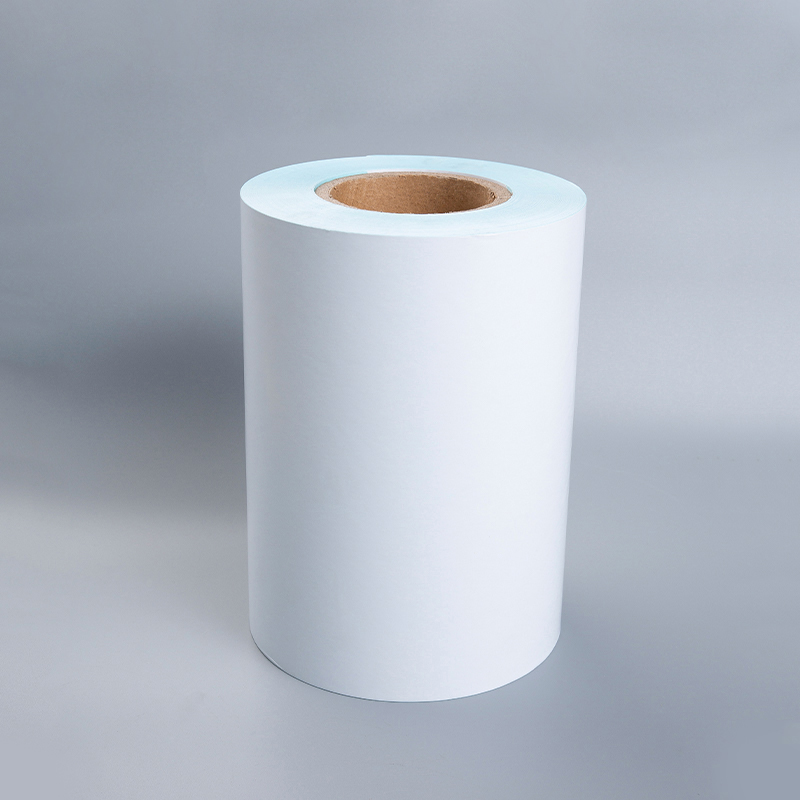
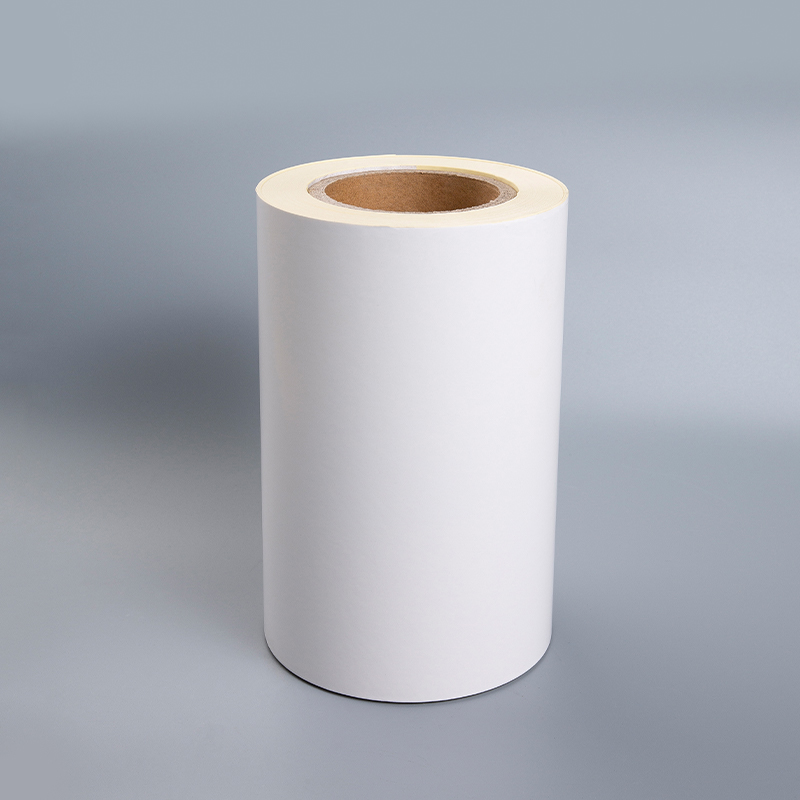
Self adhesive PVC film is a polymer-based material consisting of a PVC base layer combined with an adhesive backing, designed to bond directly to a surface without requiring separate glue, tape, or mechanical fastening. The PVC layer itself is valued for its non-flammability, high tensile strength, and stability across a wide range of environmental conditions, making it a practical choice for applications that need to hold up over extended periods without degrading.
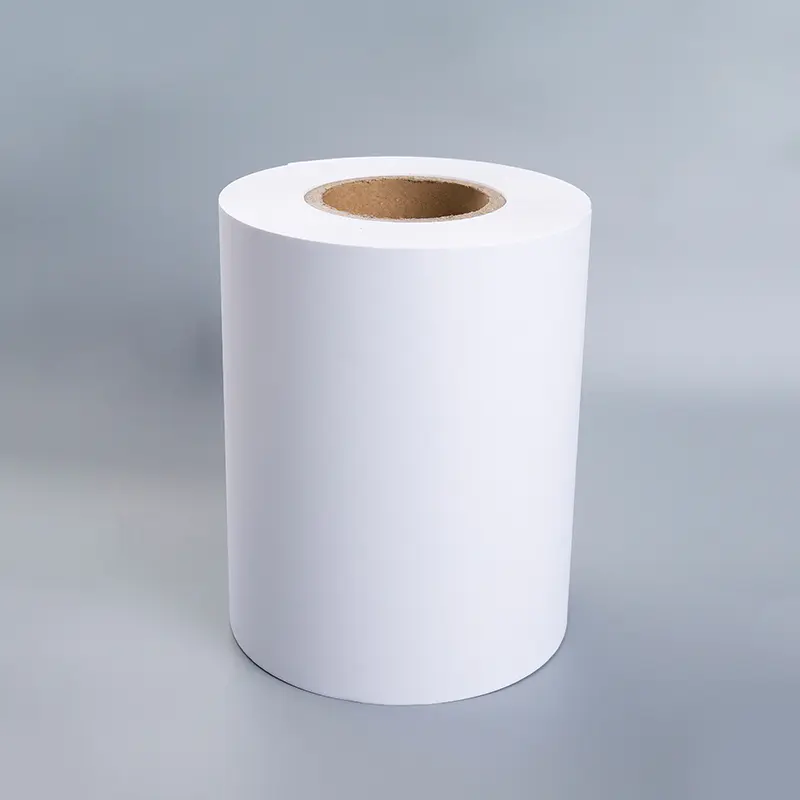
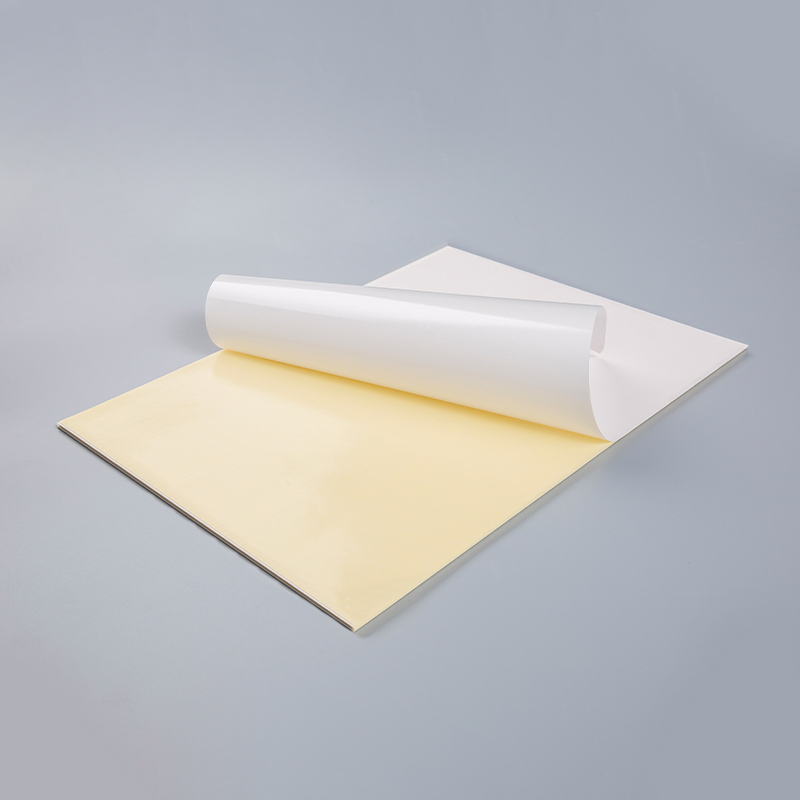
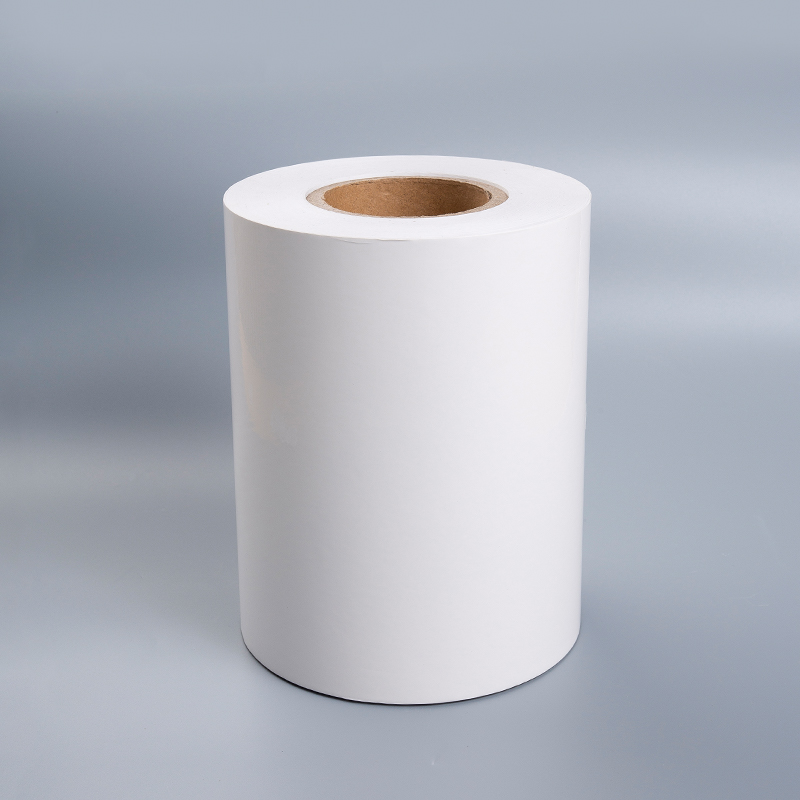
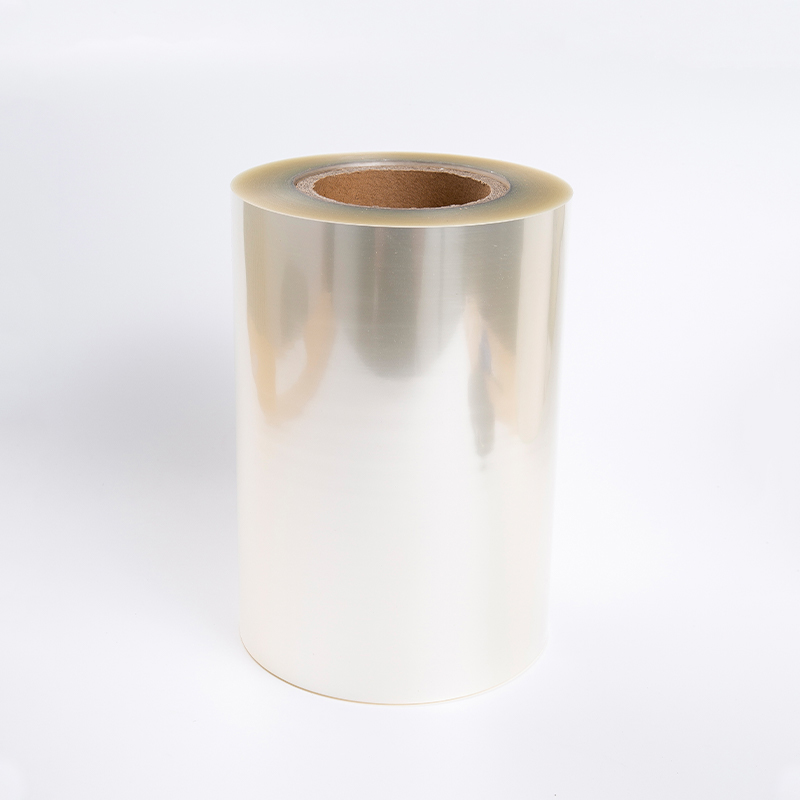
The film's structure typically includes the printed or colored PVC face layer, an adhesive coating, and a release liner that protects the adhesive until the film is ready for application. This layered construction allows manufacturers to produce film in large rolls that can be cut, printed, and applied efficiently across different industries, from construction signage to product packaging labels.
Key Physical Properties That Define Its Performance
Several physical characteristics set self adhesive PVC film apart from other adhesive film materials, and understanding them helps buyers match the right film to their specific application requirements.
Flexibility and Shrinkage Control
Good flexibility allows the film to conform to curved or irregular surfaces without cracking or lifting at the edges, which matters for applications like wrapping cylindrical containers or applying film to uneven substrates. Controlled shrinkage properties also help the film maintain dimensional accuracy after application, reducing the risk of bubbling or edge curling over time.
Light Permeability and Labeling Performance
Depending on the formulation, PVC film can be produced with varying levels of light permeability, from fully opaque to translucent, which affects how printed labels and graphics appear once applied. Combined with strong ink adhesion properties, this makes the film well suited for detailed labeling work where print clarity and color accuracy need to hold up over time.
Chemical and Weather Resistance
Resistance to chemical corrosion and climate variation allows the film to maintain its appearance and adhesion strength when exposed to moisture, temperature swings, and mild chemical contact, which is a key reason it performs reliably in outdoor and industrial settings.
Industries That Rely on This Material
Self adhesive PVC film serves a wide range of industrial and commercial applications, largely due to its combination of durability, adhesion strength, and processing flexibility.
- Building materials, including surface finishing for doors, window frames, and interior panels
- Packaging, particularly for labels and decorative wrapping on non-food, non-pharmaceutical products
- Outdoor signage and vehicle graphics that need to withstand sun exposure and weather changes
- Industrial equipment labeling where chemical exposure or frequent handling is expected
- Furniture and cabinetry surface wraps for decorative or protective finishing
Because the material is generally not approved for direct food or pharmaceutical contact, buyers in those industries need to source alternative film types specifically certified for such use, while other sectors can take advantage of PVC film's durability without that restriction.
Comparing Film Finish Types for Different Applications
Self adhesive PVC film is available in multiple finish types, each suited to different visual and functional goals. Choosing the right finish affects both appearance and how the film performs under handling and environmental exposure.
| Finish Type | Visual Characteristics | Best Suited For |
| Glossy | High shine, vibrant color reproduction | Retail labeling, promotional graphics |
| Matte | Low glare, subdued appearance | Interior furniture wraps, signage in bright environments |
| Transparent | See-through with printed detail visible through film | Window graphics, layered packaging designs |
| Textured | Embossed or patterned surface | Decorative building material finishes |
Matching the finish to the intended viewing environment and functional purpose helps avoid mismatched expectations once the film is applied at scale.
Application Best Practices for Long-Term Durability
Even a high-quality PVC film can underperform if applied incorrectly. Following a few core application practices helps ensure the film bonds properly and holds up under the conditions it was designed for.
- Clean and dry the target surface thoroughly before application to remove dust, oil, or moisture that could weaken adhesion
- Apply film within the manufacturer's recommended temperature range to avoid poor adhesive activation
- Use a squeegee or roller to eliminate air bubbles during application, particularly on larger surface areas
- Allow adequate curing time before exposing the applied film to heavy handling or outdoor elements
- Store unused rolls in a cool, dry environment away from direct sunlight to preserve adhesive performance before use
These steps matter particularly for outdoor applications, where improper application can lead to premature lifting, bubbling, or discoloration well before the film's expected service life is reached.
Evaluating Outdoor Durability Before Large-Scale Use
For buyers planning long-term outdoor applications, such as signage, building material finishes, or vehicle graphics, it's worth confirming the film's expected weather resistance rating and UV stability before committing to a large order. Manufacturers typically test films for resistance to fading, cracking, and adhesive breakdown under prolonged sun and temperature exposure, and this data can help set realistic expectations for how long a given film will maintain its appearance and bond strength once installed.
Requesting a sample panel and exposing it to real outdoor conditions for a trial period, rather than relying solely on manufacturer specifications, gives buyers a more direct sense of how the film will perform in their specific climate and use case before scaling up to full production quantities.