
 English
 Español
 русский
 Français
 عربى
عربىIn the competitive world of product packaging, the label is often the first — and most lasting — impression a consumer receives. For categories like mineral water, soft drinks, skincare, and household cleaning products, label materials must do far more than simply carry printed information. They must adhere reliably to curved or irregular surfaces, survive condensation and moisture, maintain optical clarity, and meet the regulatory standards of multiple markets. Transparent PVC (polyvinyl chloride) film with a clear PET (polyethylene terephthalate) liner has emerged as one of the most trusted solutions for meeting all of these demands simultaneously, which explains its extraordinary breadth of adoption across label-intensive industries.
Content
- 1 Understanding the Material Structure
- 2 The "No-Label Look" Advantage for Consumer Products
- 3 Moisture and Condensation Resistance in Cold-Chain Applications
- 4 Conformability to Curved and Squeezable Containers
- 5 Performance in Cosmetic and Skincare Labeling
- 6 Compatibility with High-Speed Automatic Labeling Lines
- 7 Applications in Daily Chemical and Household Product Labeling
- 8 Print Versatility Across Decoration Techniques
- 9 Regulatory Compliance and Food-Contact Safety
- 10 Conclusion
Understanding the Material Structure
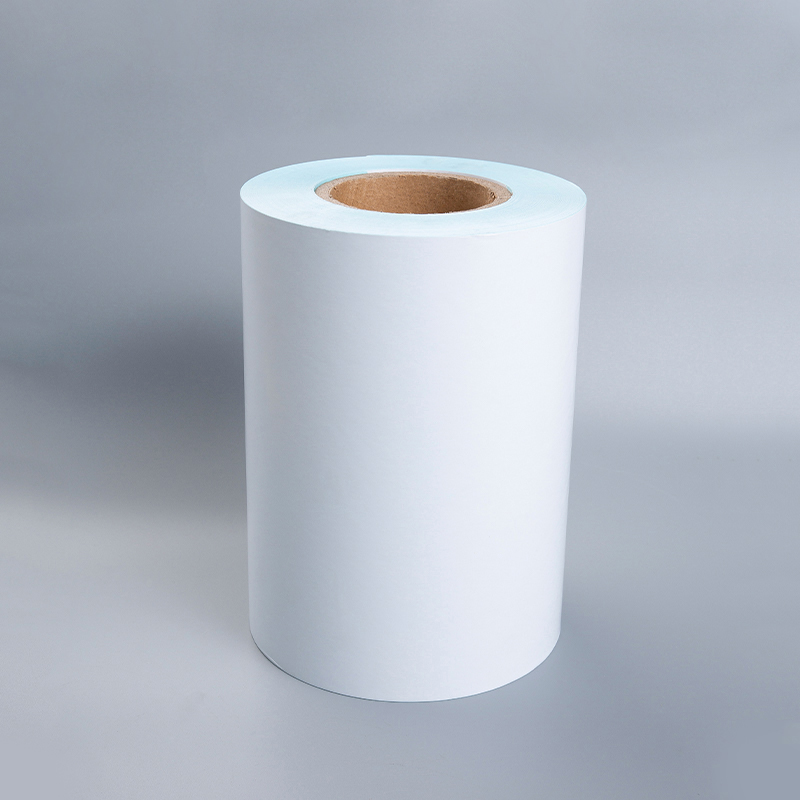
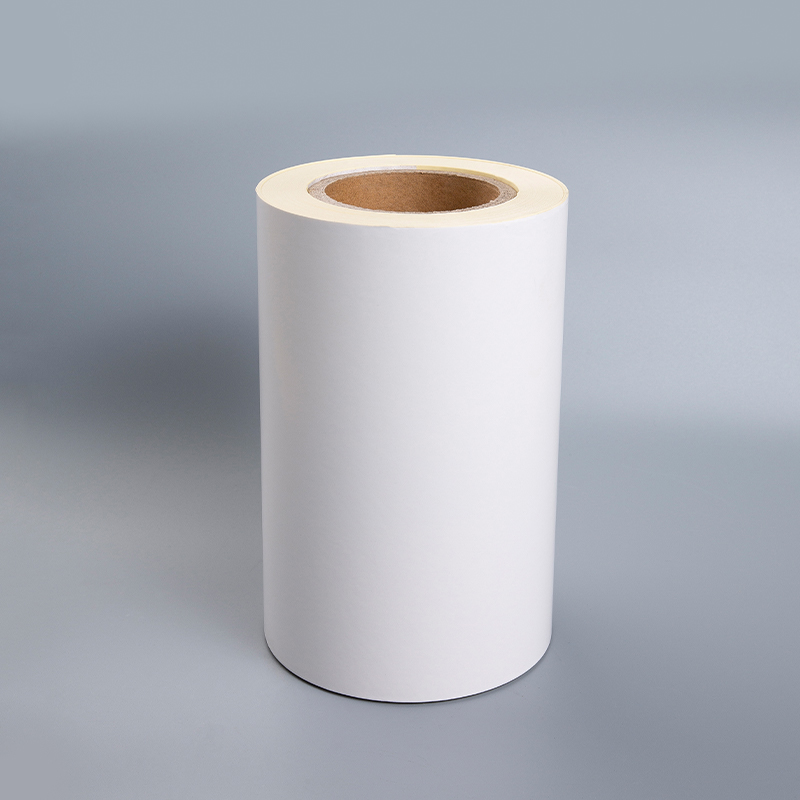
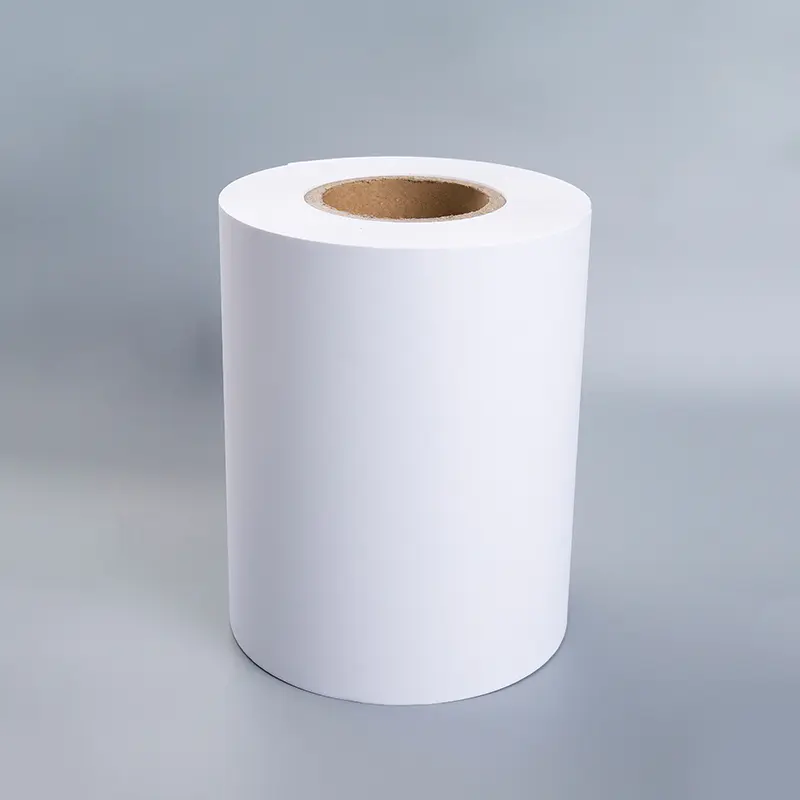
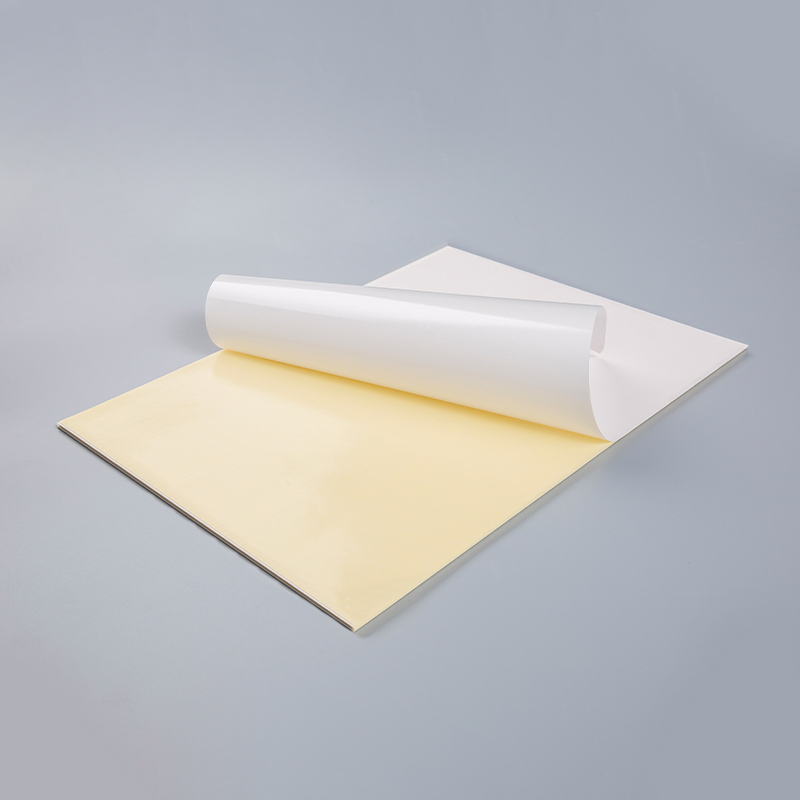
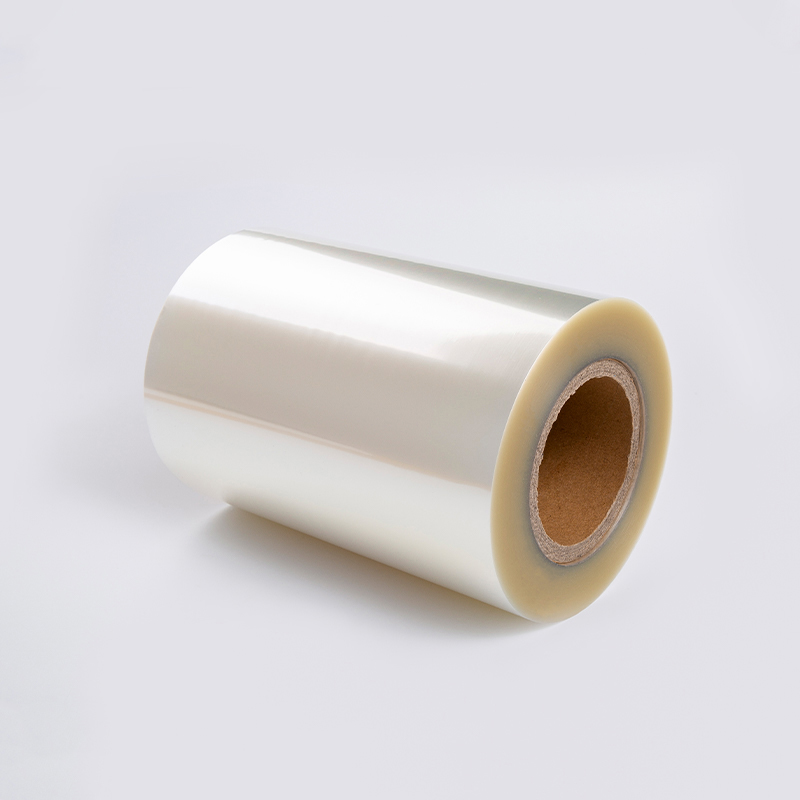
Transparent PVC with Clear PET Liner is a pressure-sensitive label stock composed of two distinct functional layers. The face stock — the transparent PVC film — serves as the printable surface and the visible label that the end consumer sees on the finished product. The liner — the clear PET film — acts as a release carrier that protects the adhesive layer during storage, die-cutting, and transportation, and feeds cleanly through automatic labeling machinery during high-speed production runs.
PVC film for label applications is typically produced in thicknesses ranging from 60 to 100 microns. It can be calendered or cast depending on the conformability requirements of the target container. The clear PET liner, usually 23 to 50 microns thick, is siliconized on the adhesive-facing side to provide controlled, consistent release. Unlike opaque glassine or paper liners, the transparency of the PET liner allows label converters to inspect adhesive coverage, check for air bubbles, and verify print registration from both sides — a practical quality-control advantage that reduces waste in high-volume production environments.
The "No-Label Look" Advantage for Consumer Products
One of the defining commercial reasons for the widespread adoption of transparent PVC label films across mineral water and beverage packaging is the so-called "no-label look." When a clear PVC label is applied to a transparent PET or glass bottle, the label appears to be printed directly onto the container surface itself. This creates a premium, clean aesthetic that resonates strongly with modern consumers who associate minimalism and transparency with product purity and quality.
For mineral water brands in particular, this visual effect directly reinforces the product's core identity. A label that "disappears" into the bottle communicates that the product inside is clean and uncontaminated — a subtle but powerful piece of visual marketing that paper or opaque film labels cannot deliver. Beverage brands, from premium sparkling waters to artisanal juices, have leveraged this aesthetic for years to justify price premiums and stand out on retail shelves crowded with conventional packaging.
Moisture and Condensation Resistance in Cold-Chain Applications
Mineral water bottles and beverages spend significant portions of their life cycle in refrigerated cases, ice buckets, or on condensation-prone surfaces. Paper labels — even those treated with moisture-resistant coatings — are prone to edge lifting, wrinkling, tearing, and ink smearing when exposed to prolonged moisture. These failures are not just cosmetic problems; they can trigger product returns and regulatory issues when label information becomes illegible.
Transparent PVC film is inherently waterproof. It does not absorb moisture, does not swell, and does not lose adhesion when wet, provided the appropriate adhesive chemistry is selected for the application. When combined with a solvent-based or emulsion-based permanent adhesive suited for low-energy surfaces and cold temperatures, transparent PVC labels maintain full adhesion and print legibility even after extended exposure to ice water, refrigerator condensation, or outdoor humidity — conditions that would rapidly destroy competing label materials.
Conformability to Curved and Squeezable Containers
Beverage, cosmetic, and daily chemical containers come in an enormous variety of shapes — cylindrical PET bottles, oval shampoo containers, tapered lotion tubes, and ergonomically contoured cleaning product bottles. A label material that cannot conform smoothly to these geometries will develop edge lifting, flagging, or wrinkles that compromise both appearance and adhesion over time.
PVC film possesses a natural softness and elongation that allows it to conform to curved surfaces without stress cracking. Its flexibility also means that when the container itself flexes — as squeezable shampoo or conditioner bottles frequently do — the label flexes with it rather than cracking, peeling, or bubbling. This conformability, combined with the clarity of the film, ensures that labels on cosmetic containers retain their premium appearance throughout the product's use cycle, which is critical for brands selling through premium retail channels where damaged packaging can lead to markdowns or delisting.
Performance in Cosmetic and Skincare Labeling
The cosmetics and personal care industry imposes some of the most demanding label performance requirements across all consumer product categories. Labels on serums, moisturizers, toners, and body lotions are routinely exposed to oils, alcohols, and active ingredients that can migrate through the container walls or drip onto the label surface during application. These substances can attack adhesive bonds, cause inks to bleed, or promote film delamination in less chemically resistant label stocks.
Transparent PVC film demonstrates strong resistance to the alcohol-based and oil-based substances commonly found in cosmetic formulations. Its non-porous surface prevents these chemicals from penetrating the face stock, and when printed with UV-cured or solvent-based inks — both of which are widely used in cosmetic label printing — the ink layer bonds durably to the PVC surface and resists scuffing, scratching, and chemical attack. This durability is essential for maintaining brand image integrity on premium skincare products that may sit on a bathroom shelf or vanity for months.
Compatibility with High-Speed Automatic Labeling Lines
Modern beverage and consumer goods production lines operate at speeds measured in hundreds or even thousands of containers per minute. Label materials that feed inconsistently, stretch unevenly, or fail to release cleanly from their liner can cause line stoppages, mislabeling, and significant productivity losses. The clear PET liner used in conjunction with the transparent PVC face stock addresses these operational demands directly.
| Property | Clear PET Liner | Traditional Glassine Liner |
| Dimensional Stability | Excellent — minimal stretch | Moderate — humidity sensitive |
| Moisture Resistance | High — no moisture absorption | Low — paper-based, absorbs moisture |
| Visual Inspection | Transparent — full visibility | Opaque — inspection limited |
| Die-Cutting Precision | High — consistent thickness | Moderate — caliper variation |
| Release Consistency | Very consistent at high speeds | Can vary with humidity changes |
PET's dimensional stability means the liner does not stretch or distort as it travels through dispensing heads, ensuring that label placement remains accurate across long production runs. Its moisture resistance prevents the caliper and stiffness variations that paper-based liners experience in humid production environments — a particularly relevant advantage in bottling plants where steam cleaning and water spray are routine.
Applications in Daily Chemical and Household Product Labeling
Daily chemical products — including laundry detergents, fabric softeners, surface cleaners, and dishwashing liquids — present a particularly harsh labeling environment. Containers are frequently handled with wet or chemically contaminated hands, stored in humid bathrooms or under sinks, and subjected to splashes of the very aggressive chemicals they contain. Labels in this category must maintain adhesion and legibility under all of these conditions while also conveying regulatory information, usage instructions, and safety warnings that must remain readable throughout the product's life.
Transparent PVC labels in this segment are often specified with aggressive permanent adhesives capable of bonding to high-density polyethylene (HDPE) and polypropylene (PP) — the two most common container materials for household chemical products, both of which are notoriously difficult substrates for adhesive bonding due to their low surface energy. The combination of a chemically resistant PVC face stock, a robust adhesive, and the dimensional support provided by the clear PET liner during application results in a label system that withstands the rigors of the household chemical supply chain from factory to consumer.
Print Versatility Across Decoration Techniques
Another factor driving broad adoption is the compatibility of transparent PVC film with the full range of label printing and decoration technologies in commercial use today:
- Flexographic printing is the dominant process for high-volume beverage and water labels, and transparent PVC accepts UV-flexo inks reliably with appropriate surface treatment or corona activation.
- Digital inkjet and laser printing are increasingly used for short-run cosmetic and specialty labels; PVC films treated for digital ink adhesion produce sharp, high-resolution imagery with excellent color gamut.
- Screen printing allows for heavy ink deposits and special-effect coatings such as metallic inks, glitter effects, and tactile varnishes — all of which bond well to PVC surfaces and are popular in premium cosmetic labeling.
- Hot stamping and cold foiling can be applied over printed PVC labels to create metallic accent details that elevate perceived product value, a technique widely used in prestige skincare and fragrance packaging.
This multi-process compatibility means that a single label stock — transparent PVC with clear PET liner — can serve a brand across its entire product range, from entry-level commodity items to limited-edition premium variants, simplifying procurement, reducing SKU complexity, and enabling consistent color matching across printing technologies.
Regulatory Compliance and Food-Contact Safety
For mineral water and beverage applications specifically, label materials must comply with food-contact regulations in every market where the product is sold. Key standards include EU Regulation (EC) No. 1935/2004 on materials in contact with food, FDA 21 CFR regulations in the United States, and equivalent national standards in China, Japan, and other major markets. Reputable transparent PVC label films used in food and beverage applications are formulated with plasticizers and stabilizers that comply with these frameworks, and suppliers typically provide migration test documentation and declarations of compliance to support brand owners' regulatory submissions.
The clear PET liner itself is widely recognized as a food-contact-safe material, and its use in combination with compliant PVC face stock and food-grade adhesives creates a label construction that can be confidently specified for direct-contact proximity to food and beverage containers without triggering compliance concerns.
Conclusion
The widespread adoption of Transparent PVC with Clear PET Liner across mineral water, beverage, cosmetic, and daily chemical labeling is not the result of any single advantage but rather the convergence of multiple performance attributes that no single alternative material fully replicates. Its optical clarity delivers the premium "no-label look" that modern brands demand. Its moisture and chemical resistance ensures label integrity through the harshest supply chain and end-use conditions. Its conformability accommodates the full diversity of modern container geometries. Its compatibility with high-speed automatic labeling lines minimizes operational disruption. And its versatility across printing technologies gives brand owners and label converters the creative freedom to differentiate products at every price point. For label specifiers working across these demanding categories, transparent PVC with clear PET liner remains one of the most reliable and commercially proven material choices available.