
 English
 Español
 русский
 Français
 عربى
عربىPressure-sensitive labels are the quiet workhorses of modern packaging. One goes onto a jar of jam, another onto a shipping carton, a third onto a bottle of wine, and none of them needs water, heat or a glue pot to make the bond. The pressure of a thumb, a roller or a label applicator is enough, which is exactly why they have become the default choice for everything from logistics to luxury cosmetics.
That easy application hides a fairly precise piece of material engineering. After two decades of coating adhesives, laminating films and slitting rolls, we keep seeing the same pattern: most so-called label failures are not printing failures at all. They are mismatches between a face stock, an adhesive and a release liner that were never designed to work as a set. This guide walks through each layer, and through the choices that matter when you specify materials for your own product.
Content
- 1 What Does "Pressure-Sensitive" Actually Mean?
- 2 The Three Layers and the Job Each One Does
- 3 Face Stock: The Surface Your Customer Actually Touches
- 4 Adhesives: Where a Label Succeeds or Fails Quietly
- 5 Release Liners: The Invisible Half of the Sandwich
- 6 Matching Materials to Real Applications
- 7 Five Mistakes We See Most Often
- 8 Choosing a Pressure-Sensitive Label Material Supplier
What Does "Pressure-Sensitive" Actually Mean?
The phrase describes the mechanism, not the material. A pressure-sensitive adhesive, usually shortened to PSA, is a viscoelastic polymer that stays permanently tacky at room temperature. It feels dry on the roll, yet the moment it is pressed against a surface it starts to wet out the microscopic texture of that surface and form a bond.
That is what separates a pressure-sensitive label from a water-activated gummed label, which needs moisture to develop tack, or a heat-seal label, which needs heat and pressure, or a shrink sleeve, which holds itself in place by tension. In everyday conversation, pressure-sensitive and self-adhesive mean the same thing, and both terms are used interchangeably across the industry.
Because there is no activation step, the quality of a pressure-sensitive label is decided long before it reaches the applicator: in the choice of face stock, the chemistry of the adhesive, the surface of the release liner, and the way all three are combined on a coating line.
The Three Layers and the Job Each One Does
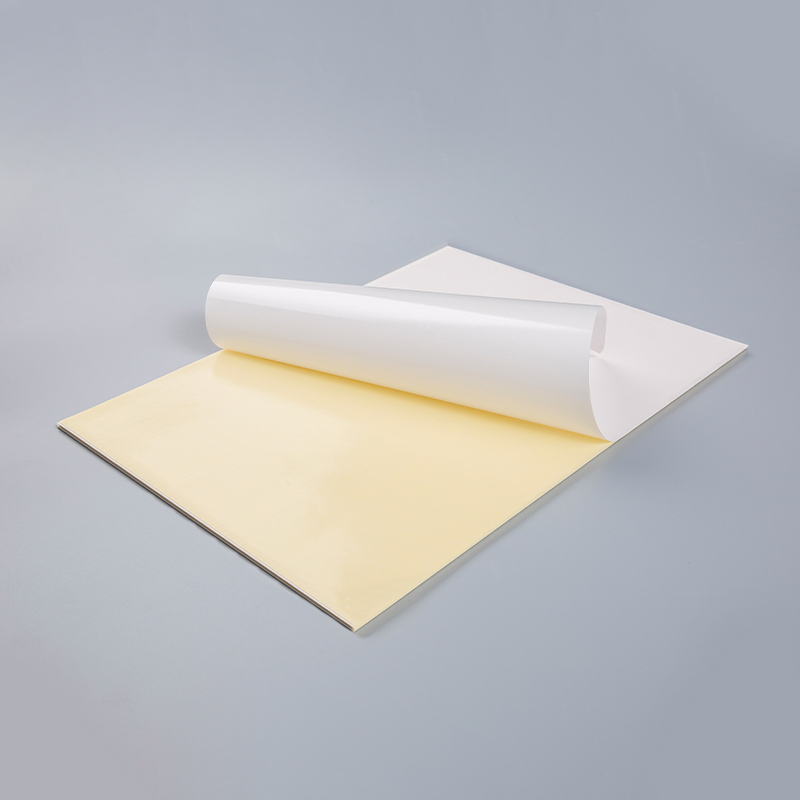
Every pressure-sensitive label is a sandwich of three functional layers, plus whatever printing, varnish or topcoat is added later. Understanding the sandwich is the fastest way to diagnose a problem or to specify a new job.
| Layer | Primary job | Typical options | What to watch |
|---|---|---|---|
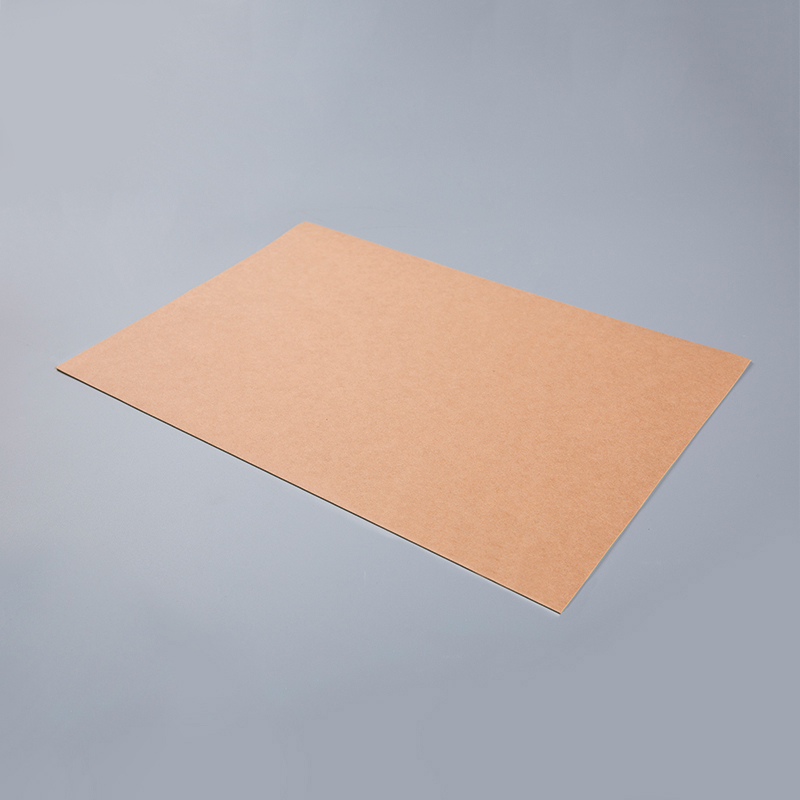
| Face stock | Carries the print and becomes the visible surface | Coated and cast coated paper, woodfree paper, thermal paper, kraft, BOPP, PET, PVC, synthetic paper | Print method, gloss level, tear strength, conformability, cost per square metre |
| Adhesive | Forms the bond between label and substrate | Hot melt rubber, water-based acrylic, solvent acrylic, removable, freezer-grade | Surface energy, temperature range, dwell time, UV exposure, whether clean removal is required |
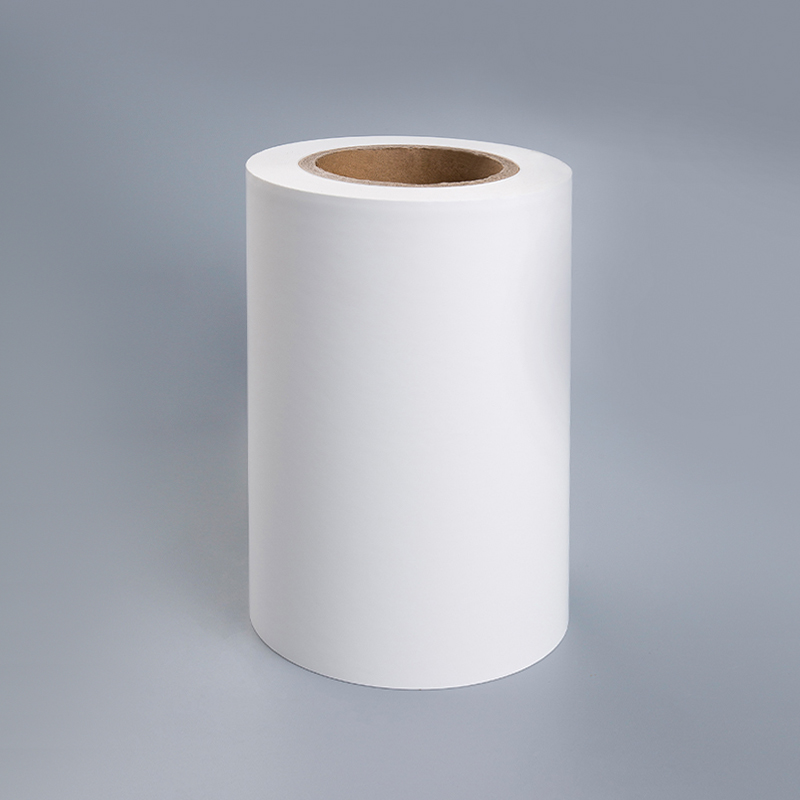
| Release liner | Protects the adhesive and carries the web through converting and dispensing | Glassine paper in white, blue and yellow, PE-coated kraft, PET film, CCK liner | Release force, thickness and stiffness, moisture resistance, die-cutting behaviour |
It is tempting to treat the liner as packaging rather than part of the product, but the liner controls how the label behaves in the applicator. A liner that is too thin for a high-speed line will stretch and tear. One that releases too easily will let labels fly off the web before they ever reach the bottle.
Face Stock: The Surface Your Customer Actually Touches
The face stock carries both the visual and the functional load. It decides whether the label looks premium or plain, whether it survives a damp cooler, and whether it can be printed by flexo, offset, digital or thermal methods.
Paper Face Stocks
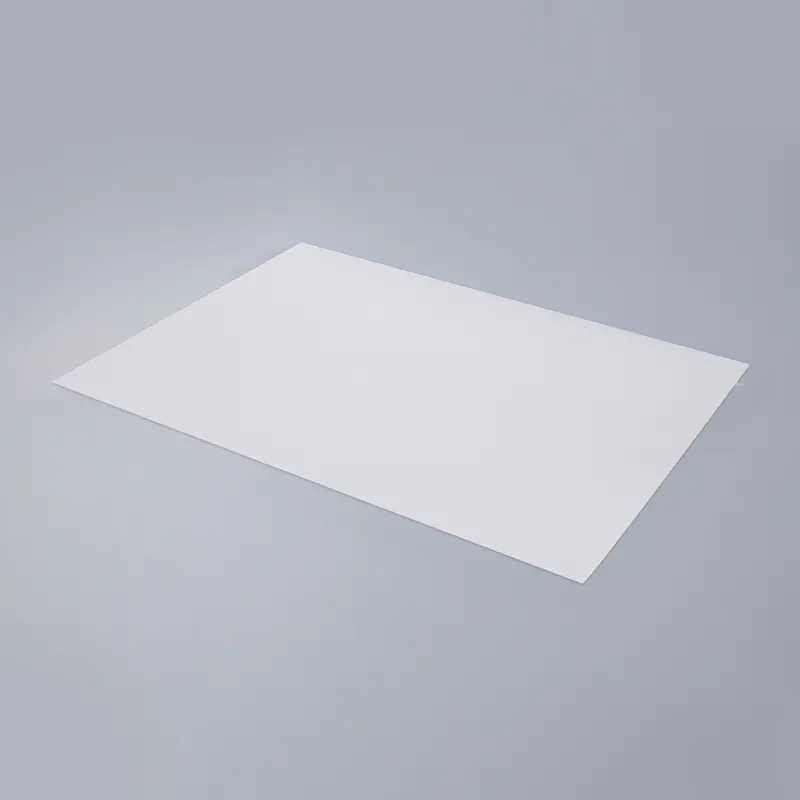
Semi-glossy paper remains the workhorse of the industry: affordable, easy to print and readable. Woodfree paper adds a softer, more natural feel and works well for environmental packaging stories. Cast coated paper is the premium option, because its coating is dried against a heated drum to produce a mirror-smooth surface that holds fine detail and rich colour on cosmetics and beverage work.
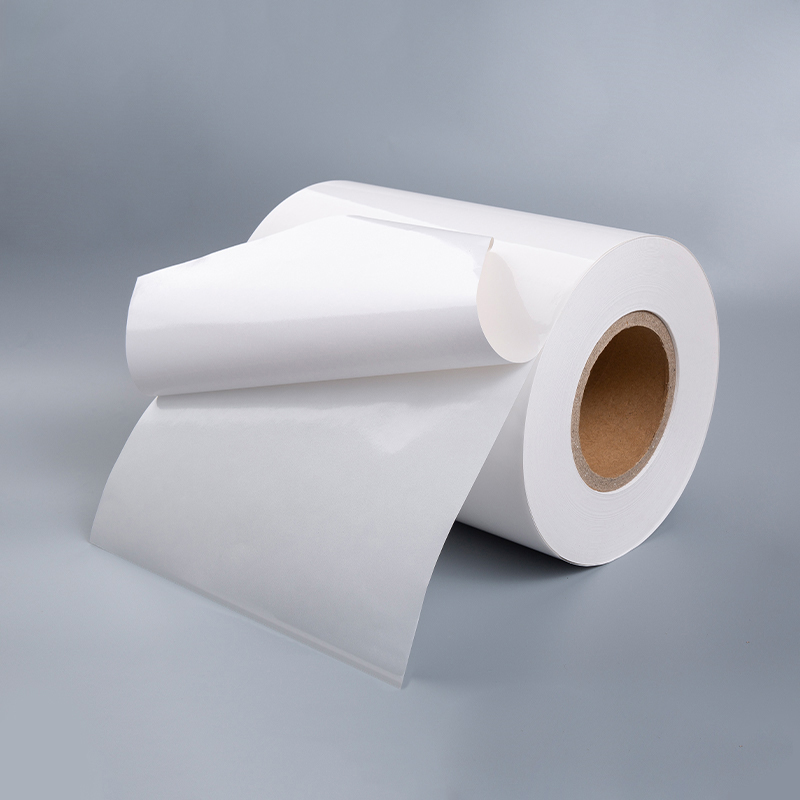 Custom Cast Coated Self-Adhesive Paper With White Release LinerPremium cast coated face stock with white release liner, suited to cosmetics, beverage, promotional and certificate labels needing smooth detail.View Product →
Film Face Stocks
When a label has to survive water, oil, sunlight or squeezing, films take over. Gloss white BOPP is the standard choice for bottles and household products, while PET brings high temperature and chemical resistance for industrial and electronic parts. PVC is soft and conformable, which makes it useful on curved surfaces and removable decals, and synthetic paper sits in the middle ground, offering the look of paper with the tear and water resistance of a film.
Adhesives: Where a Label Succeeds or Fails Quietly
The adhesive is usually the least visible layer and the one most often chosen by habit. In practice it should be selected against the substrate, the application temperature and the expected life of the product.
- Hot melt rubber: aggressive initial tack and excellent grip on corrugated board, though with limited UV and heat resistance.
- Water-based acrylic: balanced performance, good clarity and ageing, widely used on paper face stocks.
- Solvent acrylic: the most durable family, chosen for outdoor signage, automotive parts and chemical exposure.
- Removable grades: medium tack that peels cleanly, used for promotions, window graphics and temporary retail labelling.
- Freezer-grade and anti-freeze formulations: stay tacky below zero and bond to cold, slightly damp surfaces.
Two variables decide more outcomes than any other: the surface energy of the substrate and the dwell time before the label meets stress. If you want to go deeper, we keep a practical walkthrough on choosing the right label adhesive in our technical notes.
Release Liners: The Invisible Half of the Sandwich
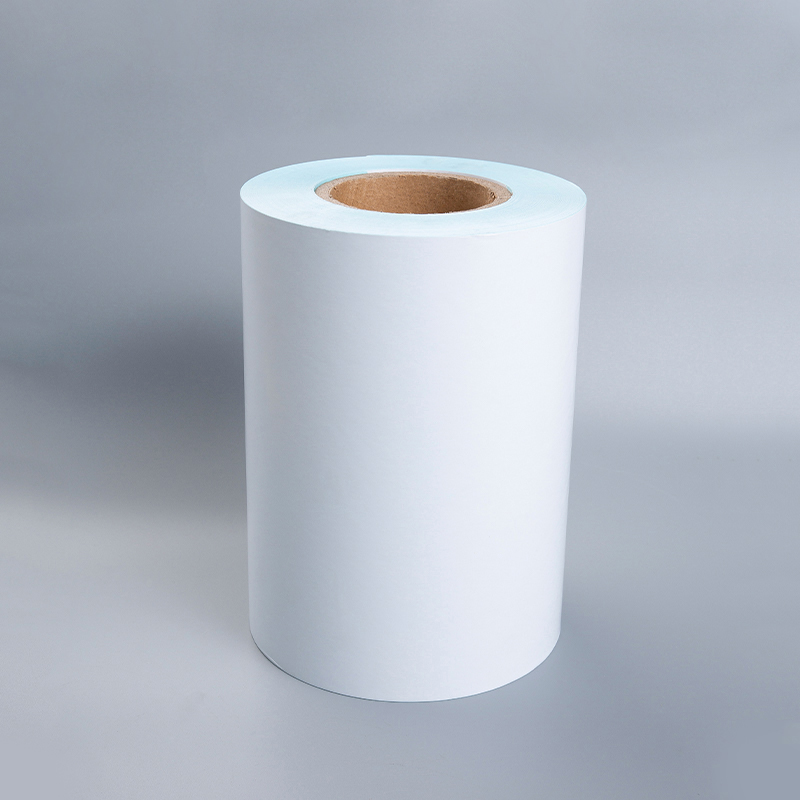
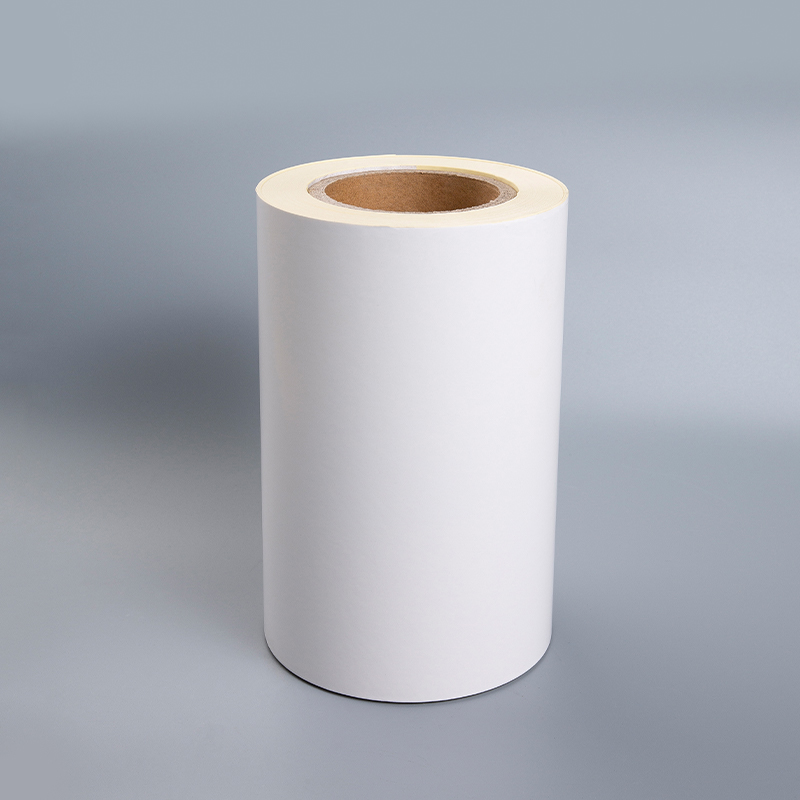
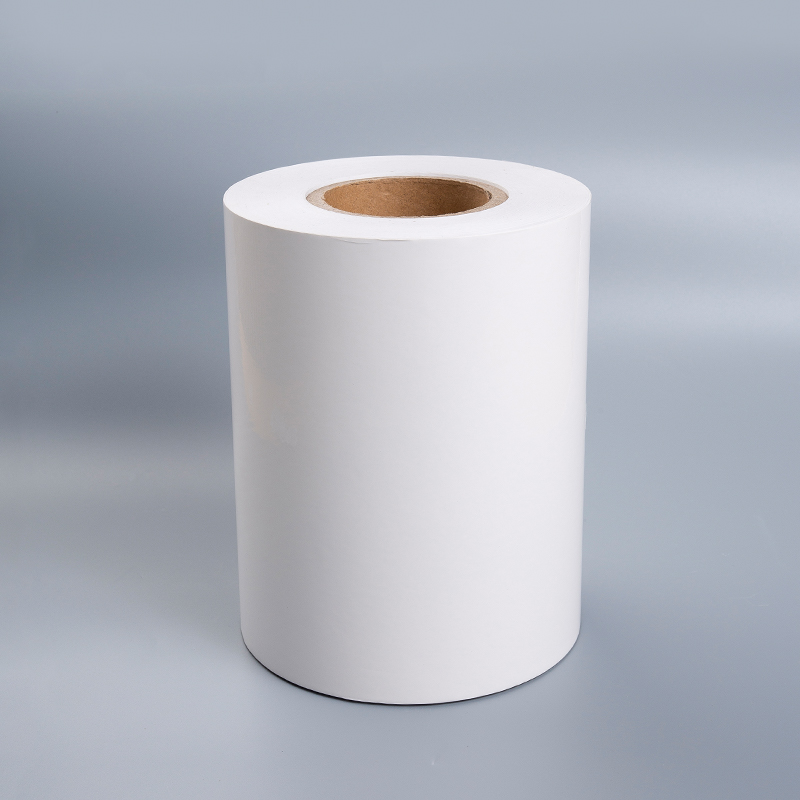
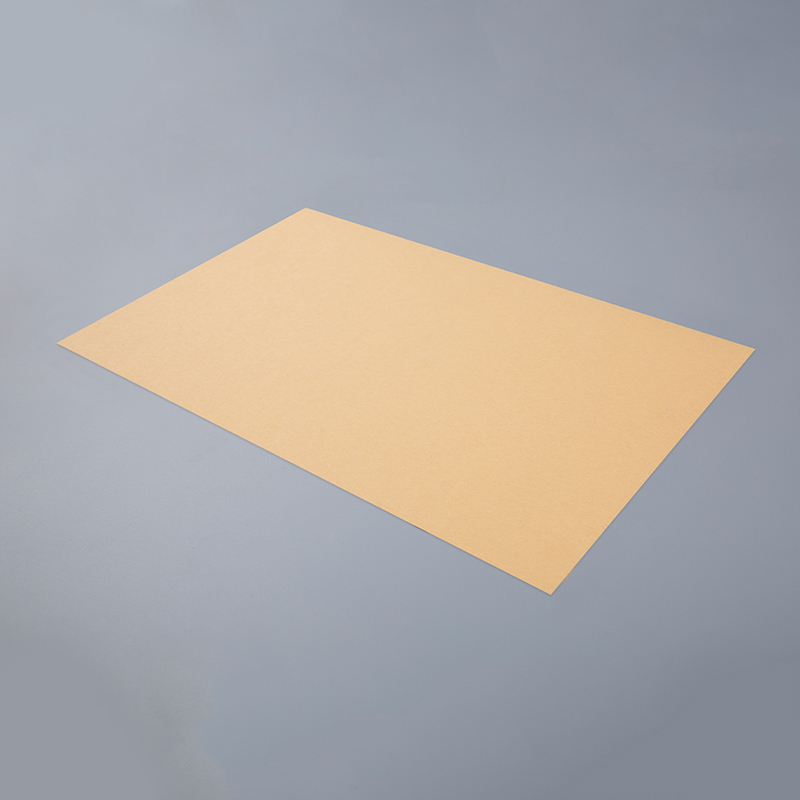
Glassine is the classic liner for pressure-sensitive labels. It is a supercalendered kraft paper, dense and smooth, and it is supplied in white, blue and yellow so that operators can identify release levels at a glance. PE-coated kraft adds a moisture barrier for damp environments or humidity-sensitive adhesives, PET liners are dimensionally stable and very thin for high-speed dispensing, and CCK liners offer an exceptionally smooth surface where the adhesive has to stay glass-clear.
The right liner is a production decision, not a detail. We manufacture glassine release liners alongside our face stocks, so liner and label can be matched before either leaves the factory.
Matching Materials to Real Applications
The table below is the kind of starting point we share with converters who call us with a new project. It is not a specification, but it narrows the field quickly.
| Application | Face stock | Adhesive | Notes |
|---|---|---|---|
| Retail price and logistics labels | Thermal paper or thermal synthetic paper | Water-based acrylic or hot melt | Fast thermal print, resistance to rubbing and moisture |
| Cosmetics and personal care | Cast coated or semi-glossy paper | Water-based acrylic | High gloss, fine detail, no adhesive bleed at the edges |
| Wine and spirits | Textured or embossed specialty paper | Solvent acrylic or removable | Deep chill resistance and clean release from the mould |
| HVAC sealing and insulation | Aluminium foil paper | High-tack hot melt or solvent acrylic | Reflectivity, thermal insulation and vapour barrier performance |
| Surface decoration and graphics | PVC film | Removable acrylic | Conformability on walls, furniture and glass |
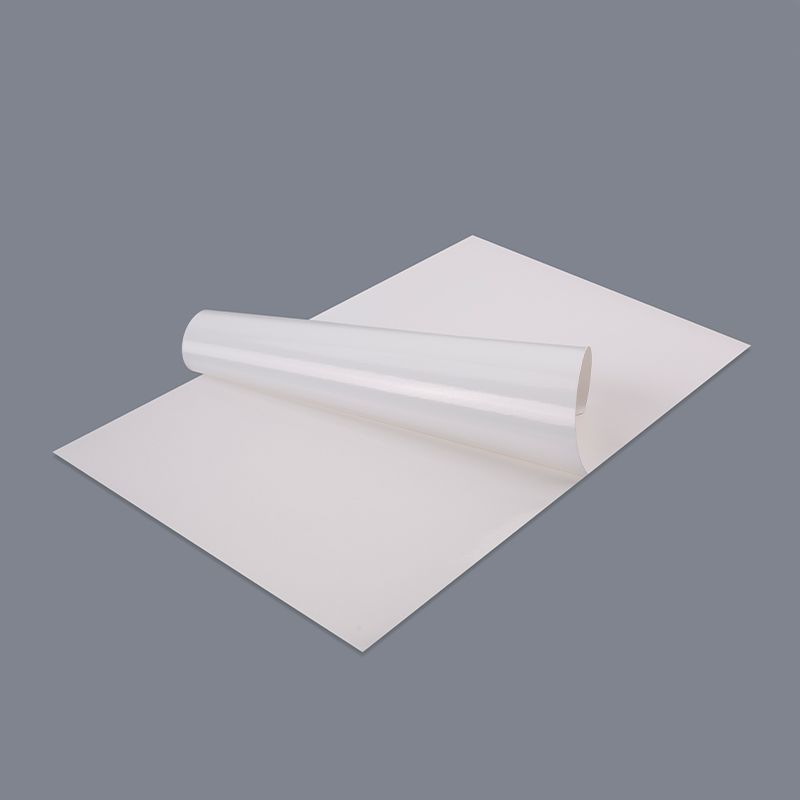 Waterbased Adhesive Thermal Synthetic Paper for Cold and Refrigerated LabelsTear-resistant, waterproof thermal synthetic label material with waterbased adhesive, designed for winter, refrigerated and freezing environments and heat-sensitive printing.View Product →
Five Mistakes We See Most Often
- Choosing the adhesive before the substrate. Surface energy decides far more than brand preference does.
- Ignoring dwell time. A label that is stressed the second it is applied will lift, even with a good adhesive.
- Under-specifying the liner. Liner stiffness and release force drive press speed and dispensing reliability.
- Assuming a face stock that prints well will also apply well. Printing and converting have different demands.
- Storing rolls outside the recommended temperature and humidity range, which changes release force and tack.
Choosing a Pressure-Sensitive Label Material Supplier
We are a materials manufacturer rather than a printer, and that shapes how we think about this subject. PUODEHUA, the brand of Suzhou Piaozhihua Composite Material Technology Co., Ltd., has focused on the self-adhesive label industry for twenty years. Our lines run coating, laminating and slitting in one flow, with an annual capacity of more than 280 million square metres, and our catalogue covers self-adhesive paper, self-adhesive film, special label materials and silicone release paper.
Because we control the adhesive formulation, the face stock and the liner, we can adjust a construction for a customer who needs a different tack level, a specific release value or a custom width. Domestic sales run through direct networks in ten cities and dozens of franchised outlets, while our export network reaches markets across Europe, the Americas, the Middle East and Asia. We also spend a good part of each year at international printing and packaging exhibitions, which is where many of our long-term customers first met us.
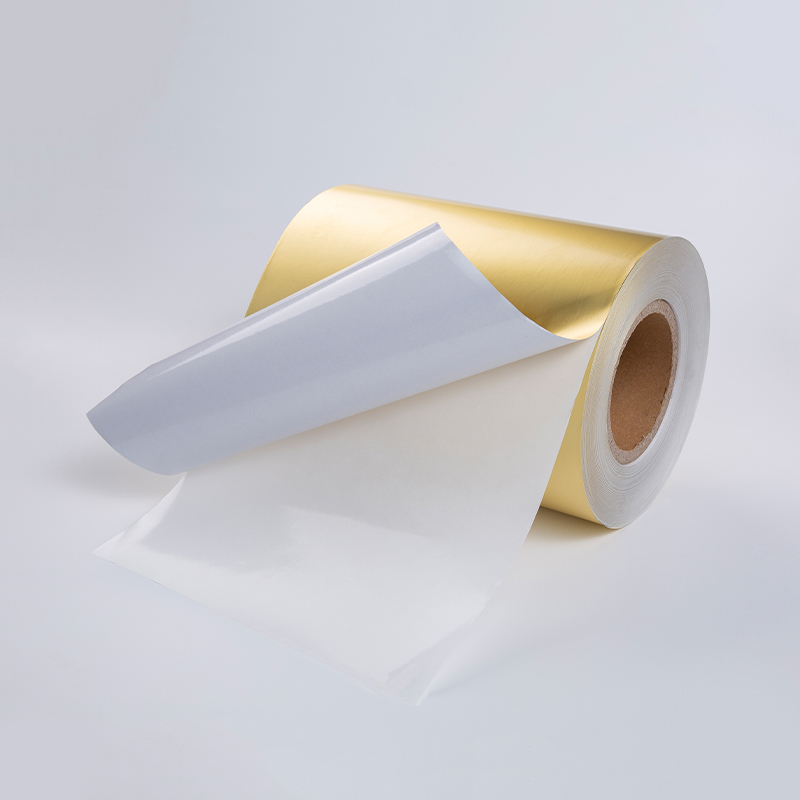 Gold Aluminum Foil Paper for High-Grade Pharmaceutical and Food LabelsGold aluminum foil self-adhesive material for high-grade information labels on medicine, food and cultural goods, available in rolls or sheets.View Product →
Pressure-sensitive labels reward a little planning. Decide what the label has to survive, choose the face stock that meets that requirement visually, select an adhesive that will still be holding in two years, and let the liner do its quiet job of keeping the web moving. When the three layers are chosen as a set rather than one at a time, the label stops being a problem and becomes the part of the package nobody has to think about again.